
Last updated November 15, 2026
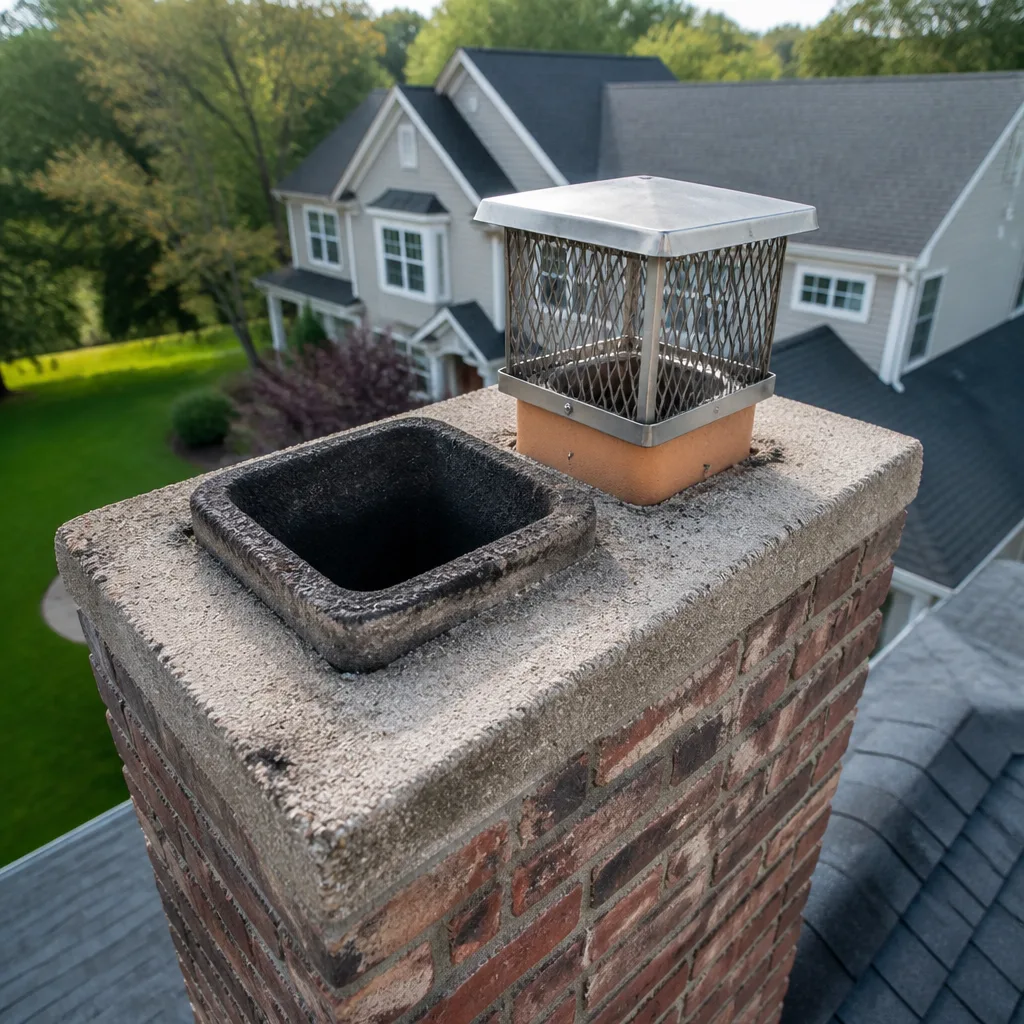 Sweep & inspection
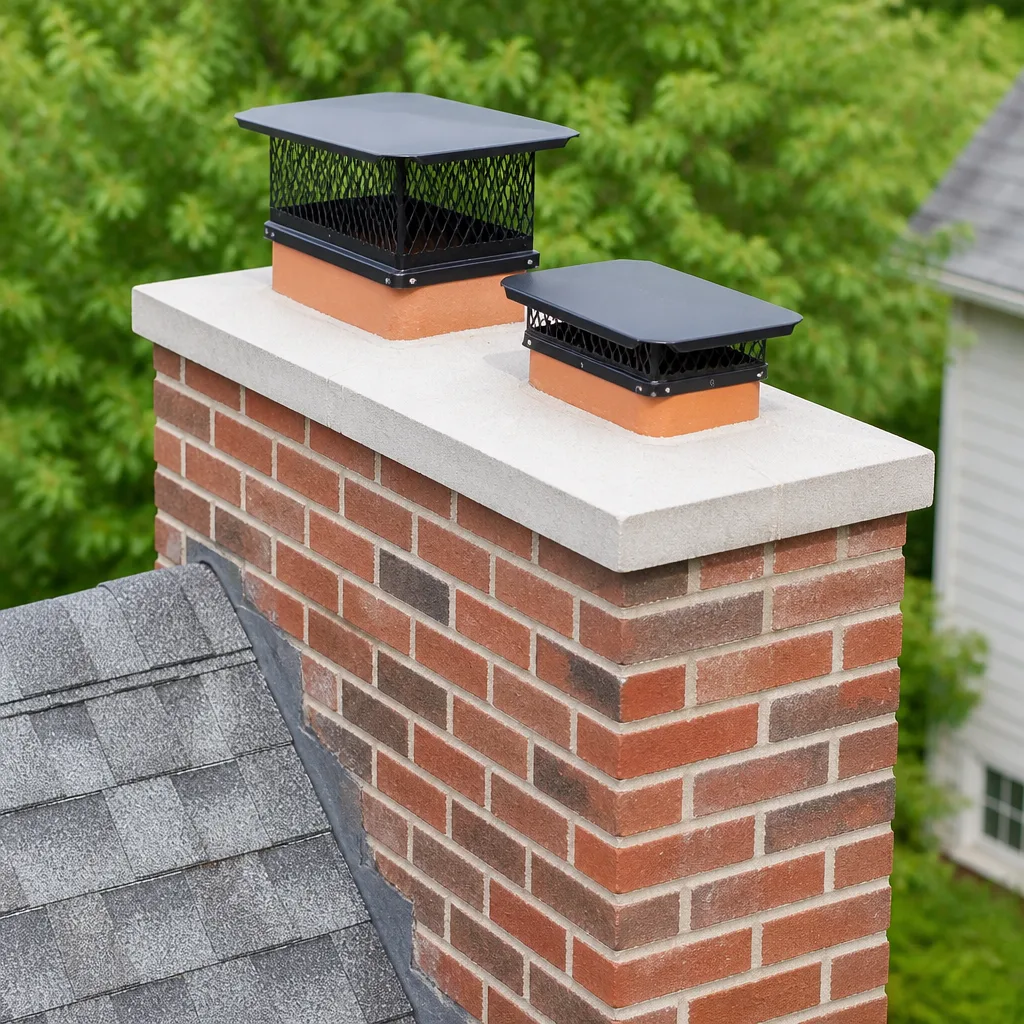 Caps & crowns
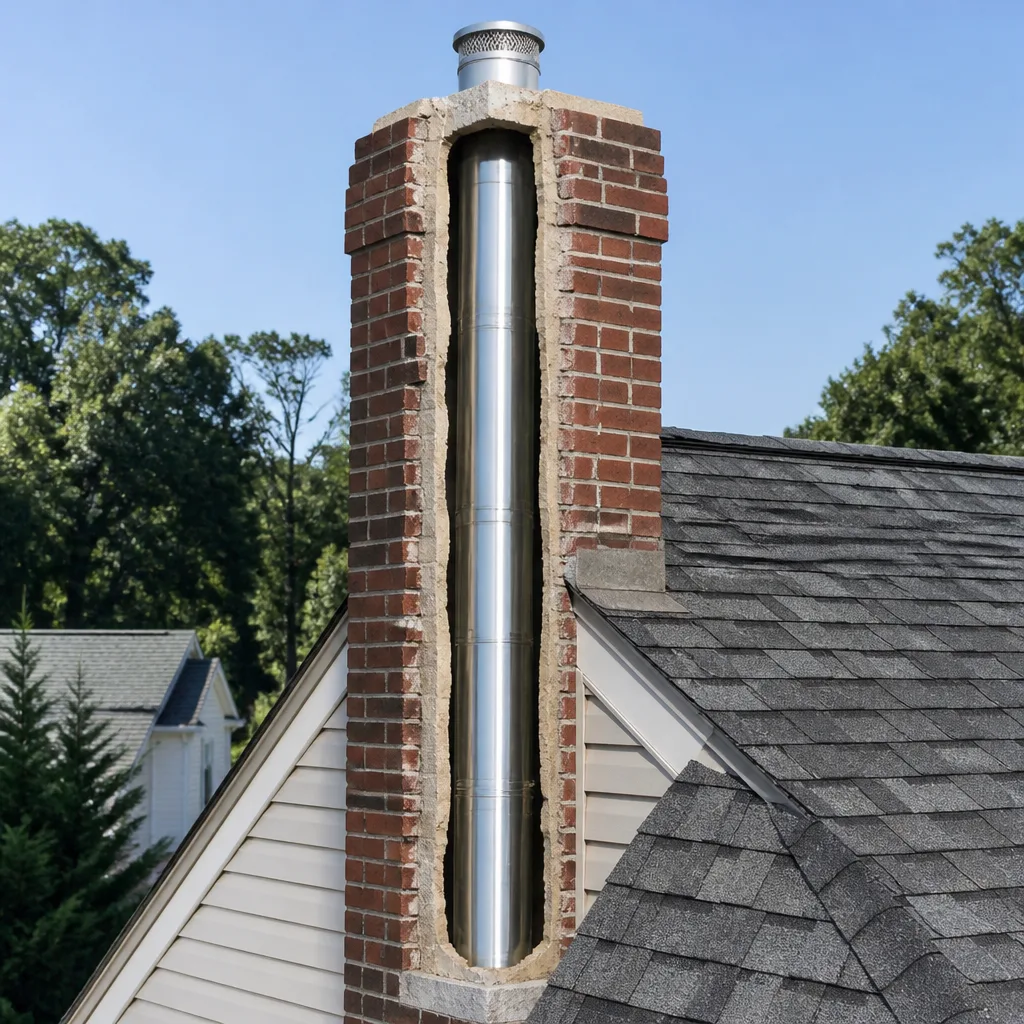 Flue relining
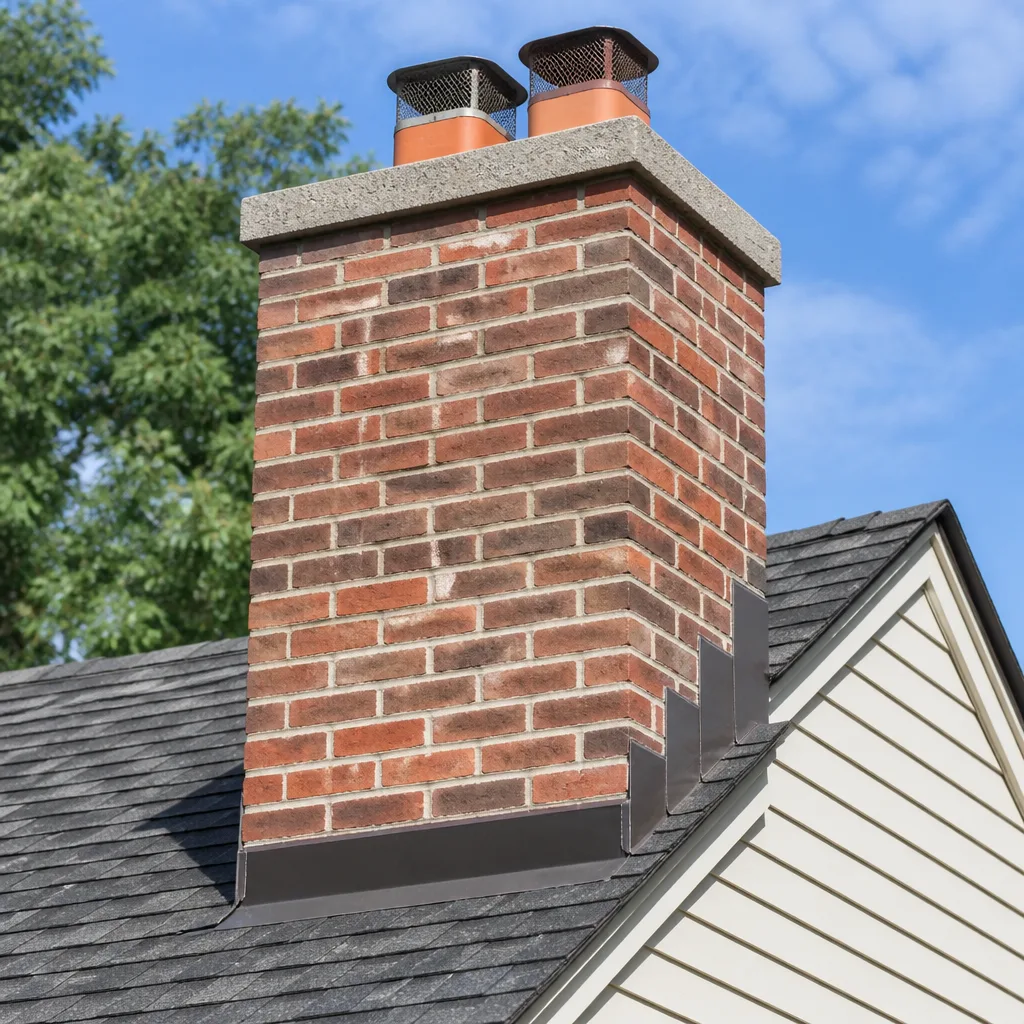 Masonry repair
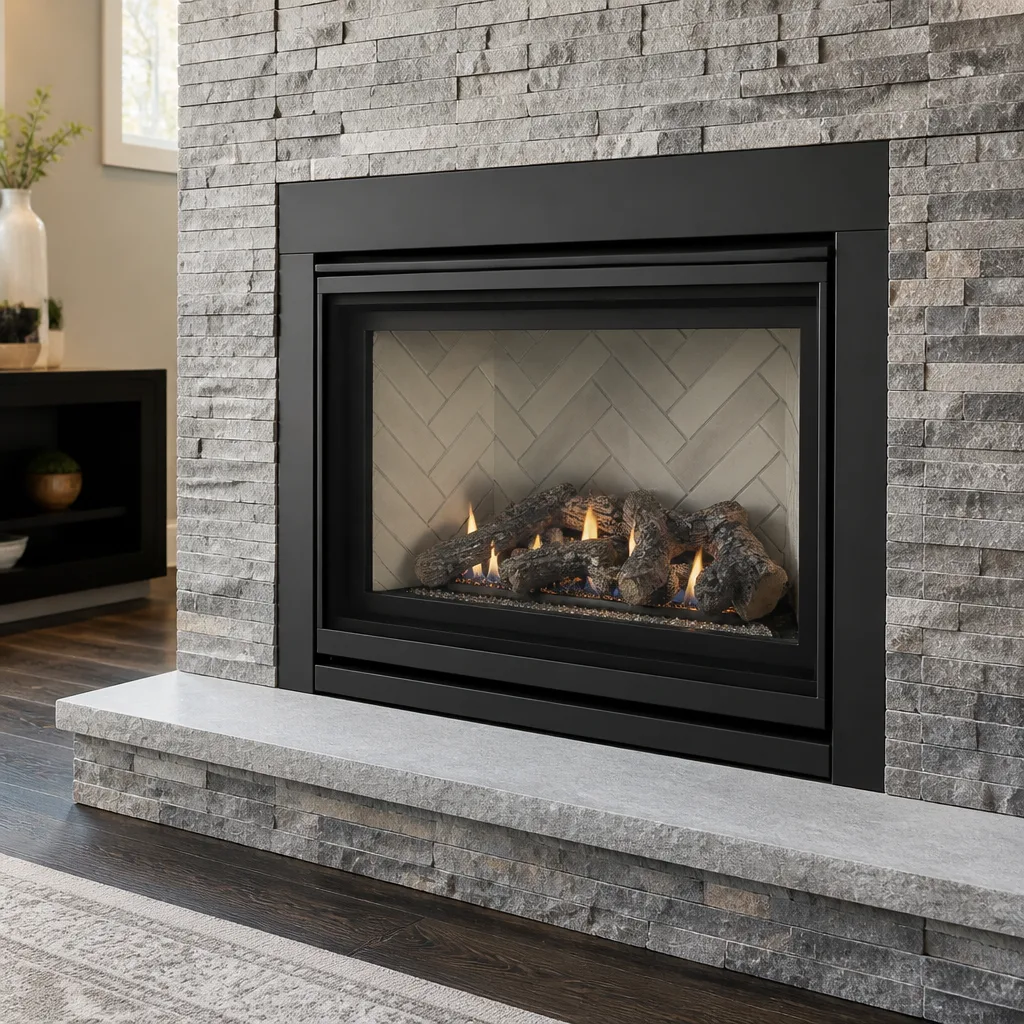 Gas fireplace service
Level 1 sweep and inspection to the NFPA 211 annual standard - flue, crown, cap, and flashing checked and photographed
Chimney sweep logs do not sweep chimneys. They loosen some creosote - which then falls where a brush and vacuum still have to collect it.
The Complete Guide to Chimney Cleaning in Grand Prairie
Most chimney guides are written for the Northeast. Grand Prairie homeowners are working with a different climate, different soil, and a fireplace that might only run 30 days a year, which creates its own set of problems. A fireplace you barely use can still build up creosote, and the clay-heavy soil under this part of North Texas moves in ways that put stress on flue liners over time. This guide explains what a complete chimney cleaning actually covers for a Grand Prairie home, from creosote removal to the liner inspection that should follow a shifting season. By the end you’ll know what to ask for, what a technician should check, and how to read the report you get back.
Quick Answer
Chimney cleaning in Grand Prairie means removing creosote and soot from the flue, then inspecting the liner, cap, and masonry for the damage that comes from light use and shifting clay soil. A complete cleaning is inspection-first: the technician looks before sweeping, cameras the flue, and hands you a written report with photos. If you burn wood at all, an annual cleaning and inspection is the standard, even in a mild climate where the fireplace only runs a few weeks a year.
Styles & brands we work with
- Sweep & inspection
- Caps & crowns
- Flue relining
- Masonry repair
- Gas fireplace service
Table of Contents
- Why Grand Prairie Chimneys Age Differently
- The Low-Use Fireplace Problem
- What a Full Chimney Cleaning Actually Includes
- Level 1 vs. Level 2 Inspections
- How a Chimney Sweep Goes, Step by Step
- How to Read a Technician’s Report
- How Often Should You Schedule Cleaning?
Why Grand Prairie Chimneys Age Differently
Grand Prairie sits on expansive clay soil, and that single fact shapes more chimney problems here than most homeowners realize. Expansive clay swells when it takes on water and shrinks as it dries. Across a North Texas year that wet-dry swing repeats, and the soil pushes and pulls against a home’s foundation in the process. A fireplace and chimney are tied into that same structure. When the foundation shifts even slightly, the masonry above it can develop hairline cracks, and the flue liner can separate at the joints or pull away from the surrounding mortar.
This is the part national guides leave out, because they’re written for regions with stable soil and long, cold winters. Here, the stress on a chimney comes less from hard freezes and more from the ground underneath it. That’s why a cleaning in Grand Prairie has to include more than a sweep. The technician should be looking at the mortar crown, the joints between flue tiles, and the seal where the chimney meets the roofline, all places where clay-soil movement tends to show up first.
What to have checked after a shifting season
- Flue tile joints – separation between tiles lets heat and gases reach the masonry, so gaps here matter.
- The crown – the concrete cap at the top of the chimney cracks when the structure flexes; a cracked crown lets water in.
- The liner itself – a clay tile liner can crack, and a cracked liner is a safety issue, not a cosmetic one.
- Where the chimney meets the roof – flashing and the roof seal are common leak points after movement.
- The firebox and damper – interior masonry can crack along with the structure around it.
Because that movement is slow and quiet, you won’t notice it from the living room. A camera inspection sees it. When a liner does need attention, trade-grade materials hold up better than patch jobs, which is why we install liner systems like DuraFlex rather than improvising a fix. You can read more about the repair side on our chimney repair page.
The Low-Use Fireplace Problem
Here’s the counterintuitive part: a fireplace you barely use can still build up dangerous creosote. Creosote forms when wood smoke cools before it exits the flue, and the deposits left behind are what a cleaning removes. Short burn cycles are the culprit. When you light a fire on a cool evening, burn it for an hour or two, and let it die down, the flue never gets fully hot. That cooler flue is exactly where smoke condenses and clings to the walls as creosote. A fireplace that runs 30 days a year in short bursts can accumulate a glaze of it just as a fireplace that runs every night in a colder climate.
Grand Prairie’s climate encourages this pattern. Winters are mild enough that many homeowners light a fire for atmosphere rather than heat, run it briefly, and skip it for the rest of the week. In our experience, the fireplaces that worry us most aren’t the heavily used ones. They’re the ones that get a fire a few times a season, because the owner assumes light use means low buildup.
Signs creosote is building up
- A stronger, more sour smoke smell when the fireplace is cold.
- Black, crusty or shiny deposits visible up the flue with a flashlight.
- Smoke rolling into the room instead of drawing up the chimney.
- A fire that’s harder to start or burns weakly compared to past seasons.
Creosote comes in stages, from soft and flaky to a hard, glazed coating that a brush alone won’t fully remove. A technician confirms the stage during inspection and relies on the right tools for it. If you’d like a professional read on your own flue, a chimney sweep starts with the camera. Call (833) 633-6933 for a free estimate.
What a Full Chimney Cleaning Actually Includes
A basic sweep-and-go visit and a full-service cleaning are different jobs, and the difference is what you learn about your chimney. The sweep-and-go removes creosote and leaves. A full cleaning is inspection-first, so the technician knows what’s happening inside the flue before any brush touches it. That order matters. If a liner is cracked or a joint has separated, you want to find that out before sweeping, not after.
What a complete cleaning covers
- A Level 1 or Level 2 inspection first – a visual check at minimum, and a camera inspection of the flue where access allows.
- Creosote and soot removal from the firebox, smoke chamber, damper, and flue, using brushes sized to the flue.
- A check of the cap, crown, and flashing for cracks, gaps, or missing parts that let water or animals in.
- A check of the liner and flue joints for the cracking and separation clay-soil movement tends to cause.
- A look at the firebox and damper for cracked masonry or a damper that no longer seals.
- A written report with photos so you can see what the technician saw.
That last item is the one most homeowners value most. A report you can look at and ask questions about is how a specialty company like Banner Chimney Sweep works. We repair what the inspection actually shows, using materials like HeatShield for resurfacing a worn flue, and we tell you plainly when something can safely wait until next season.
Level 1 vs. Level 2 Inspections
Chimney inspections follow standards set by the National Fire Protection Association, and a cleaning visit usually involves a Level 1 or Level 2 inspection. The differences decide how much of your chimney the technician actually sees. Knowing which one your home needs keeps you from paying for more than you need, or less than you should.
Level 1 inspection
A Level 1 inspection is a visual check of readily accessible parts of the chimney and venting: the firebox, damper, the visible portion of the flue, and the exterior at the roofline. It applies when the chimney hasn’t changed and you’re due for routine cleaning, and it typically pairs with a standard sweep.
Level 2 inspection
A Level 2 inspection goes further, using a camera to see the full length of the flue, including areas you can’t reach by eye. It’s the right call when something has changed: you’ve noticed a problem, the home is new to you, a liner or appliance has been changed, or a shifting season has left you wondering about cracks. For a Grand Prairie home where clay soil movement is a real factor, a Level 2 is how you confirm the liner is intact rather than guessing.
When each applies in Grand Prairie
- Level 1 – annual cleaning on a chimney with no known changes.
- Level 2 – a new home, a new appliance, a noticed symptom, or a year of soil movement you want checked.
- Both – include a photo report so you can verify findings for yourself.
Ask which level a company plans and why. A chimney-only specialist will have a clear answer, because inspections are the core of the work, not an add-on to a general handyman visit.
How a Chimney Sweep Goes, Step by Step
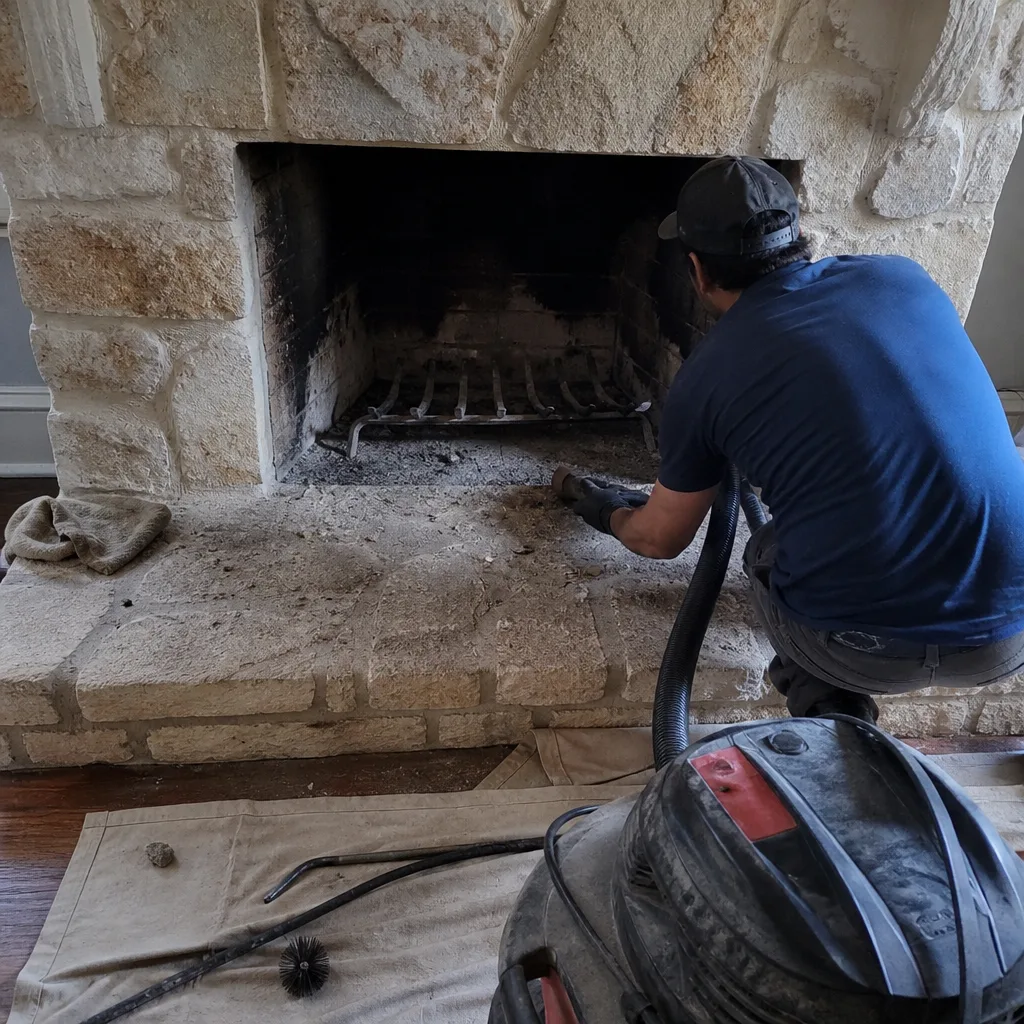
A chimney sweep in Grand Prairie follows a predictable sequence, and knowing it takes the mystery out of the appointment. The steps below are how a professional cleaning generally proceeds for a wood-burning fireplace. They’re meant to show what to expect, not instructions to attempt yourself, because the flue and any gas or electrical connections should be handled by a trained technician.
- Arrival and setup. The technician lays drop cloths and sets up dust control so soot stays in the work area. You’ll see the fireplace and surrounding floor protected before anything starts.
- Inspection before sweeping. A Level 1 or Level 2 inspection comes first, including the camera if the flue warrants it, so problems are found before the brush goes up.
- Clearing the firebox and damper. Ash and debris come out of the firebox, and the damper gets checked for proper operation.
- Sweeping the flue and smoke chamber. Brushes sized to the flue remove creosote and soot from the walls and the smoke chamber above the damper.
- Checking the cap, crown, and exterior. The technician confirms the cap is intact and looks for cracks in the crown and gaps in the flashing.
- Reviewing findings with you. You get the written report and a walkthrough of what was found, what needs immediate attention, and what can be monitored.
The whole visit usually takes about an hour for a straightforward cleaning, depending on access and how much buildup there is. A specialty company does this sequence the same careful way every time, which is why we lead with the inspection and let the sweep follow. If you have gas logs or an insert, the technician confirms the appliance type before starting, since that changes what’s safe to work around.
How to Read a Technician’s Report
The written report is the most useful thing you take away from a cleaning, and it’s worth knowing how to read it. A good report separates findings into three buckets: things that need immediate attention, things to monitor, and things that are fine. That structure is what keeps a homeowner from being told everything is urgent when most of it isn’t.
Findings that usually need action now
- A cracked or separated flue liner – heat and gases can reach the surrounding structure, so this is a safety matter.
- Glazed, hard creosote that a brush won’t fully clear, which raises fire risk until it’s removed.
- A damaged or missing cap that lets water, birds, or debris into the flue.
- Blockage from a nest or debris that stops the chimney from venting properly.
Findings that can usually be monitored
- A minor crack in the crown that isn’t yet letting water in.
- Soft, flaky creosote that came off easily during the sweep.
- Light surface wear on masonry with no gaps behind it.
The honest answer about what can wait is part of the job. If the report says a repair can hold until next season, it can. If it flags a liner issue, that’s the one finding we’d act on rather than watch, because the liner is what stands between the fire and the structure of your home. You can compare findings against our Grand Prairie service details, and call (833) 633-6933 with the report in hand if you want to talk it through.
How Often Should You Schedule Cleaning?
For a wood-burning fireplace, the standard is an annual cleaning and inspection, and that holds even in Grand Prairie’s mild climate. The NFPA 211 standard frames inspection frequency around use, appliance type, and fuel, and light use doesn’t exempt a chimney. A yearly visit catches the low-use creosote buildup and the soil-movement liner issues before either becomes expensive.
Schedule by your situation
- Wood-burning fireplace, any use – once a year, inspection paired with the sweep.
- Gas insert or gas logs – the venting still needs an annual inspection, even with no creosote in the usual sense.
- New-to-you home – a Level 2 inspection before your first fire, whatever the prior owner told you.
- After a year of soil movement – a camera check of the liner if you’ve noticed cracks or the structure has shifted.
Book the cleaning ahead of the season when you’ll actually use the fireplace, so any repair has time to be done before the first fire. A sweep isn’t an emergency call, and there’s no reason to wait for smoke to roll into the room before you book. The best time is before burning season, while the schedule is open and findings can be acted on calmly.
Common Mistakes to Avoid
- Assuming light use means no cleaning needed. The short burn cycles that mild-climate fireplaces see are exactly what builds creosote. A fire a few times a season still adds up, and an annual inspection is the only way to know.
- Skipping the inspection to save a step. A sweep without inspection misses liner cracks and crown damage that clay-soil movement causes here. The inspection is what turns a cleaning into actual information about your chimney.
- Hiring a general handyman for a chimney job. Chimney work is its own trade, and a technician who splits time across unrelated trades may miss flue and masonry details. A chimney-only specialist is trained for exactly this.
- Ignoring a report that says “monitor.” A minor crown crack left for several wet seasons becomes a leak into the masonry. Checking the report against the next year’s inspection and acting before it grows is cheaper than repairing the result.
- Letting a cold fireplace sit with a strong smoke smell. That sour smell often signals creosote or a draft problem. It’s a reason to schedule an inspection, not to air the room out and forget it.
- Using a hardware-store liner or patch on a real problem. A liner fix on a cracked flue needs a proper system installed to code, not an improvised patch. Materials like Copperfield and DuraFlex exist for a reason, and they’re what trade professionals specify.
- Forgetting the exterior. A fireplace that’s clean inside can still take on water through a cracked crown or failed flashing. Ask whether the exterior was checked.
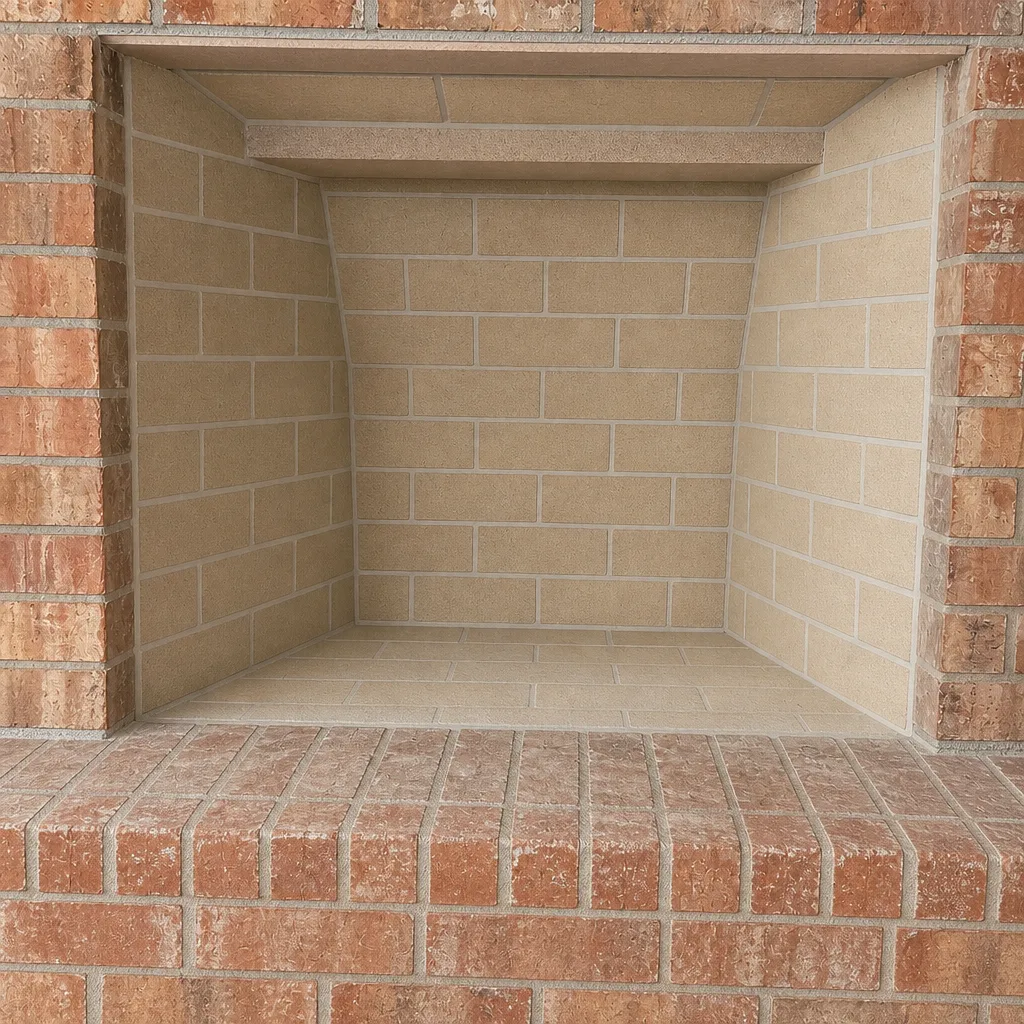
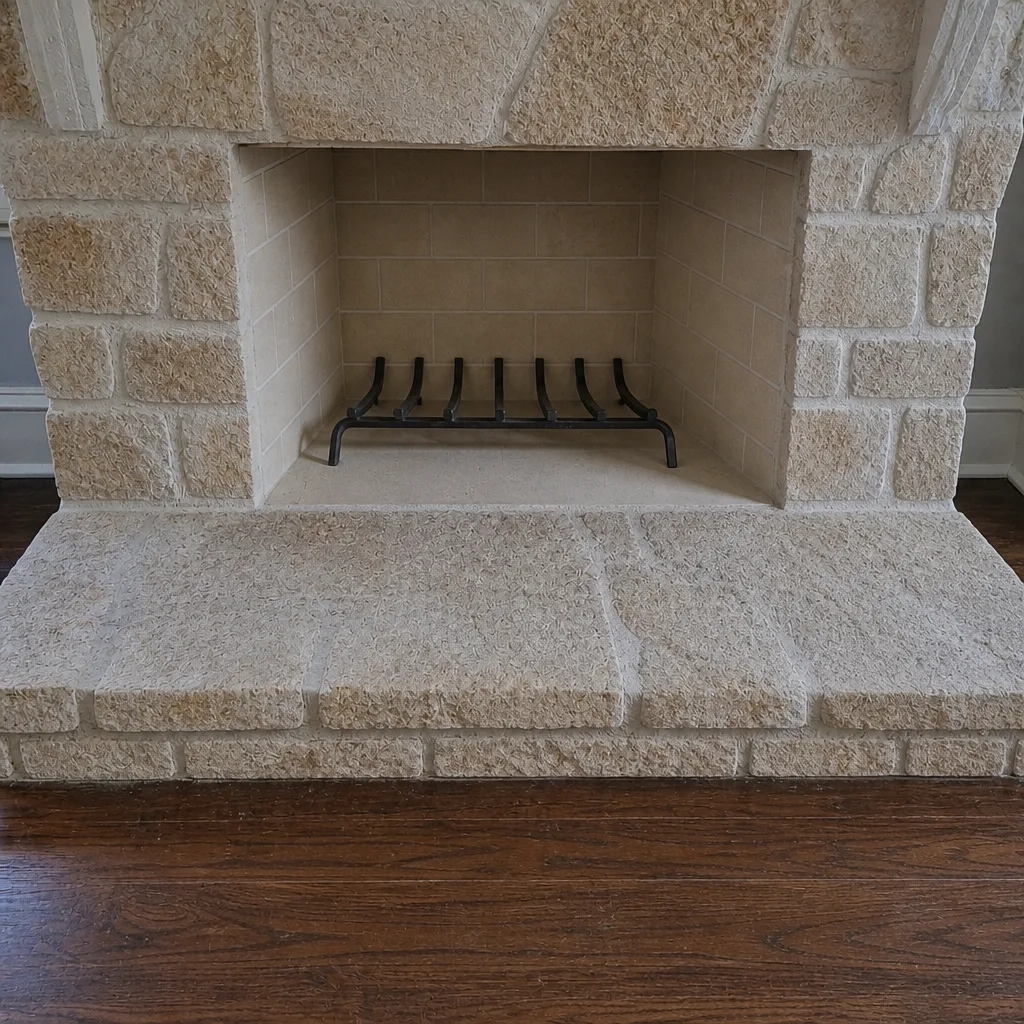
See the difference
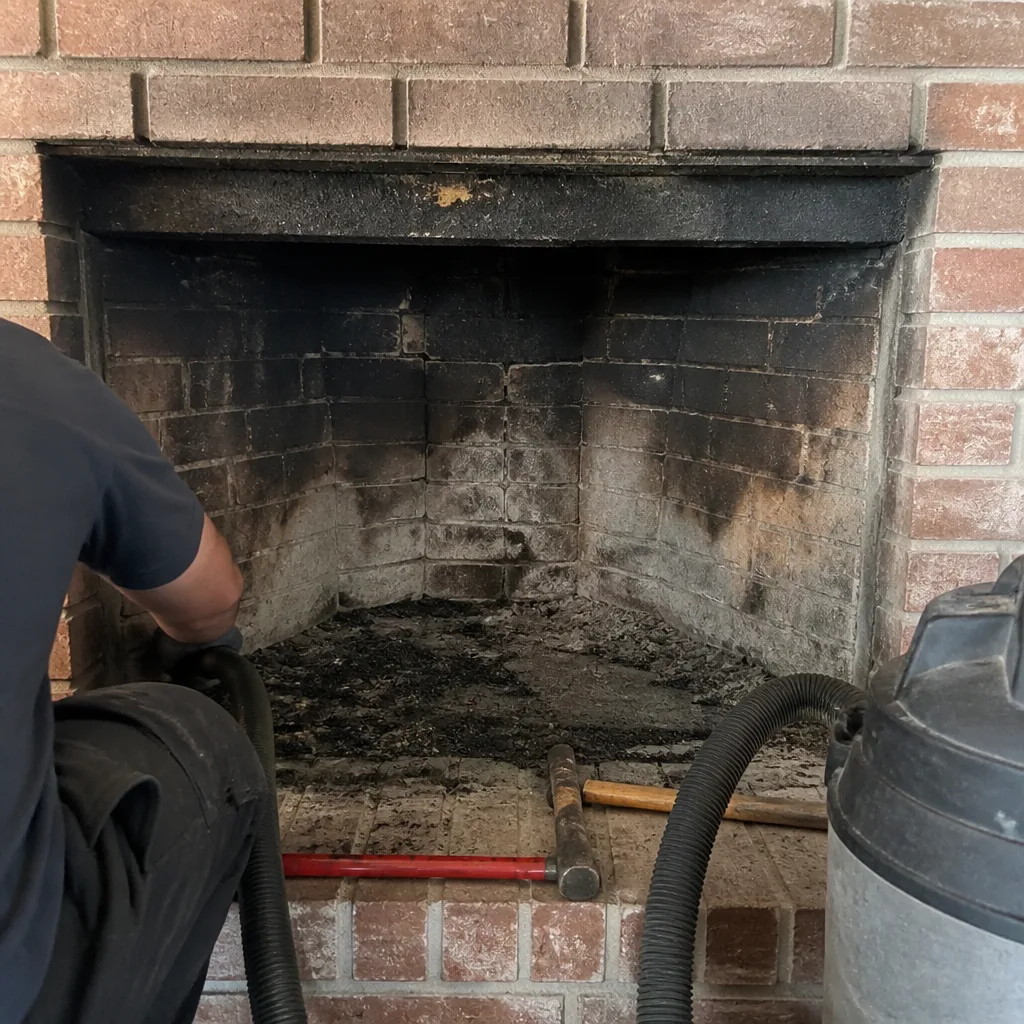 Before
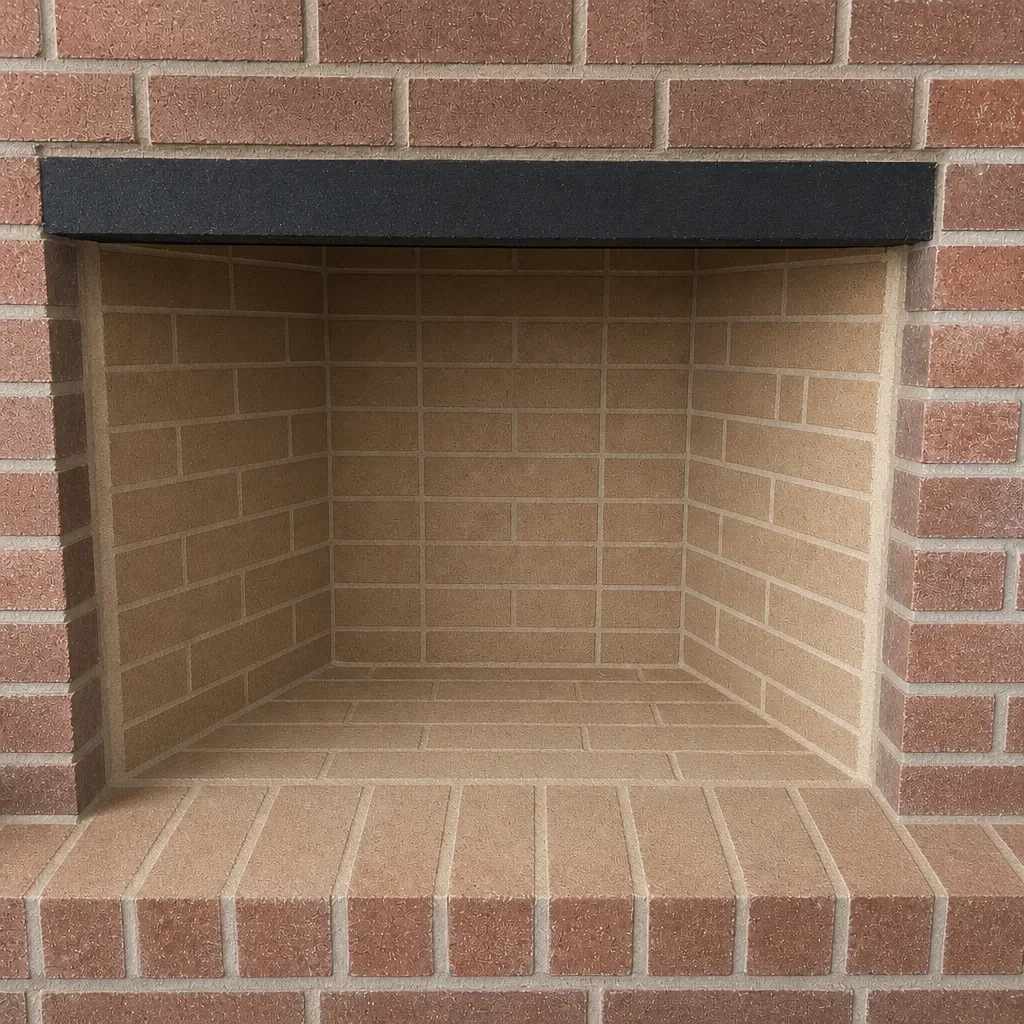 After
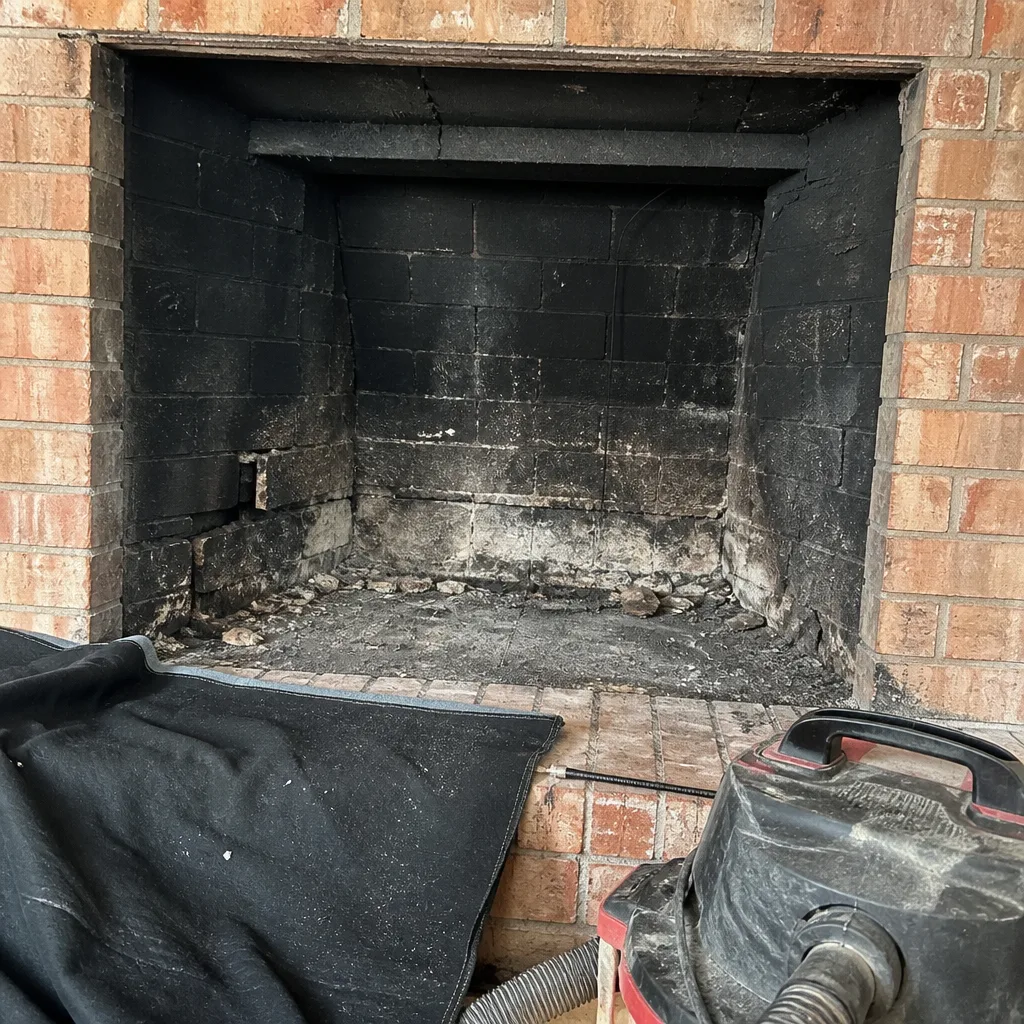 Before
 After
 Before
 After
When to Call a Professional
Call a professional when the fireplace stops behaving the way it always has, or when it’s been more than a year since the last inspection. Specific triggers: smoke rolling into the room, a strong smoke smell when the fireplace is cold, visible black or glazed deposits up the flue, a damper that won’t open or seal, a cap that’s loose or missing, or masonry cracks near the firebox. Any of these point to something a visual check from the living room can’t answer. If your home is new to you, a Level 2 inspection before the first fire is the sound move. Banner Chimney Sweep offers free estimates in Grand Prairie, call (833) 633-6933, and we start with the inspection so the recommendation follows what we actually see.
Frequently Asked Questions
A chimney cleaning in Grand Prairie is priced per job by a written estimate, and the estimate is free, so the exact number depends on your flue, access, and whether a Level 2 camera inspection is involved. Call (833) 633-6933 for an exact quote. Estimates are free, and the written estimate sets the final price.
You need a new liner when the inspection shows the current one is cracked, separated, or no longer venting correctly, and not before. Ask to see the camera evidence, because a liner recommendation should come with photos you can look at yourself. If the report shows the liner is sound, it doesn’t need replacing. Call (833) 633-6933 to book an inspection you can review.
Once a year for a wood-burning fireplace, even with light use, and annually for gas appliances as well. The short burn cycles common in a mild climate still build creosote, so the yearly visit catches it early. Call (833) 633-6933 to get on the schedule before burning season.
Creosote keeps building, a cracked liner can go unnoticed, and a blocked or damaged flue stops venting the way it should. That’s the honest reason cleaning matters: it’s about removing what’s accumulated and finding problems while they’re still small. Skipping a year isn’t a crisis, but skipping several lets small findings become repairs. Call (833) 633-6933 for a free estimate and a clear read on where your chimney stands.
Yes. A fireplace that runs a few times a season in short bursts can build creosote just like a heavily used one, because the flue never gets hot enough to carry smoke out cleanly. Low use isn’t the same as clean. Call (833) 633-6933 to schedule an inspection and find out what’s actually in your flue.
The cleaning removes creosote and soot, while the inspection is what tells you the condition of the liner, cap, masonry, and firebox. They belong together, since a sweep without an inspection only cleans and doesn’t inform. In Grand Prairie, where clay-soil movement stresses liners, the inspection is the part that matters most. Call (833) 633-6933 to book both in one visit.
The Bottom Line
Chimney cleaning in Grand Prairie isn’t just about removing soot. The real value is the inspection that comes with it, because this region’s clay-heavy soil stresses flue liners and masonry in ways a generic guide never covers. Low-use fireplaces still build creosote through short burn cycles, so annual cleaning and inspection is the right cadence even in a mild climate. Know whether you need a Level 1 or Level 2 inspection, read the report, and act on liner findings while monitoring the small ones. When you’re ready, call (833) 633-6933 for a free estimate. We answer 24/7. Fast dispatch from 7am to 7pm, Sunday through Friday.
Contact Banner Chimney Sweep
Our technicians have up to experience, we work with trade-grade materials like HeatShield and Gelco, and every service starts with inspection before any recommendation. Ready to schedule a chimney cleaning in Grand Prairie? Call (833) 633-6933 for a free estimate and a written report you can review. We answer 24/7. Fast dispatch from 7am to 7pm, Sunday through Friday.
Written by the team at Banner Chimney Sweep.