
Last updated November 15, 2026
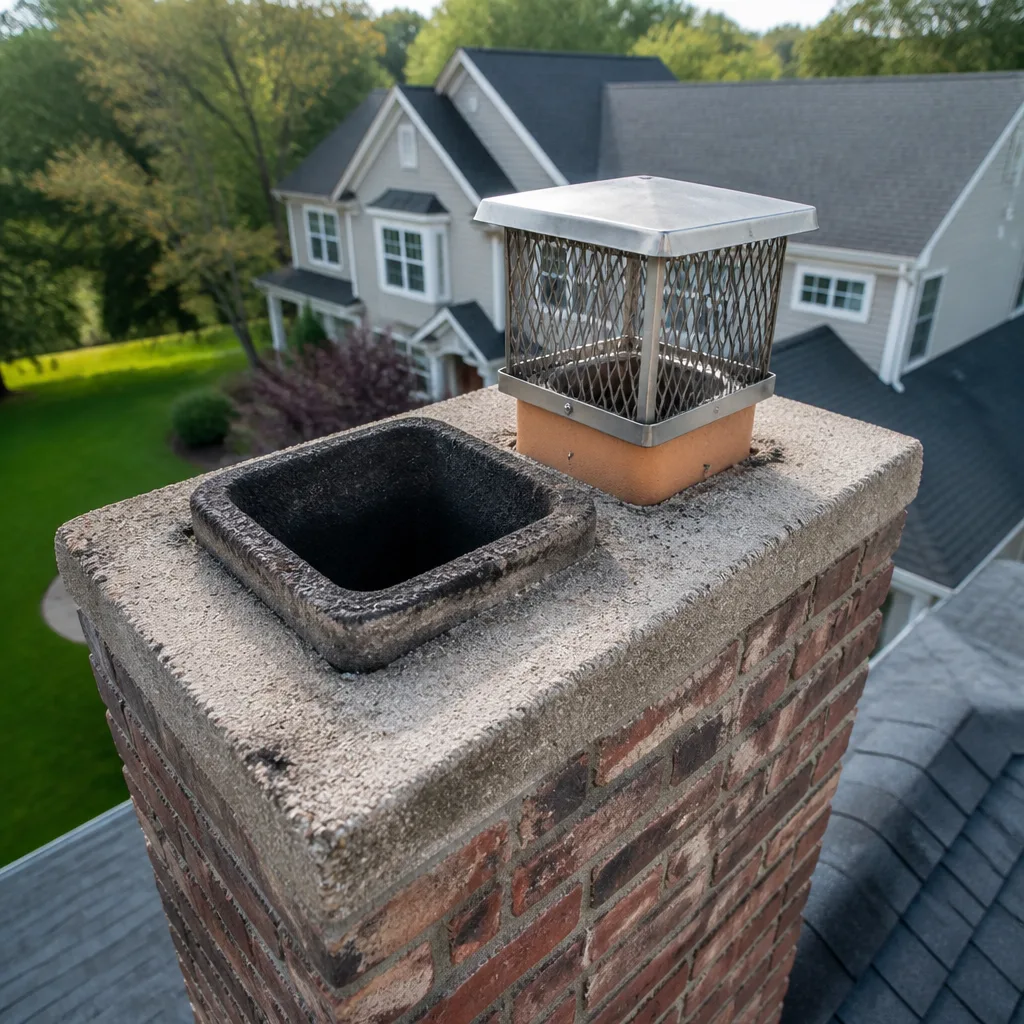 Sweep & inspection
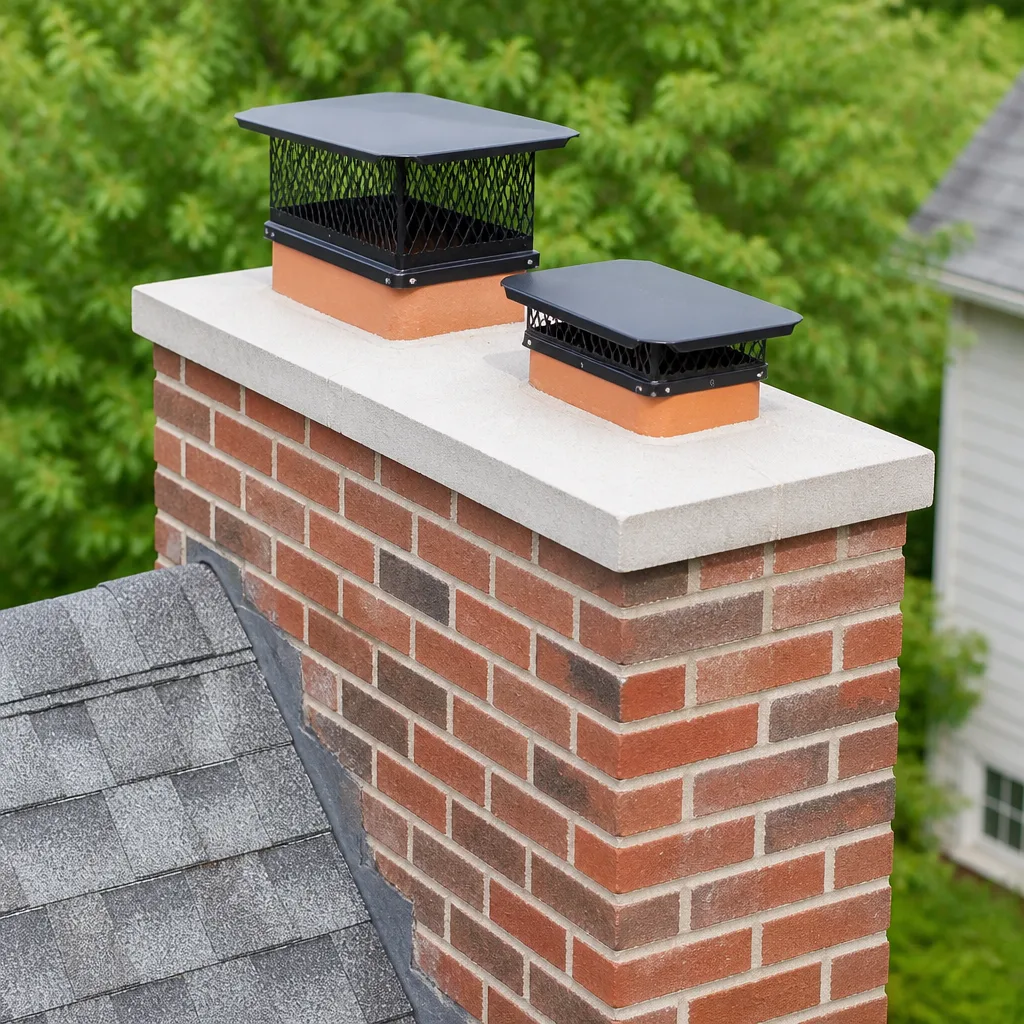 Caps & crowns
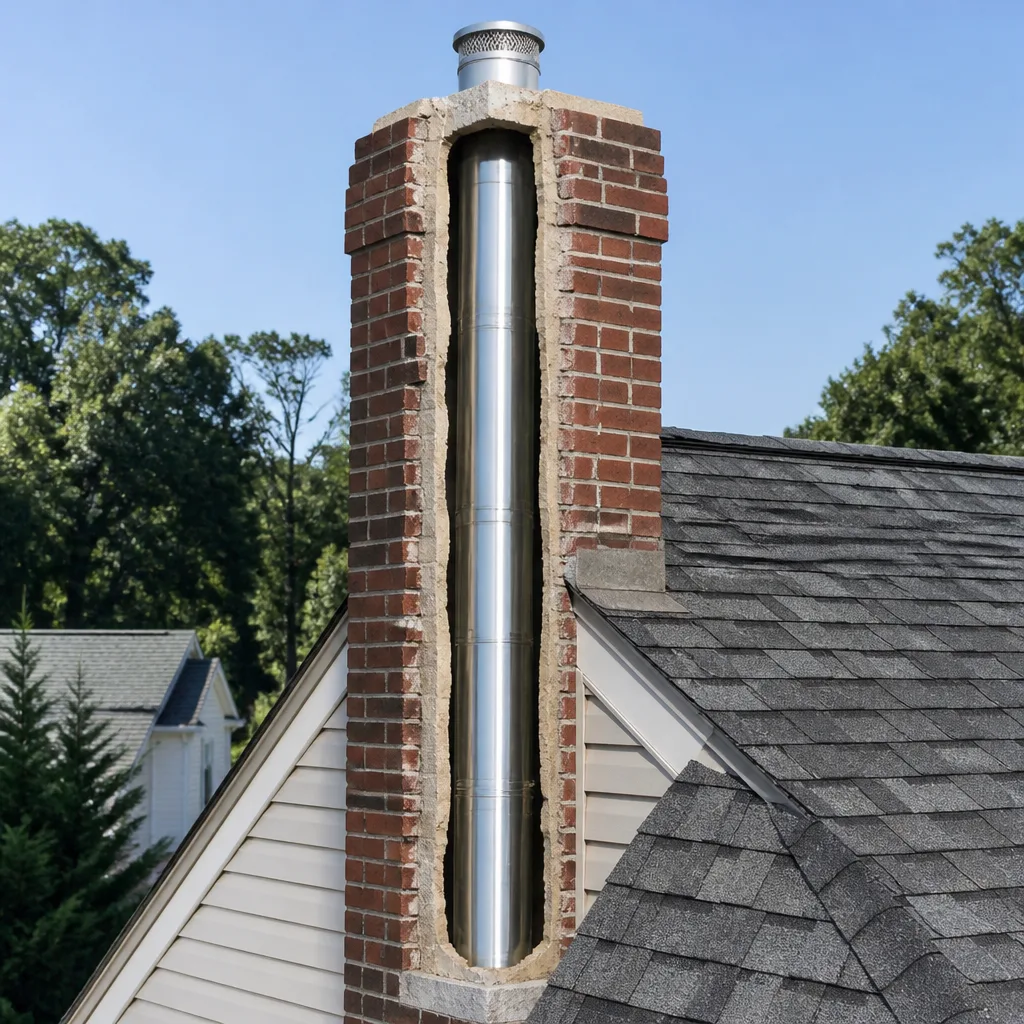 Flue relining
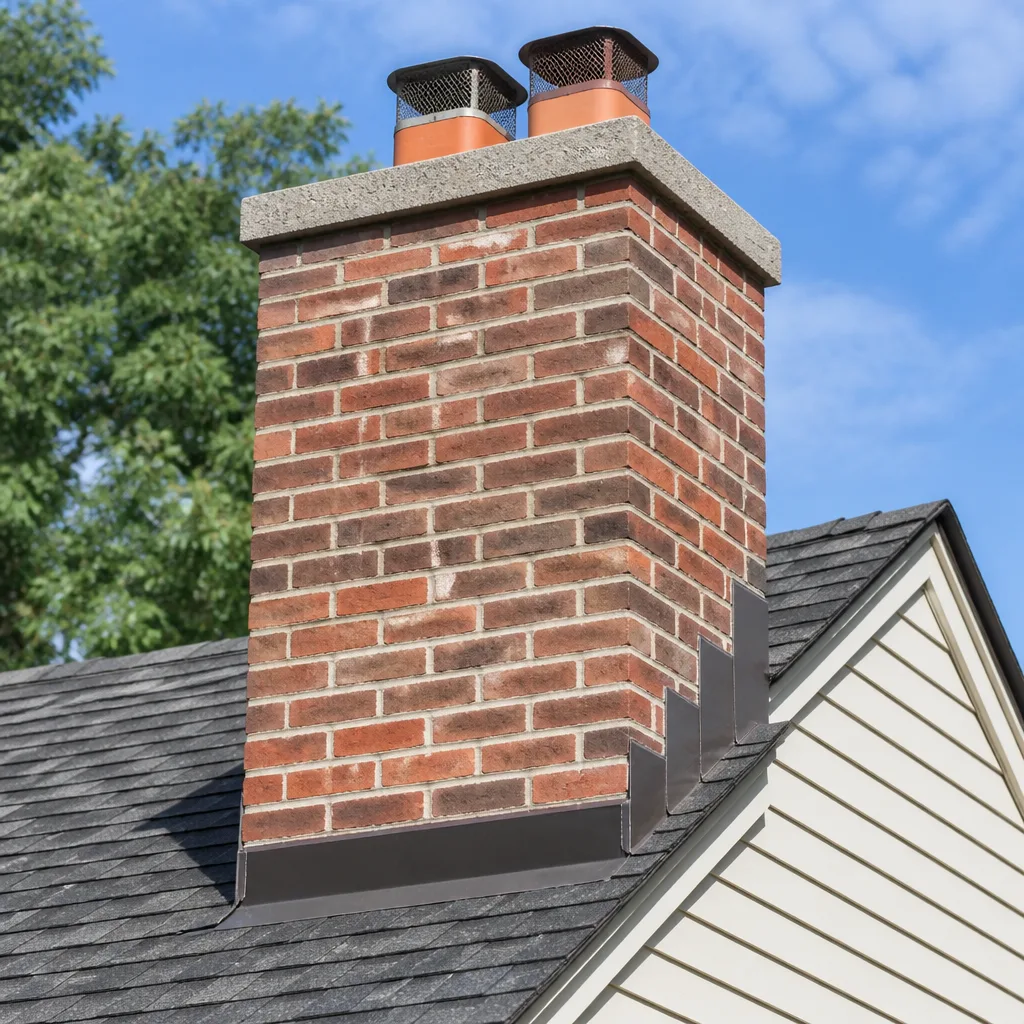 Masonry repair
 Gas fireplace service
Level 1 sweep and inspection to the NFPA 211 annual standard - flue, crown, cap, and flashing checked and photographed
Chimney sweep logs do not sweep chimneys. They loosen some creosote - which then falls where a brush and vacuum still have to collect it.
DIY vs Professional Chimney Cleaning: The Grand Prairie Homeowner’s Decision Guide
You can rent a brush kit for about $40 and clean the accessible parts of a chimney in an afternoon. The question isn’t whether you can reach into the firebox with a brush – it’s whether the parts you can’t reach are the parts that matter. In most cases, they are. The flue liner, the smoke chamber, the crown, and the hidden shoulders of the chimney are where serious problems live, and none of them are visible from the firebox opening or from a quick peek off the roof. This guide covers exactly what a Grand Prairie homeowner can safely handle alone, where DIY cleaning creates a false sense of security, and how to tell when the job has outgrown the toolbox.
Quick Answer
A homeowner can reasonably sweep light, dry soot from an accessible flue with a brush kit, but cannot safely assess or clean the liner, smoke chamber, or crown where creosote glazes and cracks develop. DIY cleaning removes what you can see and often just moves what you can’t. For most Grand Prairie homes with a wood-burning fireplace, professional cleaning with a flue camera is the only way to know the chimney is actually clear and structurally sound.
Styles & brands we work with
- Sweep & inspection
- Caps & crowns
- Flue relining
- Masonry repair
- Gas fireplace service
Table of Contents
- What You Can Actually Clean Yourself
- What a Flue Camera Sees That You Can’t
- Why DIY Often Moves Creosote Instead of Removing It
- When DIY Is a Reasonable Maintenance Step
- When DIY Creates a False Sense of Security
- How to Do a Sensible Visual Check Between Visits
- Grand Prairie Chimney Conditions to Know
- Common Mistakes to Avoid
What You Can Actually Clean Yourself
A homeowner with the right brush, drop cloths, and a shop vacuum can handle a specific slice of chimney maintenance. It’s a narrow slice, but it’s real. Understanding that slice keeps you from overpromising yourself and skipping professional care you may need.
Here’s what’s genuinely within reach for a careful do-it-yourselfer in Grand Prairie:
- Loose soot from the firebox walls and damper area. A stiff brush and vacuum pull this off cleanly.
- Light, powdery soot from the first several feet of the flue if your chimney has a straight run and you can work from the firebox with a flexible rod.
- The smoke shelf, reachable with a bent brush and some patience.
- The firebox floor and ash pit, which collect debris between burns.
- The exterior cap and spark screen, if you can safely get to them – clearing bird nests and leaf debris from these is a common seasonal chore.
What’s outside that list matters just as much. The upper flue, the smoke chamber above the damper, the liner itself, the crown, and the flashing are all beyond the reach of a homeowner brush kit. Those are precisely the areas where creosote glazes, cracks form, and water intrusion begins – and where every serious chimney problem we see in Grand Prairie starts. If your only contact with the flue is the brush you can push up from the firebox, you’re cleaning the entryway and guessing about the rest of the house.
What a Flue Camera Sees That You Can’t
This is the core of the DIY vs. professional question, and it’s the part nobody talks about clearly. A chimney sweep with a flue camera isn’t doing anything magical – the camera just goes where a human eye can’t. But what it shows changes almost every recommendation that follows.
From the firebox opening, a homeowner sees the damper, the smoke shelf, and the lower flue – perhaps the first three to five feet. From the rooftop, they see the cap, the crown, and the top few courses of brick. Everything in between is a black void. For a typical single-story Grand Prairie home, that void is 10 to 15 feet of flue liner that nobody has actually looked at.
Here’s what a professional camera inspection typically reveals that a visual check from either end cannot:
- Stage 3 creosote – the glazed, hardened, tar-like deposit that ignites at chimney-fire temperatures and can’t be brushed off. It requires chemical treatment or mechanical rotary cleaning before it can be removed.
- Liner cracks and gaps at the tile joints – small separations that let heat and carbon monoxide reach framing lumber or attic insulation.
- Offset sections and shoulder areas where debris accumulates and brushes skip past.
- Improperly connected appliance flues – a furnace or water heater vented into the same chimney at an angle the eye can’t see.
- Missing or deteriorated mortar joints inside the flue, often invisible from the outside until the chimney is already compromised.
- Nesting debris and animal remains sit deep in flues, especially in Grand Prairie homes near established trees.
An inspection cost is small money next to the cost of a chimney fire or a liner replacement that could have been caught early. When our technicians use a camera, the photo report goes to the homeowner so they can see the same thing we see – not a vague verbal summary they have to take on faith. That access matters. You should never accept a recommendation for major work you can’t verify visually.
Why DIY Often Moves Creosote Instead of Removing It
This is where DIY cleaning goes wrong most often, and it’s invisible when it happens. Creosote doesn’t come in one form. It has three stages, and a homeowner brush handles roughly the first one well. The other two, the brush either skips past or distributes.
Stage 1 creosote is light, flaky, and brushes off easily. Stage 2 is denser, often crusty or flaky in chunks, and starts to resist a standard brush. Stage 3 is the glazed, glassy, tar-like coating that welds to the flue wall. A homeowner’s brush, pushed up from the firebox, hits stage 1 and slides off stage 3 without moving it. Worse, in chimneys with significant stage 2 buildup, a brush can knock loose deposits into lower sections or into offset shoulders where they sit and smolder.
That’s the outcome DIY chimney cleaning produces when the chimney is overdue: the accessible parts look clean, the fire draws better, and the actual hazard up the flue has been disturbed or ignored. The homeowner feels finished. The hazard is still there.
Professional cleaning uses rotary equipment, weighted brushes sized to the flue, and sometimes chemical treatments for stage 3 – plus the camera to confirm the job is actually done. The tools matter, but the verification matters more. A sweep that ends without a look up the flue is a sweep that hasn’t confirmed anything. In Grand Prairie, where wood-burning fireplaces get steady use through the cooler months, the difference between “looks clean from the firebox” and “verified clean end to end” is the whole point.
When DIY Is a Reasonable Maintenance Step
There’s a version of DIY chimney work that’s genuinely sensible, and it usually looks like a house where the setup is simple and the chimney has been professionally swept and inspected recently. If you fit that description, here’s what’s reasonable:
- Between professional visits, on a chimney that was cleaned and inspected within the last year and burned lightly – a quick brush of the firebox and lower flue is fine.
- After an off-season, removing leaf litter, bird nests, or debris from the firebox and cap screen before the first fall burn.
- For a gas fireplace insert, cleaning the glass, checking the logs, and vacuuming dust near the firebox is generally a homeowner task, though the flue and venting still need professional attention.
- For a pellet stove, the firebox and ash bin can often be maintained by the homeowner following the manufacturer’s manual, though venting should still be checked professionally.
- For a strictly decorative, never-used fireplace, keeping it clean and dust-free is cosmetic work.
The pattern here: DIY is a maintenance step, not a substitute for a professional visit. It works when the system underneath is known to be sound. It backfires when the homeowner uses DIY cleaning as a way to avoid a professional look altogether.
If you’re unsure whether your chimney has been inspected recently, that’s the answer – call a chimney sweep. In our experience, most homes in Grand Prairie that haven’t had a professional visit in a few years have at least one finding that justifies the call, whether it’s a liner concern, a crown issue, or creosote that needs more than a brush.
When DIY Creates a False Sense of Security
The worst outcome of DIY chimney cleaning isn’t a mess. It’s a homeowner who believes the chimney is safe when it isn’t. That’s a specific failure mode, and it shows up in predictable situations.
Here’s when DIY is actively the wrong call in Grand Prairie homes:
- You’re burning unseasoned or “green” wood. It produces far more creosote, and stage 2 and 3 deposits build fast. You won’t see that from the firebox.
- The chimney is more than 15 years old and hasn’t been camera-inspected. Tile liners develop cracks over time, and no brush reveals them.
- You’ve had a chimney fire, even a small one. A chimney fire often leaves hidden damage to the liner and mortar that only a camera can find. Sweeping and moving on is unsafe.
- The fireplace or insert was newly installed or converted from wood to gas (or vice versa). Connections and venting need professional verification.
- You smell a strong, tar-like odor or see moisture streaks on the exterior brick. Both can indicate stage 3 creosote, water intrusion, or a liner issue.
- The chimney has any offset or shoulder – common in older masonry chimneys around Grand Prairie. These skip a homeowner’s brush entirely.
- You’re doing this to rent out the home, sell it, or pass an inspection. A professional report citing NFPA 211 inspection standards carries weight that a self-sweep can’t.
In any of these cases, the responsible call is chimney sweep and inspection from a specialist, not another afternoon with a brush. A professional sweep for a standard chimney typically runs $180 to $340 in the Grand Prairie market, and an inspection is usually in the $100 to $250 range when booked with a cleaning. That’s the cost of knowing. The alternative is trusting a visual guess, and it’s the guess that ends up in a claim.
How to Do a Sensible Visual Check Between Visits
Between professional visits, a homeowner can reasonably look at a few things without pretending to do an inspection. The goal is to spot changes and know when to call – not to confirm the chimney is safe. Only a professional camera inspection does that.
Here’s a simple check you can do safely, without climbing anything:
- Look up the flue from the firebox with a flashlight. You’ll see the damper, smoke shelf, and lower flue. Note if the walls look smooth or if you see any texture, cracking, or heavy deposits. You can’t judge what’s above this point from here.
- Check the damper operation. Open and close it by hand. It should move cleanly and seal flat when closed.
- Smell the firebox when the fireplace is cold. A strong tar or smoky odor with the fireplace off can indicate creosote buildup or a drafting problem. It’s a reason to schedule a cleaning, not a DIY symptom to treat.
- Look at the exterior brick from the ground. Use binoculars if you have them. Watch for white staining, dark streaks, or missing mortar near the top. Those indicate water intrusion or crown damage.
- Check the cap screen from the ground. If it’s blocked by leaves or debris, that affects draft – clearing it may be a homeowner task if your cap is safely accessible without climbing on the roof.
- Watch the smoke through a burning cycle. Smoke that spills into the room rather than drafting up is a sign the chimney is blocked or the pressure is off. Stop burning and call for service.
What this check cannot tell you: whether the liner is cracked, whether stage 3 creosote is present, whether the smoke chamber is properly shaped, or whether internal mortar joints are failing. Those require a camera. A visual check keeps you attentive between visits. It does not substitute for one.
Getting on the roof to inspect the crown or cap is where homeowner checks go from useful to dangerous. Height work on a steep pitch, or on a composite roof that gets slick easily, is a serious fall risk. If you want a closer look at the top, have it done by a professional. Roof work is not the place to save money.
Grand Prairie Chimney Conditions to Know
Grand Prairie sits in a part of North Texas where the burning season runs from roughly late October through March – long enough that most wood-burning fireplaces see steady use, and short enough that homeowners often forget between seasons. That gap is where buildup accumulates quietly. A chimney swept in November and then burned hard through February has deposits building every week, and if the house sits unused from March to October, those deposits glaze and harden before the next inspection.
The local housing stock matters too. Grand Prairie has a mix of mid-century homes and newer builds, and both bring their own chimney realities. Older masonry chimneys around town frequently have original tile liners nearing end of life, crowns that have weathered decades of Texas sun, and offsets in the flue path that a brush won’t navigate cleanly. Newer homes may have prefabricated metal fireplaces or gas inserts, which require a different service approach – the same tools don’t work on every chimney.
Our recommendation for Grand Prairie homeowners is straightforward: a professional cleaning and inspection once a year, or at minimum before the first burn of the season. Between those visits, a light DIY sweep of the accessible parts and a careful visual check are fine. If a camera inspection turns up a liner issue – and it often does on older Grand Prairie homes – the fix is usually a liner system, and we install DuraFlex and Olympia Chimney liners for exactly that reason. If resurfacing is warranted on the smoke chamber or flue, we use HeatShield, a ceramic resurfacing product designed for chimney restoration. These are the same materials professional chimney companies across the country specify. If your inspection turns up repairs instead of just cleaning, chimney repair is work we handle directly – so the sweep, the diagnosis, and the fix stay with one company instead of three.
Common Mistakes to Avoid
- Sweeping from the firebox only after heavy burning, without a professional visit first. The brush moves what it can, but the stage 2 and 3 creosote up the flue is untouched, and the homeowner assumes the job is done.
- Using a brush that’s the wrong size for the flue. An undersized brush skips the corners. An oversized one can damage the liner. In older Grand Prairie homes with irregular flue dimensions, the wrong brush is often worse than no brush.
- Climbing the roof to “check the crown” without fall protection. Height work on steep or composite roofs is the single most common injury risk in this trade. Leave top-side checks to a professional.
- Skipping the inspection because the cleaning looked fine. Cleaning and inspection are different services. A clean flue can still have a cracked liner or failing mortar joints that need to be found before the next burn.
- Burning “seasoned” wood that isn’t actually seasoned. Wood with high moisture content produces more creosote, and it builds faster than a homeowner expects. In Grand Prairie, buy from a known supplier or check moisture before stacking.
- Ignoring an off-season smell. The tar-like odor of stage 3 creosote gets worse in humid weather, and it’s one of the clearest signs that a professional cleaning is overdue.
- Treating a chimney fire as a close call instead of an inspection trigger. Even a small chimney fire can crack the liner. If you’ve had one, schedule a camera inspection before burning again – no exceptions.
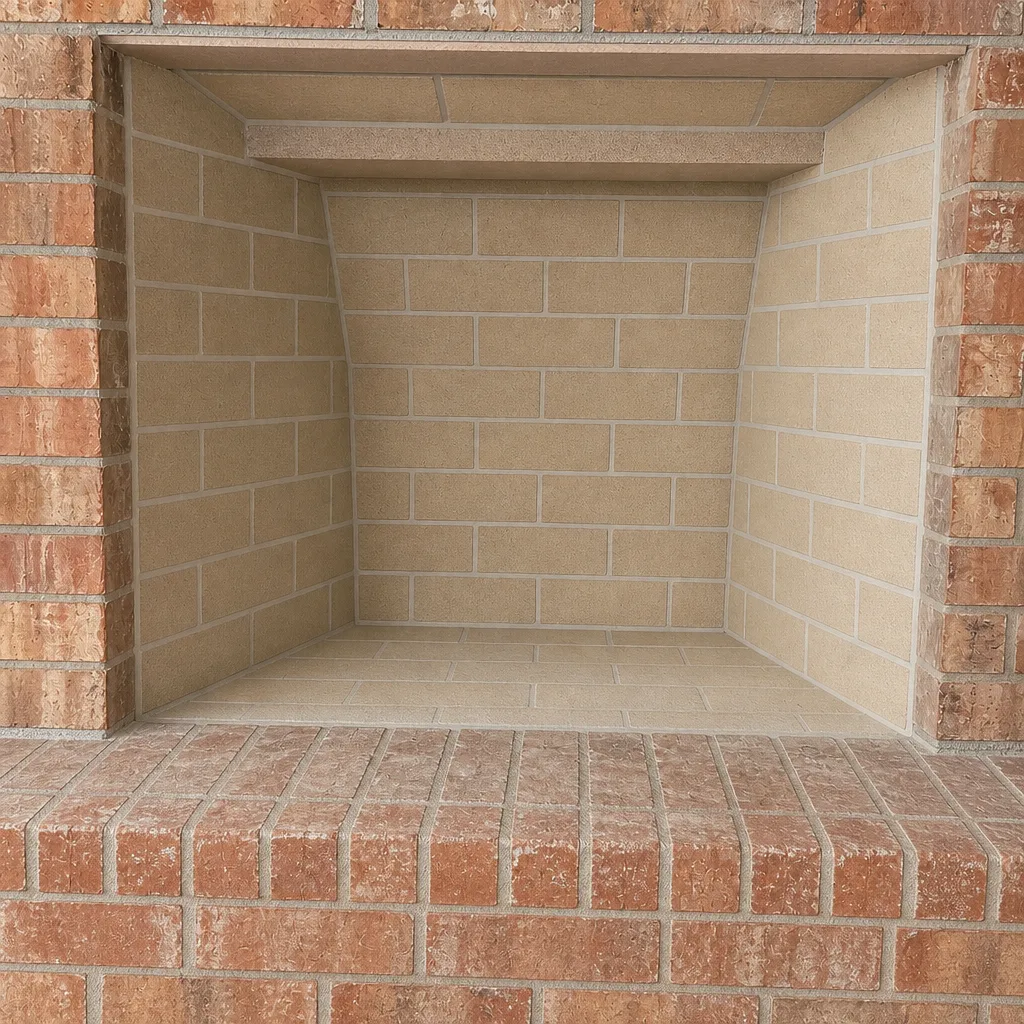
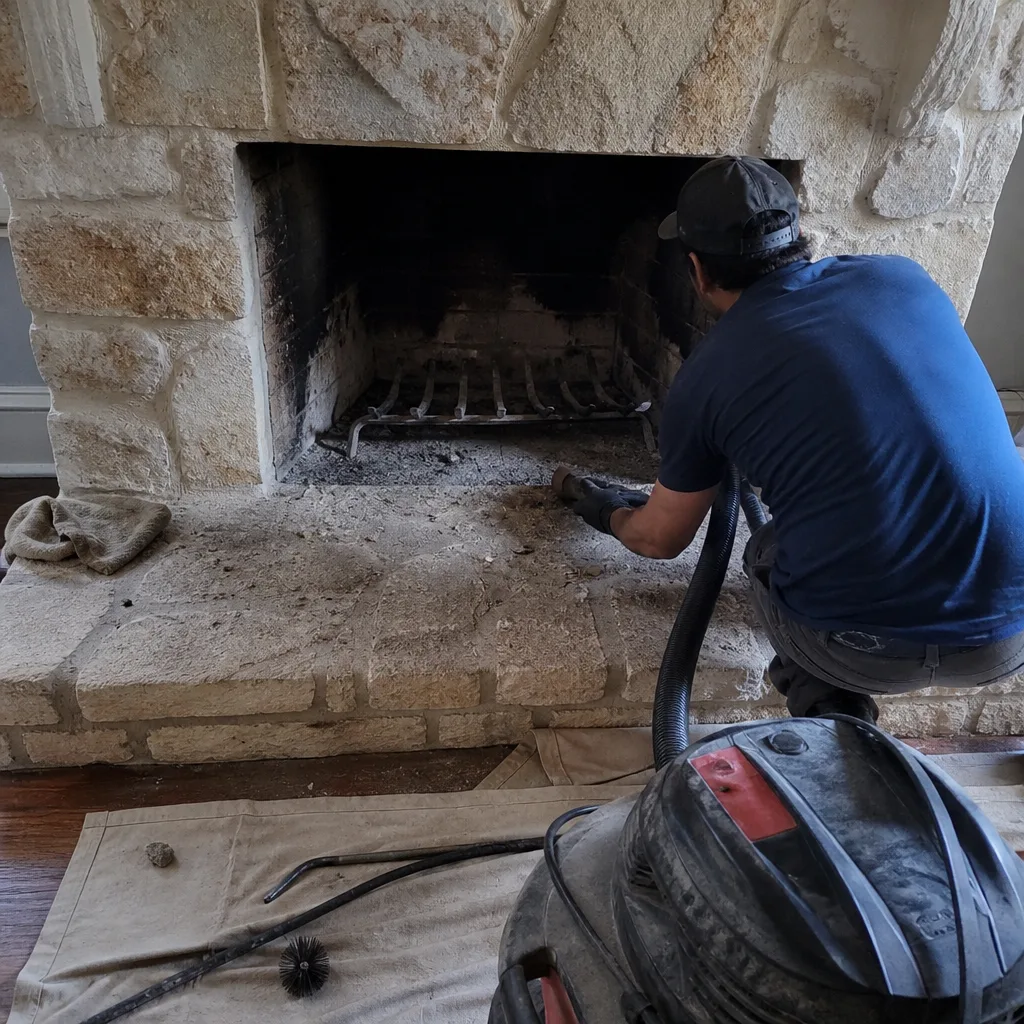
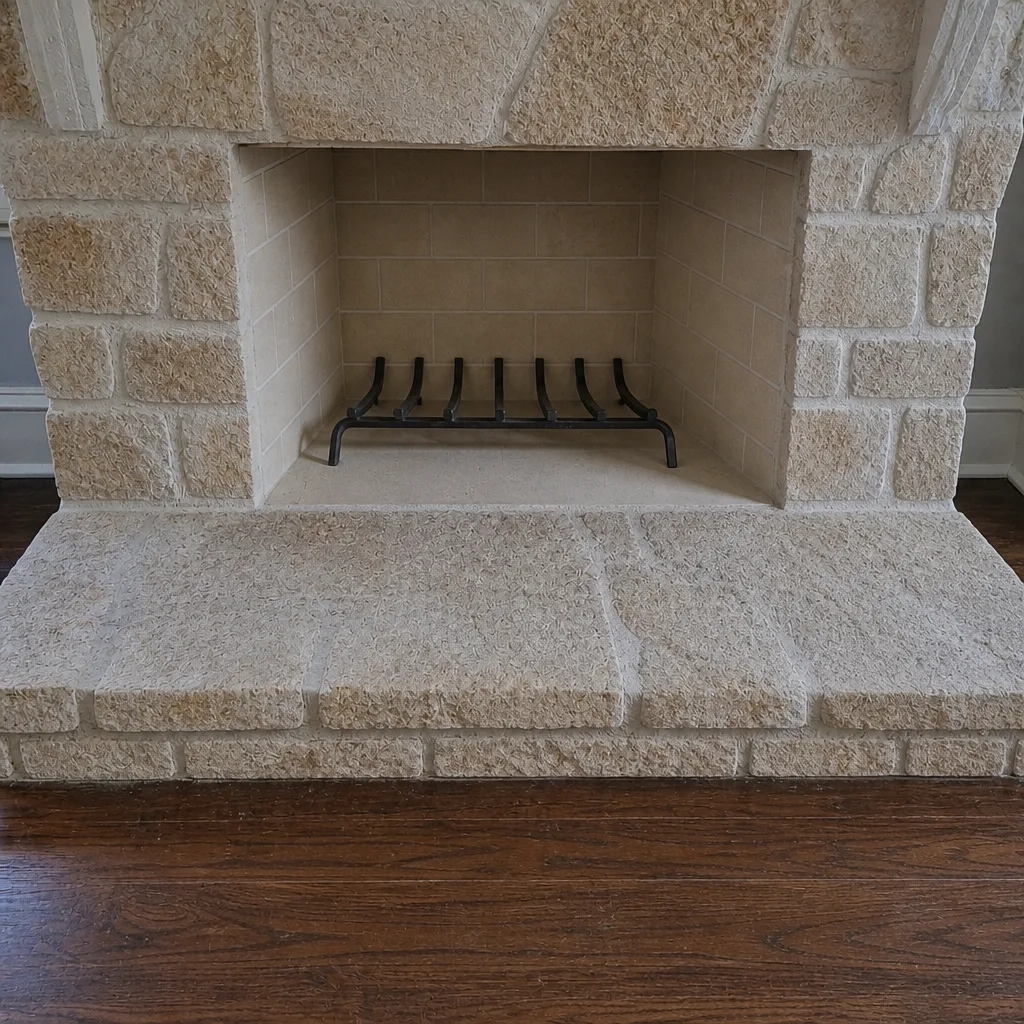
See the difference
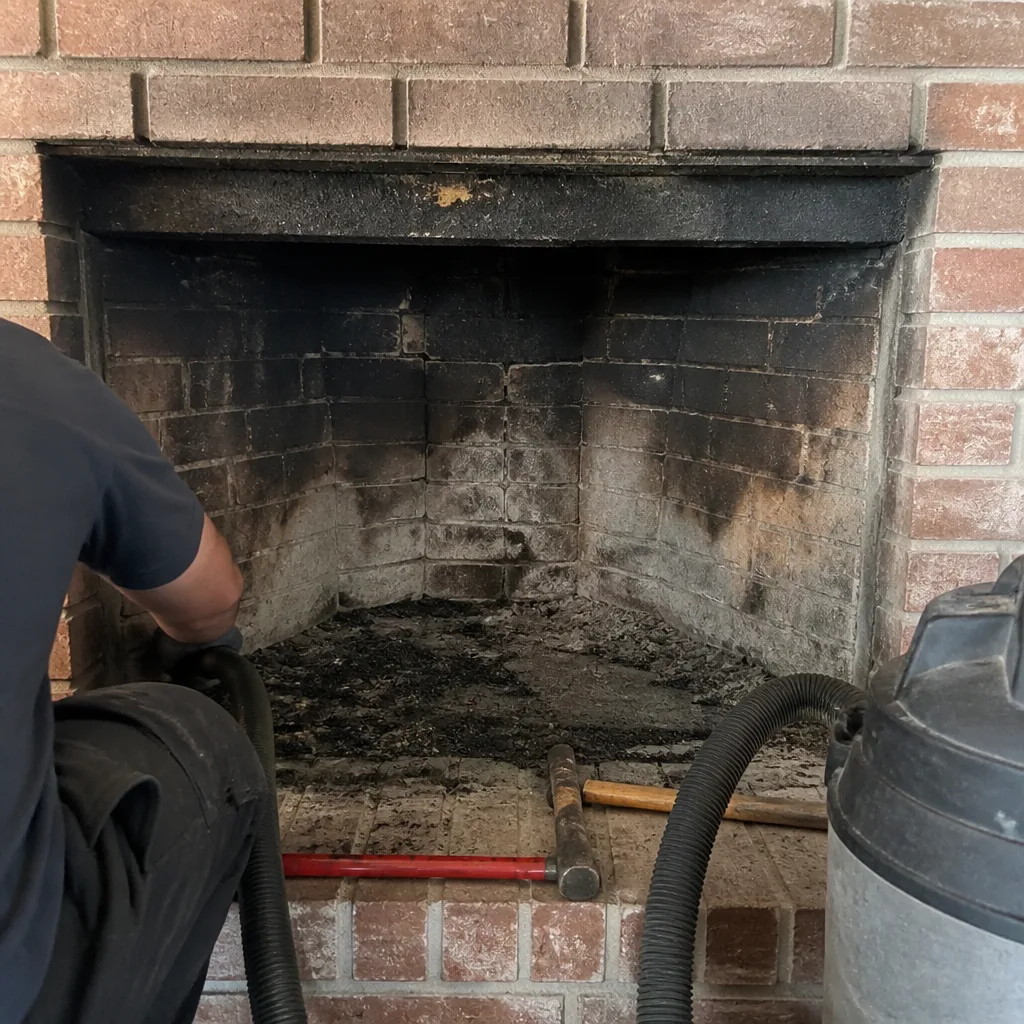 Before
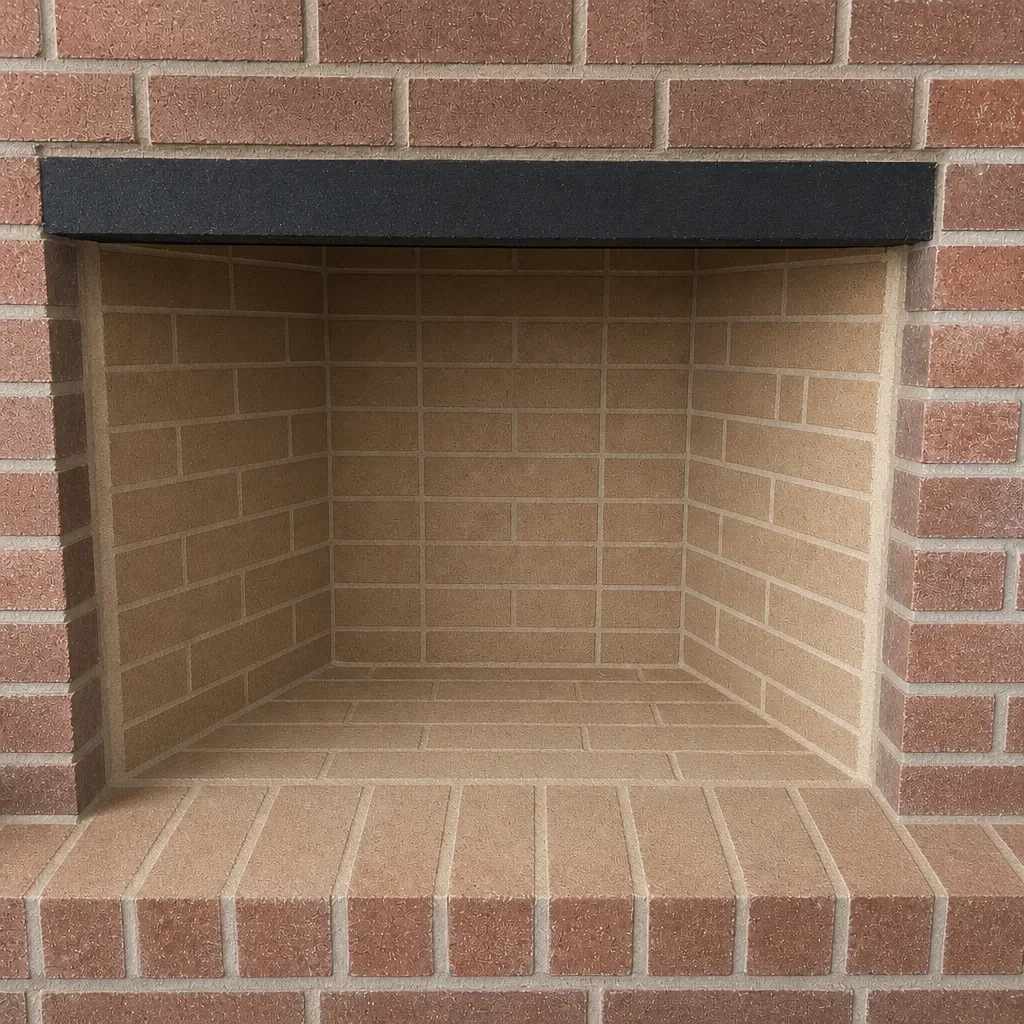 After
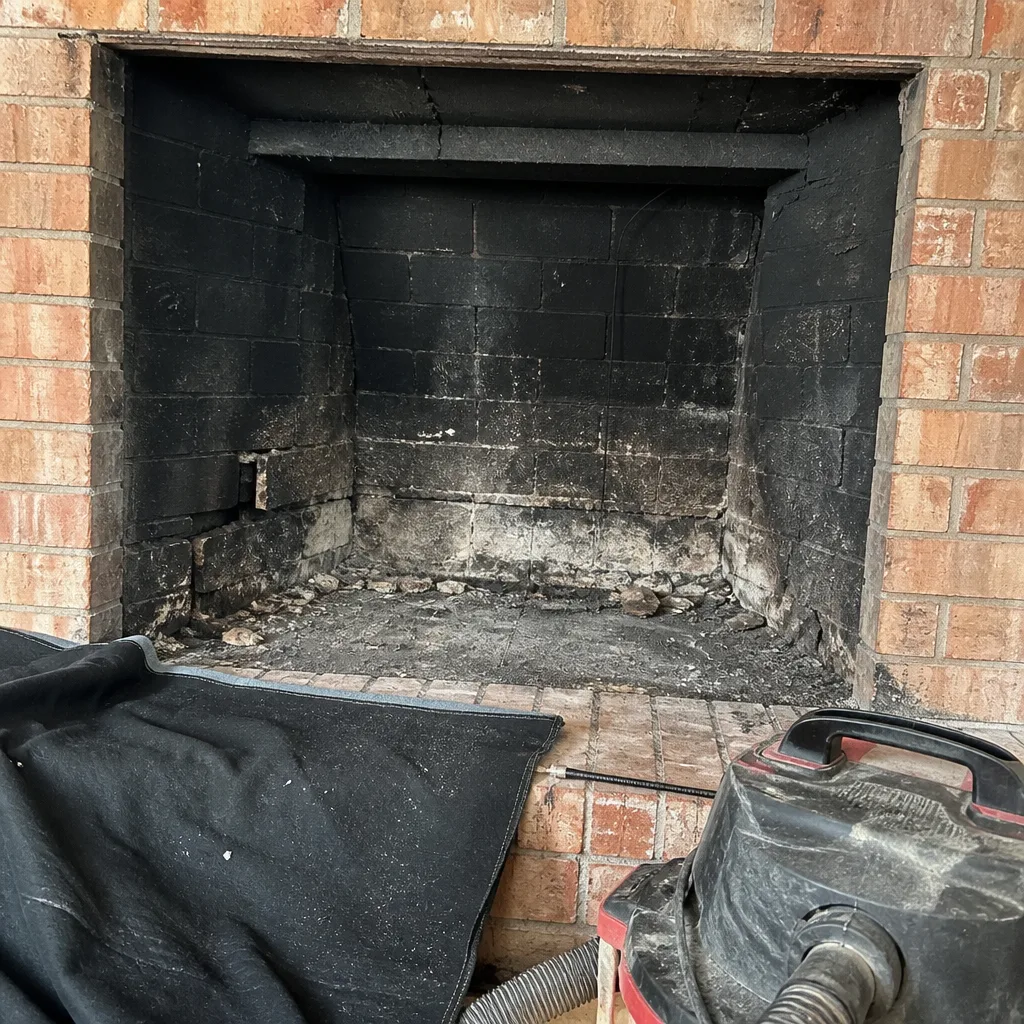 Before
 After
 Before
 After
When to Call a Professional
Call a professional when the chimney hasn’t been inspected in the last year, when you’re buying or selling a Grand Prairie home, when you smell a tar-like odor or see staining on the exterior brick, when you’ve had any chimney fire, or when the fireplace is newly installed or converted. Also call if you can’t remember the last visit – that’s usually the answer. A professional sweep and camera inspection is a small cost next to a chimney fire or a liner replacement that could have been caught early. Banner Chimney Sweep offers free estimates in Grand Prairie – call (833) 633-6933. We answer 24/7. Fast dispatch from 7am to 7pm, Sunday through Friday.
Frequently Asked Questions
It’s safe for the accessible parts – the firebox, damper, smoke shelf, and lower flue – but not for the upper flue or liner, where most serious problems live. A homeowner brush addresses light stage 1 soot. It doesn’t remove stage 2 or 3 creosote, and it can’t reveal cracks, gaps, or offsets in the flue. For a chimney that hasn’t been professionally inspected within the last year, DIY cleaning creates more risk than it removes. Call (833) 633-6933 for a professional sweep and camera inspection – the estimate is free.
Once a year for a typical wood-burning fireplace in regular use, and more often if you burn frequently or burn wood that isn’t fully seasoned. Gas inserts and pellet stoves need professional checks at least annually as well, though the cleaning interval may differ. The honest rule: don’t go into a burning season without a professional look. Call (833) 633-6933 to book a sweep and inspection before the first burn.
Yes – an oversized brush can score or crack a clay tile liner, and rough brushing against stage 3 creosote can knock it loose into offset shoulders where it sits and smolders later. The bigger risk isn’t visible damage; it’s a homeowner who believes the chimney is clean when it isn’t. Call (833) 633-6933 and let a professional camera confirm the flue is clear.
It sees the entire flue from top to bottom, including tile joint separations, stage 3 creosote, mortar joint deterioration, offset shoulders, and improper appliance connections. Those are the areas that fail silently. If you’re recommended a repair you can’t verify with the photo report, don’t accept it – get a second opinion. If you want a report you can see for yourself, call (833) 633-6933.
Not in most cases. A professional sweep in Grand Prairie typically runs $180 to $340, and a camera inspection adds roughly $100 to $250 when bundled. The first chimney fire, liner replacement, or water-damage repair from a missed defect costs far more. DIY saves the sweep fee and risks the more expensive outcomes. Call (833) 633-6933 for a written estimate – the estimate is free.
Light, occasional burning with a recently inspected chimney makes a between-visit brush reasonable. But “occasional” is the word that hides the mistake – deposits still build between burns, and a chimney left dormant all summer smells like it. The safe rule: if you haven’t had a professional inspection in the last year, book one before your next fire. Call (833) 633-6933.
The Bottom Line
The DIY vs. professional question for chimney cleaning isn’t really about skill – it’s about what you can actually see. A homeowner brush is fine for the firebox, smoke shelf, damper, and lower flue. It’s not fine for the liner, smoke chamber, or crown, and those are where creosote glazes and cracks form. Sweep the accessible parts between visits, but don’t let a clean-looking firebox be your inspection. For Grand Prairie homes, a yearly professional clean and camera inspection is the baseline. A specialist who inspects first and recommends second, using trade-grade liner and resurfacing materials like the ones from DuraFlex, Olympia Chimney, and HeatShield, is doing work that holds up. If a recommendation comes without evidence you can see, ask for the camera report. Then decide. If you want that inspection at your Grand Prairie home, Banner Chimney Sweep serves Grand Prairie with free estimates – call (833) 633-6933. We answer 24/7. Fast dispatch from 7am to 7pm, Sunday through Friday.
Written by the team at Banner Chimney Sweep.