
Last updated November 15, 2026
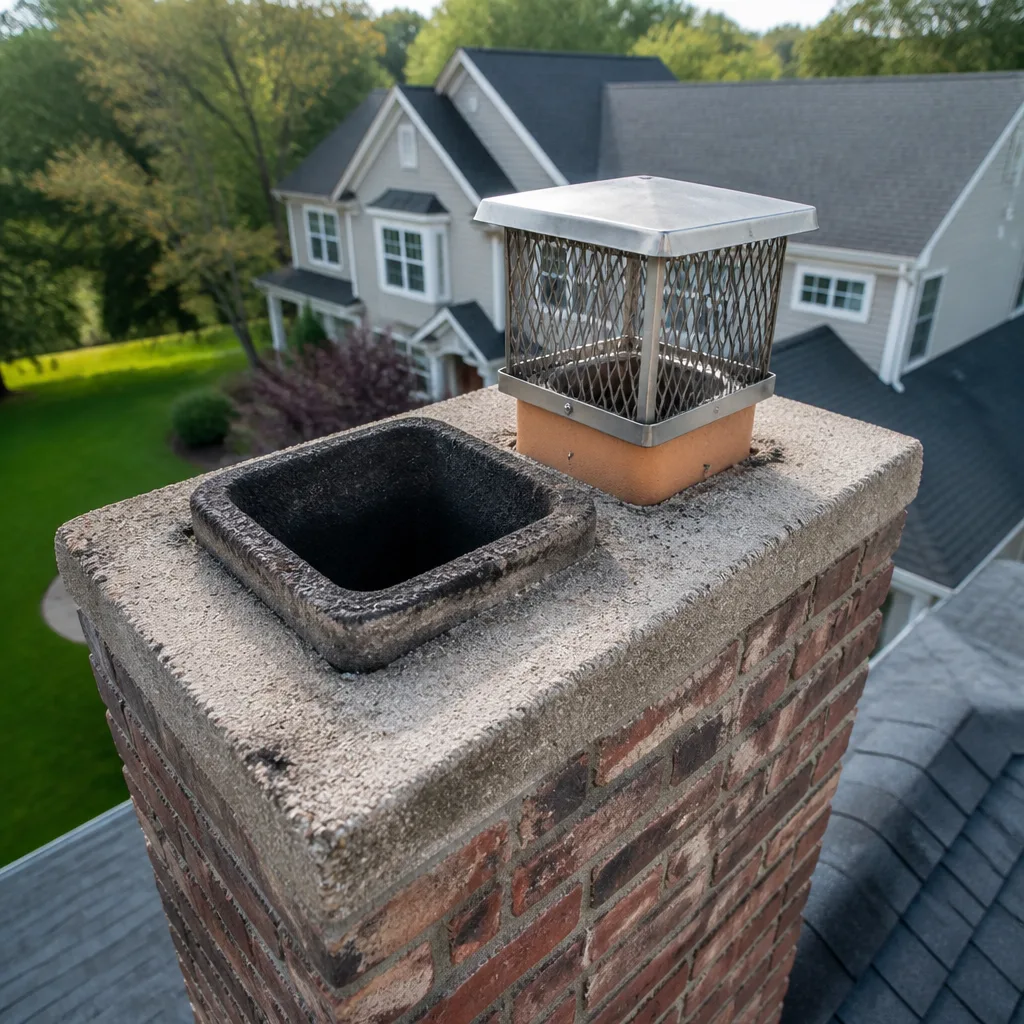 Sweep & inspection
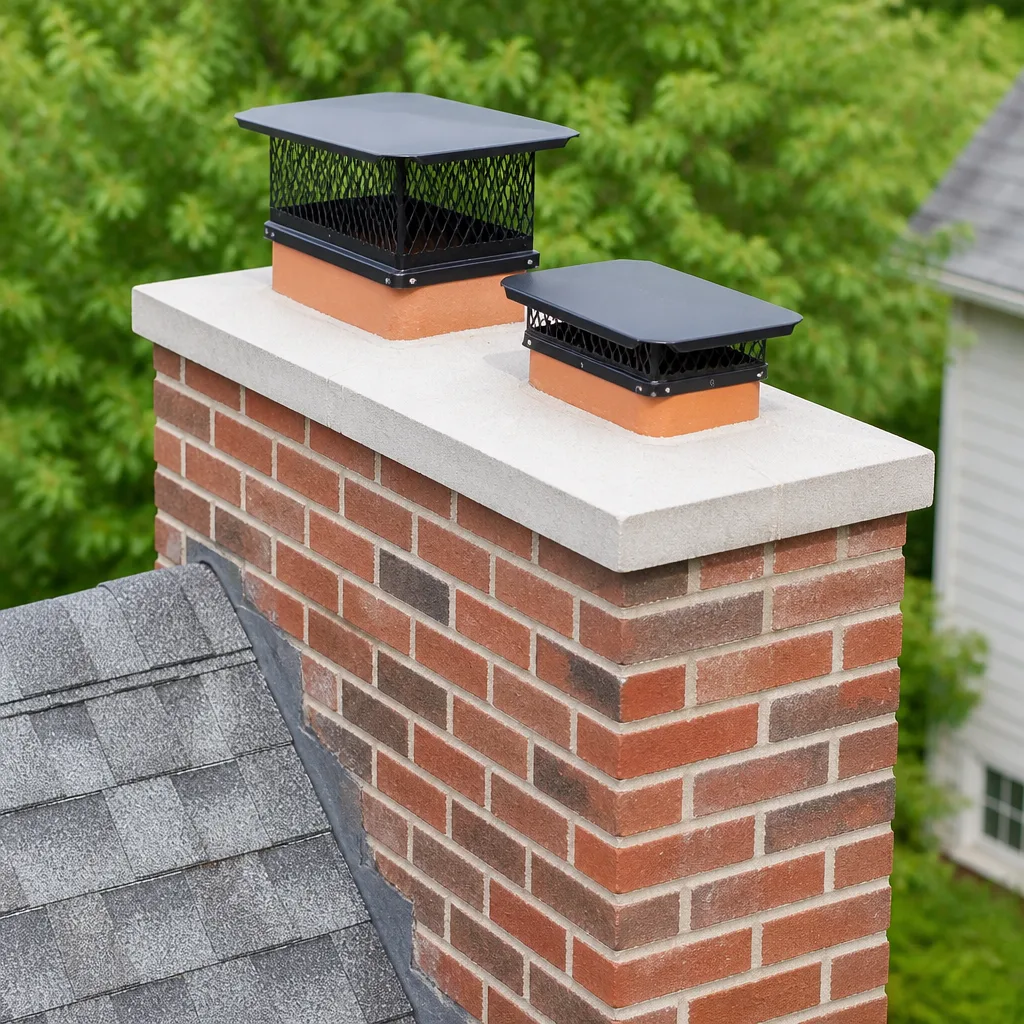 Caps & crowns
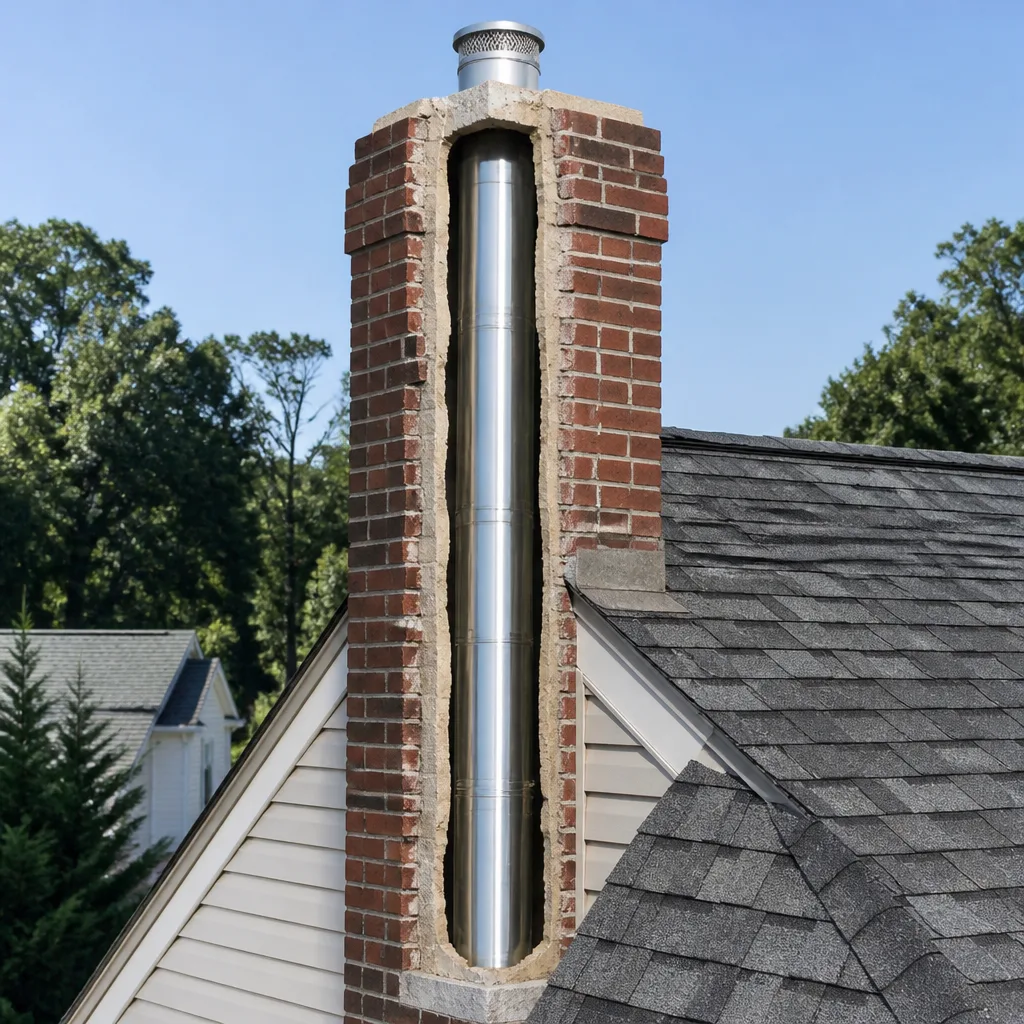 Flue relining
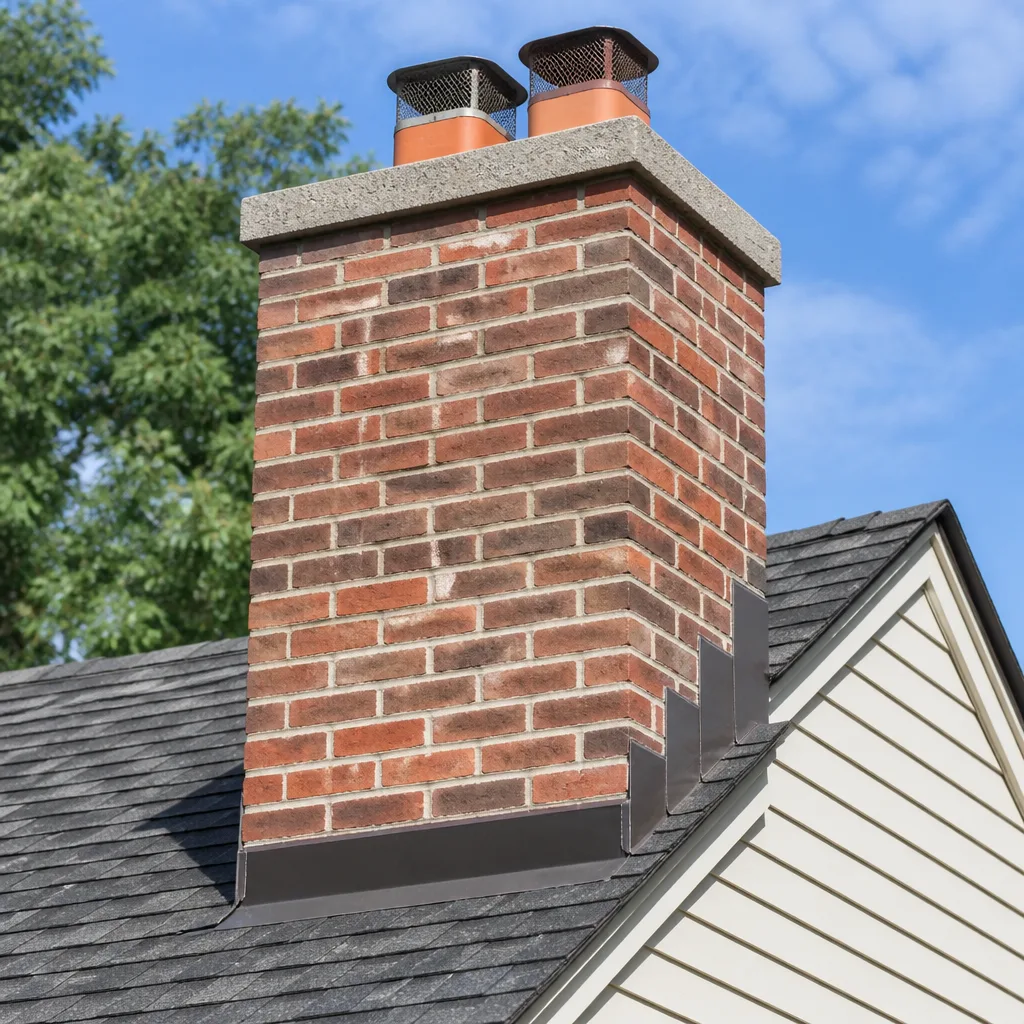 Masonry repair
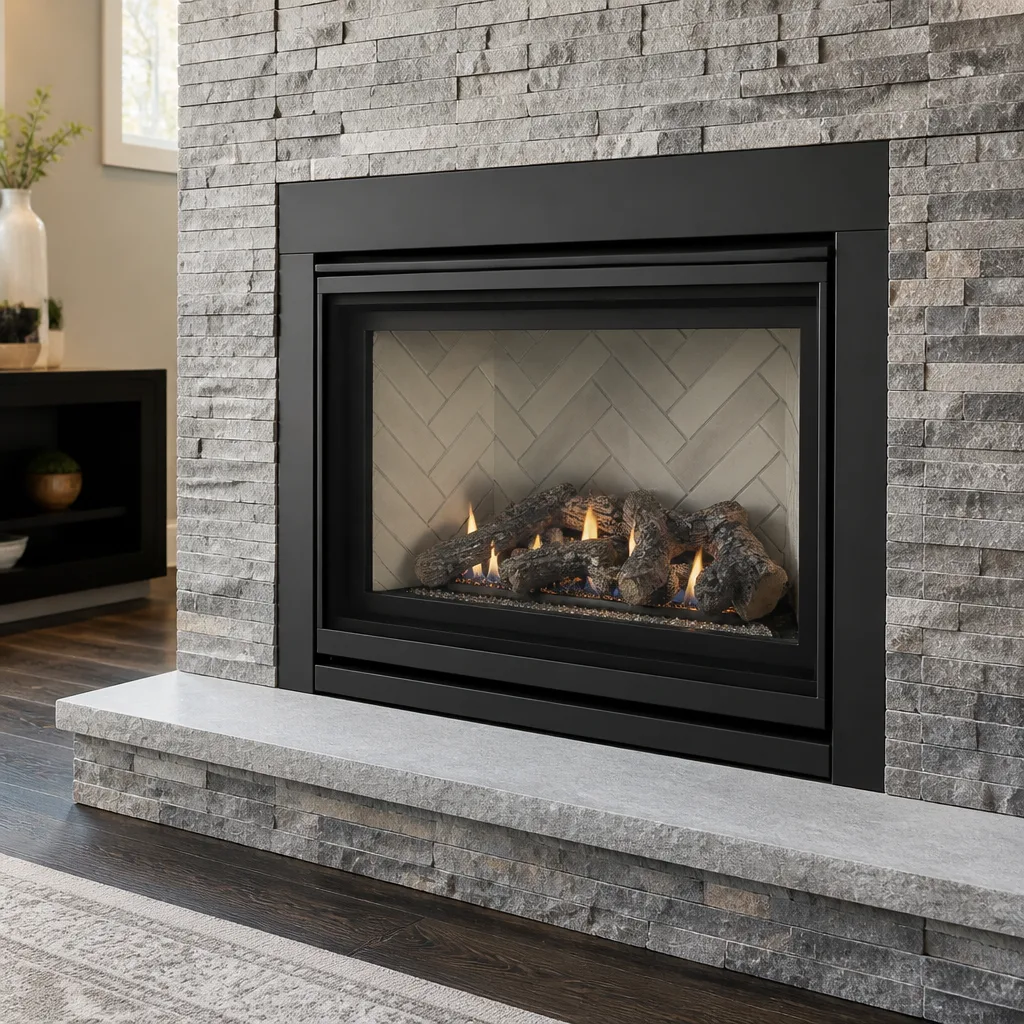 Gas fireplace service
Level 1 sweep and inspection to the NFPA 211 annual standard - flue, crown, cap, and flashing checked and photographed
Chimney sweep logs do not sweep chimneys. They loosen some creosote - which then falls where a brush and vacuum still have to collect it.
Chimney Cleaning Cost Breakdown: The Grand Prairie Homeowner’s Reference for 2026
A $79 chimney sweep and a $299 chimney sweep are rarely performing the same service. The price difference almost always shows up in how thoroughly the flue gets checked before and after the cleaning, not in the brushing itself. In Grand Prairie, we regularly talk to homeowners who collected three quotes, saw a spread of a few hundred dollars, and assumed somebody was inflating the bill. Usually that’s not what happened. The companies simply weren’t scoping the same job. This guide breaks down what a sweep costs here in 2026, what each price point should include, where add-on charges come from, and how to tell a legitimate recommendation from a sales pitch.
Quick Answer
A standard chimney sweep in Grand Prairie in 2026 typically runs $180 to $340, with most single-flue wood-burning fireplaces landing in the $200 to $260 range. That price should include a visual inspection before and after the cleaning, protection of your hearth and floor, and a written summary of what was found. Camera inspection, cap replacement, flashing repair, and crown work are separate line items and can push a job well past $500 when the chimney needs repair.
Styles & brands we work with
- Sweep & inspection
- Caps & crowns
- Flue relining
- Masonry repair
- Gas fireplace service
Table of Contents
- What does a standard chimney sweep cost in Grand Prairie in 2026?
- What should that price actually include?
- Add-on costs, line by line
- How to tell a legitimate recommendation from a pressure tactic
- Annual service agreement vs. single-visit service
- What legitimately increases the cost of a job
- Why Grand Prairie chimneys look the way they do
- Common mistakes to avoid
What does a standard chimney sweep cost in Grand Prairie in 2026?
A typical chimney sweep in Grand Prairie in 2026 costs $180 to $340 for a single flue serving a wood-burning fireplace. The $180 end is a straightforward cleaning with a visual check. The $340 end reflects a flue that’s been neglected, a firebox that needs extra scraping, or a chimney with a long run of flue that takes more time and equipment.
We point out the structural reason for the spread because it matters for comparing bids. A sweep does three distinct things: assess the flue, remove the creosote, and confirm what’s left behind. Two companies can both advertise “chimney sweep” and mean something completely different by it. One is a brushing plus a flashlight look. The other is a brushing plus a thorough visual inspection before and after, documented in a report you keep.
In the Grand Prairie market, here’s roughly how the tiers stack up:
- Basic sweep, $180 to $230: standard single-flue wood-burning fireplace, average creosote buildup, no obvious problems.
- Full sweep with documented inspection, $230 to $340: same cleaning plus a written inspection report and photos, plus checking the cap, crown, and flashing.
- Heavy or neglected cleaning, $340 and up: years of buildup, glazed creosote, or a flue that needs mechanical rotary cleaning to restore it.
One thing to keep in mind: North Texas fireplaces often sit dormant through long stretches of milder weather, and a season of disuse lets creosote harden. That’s a common reason a Grand Prairie sweep lands in the middle or upper part of the range rather than at the bottom.
What should that price actually include?
Every chimney sweep quote in Grand Prairie should cover the same core steps. If a bid leaves any of these out, the low number you were quoted isn’t really for the same job. Here’s what we consider the floor for a legitimate sweep:
- A visual inspection before cleaning. The technician looks at the firebox, damper, smoke chamber, flue, crown, cap, and flashing before touching anything. Problems found here change the scope of the cleaning.
- Floor and hearth protection. Drop cloths and a sealed vacuum connection. There’s no reason a chimney cleaning should leave soot or dust in your living room.
- The actual cleaning. Brush and rod work matched to the flue material, or rotary cleaning when buildup calls for it.
- Debris removal. Everything that comes out of the flue leaves the house in a sealed container. It doesn’t get left in the firebox.
- A post-cleaning check. The technician confirms the flue is clear and the damper operates freely, and reports what the sweep revealed.
- A written summary. What was cleaned, what was found, and whether anything needs attention. Even if it’s a one-page note, you should walk away with something.
When you compare quotes, ask the person on the phone to describe what’s included. The chimney sweep we perform in Grand Prairie follows these steps on every call, and that’s the standard we’d suggest holding any quote to. If the answer is vague, the price doesn’t mean much yet.
Add-on costs, line by line
Most of the price range between the cheapest and most expensive chimney quotes in Grand Prairie isn’t the sweep; it’s which add-ons got recommended and how those were priced. Here’s the typical itemized breakdown for a Grand Prairie job in 2026:
| Item | Typical range | When it’s needed |
|---|---|---|
| Standard sweep | $180 to $340 | Every job, every season |
| Camera inspection of flue | $120 to $250 | First-time inspection, or after a sweep reveals suspicious zones |
| Chimney cap replacement | $180 to $450 | Missing, damaged, or improperly sized cap |
| Flashing repair | $250 to $550 | Rusted or separated flashing at the roofline |
| Crown repair | $350 to $900 | Cracked or settling crown that lets water into masonry |
| Masonry waterproofing | $250 to $600 | Porous brick or mortar joints pulling in water |
| Liner resurfacing (HeatShield) | $1,200 to $2,800 | Flue deterioration short of full replacement |
| Liner replacement (DuraFlex) | $2,500 to $5,500 | Cracked or missing liner, unsafe for use |
Those ranges reflect the Grand Prairie market in 2026. Your exact price depends on the chimney and the scope, and the written estimate is what sets the final number. A few notes on why any of these get recommended:
- Camera inspection is the most important line item on that list. A visual inspection catches what the tech can see with eyes and light; a camera goes into the flue and shows the inside of the liner, mortar joints, and any offset or damage that can’t be reached visually. When it’s the first time a Grand Prairie chimney has been looked at, we recommend it. It’s the only way to actually know the condition of the flue.
- Cap replacement comes up constantly here because caps that get pushed aside by wind or damaged by hail let water and animals into the flue. A proper cap is one of the cheapest ways to avoid a big repair later.
- Flashing repair is about the roofline where the chimney meets shingles. When flashing pulls away, water gets in and can cause hidden damage on the inside of the chimney chase.
- Crown repair matters because the crown is the concrete cap at the very top that sheds water away from the masonry. Once it cracks, water enters the brick and mortar and the chimney quietly deteriorates from the inside.
- Waterproofing is a porous-masonry treatment that keeps water out of brick and mortar. In North Texas, with our summer heat and sudden heavy rains, clay brick takes a beating.
- Liner resurfacing or replacement is the biggest line item and the one where inspection evidence matters most. We install HeatShield ceramic resurfacing for damaged flues that don’t need full replacement, and DuraFlex liner systems for flues that do. Both are professional-grade products, not improvised hardware-store fixes.
How to tell a legitimate recommendation from a pressure tactic
We hear variants of this all the time: a homeowner gets a low sweep quote, a technician arrives, and suddenly the job is $1,800. Sometimes that’s a legitimate finding. Often it’s a sales script. The difference is evidence. Any recommendation that adds meaningful cost should come with something you can see, not just a claim you’re asked to trust.
Here’s how to weigh it in the moment:
- Ask for a photo of the problem. A legitimate technician can show you the crack, the damaged crown, the deteriorated flue joint on a phone screen. If the answer is “you wouldn’t understand the photo” or “the camera’s broken,” ask them to wait on the recommendation until they can show it.
- Ask how urgent it is. Some findings genuinely need attention before the next fire. Others can safely wait a season. A professional tells you the difference. Nobody should be telling you the chimney is about to fail tonight if you already had it swept last month.
- Ask for a written scope. Not a number scribbled on a business card. A written estimate that says what will be done, with what materials, and why. We set our prices per job by written estimate for exactly this reason.
- Push back on “today only” pricing. There is no reason a legitimate chimney repair in Grand Prairie needs to be authorized in ten minutes. A real recommendation will hold up tomorrow.
- Watch for scope creep without inspection. If a technician recommends a new liner but did not run a camera down the flue and did not show you what the camera saw, that recommendation isn’t ready yet. An inspection comes first.
- Compare to the original quote. If the initial phone quote and the final scope match, you’re likely working with a straight operation. If the scope tripled without a camera inspection and photos, that’s a red flag.
None of that means every upsell is fake. Cracked crowns and deteriorated flashing are real and common in Grand Prairie, and quieting a real problem with a real repair is the whole point of having a sweep. The point is that the recommendation should be earned by evidence, not by tone.
Annual service agreement vs. single-visit service
Grand Prairie homeowners who use their fireplace regularly usually do better with a scheduled annual visit than with reactive cleaning. The math favors it because reactive visits are almost always scoped larger. A year of no sweep lets a thin layer of creosote become a heavy one, and a chimney that was fine in October can need real repair by the time it gets looked at in the spring.
Here’s how the two approaches compare over time:
- Single-visit, reactive service: you call when you notice a problem (drafting oddly, a smoky fire, an animal in the flue, or just a hunch it’s been a while). Cost is the sweep plus whatever problems the sweep uncovers, often including repairs that a routine schedule would have caught earlier and cheaper.
- Scheduled annual visit: a sweep plus visual inspection every year, and a camera check when the first year or any change warrants it. Cost is predictable, problems get caught small, and you can plan for repairs a season ahead instead of triaging them.
We don’t present a maintenance plan as a bundled discount or a service contract, because our pricing is set per job. What we do recommend is simply booking the sweep on a schedule. For Grand Prairie families who burn regularly in winter, once a year is the sensible cadence. If your fireplace is a decorative fixture that sees a fire a few times per season, every other year can be fine, provided the visual inspection agrees. What we would avoid is a reactive-only model where the only time anyone looks at the flue is when there’s already a problem.
For anything beyond a sweep, work with a specialist who handles the whole chimney rather than a handyman who’ll do the cleaning and leave you to find someone for the repair. Our chimney repair work runs on the same inspection-first approach as the sweep, so the two don’t need to be coordinated between contractors.
What legitimately increases the cost of a job
Not every job lands in the middle of the price range. Several factors raise the cost of a legitimate chimney cleaning in Grand Prairie, and knowing them helps you understand why one quote is higher than another.
- Multi-story homes. A two-story chimney means more flue to clean, a longer brush run, and a ladder setup at a higher roofline. Both add time and equipment.
- Gas log systems. Gas-burning inserts and log sets don’t produce the same creosote as wood, but the flue still needs attention, and the firebox has to be handled carefully because the gas line and burner assembly are in the way. That’s a different cleaning approach.
- Damaged crowns. A cracked or settling crown means the sweep has to work around masonry that could shed material into the flue. It also usually means the crown repair has to join the job, which shifts the total significantly.
- Liner condition. If the flue liner is cracked, missing, or has never been inspected, the sweep has to be paired with a camera inspection and likely a liner recommendation. That’s not padding, it’s the reason the flue needs attention in the first place.
- Heavy creosote. A flue with glazed or heavily accumulated creosote takes rotary cleaning and more time than a brush-and-go sweep. Proper removal is the difference between a safe chimney and one that shouldn’t be used.
- Long-neglected chimneys. A chimney that hasn’t been touched in a decade or more can hide deterioration the sweep simply hasn’t found yet, and the repair scope that follows is where the honest cost lies.
Every one of those factors is something a competent tech can see and explain. If a quote is higher than you expected, ask which of them applies. If the answer is clear, you’re being scoped properly.
Why Grand Prairie chimneys look the way they do
A few local realities shape what we see in Grand Prairie chimneys. First, the housing stock: many homes across the city are 20 to 40 years old, which means they’ve seen roughly two decades of weather and use without a full liner inspection in some cases. Brick and mortar age quietly. Crowns crack. Flashings pull away from a roof that’s been recoated or replaced. None of that is unique to any single neighborhood, but it’s the reason we don’t assume a pre-2000s chimney is safe without looking at it.
Second, the local weather pattern: North Texas summers get brutally hot and the rains, when they come, come hard. That cycle stresses masonry and drives water into porous brick. Chimney caps and crowns on Grand Prairie roofs are the first line of defense against that water, and they’re also the parts that fail first. Waterproofing porous brick in the fall is, in our experience, one of the better-returning items in any chimney budget here.
Third, the season pattern: most Grand Prairie families don’t burn consistently from October through March. Western and eastern parts of the city alike see fires on cold snaps rather than through the whole season, and that on-and-off pattern produces a particular kind of creosote buildup. It’s not always heavy, but it’s frequently uneven. A visual inspection that assumes uniform buildup can miss trouble at the top of the flue. That’s part of why we push for a camera inspection on any Grand Prairie chimney that hasn’t been looked at in a while.
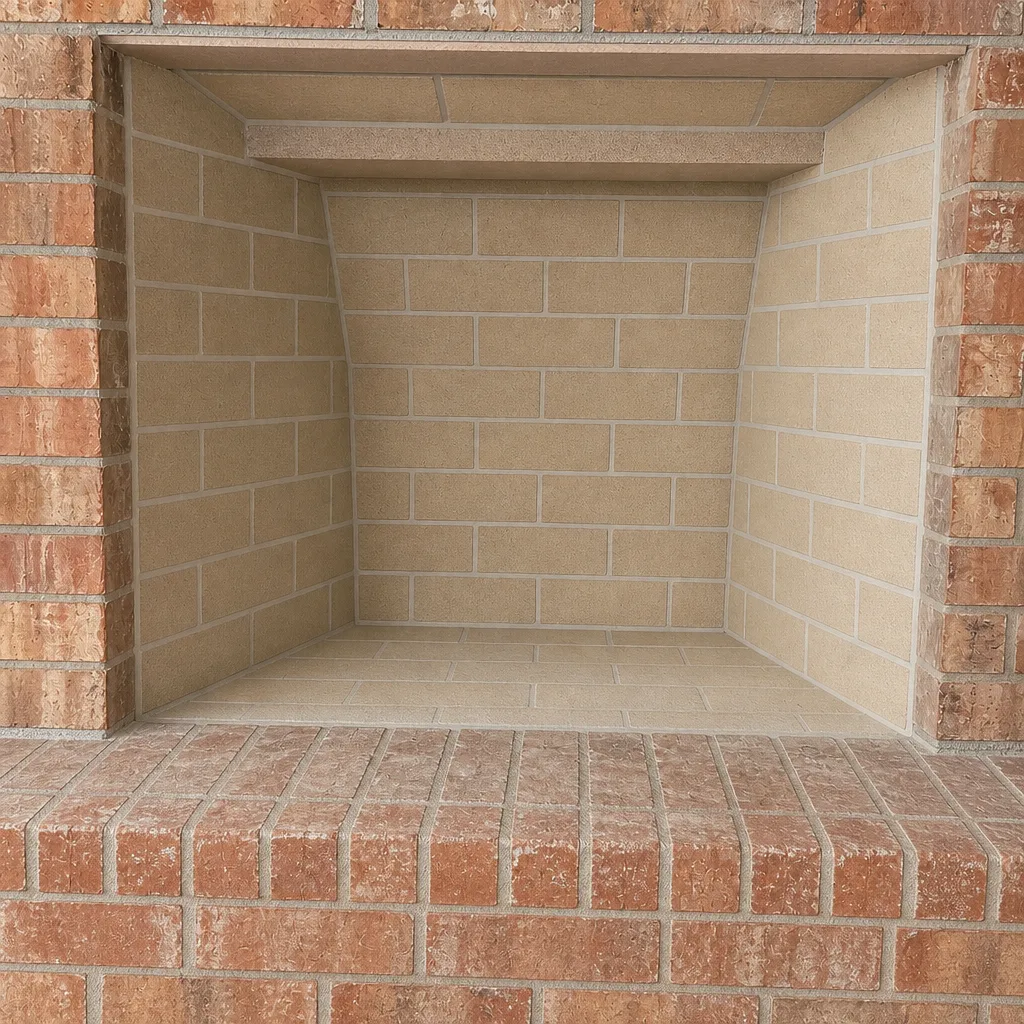
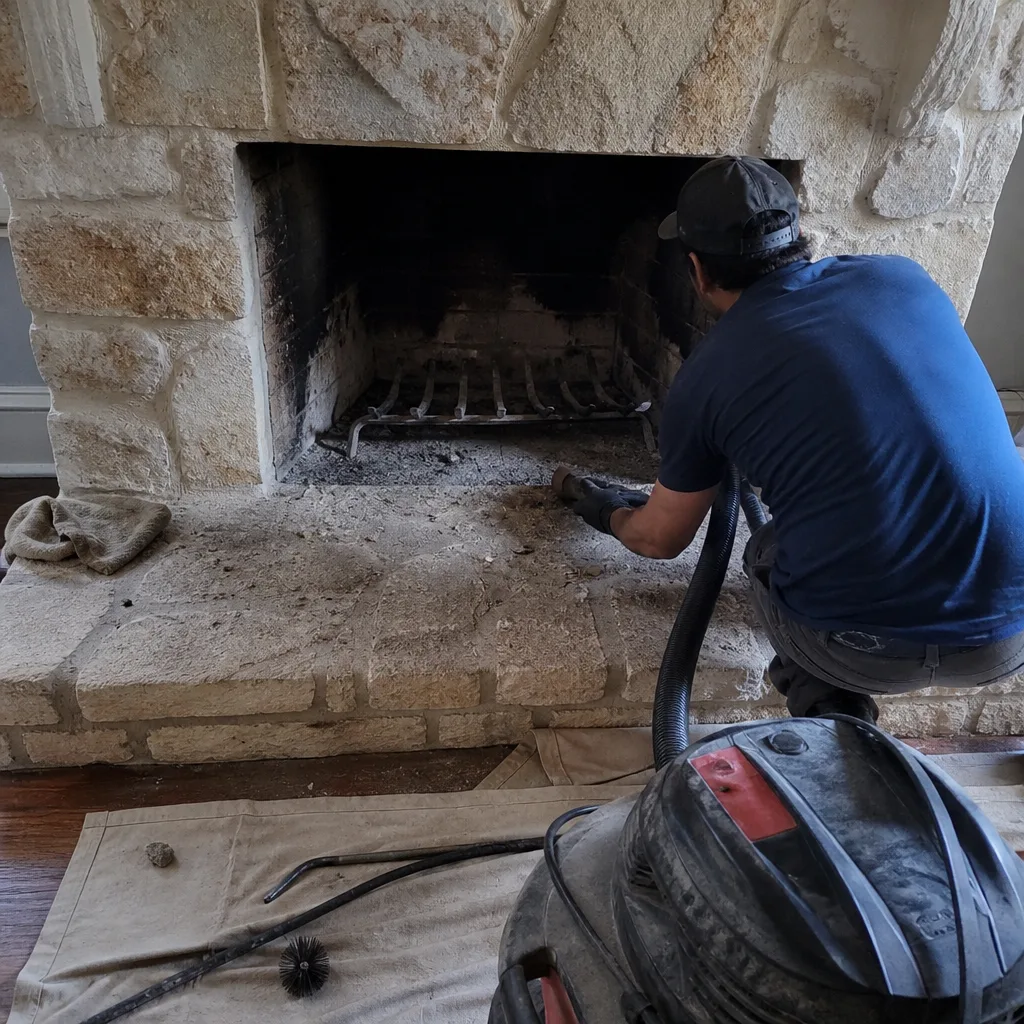
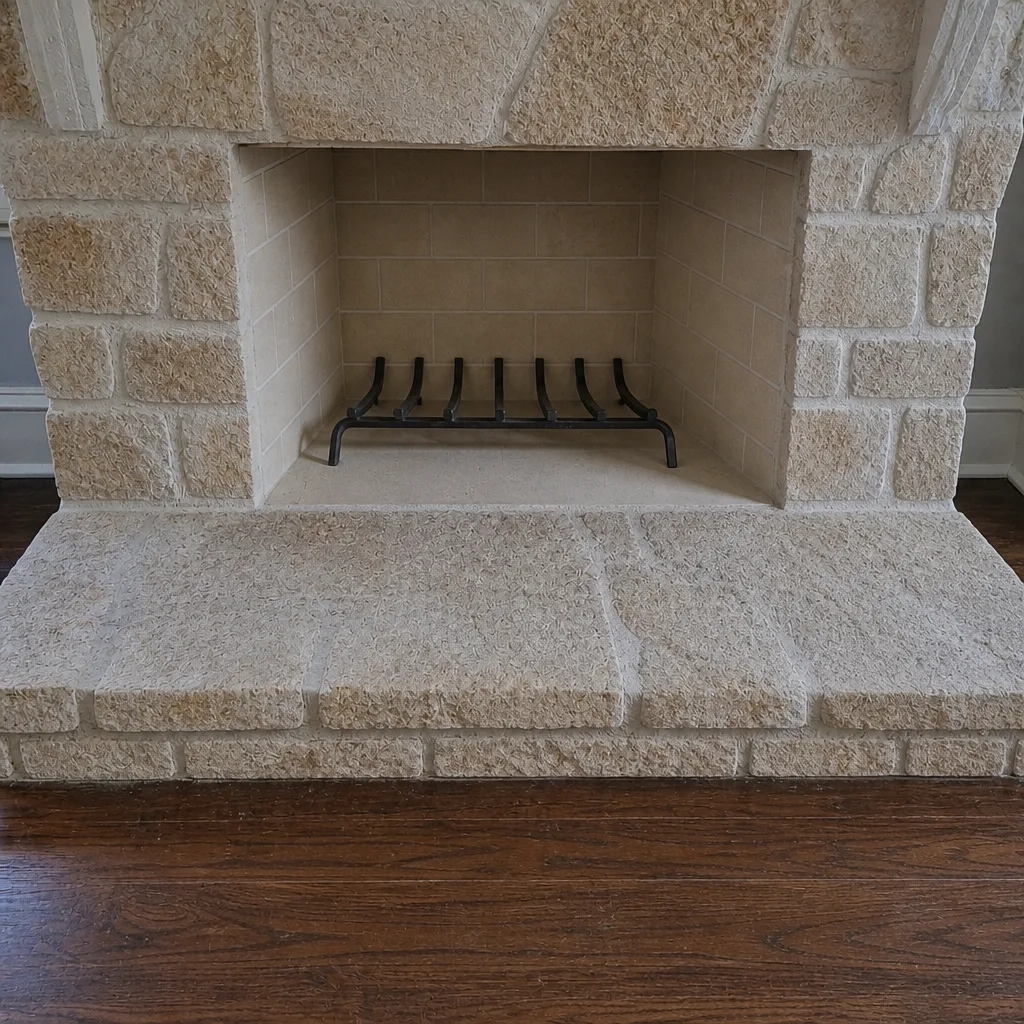
See the difference
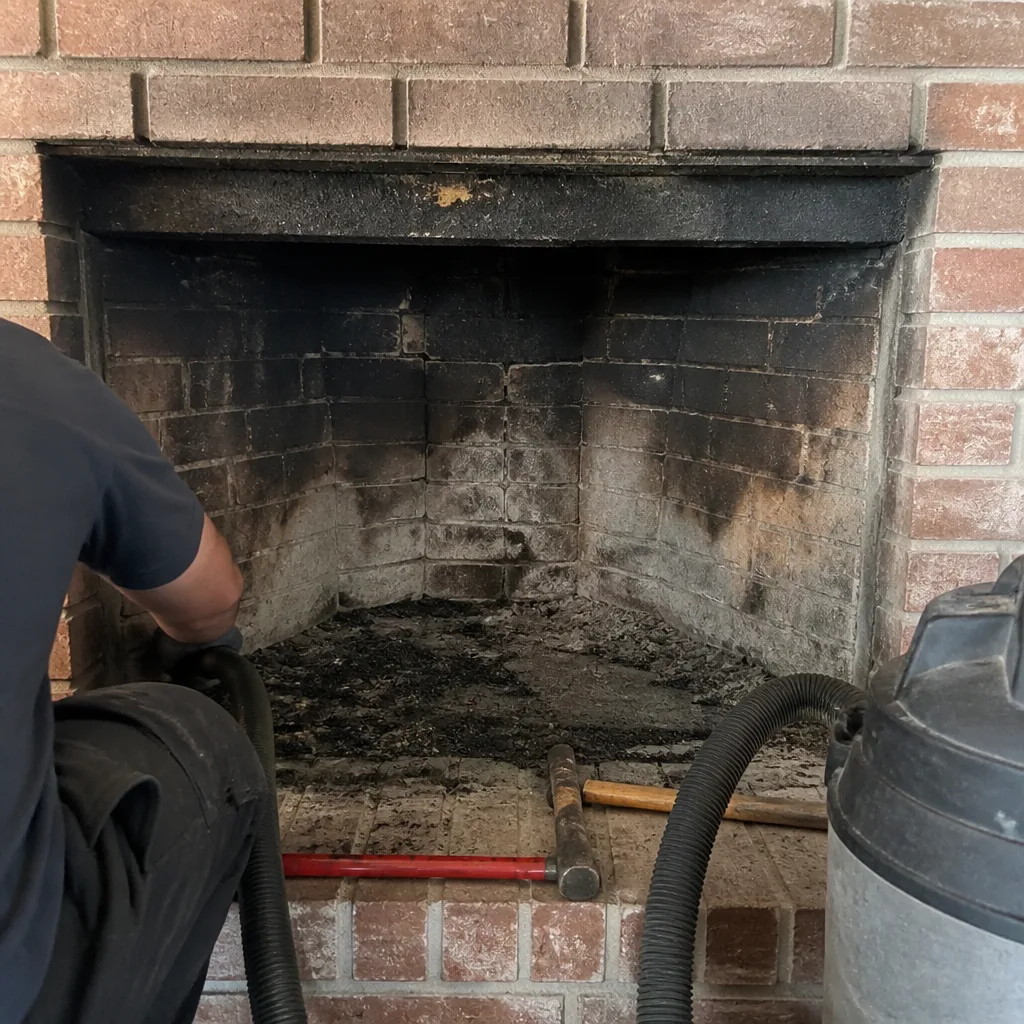 Before
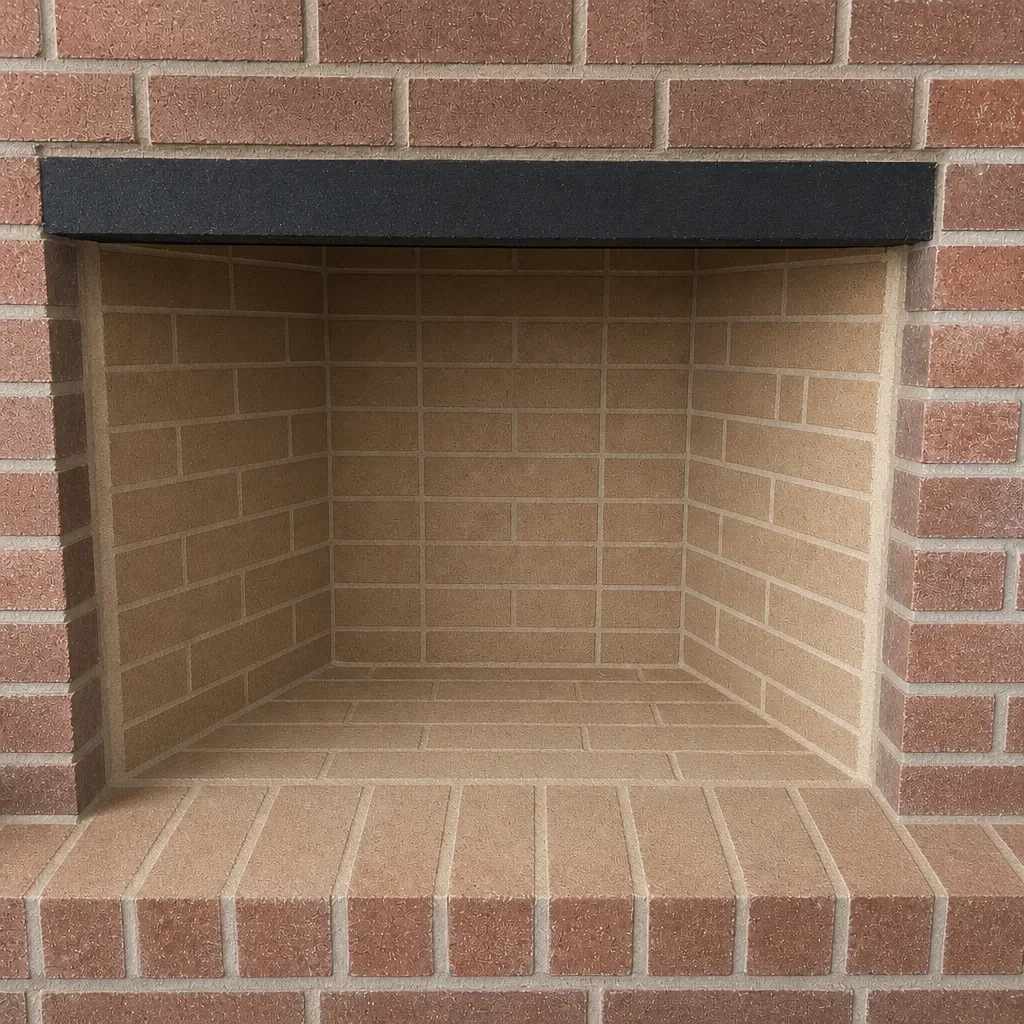 After
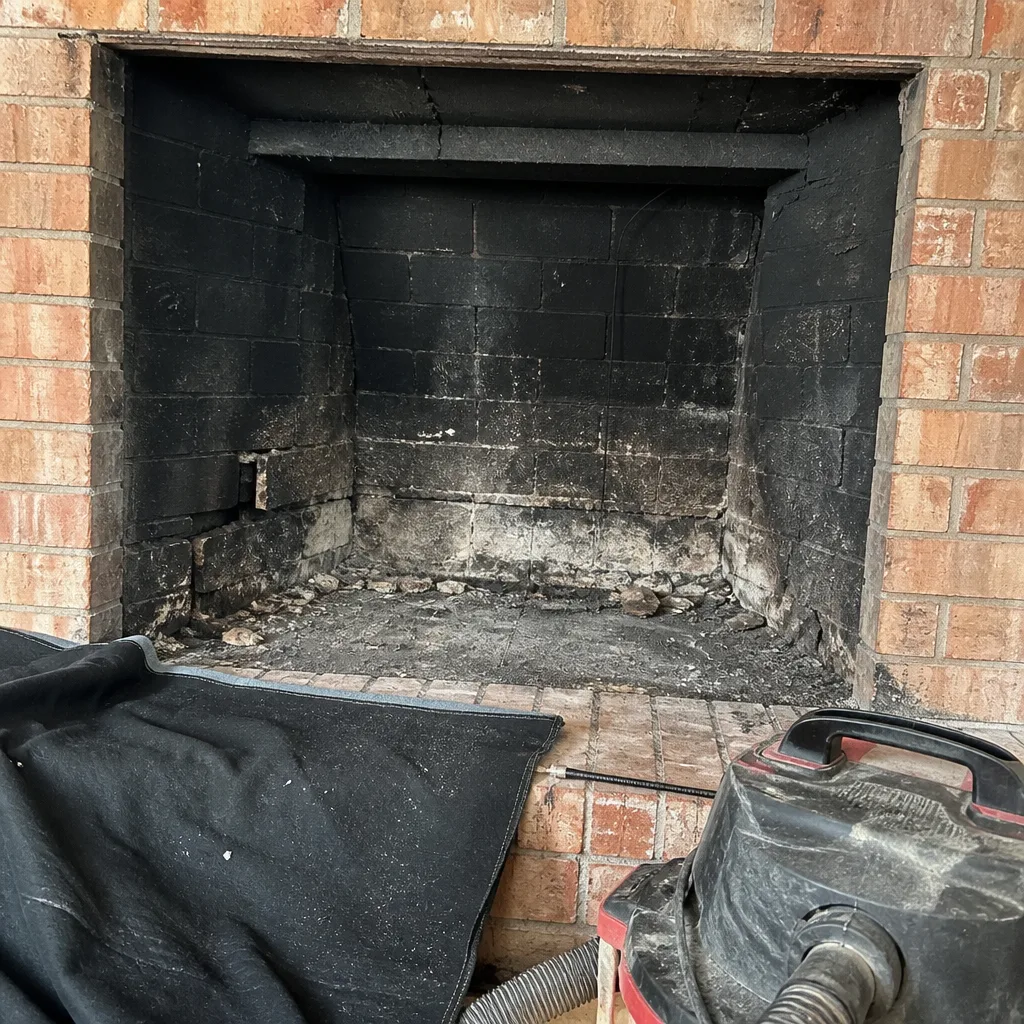 Before
 After
 Before
 After
Common Mistakes to Avoid
- Choosing the cheapest quote without comparing what’s included. A $79 chimney sweep is usually a brushing with a flashlight look, not the inspection-first cleaning a Grand Prairie home actually needs. The price isn’t wrong; it just isn’t the same job.
- Skipping the camera inspection on a first-time visit. If the flue has never been looked at with a camera, a visual inspection alone can miss liner damage that only shows on video. Pay for the camera the first time; skip it if the flue is already documented and stable.
- Letting a technician recommend a liner or crown repair without seeing the evidence. Any recommendation that adds hundreds or thousands of dollars should be backed by a photo or video you’ve seen yourself. If not, ask them to document it before authorizing work.
- Cleaning the chimney once and assuming it’s fine forever. A sweep clean is not a chimney that’s safe indefinitely. Grand Prairie’s mixed burn patterns mean creosote builds unevenly, and an annual visual check catches drift before it becomes damage.
- Ignoring the cap and crown because the flue “feels fine.” Water damage to masonry starts at the top and works down silently. Caps and crowns are the cheap line items; the masonry repair they prevent is the expensive one.
- Booking a sweep for a chimney you know has liner damage. Cleaning a chimney with a cracked liner without addressing the liner is a job that shouldn’t be done. Get the inspection first, then the repair, then the sweep.
- Treating a chimney sweep as a handyman add-on. A chimney is a venting system with code requirements. It deserves a specialist who works on flues and masonry, not someone who’ll “get to it” between other jobs.
When to Call a Professional
Call a chimney professional in Grand Prairie when you’re using the fireplace for the first time after a long break, when you notice a smoky fire that didn’t use to be smoky, or when you can smell creosote in your living room after a burn. Those signs point to restricted draft, which is either a cleaning problem or an obstruction, and both need eyes and often a camera. Call after any chimney fire, even a small one, and after any roof or gutter work that involved working near the flue. If your home is older and the chimney has never had a camera inspection, that’s the call. If you’ve moved into a Grand Prairie house and don’t know when the last sweep happened, that’s the call too. Banner Chimney Sweep offers free estimates in Grand Prairie. Call (833) 633-6933. We answer 24/7. Fast dispatch from 7am to 7pm, Sunday through Friday.
Frequently Asked Questions
A standard chimney sweep in Grand Prairie costs $180 to $340 in 2026, with most single-flue wood-burning fireplaces landing between $200 and $260. Add-ons like camera inspection, cap replacement, and flashing repair are separate line items. Call (833) 633-6933 for an exact quote; estimates are free.
On a first-time visit or after a long gap, a camera inspection is worth paying for, because it shows what a visual inspection can’t. On a flue that’s been inspected before and shows no issues, the camera is often unnecessary. If a change in draft or a suspicious visual finding shows up, that’s reason to run it. Call (833) 633-6933 to talk through whether your Grand Prairie chimney needs one before you book.
Once a year for families who use their fireplace regularly through the winter, and every other year for fireplaces that see occasional fires, provided the visual inspection agrees. A visual check each season is the floor; a camera check depends on what the visual finds. Call (833) 633-6933 for a free estimate and we’ll help you set a cadence.
Creosote accumulates, draft gets restricted, and small problems (a cracked crown, a loosened cap, a failing liner) grow without anyone watching. The cost of skipping shows up as a larger repair scope later, not as a sudden hazard on day one. Call (833) 633-6933 for a free estimate before the next season starts.
For households that burn regularly, yes; a scheduled annual sweep keeps the job small and the price predictable, because the earlier problems get caught, the cheaper they are to address. For occasional-use fireplaces, a per-visit model every other year works. We price per job by written estimate, so there’s no bundled contract, just a schedule that makes sense for the chimney. Call (833) 633-6933 to set one up.
Almost always because the scopes differ, not because one company is undercutting the other. A lower quote usually means less inspection, no written report, and no camera even when one is warranted. Ask each company to describe exactly what’s included, then compare like to like. Call (833) 633-6933 for a free estimate from a Banner Chimney Sweep team that scopes the job properly before pricing it.
The Bottom Line
Chimney cleaning in Grand Prairie in 2026 runs $180 to $340 for a standard sweep, and anything beyond that is add-ons driven by what the inspection finds. The line items that widen the gap between quotes are camera inspection, cap and flashing work, crown repair, waterproofing, and liner work; each one is legitimate when it’s backed by evidence, and each one is suspect when it isn’t. Use the itemized breakdown in this guide to compare quotes like-for-like, insist on evidence for any upsell, and schedule the sweep instead of waiting for a problem. Inspection first, recommendation second, and a written estimate before any work begins.
If you’re ready to see what the sweep actually reveals before deciding on anything else, call Banner Chimney Sweep at (833) 633-6933 for a free estimate in Grand Prairie. We answer 24/7. Fast dispatch from 7am to 7pm, Sunday through Friday. Our technicians have up to experience, and every job starts with an inspection you can see for yourself before a single recommendation gets made.
Written by the team at Banner Chimney Sweep.