
Last updated November 15, 2026
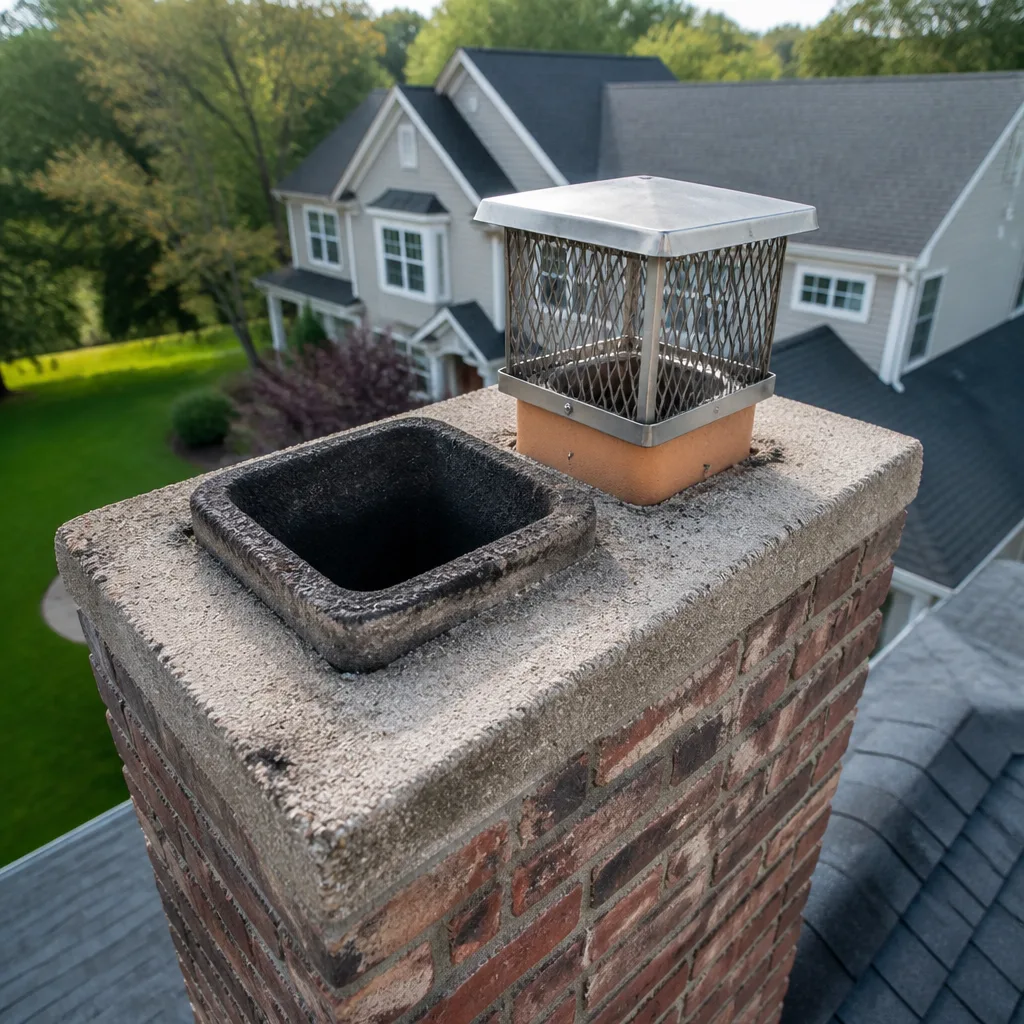 Sweep & inspection
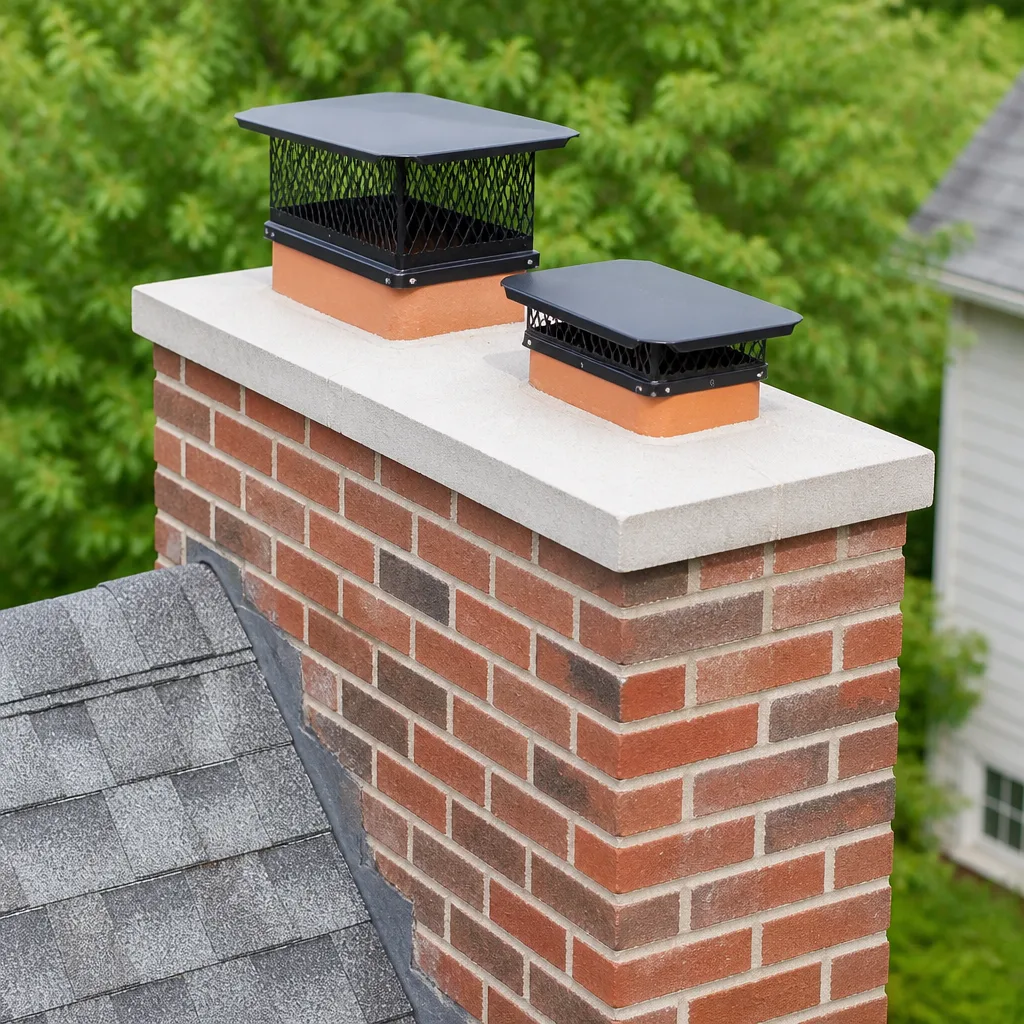 Caps & crowns
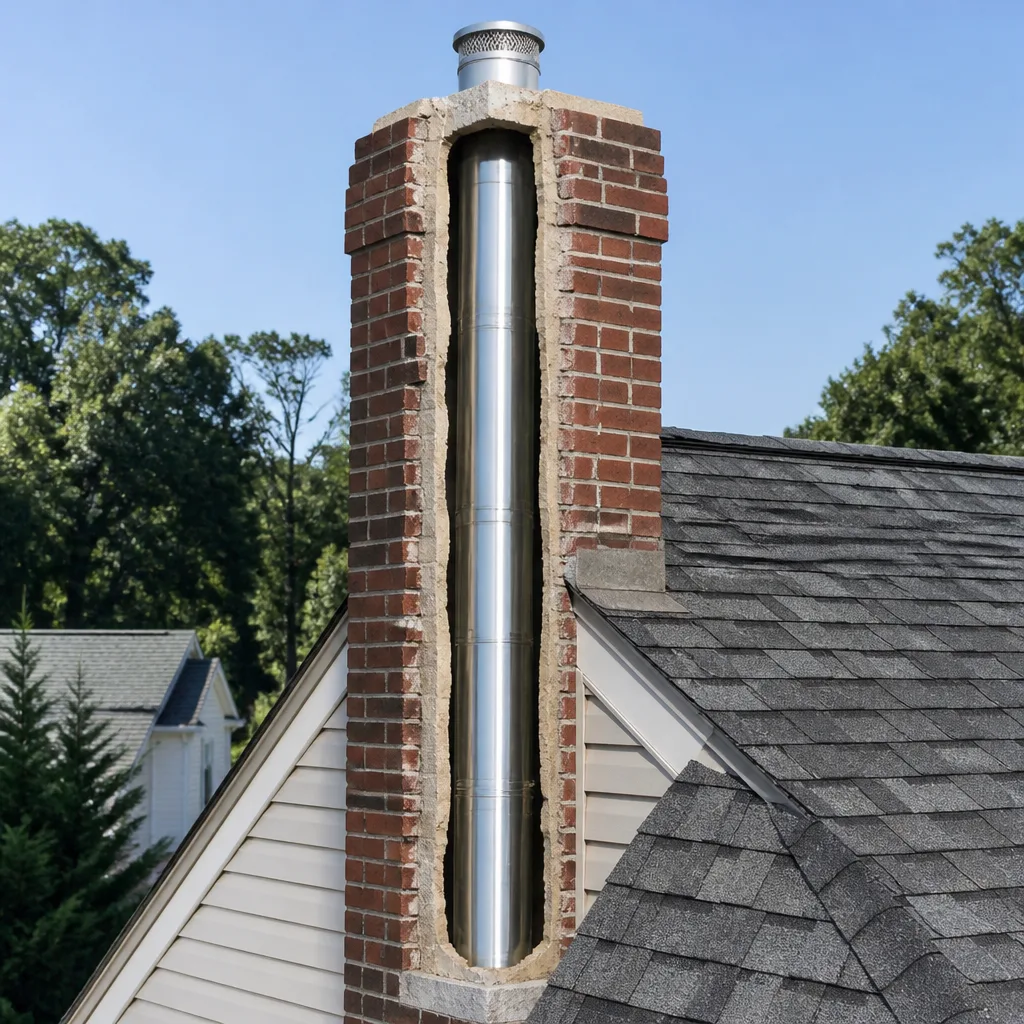 Flue relining
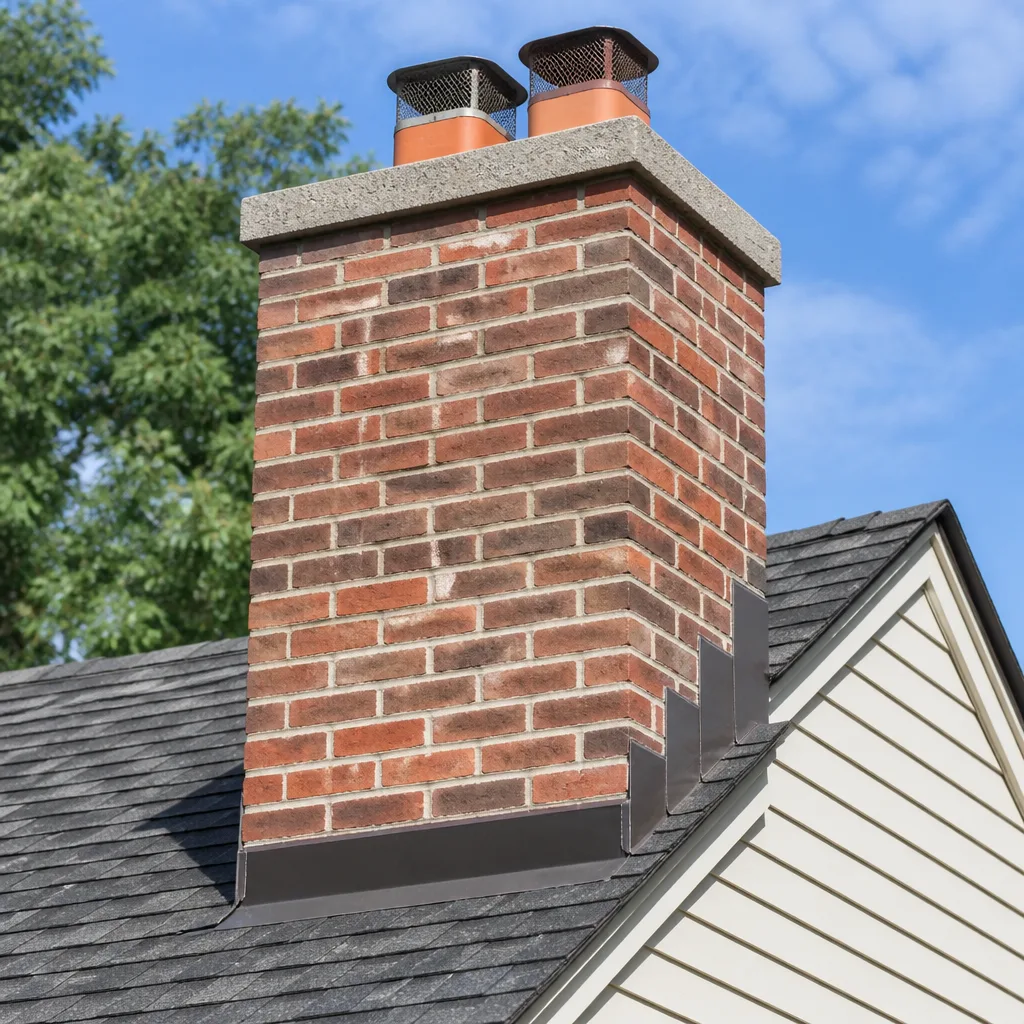 Masonry repair
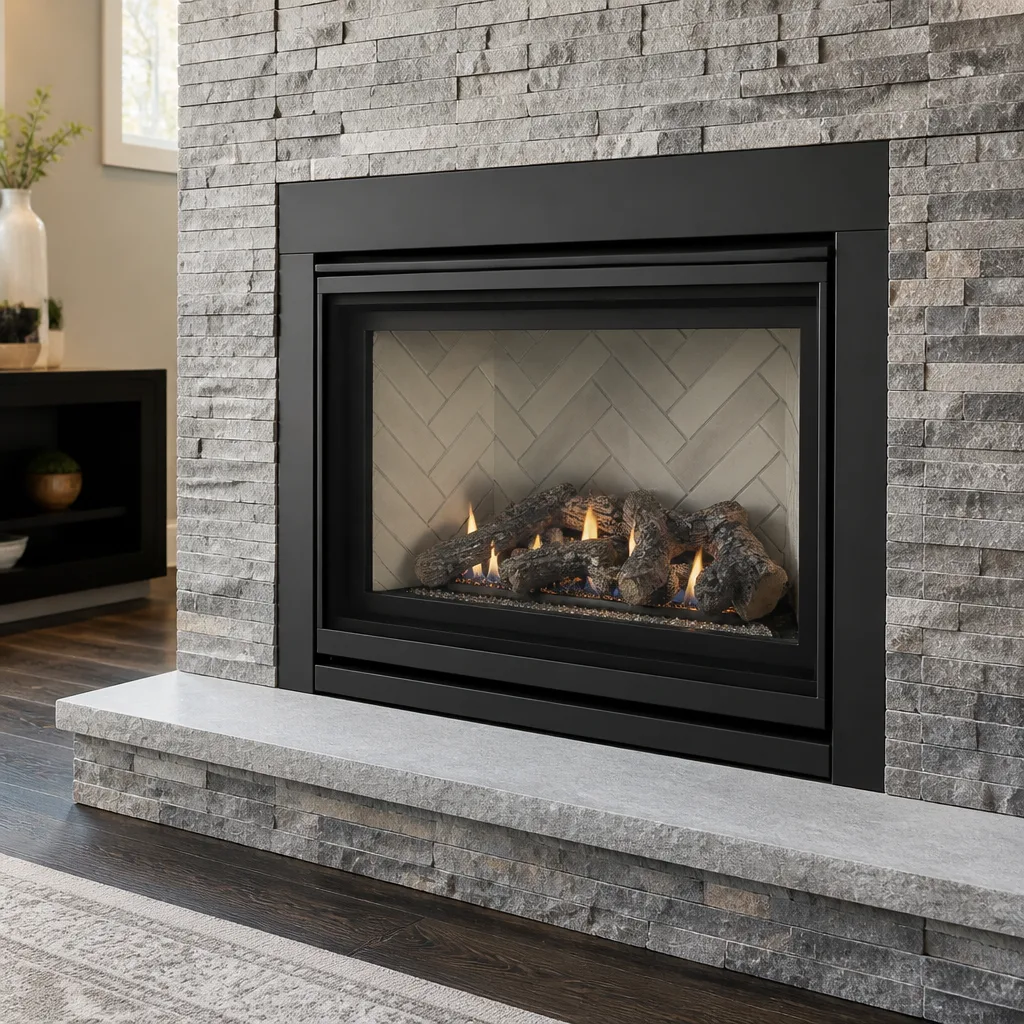 Gas fireplace service
Level 1 sweep and inspection to the NFPA 211 annual standard - flue, crown, cap, and flashing checked and photographed
Chimney sweep logs do not sweep chimneys. They loosen some creosote - which then falls where a brush and vacuum still have to collect it.
Choosing the Right Chimney Cleaning Brand: A Buyer’s Guide for Grand Prairie
When a chimney company says it uses “professional-grade materials,” that phrase means nothing until you know which manufacturers they actually source from. Two sweeps can describe the same job in identical language and still show up with wildly different products: one with a name-brand liner system built to a published standard, the other with whatever the nearest hardware store had on the shelf. The gap doesn’t show up on the invoice. It shows up years later, when a crown cracks, a liner fails, or a repair that should have lasted a generation has to be redone. This guide explains which chimney brands signal a genuine specialist, which materials vary most in quality, and how to ask about sourcing in Grand Prairie without making it feel like an interrogation.
Quick Answer
The right chimney cleaning brand is one that names the manufacturers it sources from and uses recognized industry products like DuraFlex liner systems and HeatShield resurfacing materials rather than generic substitutes. In Grand Prairie, that means asking a company which brands it installs for liners, crown sealants, waterproofing, and caps, and treating a clear answer as the single best signal of a professional operation. A specialist who maintains real supplier relationships will answer without hesitation; a generalist usually can’t.
Styles & brands we work with
- Sweep & inspection
- Caps & crowns
- Flue relining
- Masonry repair
- Gas fireplace service
Table of Contents
- Why chimney materials matter more than most homeowners realize
- Which brand names are recognized standards in chimney work
- The four materials that vary most in quality
- Why generalist contractors reach for hardware-store fixes
- How to ask about material sourcing without an interrogation
- How material quality connects to warranty and long-term performance
- What Grand Prairie homeowners should know about their chimneys
- A brand and materials checklist before you book
Why chimney materials matter more than most homeowners realize
A chimney is one of the few parts of a house that has to survive constant contact with heat, acidic flue gases, and North Texas weather at the same time. The masonry or metal shell gets the attention, but the materials inside and around it do the actual protecting. A flue liner, a crown seal, a waterproofing coat, a cap: each is a small component doing an outsized job, and each fails on its own schedule if it’s made from the wrong stuff.
Here’s the part buyers tend to miss. Labor is labor whether the crew installs a premium product or a cheap one. The difference in cost between a recognized liner system and an off-brand substitute is a small fraction of the total job, yet the difference in service life can be many times over. That’s why materials, not labor, are where a chimney repair is quietly won or lost.
In our experience across Grand Prairie, the repairs that come back for a second round are almost never the ones where the crew worked carelessly. They’re the ones where the product underneath the work wasn’t built for a chimney. A hardware-store sealant rated for exterior trim has no business bridging a masonry crown that moves with heat. A liner not engineered for flue service is a liability waiting on its first real burn season.
Grand Prairie winters are mild, which can make homeowners underestimate how much their chimney endures. The heat cycling on the inside of a flue doesn’t care about the outdoor temperature; it’s the constant warming and cooling of fires and the acidic residue they leave behind that wear a system down. Good materials hold up under that abuse. Generic ones don’t. That’s the whole argument in one sentence.
Which brand names are recognized standards in chimney work
A short list of manufacturers has earned the trust of the chimney trade through published performance, engineering support, and the fact that working professionals keep specifying them job after job. You don’t need to memorize every name. You do need to recognize a few, because the companies that use them are telling you something about how they source.
DuraFlex is one of the names most associated with flexible chimney liner systems: the products installed to reline a flue and bring venting up to code. When a company specifies DuraFlex for a liner job, you’re looking at a system engineered for that exact purpose rather than a workaround.
HeatShield is the ceramic resurfacing system used to restore a deteriorating flue from the inside. Instead of tearing out masonry, the system rebuilds the flue’s surface so the chimney can vent safely again. This is specialty work, and the product itself is the reason it’s possible.
A couple of others round out the professional roster. Gelco and Olympia Chimney are names you’ll see on caps, liners, and related components specified by chimney trades. What matters isn’t that you can recite the list. It’s that the company you hire can name its sources without looking anything up.
The pattern to notice: these brands don’t turn up in the general hardware aisle because they’re made for a trade, not a weekend project. A chimney specialist orders them through supplier relationships built over years. That’s why a materials question doubles as a professionalism test. It filters for companies who have those relationships at all.
The four materials that vary most in quality
Not every component in a chimney job matters equally. Four materials swing the widest in quality, and those are the ones worth asking about directly before you approve any work.
- Flue liners. The liner is the safety-critical core of the system. A recognized flexible liner matched to your flue size and fuel type performs for decades; a generic substitute can fail early and compromise venting. Ask what brand and what system, not just “a new liner.”
- Crown sealants and repair materials. The crown is the concrete cap on top of a masonry chimney, and the sealant that bridges its cracks is the first line of defense against water. Flexible, masonry-rated sealants hold; rigid or general-purpose caulk cracks again within a season.
- Waterproofing products. A breathable masonry water repellent lets moisture vapor escape while keeping rain out. A film-forming sealer traps water inside the masonry and can accelerate the very damage it’s supposed to prevent. This is a product choice, not a spraying technique.
- Chimney caps. Caps vary in gauge, finish, and how the spark screen is built. A thin, off-brand cap can rust through and let water and animals in; a trade-grade cap from a name like Olympia Chimney holds up far longer.
If a company can’t tell you which brand goes on your flue liner or your crown, that’s your answer. A specialist knows, because the product is the reason the repair lasts.
Why generalist contractors reach for hardware-store fixes
A general handyman is set up to fix many things, which means they buy for many things at once. That naturally pulls toward whatever’s available at the nearest store, because stocking trade-specific chimney products doesn’t make sense for someone who sweeps a handful of chimneys a year. It isn’t malicious. It’s just how a multi-trade business works: broad catalog, shallow depth.
A chimney-only specialist has the opposite setup. Every product decision is about flues, liners, caps, and masonry, so it pays to maintain supplier relationships with the manufacturers who make those things. When a liner needs replacing or a flue needs resurfacing, the right product is a phone call away, and the technician already knows how to install it correctly.
This is why “Chimney specialists, not generalists” isn’t just a marketing line. It’s the difference between a truck that carries general repair supplies and a service that knows exactly which system belongs in your flue. When you hire a chimney sweep in Grand Prairie, the materials question side-steps the whole debate. You don’t have to argue about specialization. You just ask which brands they install.
How to ask about material sourcing without an interrogation
Nobody wants to come across like they’re grilling a contractor. The good news is you don’t need to. A few natural questions, asked in a friendly tone, will tell you everything you need to know about how a company sources its materials.
- Start with the inspection, not the brands. Ask what they’ll be checking and how they’ll show you. A strong answer mentions a camera inspection and a report or photos you can see yourself before any recommendation gets made.
- Ask a “what would you use if” question. Something like “If my crown needs sealing, what product would you use?” is casual, specific, and reveals the brand in the answer. A specialist answers in one breath.
- Ask which liner brands they install. If a flue liner comes up, ask which manufacturer they work with and why. Recognized names and a reason are the tell.
- Ask how the warranty works. Manufacturer coverage usually rides on proper installation, so a company that knows its product will also know how the warranty runs. That’s not a sales question; it’s a materials question in disguise.
- Ask what a generalist might miss on your house. You’re listening for whether they actually look at your specific chimney type and house, or give a scripted speech.
Notice that at no point do you need to sound suspicious. Each question is genuinely useful, and together they take about two minutes. Any experienced chimney repair professional will enjoy answering them, because materials are the part of the trade they take pride in.
How material quality connects to warranty and long-term performance
Warranty coverage and material quality are the same conversation, even if they don’t sound like it. A manufacturer backs its product when it’s installed correctly and used for what it was built for. When an off-brand substitute goes in, the chain of accountability breaks: the maker owes you nothing because you didn’t use their product, and the installer’s promise is only as good as their word.
Beyond the paperwork, the practical math is simple. A recognized liner system or a proper resurfacing job done with the right product is designed to outlast the ordinary homeowner’s remaining years in the house. A generic patch is designed to pass the moment and nothing more. That’s the difference between “built to last” and “patched to pass.”
There’s a quality signal buried in all of this that’s easy to miss: inspection first, recommend second. A company that inspects carefully and shows you what it found doesn’t need to push a repair you can’t verify. The evidence is in front of you. When a recommendation is backed by a clear photo of a cracked crown or a damaged flue, the materials question answers itself, because you can see what needs fixing and why the right product matters.
When you work with a company that stocks and installs products from names like DuraFlex, HeatShield, Gelco, Olympia Chimney, Famco, and Copperfield, you’re dealing with an operation that has made a decision about standards before you ever called. That’s the kind of continuity worth paying attention to in Grand Prairie, where older masonry chimneys are common and small material choices have long tails.
What Grand Prairie homeowners should know about their chimneys
Grand Prairie stretches across a wide mix of neighborhoods and housing vintages, and the chimneys reflect that. Older masonry construction on one side of town and newer builds with gas inserts on the other don’t have the same needs. A masonry chimney decades into its life often shows the classic wear points: a crown that’s cracked, flue tiles that have deteriorated, and masonry that’s been quietly absorbing moisture. A newer home with a gas insert may have its own venting questions and a factory-built system with different material requirements.
North Texas weather shapes the work in subtler ways than homeowners expect. The mild winters mean fireplaces get used in spurts rather than through a long cold season, and that stop-start pattern leaves creosote to accumulate and then sit for months. When it does, the acidic residue keeps working on the flue lining long after the last fire has gone out. That’s a materials problem as much as a cleaning problem.
It’s also a reason the age of your home matters when you’re asking about brands. A masonry chimney in a mature Grand Prairie neighborhood may need resurfacing before it needs anything else, and that points toward a ceramic system rather than a simple patch. A newer insert setup may need a cap or a liner decision instead. The right brand follows from the right diagnosis, which is why we inspect first and recommend second.
Whatever corner of Grand Prairie you live in, the pattern is the same: know your chimney type, know its fuel, and ask what materials fit. The company that answers with specifics is the one you want on the ladder.
A brand and materials checklist before you book
Keep this list handy when you’re comparing quotes. It’s not about finding the cheapest bid. It’s about finding the company whose materials and process will hold up after the invoice is forgotten.
- Can they name their manufacturers? If they carry recognized products, the names come out naturally.
- Do they inspect before recommending? A camera inspection and a photo report you can see for yourself should come before any repair conversation.
- Do they cover the full lifecycle? Sweeping, inspection, and repair through one company means one set of standards and one point of accountability.
- Do they source trade-grade? A specialist maintains supplier relationships with the brands the trade uses, not whatever’s on the shelf.
- Do they explain why a material fits your chimney? The right brand is tied to your flue type, fuel, and condition, not a one-size pitch.
- Will they tell you when work can wait? A trustworthy company says plainly when a repair can safely be deferred, because not every crack demands action this month.
When you’re ready, walking through this checklist with Banner Chimney Sweep takes only a short call. We answer the materials question the same way we answer every other: with the specific brand, the reason, and the evidence from your own chimney.
Common Mistakes to Avoid
- Hiring on price alone. The lowest bid usually saves money on materials, not labor, which is exactly the wrong place to cut for a chimney in Grand Prairie.
- Accepting a generic “we use the best products” answer. A brand name and a reason are the only acceptable answer; vague reassurance tells you nothing about what goes in your flue.
- Skipping the camera inspection. If a company recommends repairs you can’t see evidence for, push back. A reputable specialist shows you the photos before the recommendation.
- Letting a generalist handle a liner or resurfacing job. These are specialty installations where the product and the training are tied together, and a handyman who does a bit of everything rarely has either in depth.
- Ignoring the crown and waterproofing because the inside “looks fine.” Water damage starts on the outside of a masonry chimney and works inward, and it’s the most common cause of premature failure in this climate.
- Assuming a cap is a cap. Caps vary widely in gauge and screen construction; a cheap one rusts through and invites water and animals, so ask about brand and material.
- Waiting past the fall. Mild North Texas winters still mean fireplaces are in use before you know it, and a materials problem is far easier to solve ahead of the first fire than after.
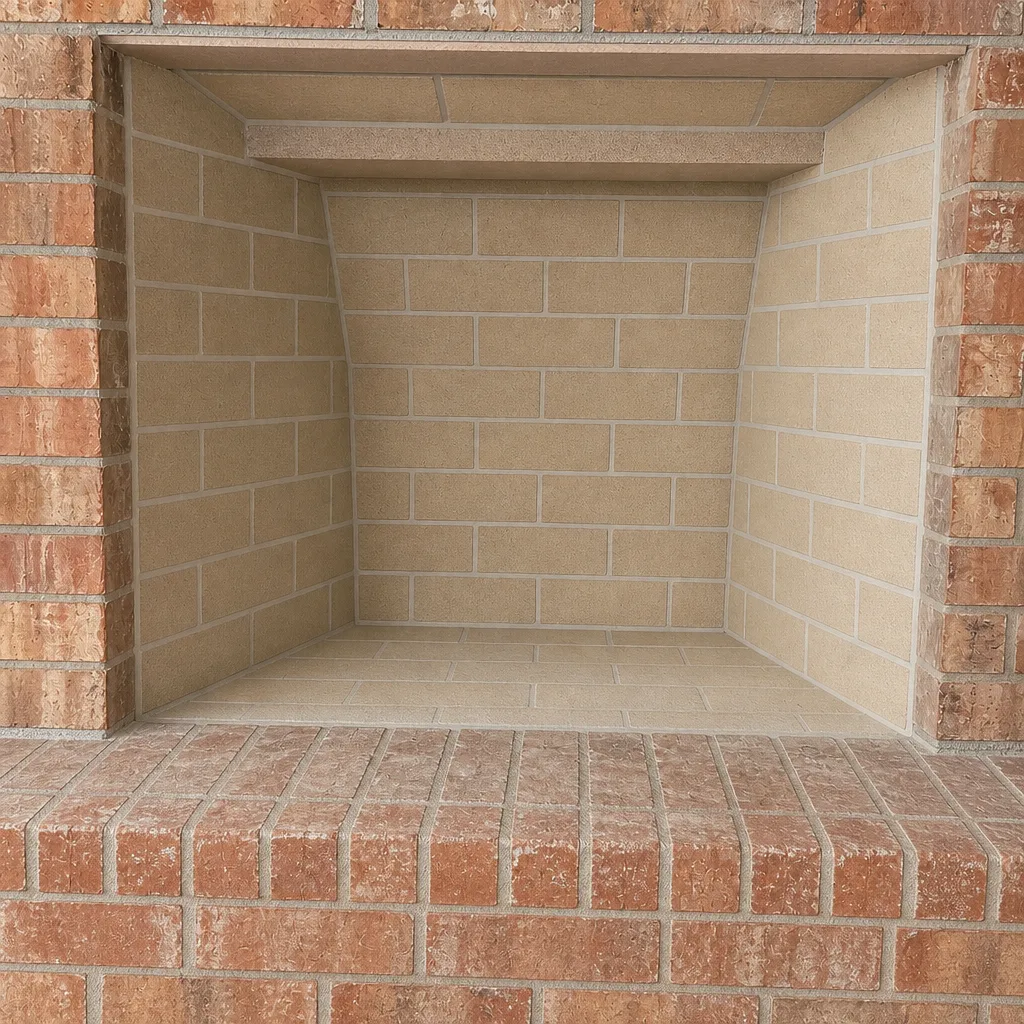
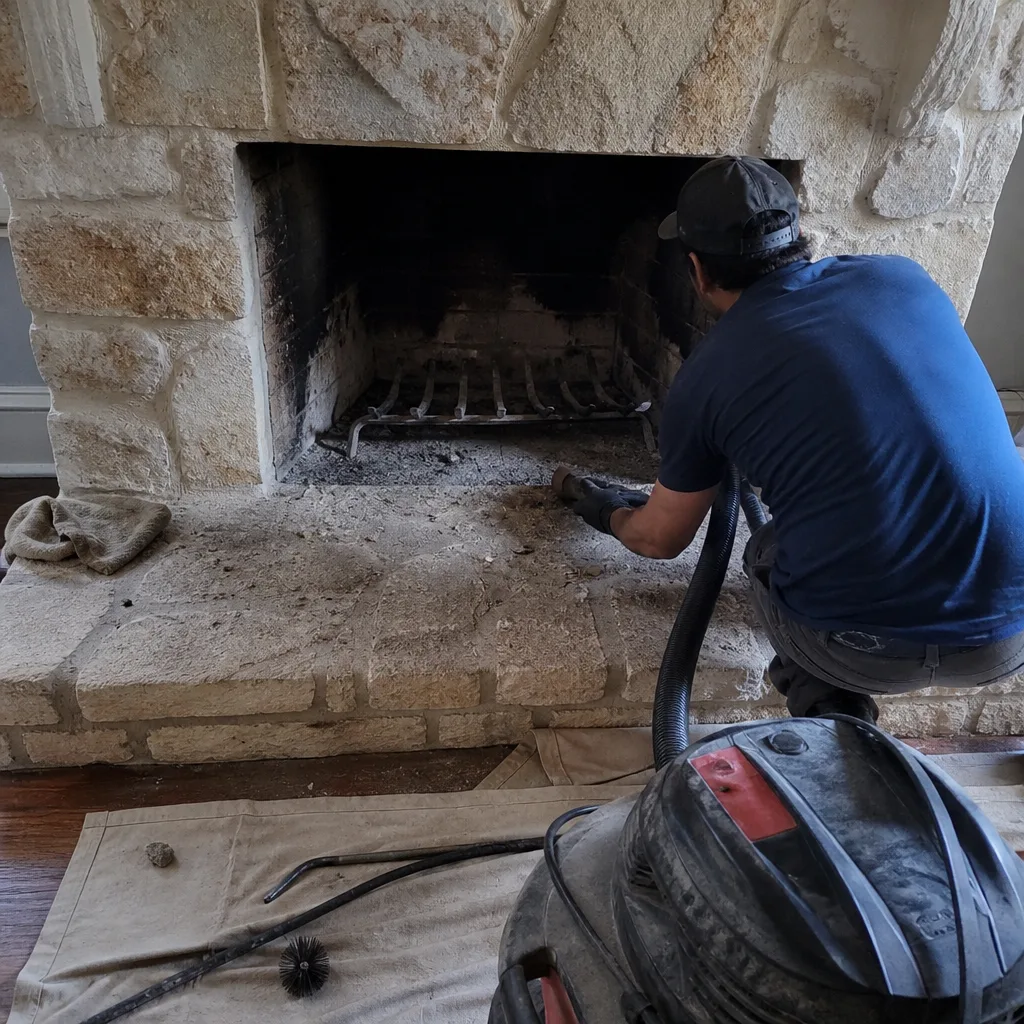
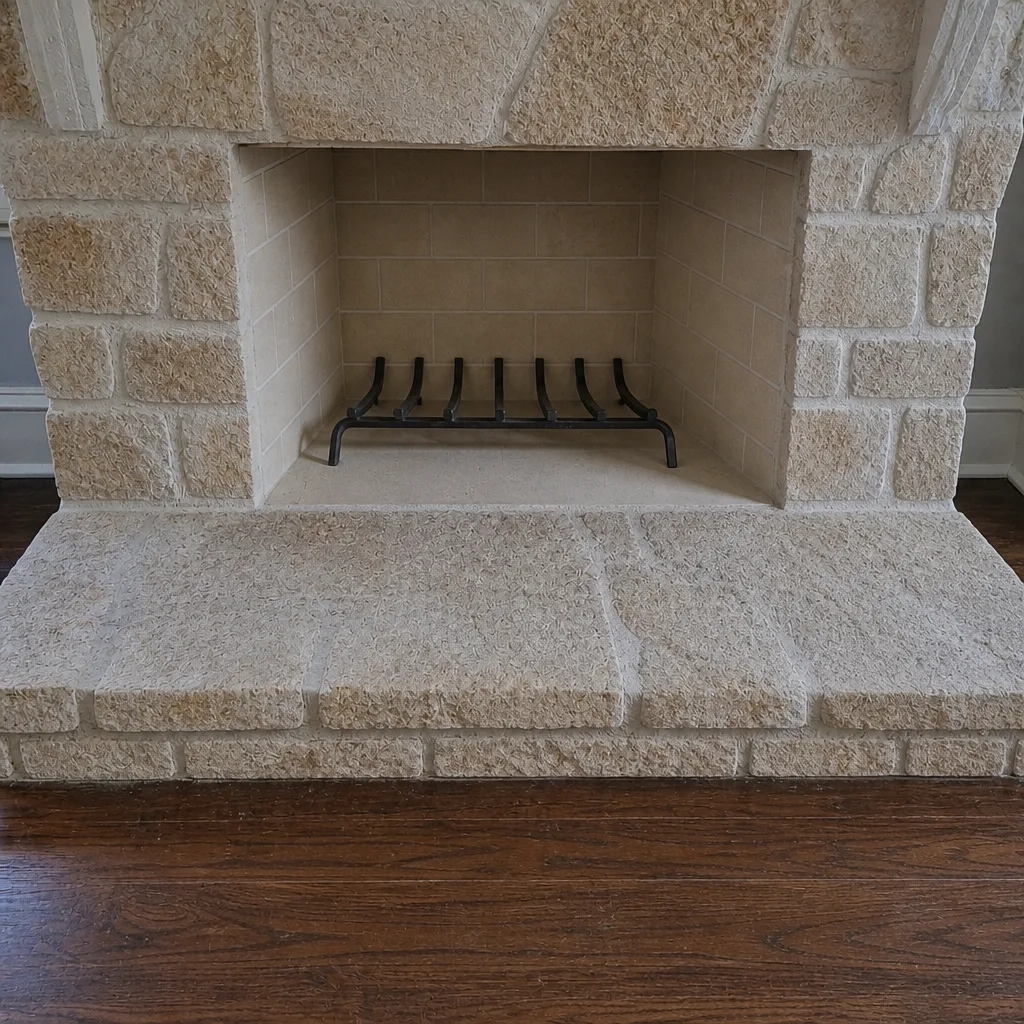
See the difference
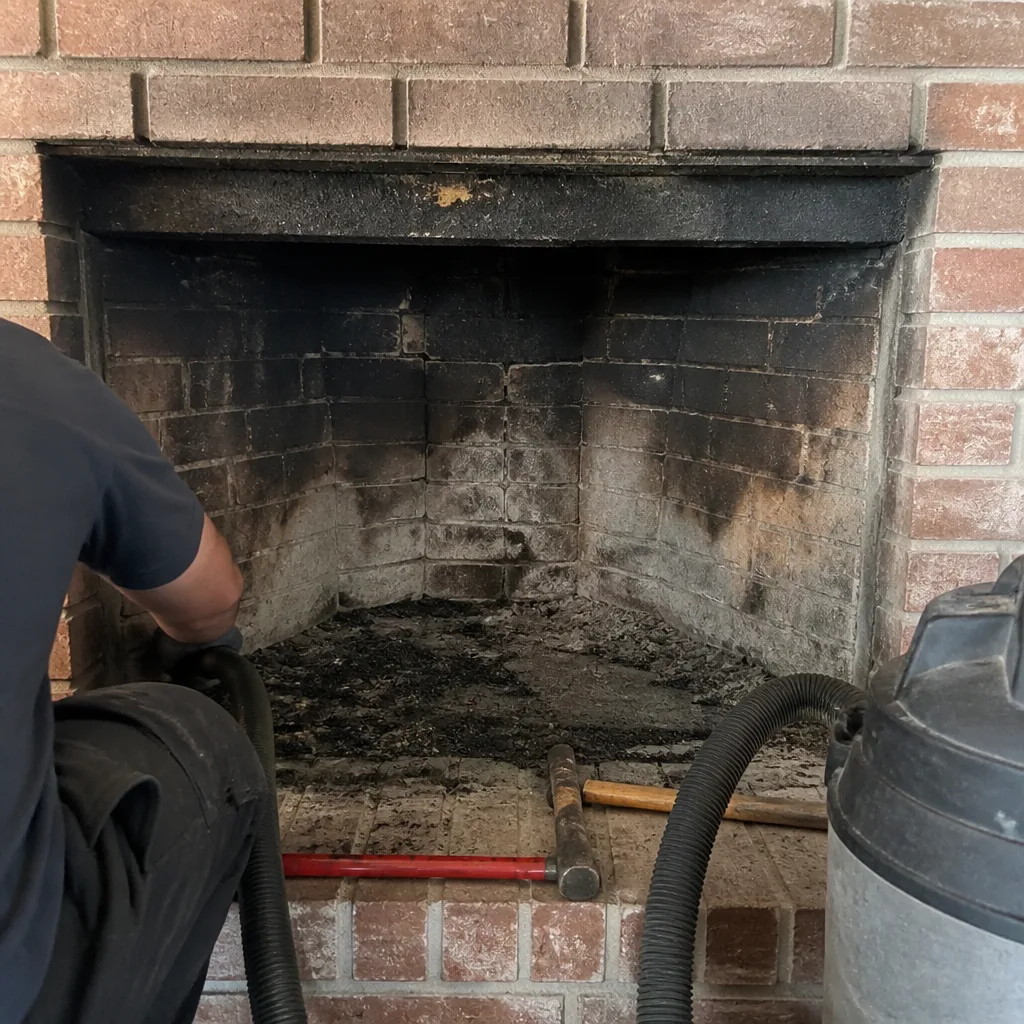 Before
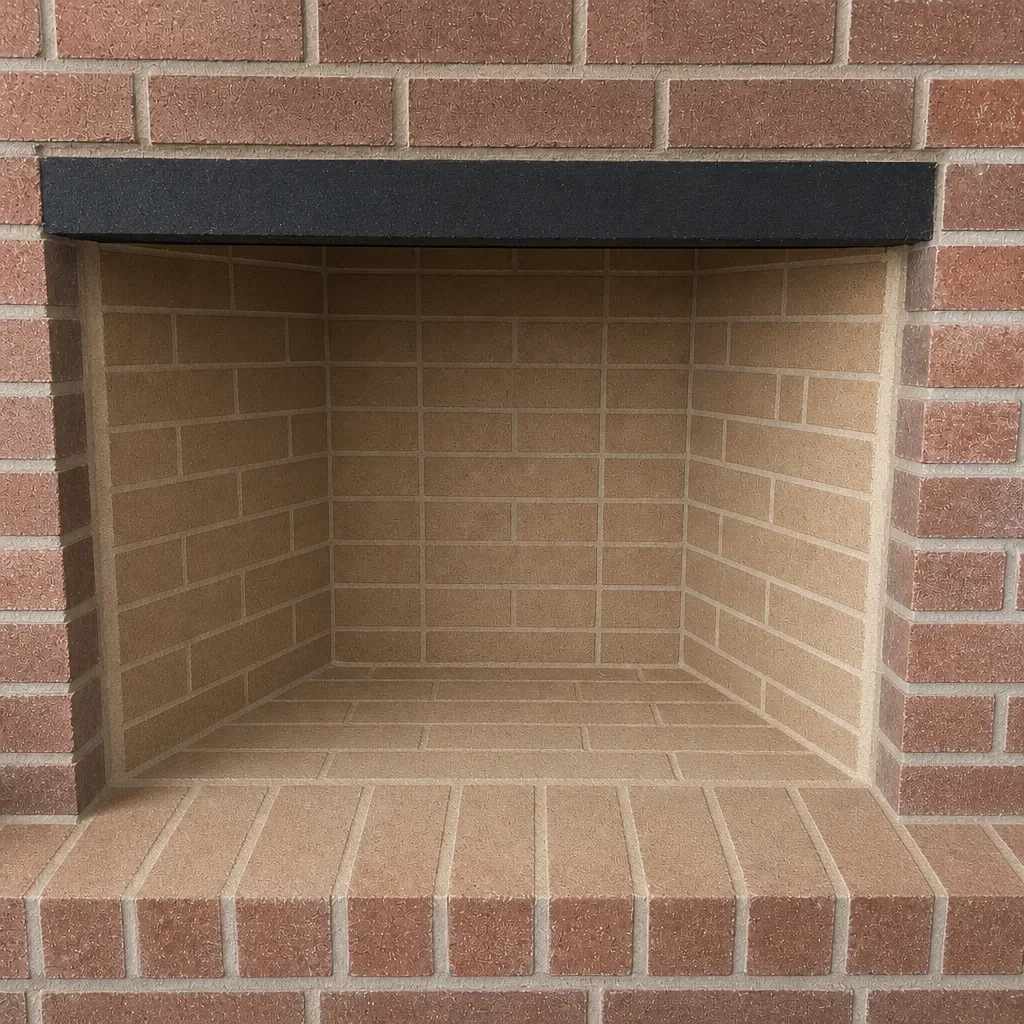 After
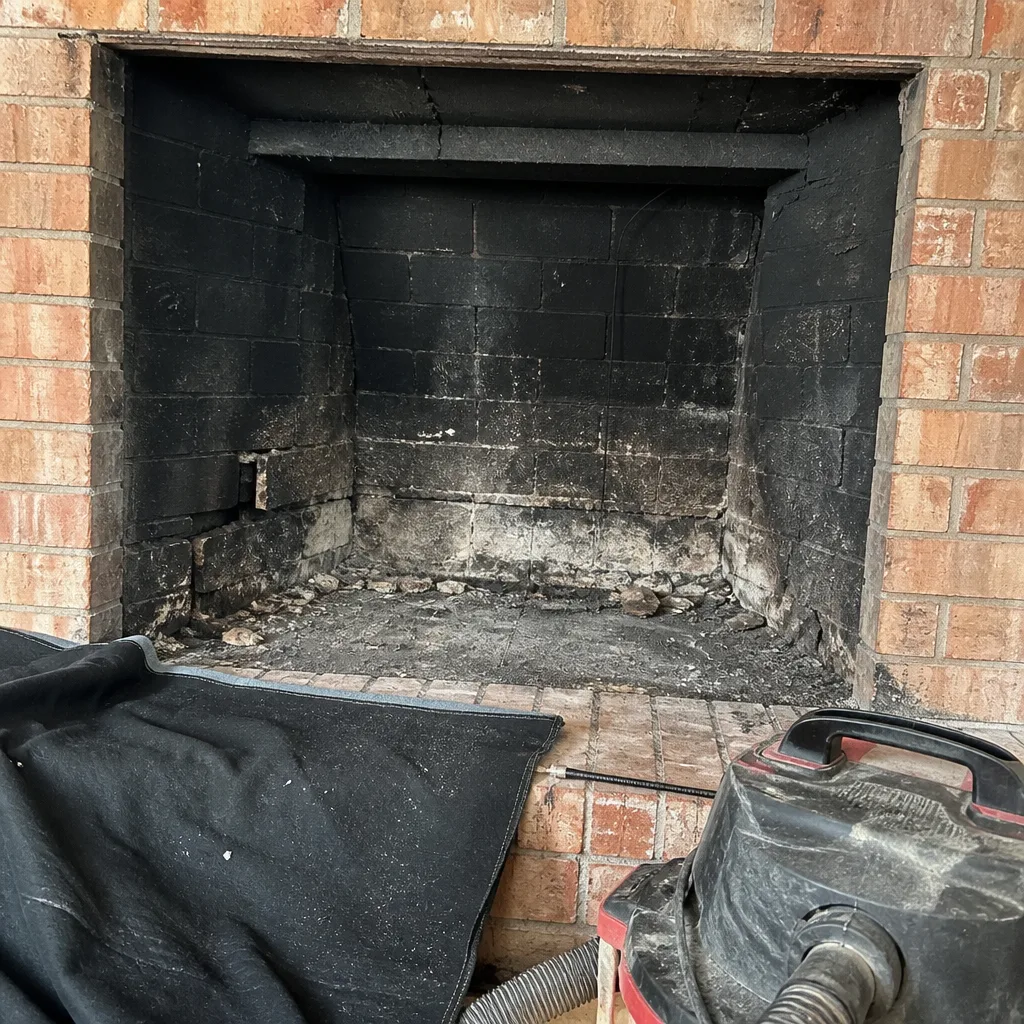 Before
 After
 Before
 After
When to Call a Professional
Some chimney issues announce themselves: smoke backing into a room, a strong odor that lingers after a fire, visible cracks in a crown or masonry, a cap that’s come loose, or a flue that looks damaged from the ground. Others are silent, which is why an inspection is worth scheduling even when nothing seems wrong, especially on an older masonry chimney or before a season of use. If you’ve never had the chimney inspected and you don’t know its condition, that’s a reason to call. If a previous repair is already failing, or a company recommended work you couldn’t verify, a second look with camera evidence is worth the call. We answer the phone and can inspect, sweep, and repair in one visit. Banner Chimney Sweep offers free estimates in Grand Prairie, and you can call (833) 633-6933. We answer 24/7. Fast dispatch from 7am to 7pm, Sunday through Friday.
Frequently Asked Questions
Ask about flue liners, crown sealants, waterproofing products, and chimney caps, and ask for the brand on each. These four components vary most in quality and decide how long a repair holds. If the company names recognized products like DuraFlex or HeatShield and explains why they fit your chimney, you’re talking to a specialist. Call (833) 633-6933 if you’d like to walk through it with us.
Yes, because the liner is the safety-critical part of the system and it isn’t interchangeable. A recognized flexible liner system matched to your flue size and fuel type performs for decades, while a generic substitute can fail early and compromise venting. The labor is roughly the same either way, so the right product is worth insisting on. Call us for a specific recommendation on your chimney.
A generalist buys for many trades at once, so stocking trade-specific chimney products doesn’t make sense and they reach for what’s available at the nearest store. A chimney-only specialist keeps supplier relationships with the brands the trade specifies. That’s the practical reason a specialist’s materials hold up longer. Call (833) 633-6933 to ask which products go on your system.
Usually, but it’s the expensive way to solve it. A failed crown or a compromised liner can be corrected with the right product once the diagnosis is clear, though it means paying twice for what should have been done right the first time. The affordable move is confirming the material before work begins. Call us for an inspection and a clear materials plan.
Manufacturer coverage typically rides on proper installation, so the warranty and the work are tied together. When recognized products go in and are installed to spec, the manufacturer’s backing stays intact, which is one more reason to insist on brand-name materials. We’re glad to explain how coverage works on your specific job. Call (833) 633-6933.
Mild winters mean fireplaces are used in spurts rather than steadily, so creosote accumulates and sits for months, working on the flue lining long after the last fire. That makes liner and flue-resurfacing materials especially important here, and it makes waterproofing on older masonry a practical priority. The right product follows from the condition of your chimney, not a generic assumption. Call (833) 633-6933 for a free estimate.
The Bottom Line
The chimney company you hire is only as good as the products it puts in your flue. A brand name you can verify tells you that a company has made a decision about standards before you ever called, and that decision shows up in how long the repair holds. Inspect first, recommend second. Ask which manufacturers go on the liner, the crown, the waterproofing, and the cap. Trust the company that answers with specifics and shows you the evidence for any work it recommends. In Grand Prairie, that’s the short version of choosing the right chimney cleaning brand, and it’s the one worth writing down.
Whether you’re looking for a chimney sweep in Grand Prairie or planning ahead for repair, we answer the questions that matter without the pressure. Call (833) 633-6933 for a free estimate. We answer 24/7. Fast dispatch from 7am to 7pm, Sunday through Friday.
Written by the team at Banner Chimney Sweep.