
Last updated November 15, 2026
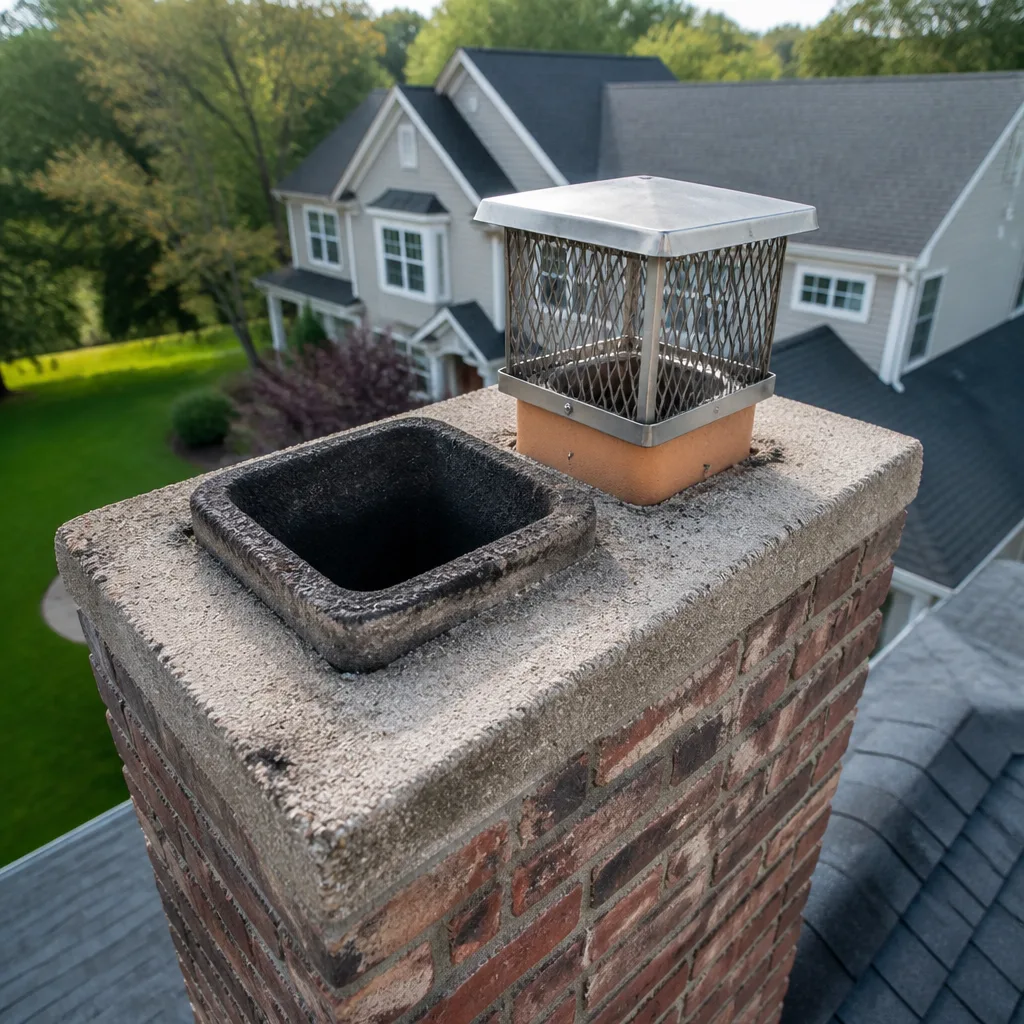 Sweep & inspection
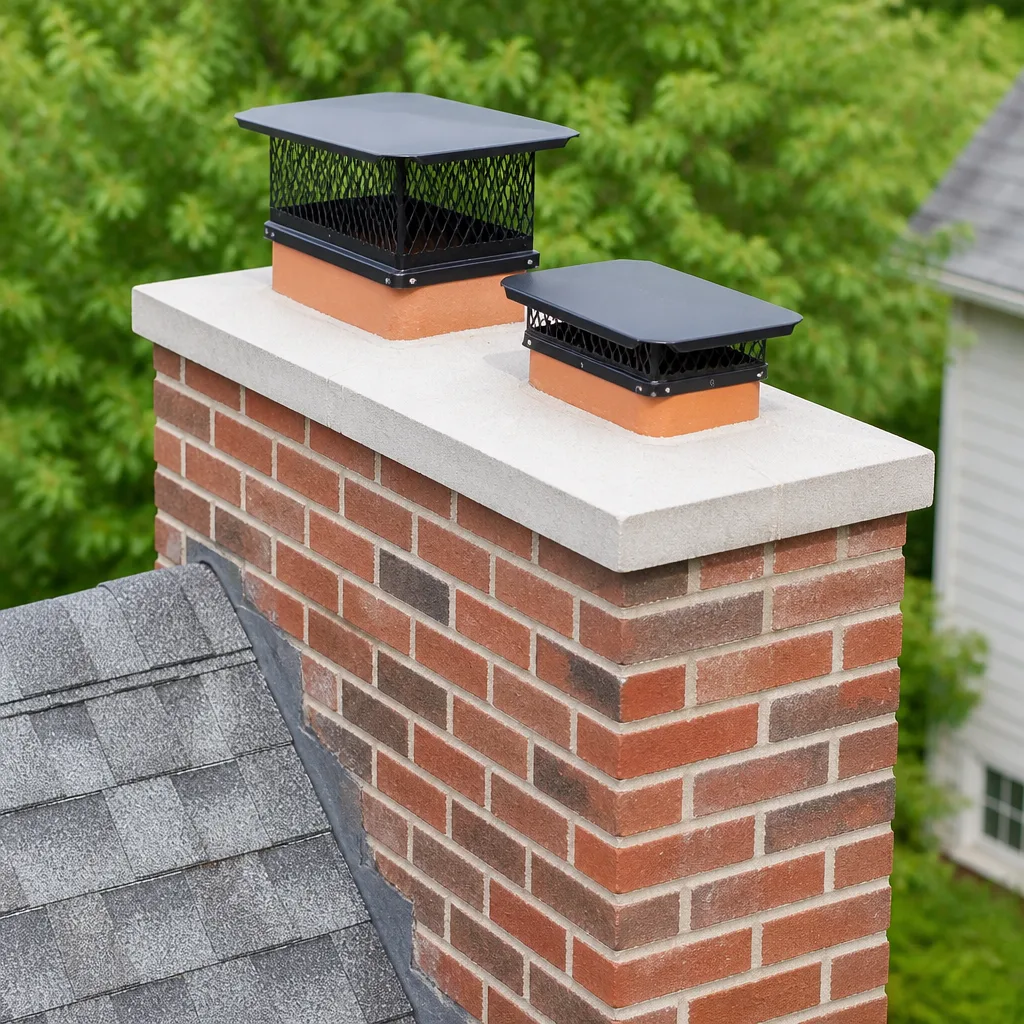 Caps & crowns
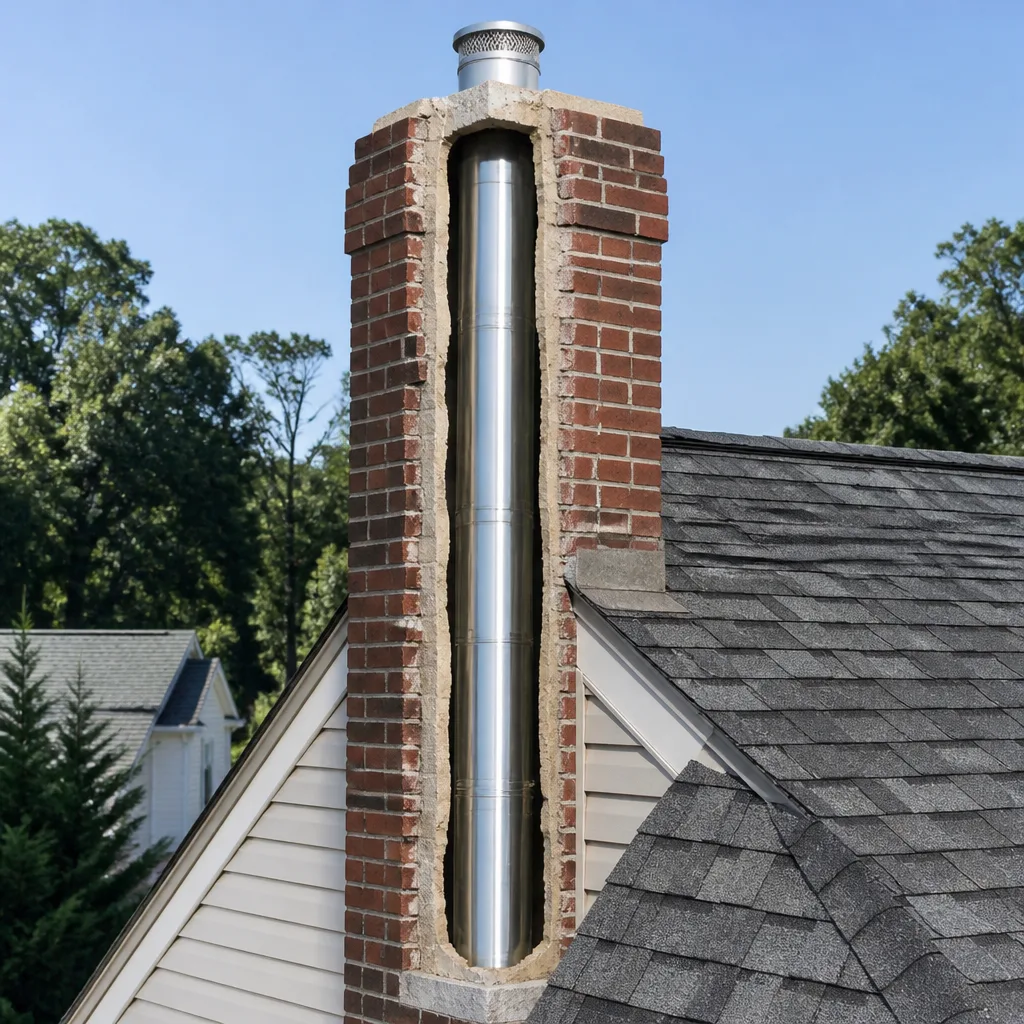 Flue relining
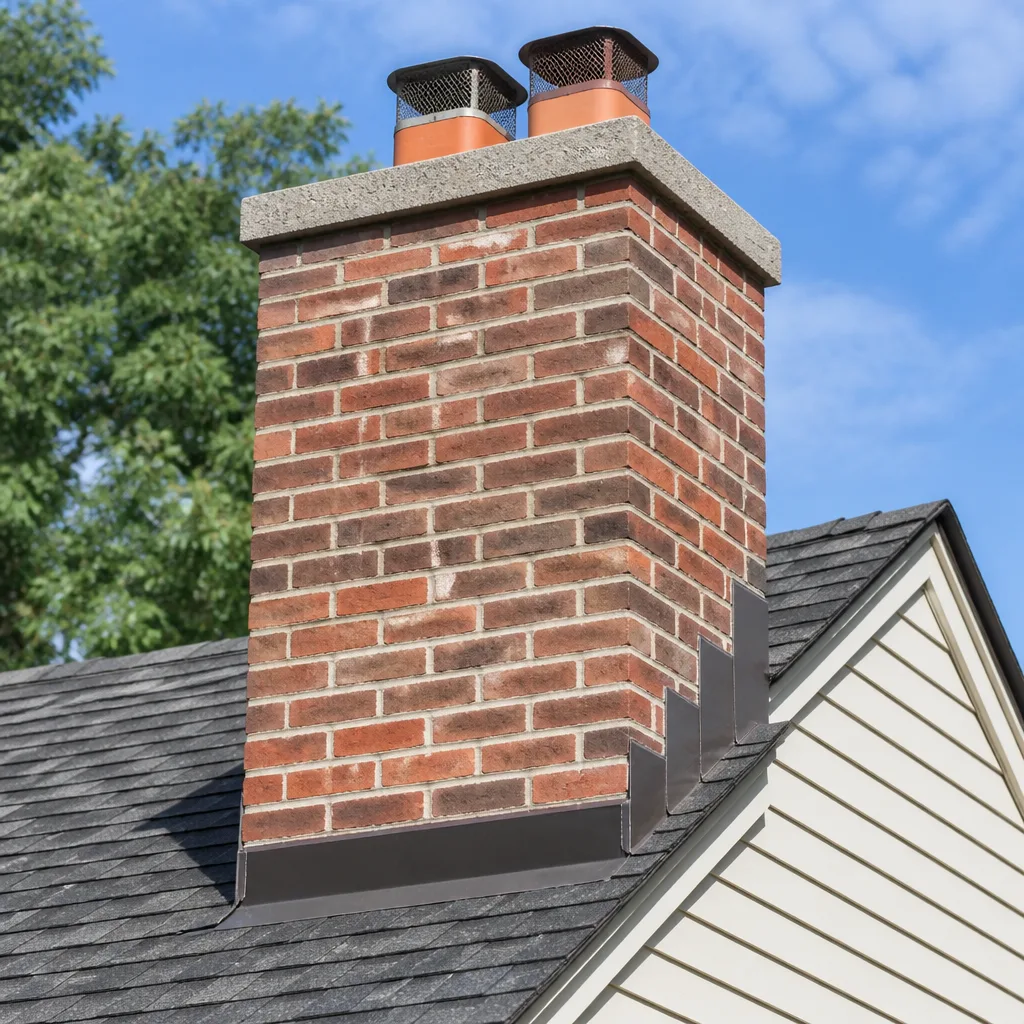 Masonry repair
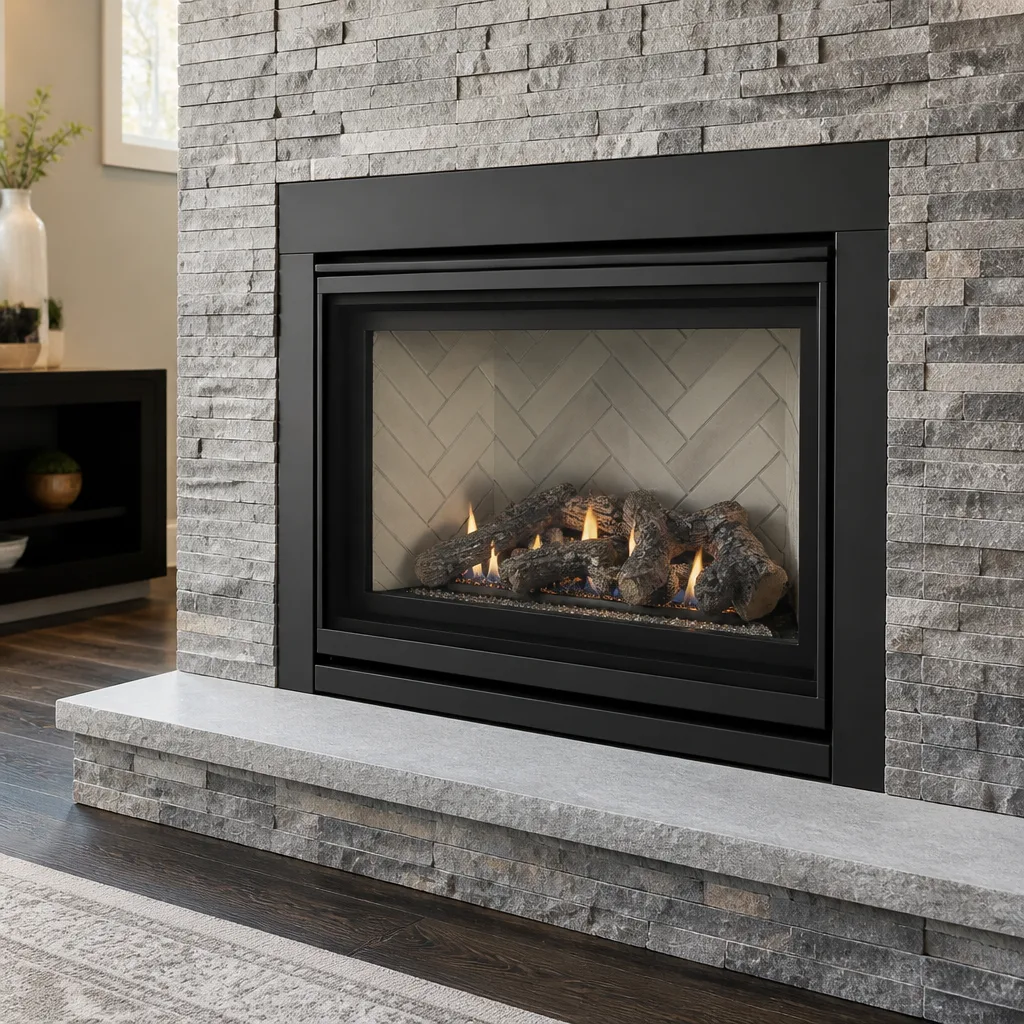 Gas fireplace service
Level 1 sweep and inspection to the NFPA 211 annual standard - flue, crown, cap, and flashing checked and photographed
Chimney sweep logs do not sweep chimneys. They loosen some creosote - which then falls where a brush and vacuum still have to collect it.
Chimney Sweep Troubleshooting in Grand Prairie: Common Problems and How to Fix Them
If your fireplace smokes up the room, your first instinct is probably to call a sweep. But the actual cause is just as often a closed damper, negative house pressure, or a cold flue as it is a dirty chimney. Most of the problems Grand Prairie homeowners describe over the phone turn out to be something you can diagnose before anyone shows up, and knowing which category your symptom falls into is what separates a quick fix from an expensive misdiagnosis. In this guide we walk through the complaints we hear most, what each one usually means, and how to tell a problem you can solve yourself from one that needs a trained eye on the flue.
Quick Answer
Most chimney problems in Grand Prairie fall into four buckets: draft and pressure issues, creosote and blockage, odor, and structural damage. Smoke rollback and weak draft are usually pressure or temperature problems, not dirt. Musty or asphalt-like smells point to moisture or creosote, while a campfire smell that lingers after the fire is out often means the damper is leaking. Any symptom that comes with a cracked liner, crumbling mortar, or rusted metal almost always needs a professional inspection rather than a cleaning.
Styles & brands we work with
- Sweep & inspection
- Caps & crowns
- Flue relining
- Masonry repair
- Gas fireplace service
Table of Contents
- Why Does My Chimney Smoke Into the Room?
- House Pressure vs. Flue Temperature: Telling Them Apart
- What Chimney Odors Actually Tell You
- Smoke Rollback You Can Fix Yourself vs. What Needs a Pro
- How to Check Your Firebox and Damper Before You Call
- When the Symptom Points to Structural Damage
- Creosote Buildup and What Stage It Reaches
- How Often Should You Sweep in Grand Prairie?
Why Does My Chimney Smoke Into the Room?
Smoke rolling back into the room usually means the chimney isn’t pulling air up and out the way it should, and the cause is almost never a single dirty flue. Draft depends on three things working together: a clear path up the flue, a warm enough flue to start the upward flow, and a house that isn’t pulling harder in the opposite direction. When any one of those breaks down, smoke goes where the pressure sends it, which is often into the living room.
In Grand Prairie, the mild winters create a specific pattern. A fire that drafts beautifully in January can smoke stubbornly on a 65-degree afternoon in November. That’s not a chimney defect. A flue that hasn’t warmed up can’t establish upward flow, and a house with the clothes dryer running and a bathroom fan on can pull harder than a cold flue pushing up. We’ve seen this in homes across neighborhoods like Lake Ridge and Westchester, where tightly built houses hold pressure better than older construction and make the problem more obvious.
Here’s how to think about it. If the smoke happens only at startup, and it clears once the fire is burning hot, you’re dealing with a cold flue. If it happens throughout the burn, especially when other exhaust fans are on, you’re dealing with pressure. And if it happens constantly with no pattern, that’s when you start suspecting a blockage, a partially closed damper, or a flue that’s too short for the appliance.
- Smoke only at startup: Cold flue. Warm it before you light the fire.
- Smoke when other fans run: Negative house pressure. Crack a window near the fireplace.
- Smoke all the time, any weather: Blockage, closed damper, or a sizing problem. Needs a look.
- Smoke worse after a windy day: Down-draft from a cap or a flue that’s too short.
- Smoke with a smell like tar: Creosote buildup narrowing the flue. Time for a chimney sweep.
Taking ten minutes to notice the pattern, before you call, will save you from paying for a cleaning that doesn’t solve anything.
House Pressure vs. Flue Temperature: Telling Them Apart
The single most common mistake we see is assuming every draft complaint is a dirty chimney. In our experience, roughly half of the draft calls we walk through in Grand Prairie turn out to be house pressure or temperature problems, not creosote. Telling them apart takes nothing more than paying attention to when and how the smoke appears.
Flue temperature problems are the easy ones. A cold flue has no upward momentum because there’s no warm air rising inside it. Traditionally this was solved by holding a rolled newspaper torch near the damper for a minute or two to warm the flue before lighting the fire. This is safe enough to do once and only once, with the damper fully open and no debris in the firebox. If the fire then burns clean, the flue was cold and nothing is wrong with the chimney. Many of our customers in Grand Prairie find that a simple pre-warming routine solves the smoke problem permanently.
Pressure problems are different. A modern house in Grand Prairie is fairly air-tight, and anything that pushes air out of the house pulls replacement air in from the easiest path available. That path is often the fireplace. Run the kitchen exhaust hood, the dryer, or a bathroom fan and you’ve created a mild vacuum that competes with the chimney. Here’s a numbered way to test for it:
- Light the fire and let it establish a normal burn, about 15 minutes.
- Turn on the kitchen exhaust hood on high, then the dryer, then a bathroom fan, one at a time.
- Watch the smoke at the firebox opening. If the draft weakens or reverses with each fan, you’ve confirmed a pressure problem.
- Open a window or door a few inches on the same side of the house as the fireplace and see if the fire recovers.
- If it does, your house is overcooking the pressure side. Talk to a chimney specialist about a make-up air solution or a taller cap.
If the window test does nothing, the trouble is inside the flue and needs an inspection. That’s when we reach for a camera and a flashlight rather than a guess.
What Chimney Odors Actually Tell You
Chimney odors aren’t one problem, and treating them as one leads homeowners to spend money on the wrong fix. The kind of smell you notice tells you a lot about whether service is urgent or routine. A musty smell is different from a wet asphalt smell, and different again from the campfire smell that lingers on a warm day after the fire has been out for hours.
Musty or damp smell. This is moisture. It usually means rain or humidity is finding a way into the flue or around the crown, or that a masonry chimney has absorbed water and is slowly releasing it. In Grand Prairie’s humid summer months a masonry chimney that’s already cracked lets in moisture that shows up as a musty smell inside the house. Left alone, this is what slowly turns into spalling brick and crumbling mortar. A routine inspection catches it early; a chimney repair is cheaper at the start of that process than at the end.
Asphalt-like or burned rubber smell. This is the smell of a specific stage of creosote or of a liner problem. It’s the one that calls for prompt service. Do not light another fire until someone has looked at the flue.
Campfire smell after the fire is out. A little of this is normal for a wood-burning chimney. But if the smell fills the house hours after a fire, the damper is probably not sealing, or the firebox has a slow leak. A damper that doesn’t close properly lets smoky air drift back into the room constantly, and after enough seasons it becomes a permanent smell.
Chemical or bitter smell. More typical of gas appliances. Carbon monoxide concerns are real here, and this is not a smell you troubleshoot over the phone. Shut the appliance down and call a professional.
- Musty: moisture or a leak. Routine inspection.
- Burned rubber or asphalt: heat-stressed liner or creosote stage. Prompt service.
- Lingering campfire: leaking damper or firebox. Repair typically needed.
- Bitter or chemical: gas appliance concern. Stop using and call.
- Smoke smell rising from a cold fireplace: pressure problem or open damper. Check the damper first.
Smoke Rollback You Can Fix Yourself vs. What Needs a Pro
Not every rollback is a professional call, and knowing which one you’re dealing with saves time and money. The two conditions you can safely troubleshoot on your own are a closed damper and a cold flue. Both are common in Grand Prairie, and both are solved without tools or a service call.
The closed damper. It sounds obvious, but a partially closed damper is one of the most frequent causes we find. In a masonry fireplace, reach up under the lintel with a flashlight and look for the metal damper plate. On a factory-built fireplace, look for the handle or lever near the top of the firebox. If the plate isn’t flat and fully open, that’s your problem. Open it all the way and try again.
The cold flue. A rolled newspaper torch held briefly near the damper warms the flue and gets the draft going. If the fire then burns cleanly and the smoke stops, nothing else needs doing today.
Everything else needs a professional. That includes:
- Rollback that continues once the fire is hot. This is not temperature. It’s a blockage, a sizing problem, or a flue that’s drafting poorly for a structural reason.
- Any sign of a liner crack. Look for a white or chalky line on the inside of a firebox or a piece of metal liner visible through the throat. A cracked liner is a safety issue and not something to run a fire through.
- Rollback with a strong creosote smell. That means the flue is narrowed. A cleaning has to happen before anything else is diagnosed.
- Rollback in a gas fireplace or insert. Gas flues are different. Do not troubleshoot them yourself.
- Rollback accompanied by water stains or rust. Structural. Needs an inspection, not a trick.
When any of these five show up, stop lighting fires and call. There’s no reason to burn through an uncertain flue hoping it improves.
How to Check Your Firebox and Damper Before You Call
A five-minute visual check of your firebox before you schedule anything gives you better information than any phone description. It also tells you when a problem is worth escalating. Here’s how to do it safely, from the room side, with no fire in the box and the fireplace cold for at least a day.
- Shine a flashlight into the firebox and look at the back and side walls. Clean brick is uniform. Look for white, chalky, or crumbling areas. White staining can signal moisture or heat damage. Crumbling mortar in the joints means the masonry is weakening.
- Check the damper plate. It should move freely and sit flat when open. Rust, warping, or a plate that sticks partway are signs the damper needs attention. A damper that won’t open at all is the most common single cause of smoke rollback we find.
- Look up the flue throat with the flashlight. You should see a dark, open channel. If you see soot buildup thicker than a coin on the sides, or a fuzzy, black, uneven layer, it’s time for a cleaning.
- Inspect the firebox floor and the smoke shelf area. Ash buildup over a few inches, bird nests, or debris on the smoke shelf all restrict draft.
- Look for rust on the metal parts. Rusted metal in a firebox usually means moisture has been getting in, and the liner or the damper is the place to look next.
What you’re doing here is separating the two categories: an obstruction or a mechanical part (the damper), which is often a straightforward fix, from a surface or structural problem, which is a professional diagnosis. An inspection-first approach means the recommendation follows the evidence, not the other way around. We don’t recommend a liner or masonry repair based on a photograph of your living room. We recommend it based on what the camera sees.
If your visual check finds any of the following, that’s when to call: a damper that won’t open or won’t close, white chalky staining on firebox walls, crumbling mortar joints, or soot buildup you can visibly measure. Our technicians have up to experience with all of these, and the inspection is where we start. If you’re not sure how to read what you’re seeing, a Banner Chimney Sweep inspection gives you a camera view and a straightforward answer about what does and doesn’t need attention.
When the Symptom Points to Structural Damage
The hardest part of troubleshooting is knowing when a draft or odor problem has crossed from cleaning to structure. Some symptoms clearly say “sweep me.” Others quietly say “the liner is cracked” or “the mortar is failing,” and those don’t improve with a cleaning. They get worse.
The clearest structural signal is a symptom that changes with weather or with wind direction. If the fireplace drafts fine on a calm day and rolls back whenever the wind hits a certain side of the house, the prime suspect is a cap, a top plate, or a chimney that’s lost height. A short flue or a damaged crown will misbehave in exactly that pattern.
Another structural signal is moisture that keeps coming back. Musty odor after rain, white efflorescence on exterior brick, or water staining inside the firebox mean the chimney isn’t shedding water correctly. A crowned chimney that has cracked lets water down through the masonry, where it freezes and expands on the occasional cold night Grand Prairie gets and slowly opens the joints. When that happens, the fix is a masonry repair and a new crown, not a sweep.
Liner condition is the other structural side. Cracks in a clay flue tile, a separated length of a metal liner, or a liner that’s simply deteriorated past its working life all show up as poor draft, odor, or heat escaping into the chimney chase. This is where trade-grade materials matter. We install DuraFlex liner systems and HeatShield flue resurfacing, both specified by chimney professionals rather than improvised from a hardware-store shelf. A properly sized liner gives you the venting performance your appliance was designed for. If someone recommends a liner without showing you the camera inspection, ask to see it. Nothing should be recommended without evidence you can look at yourself.
Some things can safely wait a season. A little surface staining on a firebox wall, a slightly stiff damper, a faint musty smell in summer, all go on the list. A cracked liner, crumbling mortar in a load-bearing area of the chimney stack, or a chimney with a visible lean do not wait. Knowing the difference is what you’re paying a specialist to tell you.
Creosote Buildup and What Stage It Reaches
Creosote is the residue that condenses inside a flue as smoke cools on the way up. Its thickness and texture tell you a lot about how urgent a cleaning is, and homeowners can read it themselves with a flashlight. A thin, dusty, soot-like layer is routine. A crumbly or flaky layer is heavier and needs a sweep. A shiny, hardened, tar-like glaze is the stage that worries us most, because it’s the hardest to remove and it’s the reason a flue can go from “smells strong” to “chimney fire” if it’s left alone.
Grand Prairie’s mix of wood-burning fireplaces and gas inserts means we see creosote more commonly in some homes than others. Wood burned hot and dry leaves less residue. Wood that’s wet, or fires that are kept low and smoldering to make a fire last, leave more. If your fire produces more smoke than flame, you’re building creosote faster than you should.
Here’s what to watch for:
- Thin, dusty soot, easily wiped: routine cleaning on your usual schedule.
- Crumbly, flaky buildup visible on the flue walls: time for a sweep.
- Shiny, hardened, tar-like glaze: needs a sweep and likely a professional assessment of the liner condition.
- Any visible creosote combined with a strong odor after a fire: don’t burn until it’s cleaned.
- Creosote plus a crack or a damaged cap: don’t burn even once. Have it inspected first.
The practical takeaway is that creosote is not a problem to fix, it’s a problem to measure. Knowing your stage tells you whether you can wait until fall or need something done this month. If you’re not sure, a camera inspection settles it. And if the answer is “you can safely wait,” we’ll tell you that.
How Often Should You Sweep in Grand Prairie?
Most chimneys used for wood burning should be swept when a measurable layer of creosote builds up, and that usually works out to roughly once a year with regular use, but the interval depends on how much you burn and how dry your wood is. A household that lights a fire most winter weekends and burns seasoned wood can often go a full season between cleanings. A household that burns green wood or smolders fires to make them last can build up creosote much faster and should be checked more often.
Gas inserts and gas fireplaces follow a different rhythm. They produce very little creosote, but they can still have debris, insect nests, and a damper or vent issue. An annual inspection is still worth doing, and the flue should be checked after any sign of odor, draft trouble, or a change in how the flame looks.
In Grand Prairie, the practical season runs from fall into the mild winter and resets in spring. The best time to schedule a sweep is before the first cool evening you plan to use the fireplace, and the best time to deal with deferred repairs is right after the season ends. Getting the inspection done early means any structural problem gets found with time to fix it before you need the fireplace. Getting it done late means finding out you need a repair at the worst possible moment.
One more thing. Chimney sweeping and chimney inspection are two different services. A sweep cleans the flue. An inspection tells you the actual condition of the liner, the crown, the cap, the firebox, and the damper, and the two together tell you how often you should sweep. If you don’t know which you need, that’s fine, that’s why you call. The answer is usually clear once we’ve seen the inside of the flue.
Common Mistakes to Avoid
- Assuming every draft problem is a dirty chimney. In Grand Prairie, house pressure and a cold flue account for a large share of smoke rollback complaints, and cleaning those flues does nothing. Test the pattern first, then decide.
- Using a space heater or a fire starter as a pressure fix. Restricting the house doesn’t fix a fireplace. Cracking a window does, and a proper make-up air solution fixes it permanently. Don’t improvise with the house’s ventilation.
- Burning a fire to “dry out” a musty chimney. If the moisture is coming from a cracked crown, a failed cap, or spalling brick, one more fire won’t dry anything out, and it can make it worse. Find the leak first.
- Trusting a recommendation you can’t see. If a sweep tells you the liner needs replacing, ask to see the camera inspection. A recommendation with a photograph is a diagnosis; a recommendation without one is a guess.
- Waiting until the fire stops drafting well. A chimney that still functions is the cheapest chimney to fix. A chimney that has already failed is the most expensive. Deal with the small symptoms when they’re small.
- Running a gas fireplace without a professional check. Gas appliances are not a place for DIY troubleshooting. Carbon monoxide concerns are real, and the flue and venting on a gas insert need a trained eye.
- Forgetting the cap and crown. Most of Grand Prairie’s water problems start at the top and end up in the firebox. A missing or damaged cap and a cracked crown are the two most common entry points for a musty smell, and both are easy to check when you know to look.
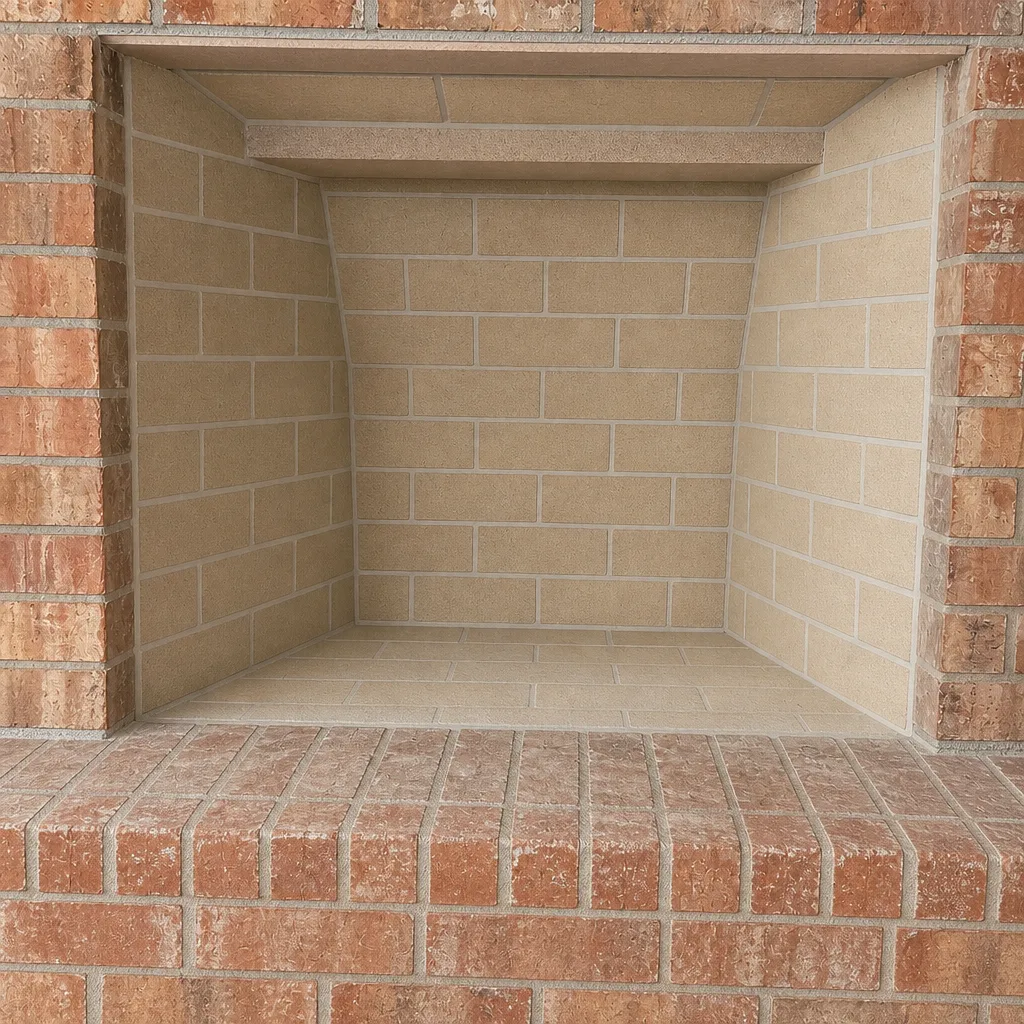
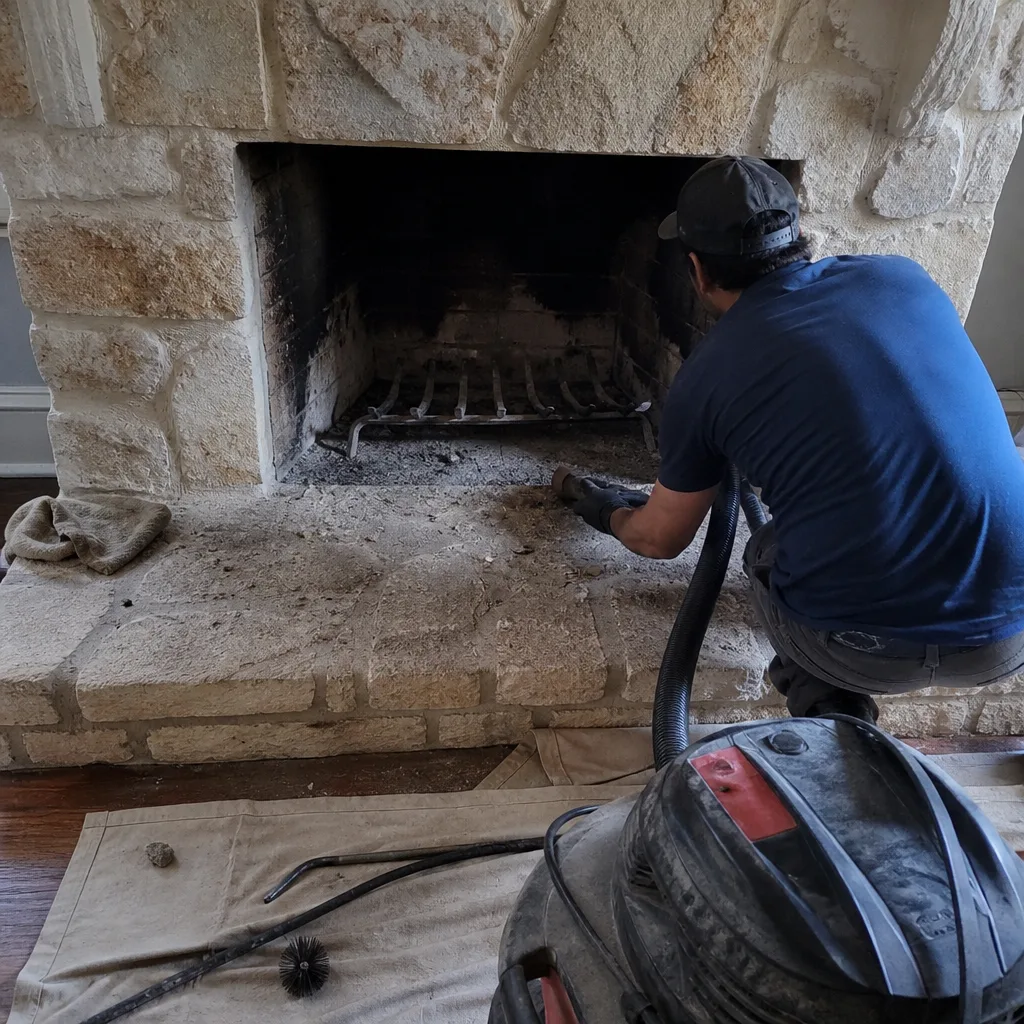
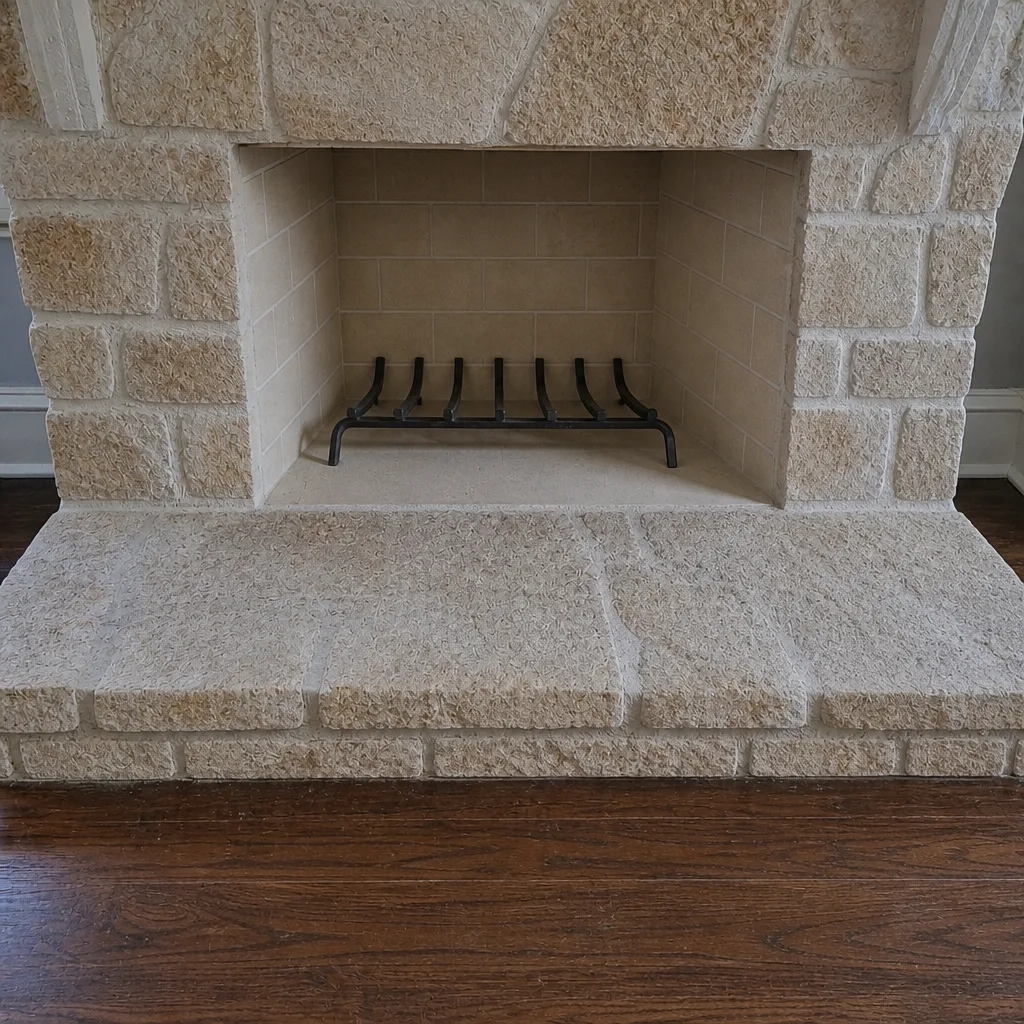
See the difference
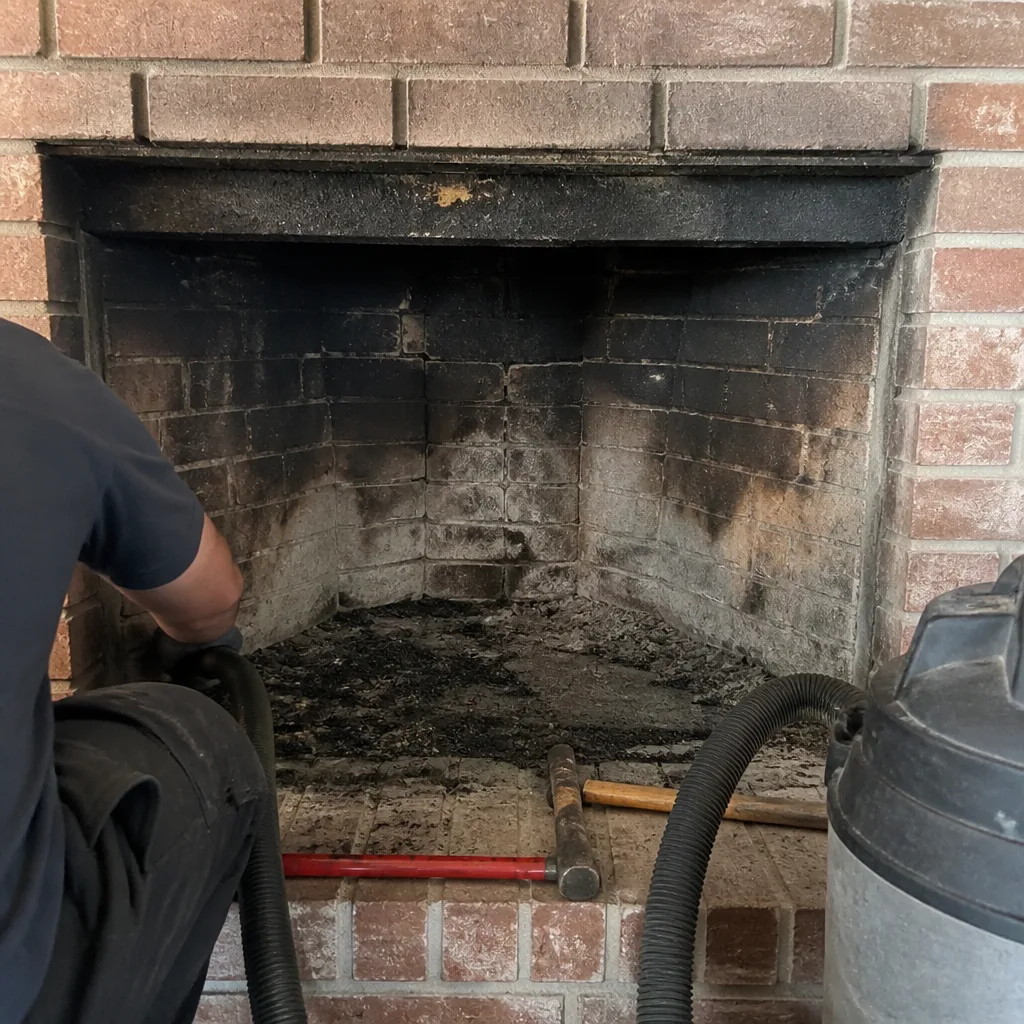 Before
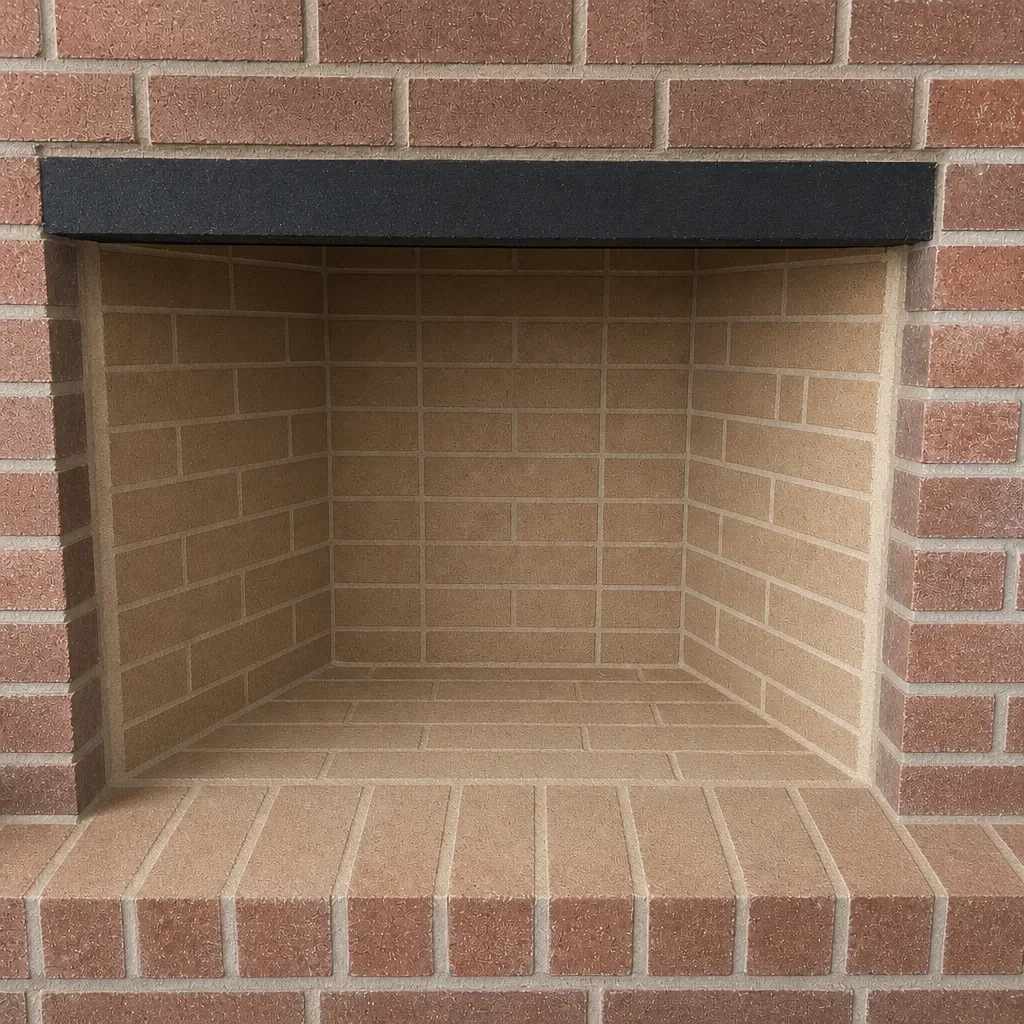 After
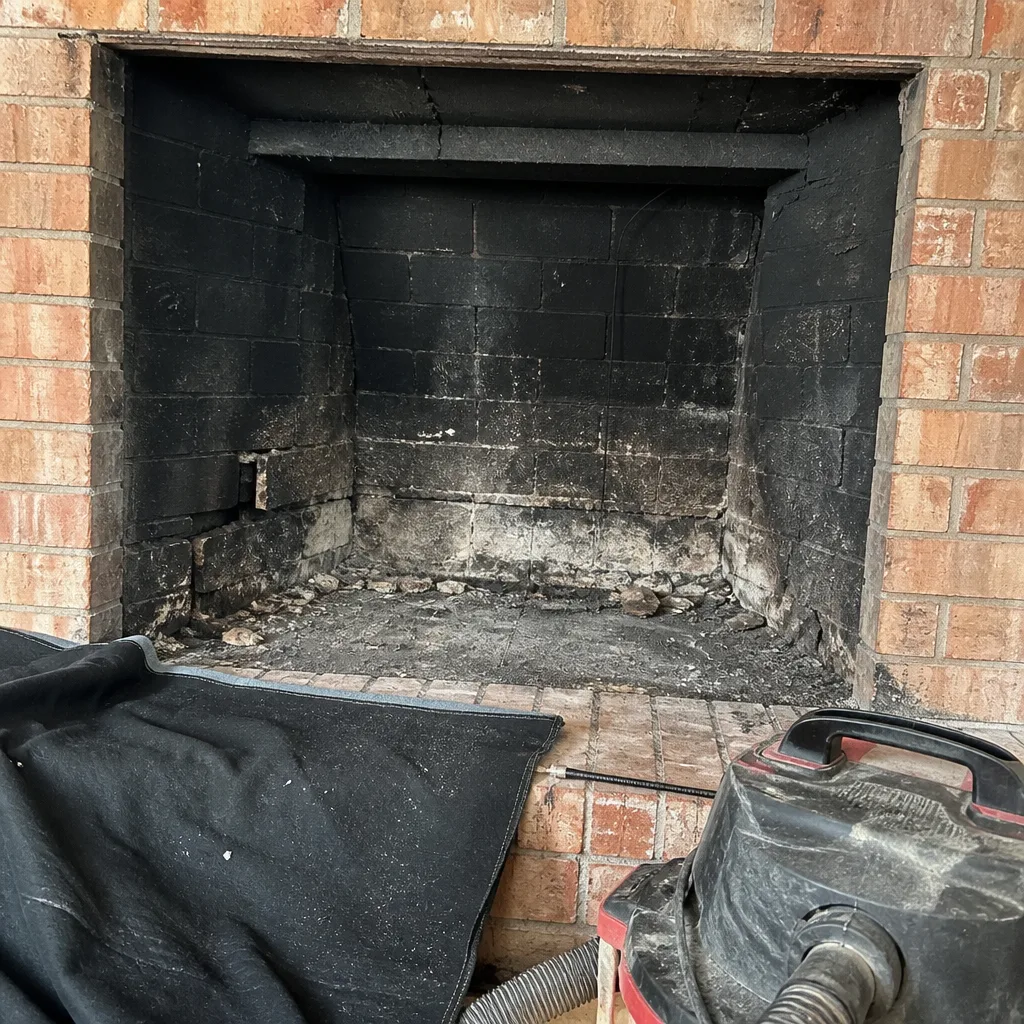 Before
 After
 Before
 After
When to Call a Professional
Call when the symptom is structural, stubborn, or unclear. That means any rollback that continues with a hot fire and an open damper, any smell of burned rubber or asphalt, any sign of a cracked liner or crumbling mortar, any musty odor that returns after rain, and any firebox that has visible rust or water staining. It also means any symptom you can’t pin down: intermittent smoke, a smell that comes and goes, a draft that’s fine one day and awful the next. Those are the cases where a camera inspection does more in ten minutes than a week of guessing.
If a visual check turns up a damper that won’t open, or soot you can measure, a cleaning and inspection is the right first call. If you’ve done the window test and the newspaper test and the smoke is still rolling back, let a specialist look at the flue. Banner Chimney Sweep offers free estimates in Grand Prairie, and we’d rather tell you that your chimney is fine and safely waiting than sell you a repair you don’t need. Call (833) 633-6933. We answer 24/7. Fast dispatch from 7am to 7pm, Sunday through Friday.
Frequently Asked Questions
Because a cleanup only fixes the flue, and smoke rollback is just as often a pressure or temperature problem. If the smoke appears mainly at startup, the flue is cold and warming it with a newspaper torch before the fire should fix it. If the smoke appears when the dryer or the kitchen hood is running, it’s negative house pressure and needs a make-up air solution or a cap adjustment. If the smoke continues with a hot fire and an open damper, that’s a professional diagnosis. Call (833) 633-6933 for an exact quote; estimates are free.
A musty smell usually means moisture, most often from a cracked crown, a missing cap, or water absorbed into the masonry. It’s rarely an emergency in the moment, but it does get worse the longer it sits, and the repair is cheaper early. If it comes back after every rain, that’s a confirmed leak. A musty smell combined with white staining on the firebox or exterior brick should be inspected before you burn again. Call (833) 633-6933 for an exact quote; estimates are free.
Nothing is set until you have a written estimate, because the price is per job, not per category. A cleaning on an accessible flue and a cleaning plus a camera inspection are different jobs, and the estimate should tell you which one you’re getting. What you should insist on is a sweep that agrees the price and the scope before anyone starts. We answer 24/7. Fast dispatch from 7am to 7pm, Sunday through Friday, so call (833) 633-6933 and we’ll set the estimate up. Call (833) 633-6933 for an exact quote; estimates are free.
Only if the camera shows your existing liner is no longer doing its job. A cracked clay tile, a separated metal liner, or a flue that’s deteriorated past its working life are the conditions that justify a liner system, and a proper diagnosis shows you the evidence. If the liner is intact, we’ll tell you it’s intact. When a liner is the answer, we install DuraFlex and resurface with HeatShield, the brands trade professionals specify for that work. Call (833) 633-6933 for an exact quote; estimates are free.
Very often, yes. Damper repairs, cap and crown replacement, and flue resurfacing are done from the fireplace opening or the roofline without dismantling the firebox. When the spalling or cracking is limited to the flue interior, HeatShield resurfacing can restore the surface and keep the chimney in service. Full masonry work is reserved for chimneys where the brick and mortar have genuinely failed. The camera inspection tells you which category you’re in. Call (833) 633-6933 for an exact quote; estimates are free.
The creosote layer thickens, the draft drops, and the risk of a chimney fire rises with it. What usually happens first is a slow decline: more smoke on startup, a stronger smell after the fire is out, and a draft that never feels quite right. What happens eventually, with enough buildup, is that a fire can ignite the creosote itself. That’s why we treat the annual check as a measurement, not a chore: it tells you whether you can safely wait or need something done now. If you’re overdue in Grand Prairie, call (833) 633-6933 for an exact quote; estimates are free.
The Bottom Line
Most chimney problems announce themselves in a pattern you can read: when the smoke appears, when the smell shows up, and where the staining sits. Draft issues are often cold flue or house pressure, not dirt. Odors split into moisture, creosote, and leaking dampers. Creosote has stages, and knowing yours tells you whether you can wait until the fall or need a sweep this month. The one rule that holds across all of it is evidence first: nothing should be recommended without a camera inspection you can see for yourself, and plenty of things can safely wait another season. Whether you’re due for a sweep, a repair, or just an inspection, that’s where Grand Prairie homeowners start with us. Call (833) 633-6933. We answer 24/7. Fast dispatch from 7am to 7pm, Sunday through Friday.
Contact
If you’ve read this far and still aren’t sure which symptom you’ve got, that’s the moment to call rather than guess. Banner Chimney Sweep is a chimney-only specialist handling sweeping, inspection, and repair under one company, and we work with professional-grade brands like DuraFlex, HeatShield, Gelco, and Olympia Chimney so what goes into your flue is trade-grade, properly installed. Call (833) 633-6933 for a free estimate. We answer 24/7. Fast dispatch from 7am to 7pm, Sunday through Friday, and the written estimate sets the price.
Written by the team at Banner Chimney Sweep.