
Last updated November 15, 2026
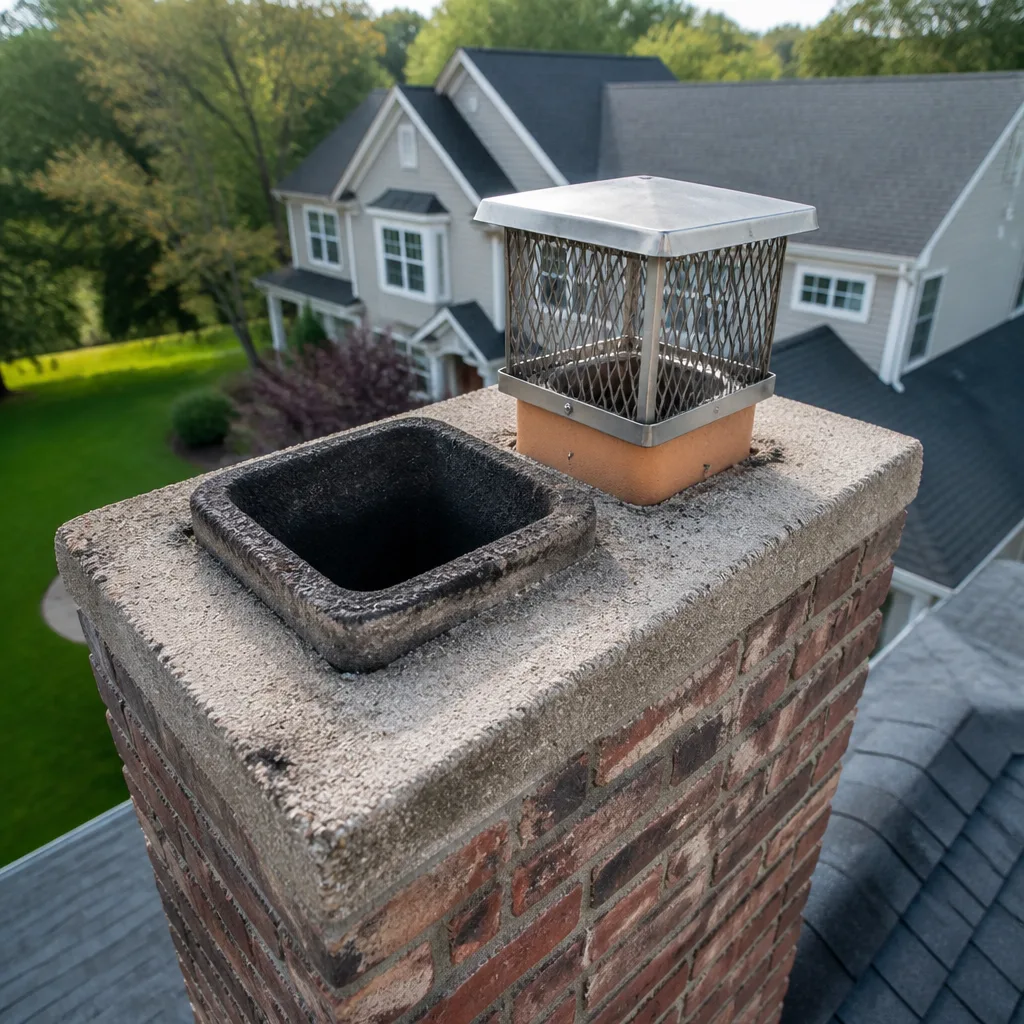 Sweep & inspection
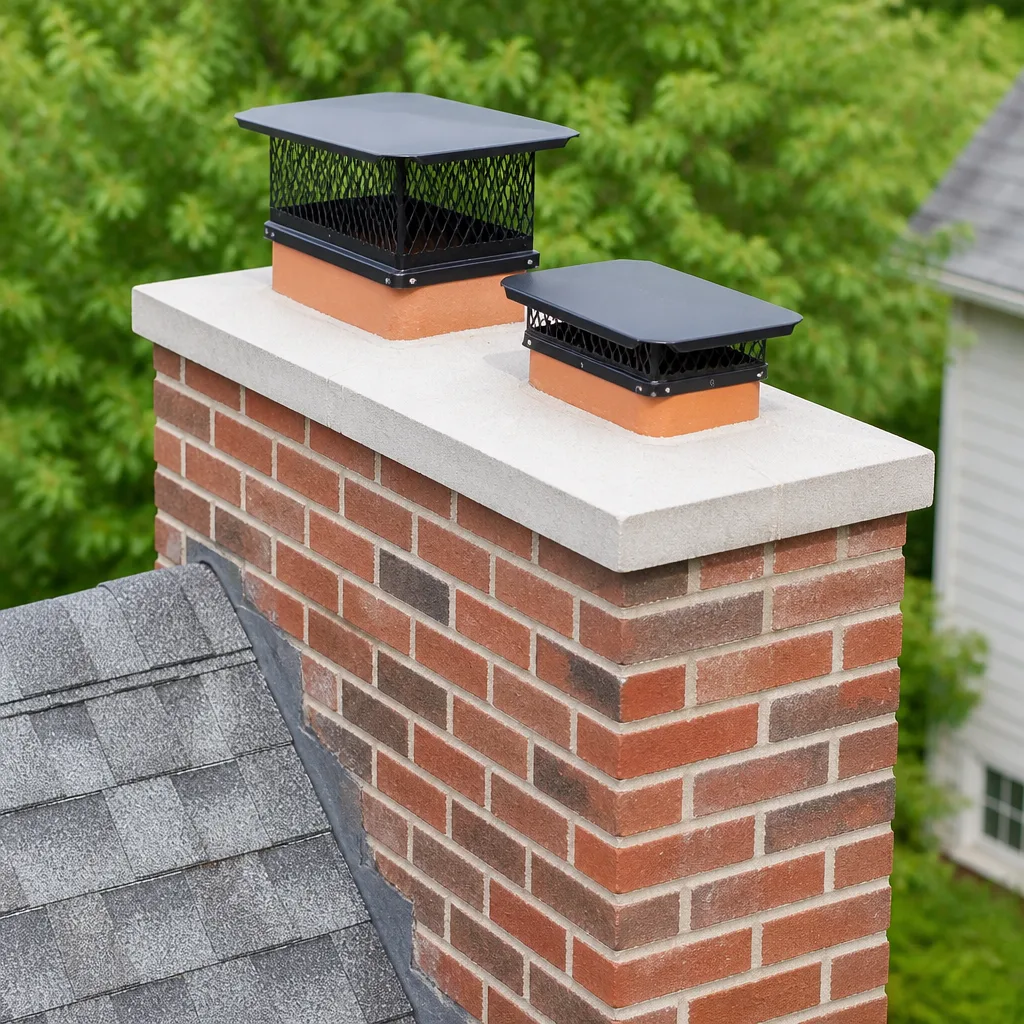 Caps & crowns
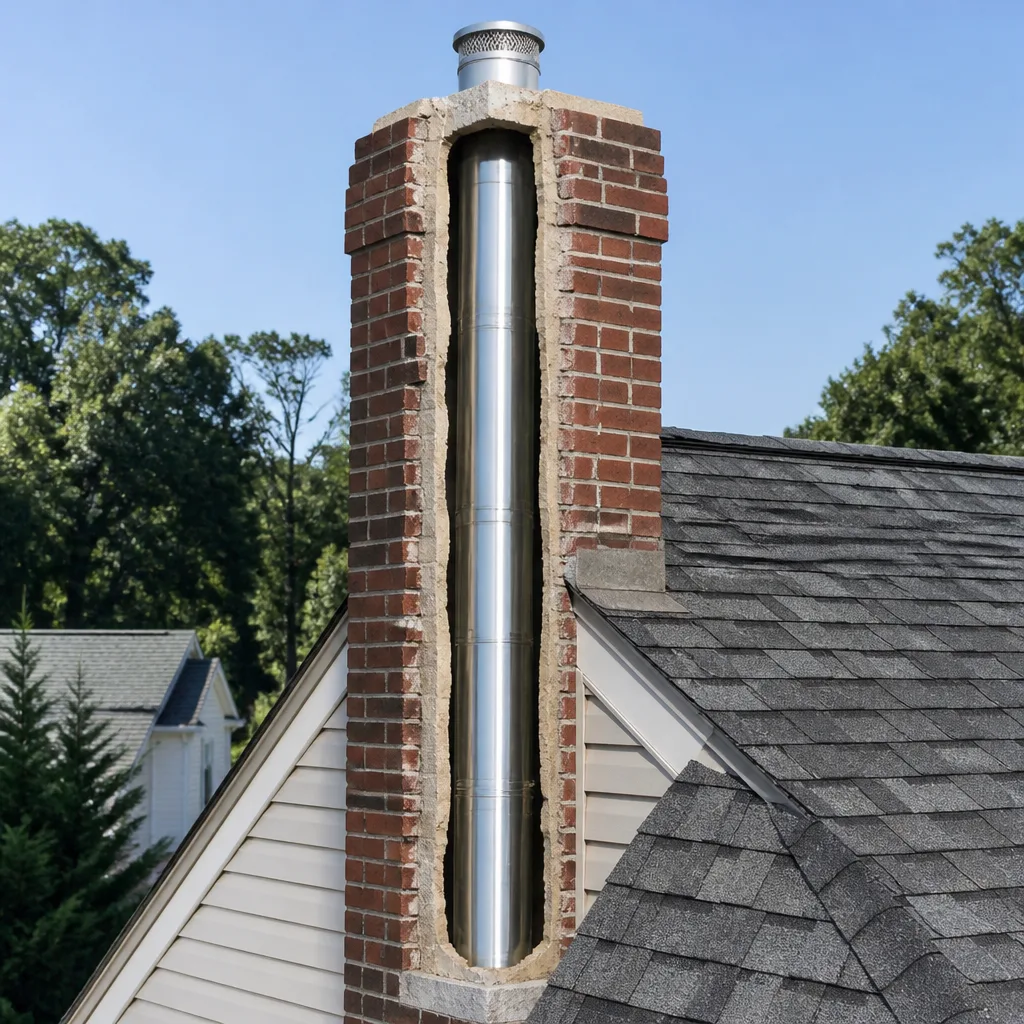 Flue relining
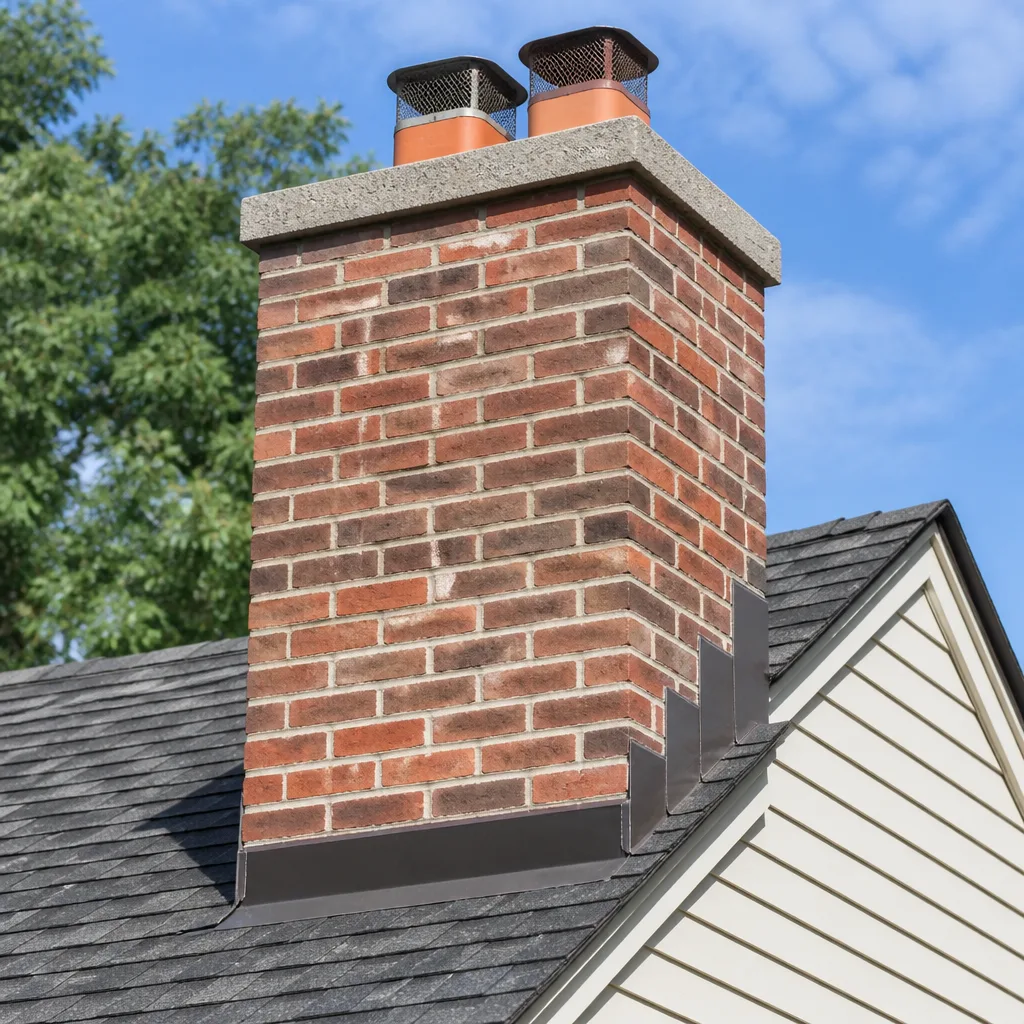 Masonry repair
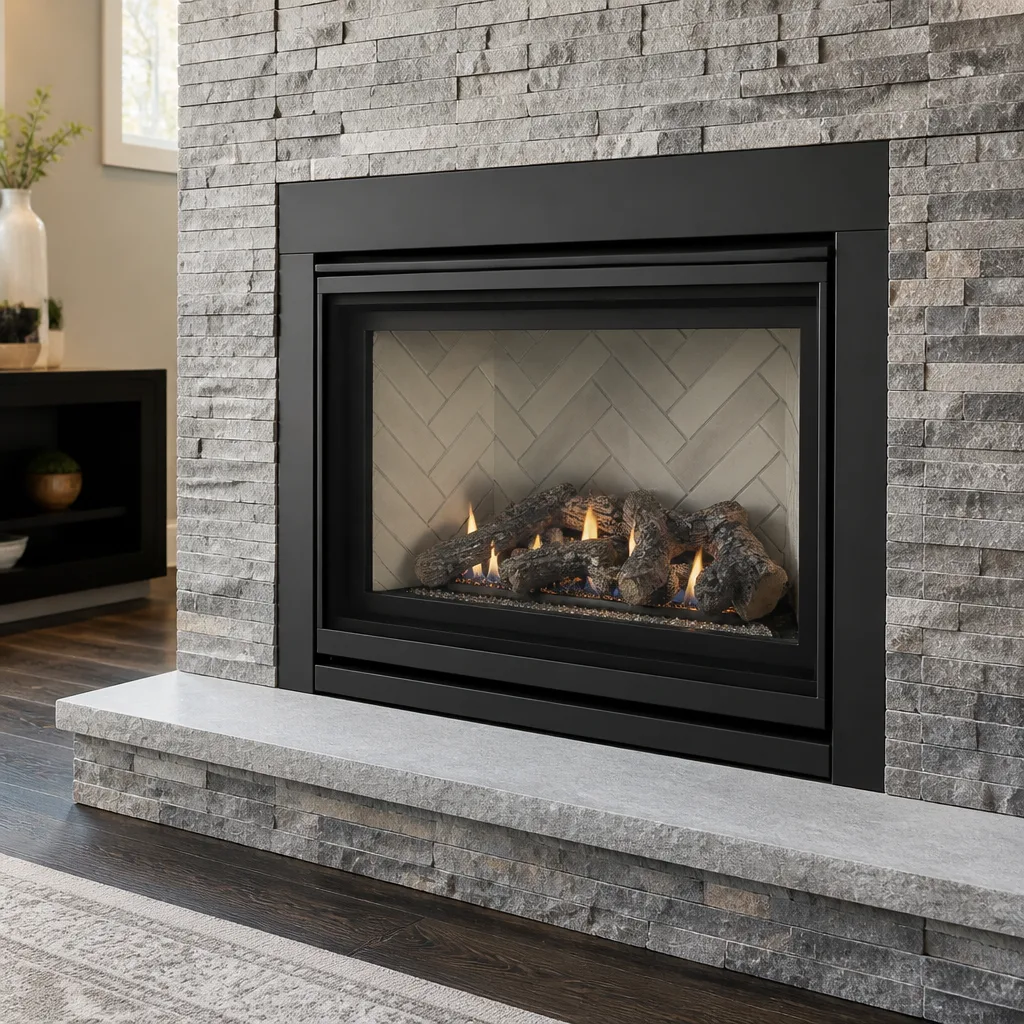 Gas fireplace service
Level 1 sweep and inspection to the NFPA 211 annual standard - flue, crown, cap, and flashing checked and photographed
Chimney sweep logs do not sweep chimneys. They loosen some creosote - which then falls where a brush and vacuum still have to collect it.
Chimney Sweep Maintenance Checklist for Grand Prairie Homeowners
A chimney that sees six weeks of use a year can still fail faster than one that burns every night from October to March. It sounds backwards, but the long idle season is where most Grand Prairie chimney problems start. Heat, pollen, wind and a stretch of months with no fire in the box leave a flue sitting unattended while insects and birds move in and storm gusts work on the cap. Most generic checklists are written for cold-climate houses and miss this entirely. This guide lays out a full maintenance cycle built around how chimneys actually age in North Texas, with the seasonal steps, service intervals and records that hold up when you sell the house or file a claim.
Styles & brands we work with
- Sweep & inspection
- Caps & crowns
- Flue relining
- Masonry repair
- Gas fireplace service
Quick Answer
A Grand Prairie chimney needs a professional sweep and inspection once a year if you burn regularly, and every two years or after any major storm if you only light a few fires a season. Between visits, the highest-value checks are a spring nest sweep-out, a post-storm look at the cap and flashing from the ground, and a written maintenance log. Anything that requires the roof or the inside of the flue belongs to a trained technician.
Table of Contents
- Why Grand Prairie Chimneys Age Differently
- The Off-Season Checklist: What Happens While You’re Not Burning
- Pre-Season Checklist Before the First Fire
- Post-Storm Inspection After North Texas Wind and Hail
- What You Can Check Yourself vs. What Needs a Professional
- Service Intervals Based on How You Actually Burn
- How to Log Maintenance History That Actually Gets Used
- Common Mistakes to Avoid
- When to Call a Professional
- Frequently Asked Questions
Why Grand Prairie Chimneys Age Differently
Grand Prairie sits in a stretch of North Texas where the dominant weather stress is summer, not winter. That flips the usual chimney-maintenance logic. In a cold climate, the chimney is worked hard and the wear shows up in creosote deposits and heat cycling. Here, the masonry and the flue spend far more time drying out than firing up, and the damage tends to come from the outside in.
Three forces matter more than most homeowners expect:
- Long idle seasons. Chimneys that sit unused for months collect dust, leaf litter and pollen. That material blocks airflow and gives insects and birds a stable home.
- Summer heat and sun. The crown, the cap and the top courses of masonry take direct sun for months. Cracking at the crown is one of the most common issues we find on Grand Prairie roofs.
- Storm seasons. Spring and fall storms bring wind-driven rain and hail. The chimney top is the most exposed structure on the roof, and the flashing at the roofline is the most common entry point for water.
The climate is also mild enough that many homeowners never think about the chimney at all until the first cold snap. That delay is what turns a small crown crack into a masonry repair, and a bird nest into a blocked flue. A maintenance cycle built for Grand Prairie treats the off-season as the work period, not the waiting period.
The Off-Season Checklist: What Happens While You’re Not Burning
The months between fire seasons are when Grand Prairie chimneys take on the most hidden damage. A flue that has gone unused since spring may now hold a bird nest, a wasp nest, or a layer of debris that dropped down the stack. None of that is visible from the living room, and none of it clears itself.
Here’s the off-season checklist we recommend for Grand Prairie homeowners:
- Look at the firebox. Open the damper and look up with a flashlight. You’re checking for daylight (good) and any obstruction or nesting material (not good). Don’t reach in.
- Check the firebox floor and walls for rust or crumbling mortar. Rust streaks suggest moisture getting into the flue. Crumbling mortar at the firebox suggests water or heat damage that needs a professional look.
- Walk the yard and look up at the chimney. A cracked crown, a tilted cap or missing mortar joints at the top of the stack are visible from the ground with binoculars on a clear day.
- Check the chimney cap screen. This is the single most overlooked item. A torn or missing screen lets birds and wasps in; a clogged screen blocks draft.
- Look for staining on the ceiling or near the chimney breast inside the house. Any discoloration or soft drywall near the chimney on a rainy day is a flashing or crown issue worth flagging for inspection.
Wasp nests are the most common surprise in Grand Prairie off-season chimneys. They form under the cap and inside the flue crown during warm months, and they don’t announce themselves until a fall day when smoke refuses to draw. Bird nests are the second. Both are a reason to have the flue looked at before you light the first fire, not after.
Pre-Season Checklist Before the First Fire
Before the first fire of the season, a Grand Prairie homeowner should be able to answer three questions: is the flue clear, is the cap intact, and is the firebox safe to light? If any answer is uncertain, book a professional sweep and inspection before you burn. The pre-season window is the right time because it’s before you’ve added a season of creosote to whatever has collected since spring.
The pre-season walkthrough we recommend:
- Clear the firebox. Remove ash and any leftover wood. Ash that has sat for months can hold moisture against the firebox floor.
- Test the damper. It should open and close fully. If it sticks, don’t force it; that’s a service item.
- Confirm the flue is clear. With the damper open, check for light at the top. Any total darkness is a full stop: no fire until the flue has been inspected.
- Inspect the firebox and hearth visually. Look for cracks in the firebox panels, loose bricks, and gaps at the hearth edge.
- Check the cap and spark arrestor from the ground. A missing or damaged screen means nesting can start the day after you light up.
- Schedule the annual chimney sweep. A sweep removes the creosote and debris, and the inspection that comes with it is where the real value sits.
If you’ve burned last season without a cleaning, the pre-season sweep is not optional. Creosote that has been sitting all summer and hardening doesn’t get easier to remove in October.
Post-Storm Inspection After North Texas Wind and Hail
After any significant storm in Grand Prairie, walk the exterior of the house and look up. The two most vulnerable chimney components in North Texas storms are the cap and the flashing at the roofline, and both can be damaged without an obvious symptom from inside the house.
Post-storm checks that don’t require a ladder:
- Is the cap still square on the flue? A tilted cap means wind has shifted it, and it will let water follow the flue down.
- Is the spark arrestor screen intact? Hail punches through weak screen mesh, and once it’s torn the cap stops doing its job.
- Is there new staining on the brick or mortar near the roofline? Wind-driven rain will find any new crack.
- Is there any new discoloration on interior ceilings or near the chimney chase after a heavy rain?
- Are there shingle or flashing pieces visible on the ground near the chimney?
Anything on that list sends us to the roof. A professional inspection can see the crown, the flashing, and the top of the flue up close, which the homeowner simply can’t do from the ground. That’s also where we check for damage that’s cosmetic now and will become a leak later. Chimney repair done early, on evidence, is cheaper than the ceiling repairs that follow a slow leak. When we recommend repair, we point to what we saw in the inspection so the homeowner can make the call on the facts, not on a sales pitch. If the crown is cracked but stable and the flashing is intact, we’ll say it can wait until the next cycle. If the flashing has separated, it can’t. Our role at Banner Chimney Sweep is to inspect first and recommend second, with a photo record you can review.
What You Can Check Yourself vs. What Needs a Professional
The line between DIY and professional chimney work is straightforward: you can look at the chimney from the ground, and you can look at the firebox from the hearth. Everything above that belongs to a trained technician. The roof and the flue are the two areas where a homeowner can get hurt or cause damage.
Safe for the homeowner:
- Visual inspection of the cap and crown from the ground with binoculars
- Opening the damper and looking up into the flue with a flashlight
- Clearing the firebox of ash and leftover wood
- Checking the chimney cap screen for obvious nesting material
- Looking for ceiling and wall staining after a heavy rain
- Keeping a written maintenance log
Professional only:
- Any work on the roof, crown, cap or flashing
- Cleaning the flue itself
- Inspecting the flue interior, which requires a camera and the experience to read what it shows
- Checking for cracks in the flue liner or masonry joints
- Any gas appliance flue work, which carries carbon monoxide risk and needs a trained professional with proper instruments
- Any repair involving the flue liner or firebox masonry
Gas fireplace inserts are common in Grand Prairie homes, and we want to be direct about them. A gas flue that isn’t venting properly can send carbon monoxide back into the house, and the signs aren’t visible. That check belongs to a professional with a combustion analyzer, every time.
Service Intervals Based on How You Actually Burn
The “once a year” rule most homeowners hear is a rough average, not a schedule. The right interval depends on how often you burn, what you burn, and how old the chimney is. A Grand Prairie homeowner who burns a dozen fires a season doesn’t have the same cleaning need as someone who heats with wood insert fires from November to February.
Here’s how we think about intervals for Grand Prairie homes:
- Heavy use (fires most nights through the season, or a wood insert): annual sweep and inspection, every year, no exceptions.
- Moderate use (a few fires a week during the cold months): annual inspection, sweep when the inspection shows a meaningful deposit layer.
- Light use (a handful of fires a season): inspection every year, sweep as needed. Even light use requires an annual inspection because the off-season problems are still present.
- Gas insert only: annual inspection of the vent and the appliance connection. No creosote, but venting still needs verification.
- Any chimney, after any major storm with visible roof damage: inspection, regardless of when the last one was done.
The National Fire Protection Association’s NFPA 211 standard is the industry reference for chimney inspection levels, and it’s what our inspections are designed around. An annual inspection is the baseline. A sweep is done when the inspection says it’s needed. We don’t sweep a chimney on a schedule just because a year has passed; we sweep it because the flue needs it.
How to Log Maintenance History That Actually Gets Used
A maintenance log that lives in your head has zero value at resale and less with an insurer. A log that’s written down and dated is one of the most useful documents you can keep on a Grand Prairie home, because it answers the two questions that come up when you sell or file a claim: has this chimney been maintained, and what was done when?
Here’s what to record, and why each item matters:
- Date of every sweep and inspection. The date anchors everything. Insurers and buyers want to see a consistent record, not a single visit.
- Who did the work. The company name and the service performed. Keep the invoice or report.
- What was found. This is the piece most homeowners skip. Note the condition of the flue, the cap, and the flashing at the time of inspection. If the inspection report flagged a crown crack as “monitor,” record that.
- What was repaired. Any liner work, cap replacement or masonry repair should be logged with the material used and the date. If a DuraFlex liner system was installed, note it. If HeatShield resurfacing was done on the flue, note it. That record matters years later.
- Storm events. If a storm caused visible roof damage, note the date and whether the chimney was inspected afterward. This is exactly what an insurance adjuster will ask.
- Photos. A few dated photos of the chimney top and firebox each year, stored in the same folder as the log, will carry more weight than any written description.
A simple folder with a paper log and invoices is enough. So is a folder on your phone. The format doesn’t matter. The habit does.
What a Professional Annual Service Should Cover
When you book an annual service, you should know what’s included. A full professional visit in Grand Prairie should cover both the cleaning and the diagnostic side, and the two should be linked: cleaning without inspection misses the cracks, and inspection without cleaning misses the deposit load. We do both on the same visit so you have one report.
A complete annual service typically covers:
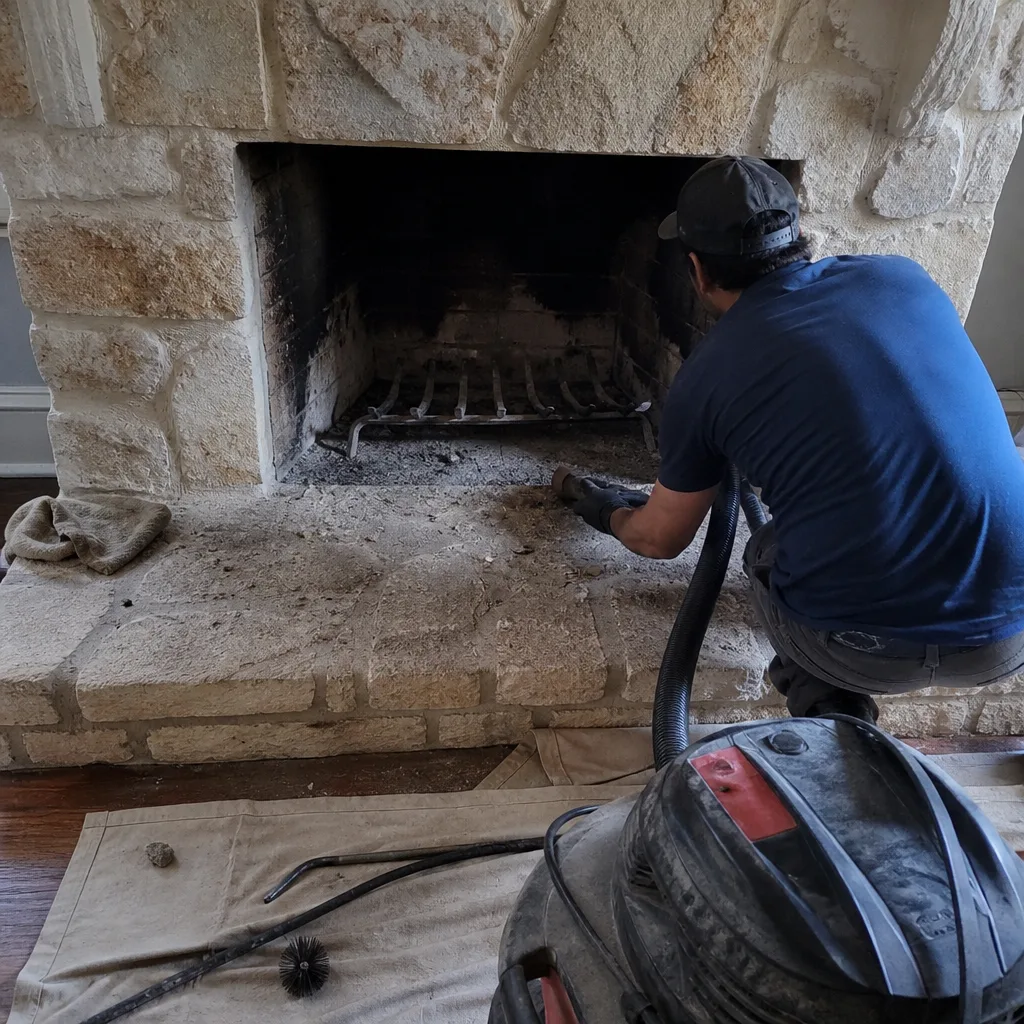
- Cleaning the flue to remove creosote and debris
- Cleaning the firebox and smoke chamber
- Inspecting the flue interior with a camera to check for cracks, gaps and liner condition
- Checking the damper, the cap and the spark arrestor
- Inspecting the crown and the flashing from the roof
- Checking the exterior masonry for missing mortar and loose brick
- A written report of findings, with photos
For homes with a gas insert, the service also covers venting verification and a check of the appliance connection. If the flue needs restoring, we use HeatShield ceramic resurfacing, which is a trade-grade product designed for flue rehabilitation. If the venting needs to be upgraded to a code-compliant system, we install DuraFlex liner systems. These aren’t hardware-store fixes. They’re the materials professionals specify because they hold up long-term.
Common Mistakes to Avoid
- Treating the off-season as downtime. The months between fire seasons are when nests form, screens tear and crowns crack. A chimney that got no attention from April to October is the one that fails in November.
- Burning without checking the flue first. A blocked flue pushes smoke and carbon monoxide back into the house. A two-minute flashlight check before the first fire of the season catches most problems.
- Hiring the cheapest bid without a report. A sweep that doesn’t come with an inspection and a written record gives you no way to know what’s happening inside the flue. Insist on the inspection.
- Skipping the post-storm look. Grand Prairie storms crack crowns and pull flashing loose. A five-minute ground-level check after a major weather event catches visible damage before it becomes a leak.
- Keeping no record. Without a log, a resale inspection can’t verify maintenance and an insurance claim has no paper trail. Keep the invoices and the dated reports.
- Assuming a gas insert needs no annual service because there’s no soot. The vent still needs verification, and a venting failure is a carbon monoxide risk that has no visual warning.
- Putting off a flagged repair because it looked small. A hairline crown crack becomes masonry water damage. A flagged liner issue becomes a full liner replacement. Small repairs done on schedule stay small.
When to Call a Professional
Call a professional chimney company in Grand Prairie if any of these are true: you haven’t had the chimney inspected in the past year; you see daylight or an obstruction in the flue with the damper open; you have a gas insert that hasn’t been serviced in the last year; you notice staining on the ceiling or near the chimney after rain; the cap, crown or flashing looks damaged from the ground; or the chimney took visible storm damage on the roof. Any of those is a reason to book a visit, and any of them is also a reasonable reason to hold off on lighting a fire until the visit is done.
Banner Chimney Sweep offers free estimates in Grand Prairie. Call (833) 633-6933. We answer 24/7. Fast dispatch from 7am to 7pm, Sunday through Friday. Our technicians have up to experience, and every visit includes a written report with photos so you can see what we saw.
Frequently Asked Questions
A Grand Prairie chimney should be swept every year if you burn regularly through the season, and every two years or as needed if you only light a few fires a year. Even with light use, the annual inspection matters because the off-season creates problems a calendar year doesn’t catch. Call (833) 633-6933 for an exact quote; estimates are free.
A sweep cleans the flue, and an inspection assesses its condition. They’re different services, and in practice you need both, because a clean flue can still have a cracked liner that only an inspection will find. Our annual service covers both on the same visit.
Yes, for anything involving the crown, cap, flashing or masonry, because those require safe roof access and the experience to identify damage that looks cosmetic but isn’t. A homeowner can safely check those items from the ground. Scaling a roof to look at a cap is where accidents happen, and a trained professional can also spot the damage a binocular check misses. Call (833) 633-6933 to book; estimates are free.
Creosote builds up, the flue drops its draft, and storm and off-season damage compounds without anyone noticing. The risk that matters most is chimney fire and carbon monoxide backdraft from a blocked or cracked flue, and both can develop without a symptom in the living room. None of it is visible from the sofa. Call (833) 633-6933 for an inspection; estimates are free.
Yes. An unused chimney still collects nesting material, water and storm damage, and a gas insert flue still needs its venting verified. An unused chimney is arguably more at risk for off-season nesting because nothing is burning to discourage it. Call (833) 633-6933 to book a visit; estimates are free.
Ask for the photos and the report. A repair recommended on evidence you can see holds up; one recommended on a verbal description doesn’t. We document what we find, show you what we saw, and tell you when a repair can safely wait until next season. Call (833) 633-6933 for an inspection; estimates are free.
The Bottom Line
A Grand Prairie chimney needs a maintenance cycle built around its actual conditions, not a cold-climate template. The off-season is when nests and screens fail. The storm seasons are when caps and flashing take damage. And the annual inspection is what catches both before they become a repair. Book the sweep and inspection once a year, check the exposed parts yourself from the ground in between, log everything, and treat a flagged small repair as something to schedule rather than postpone. If you’re not sure where your chimney stands, a written inspection will tell you. Call (833) 633-6933. We answer 24/7. Fast dispatch from 7am to 7pm, Sunday through Friday. Our technicians have up to experience, and every visit includes a camera inspection and a written report so you can review the findings yourself.
Banner Chimney Sweep handles sweep, inspection and repair as one chimney-only specialist, using trade-grade materials and an inspect-first approach. If your last service was more than a year ago, the next step is a chimney repair review with a fresh inspection. For a full sweep and inspection, book with us today. Estimates are free.
Written by the team at Banner Chimney Sweep.
See the difference
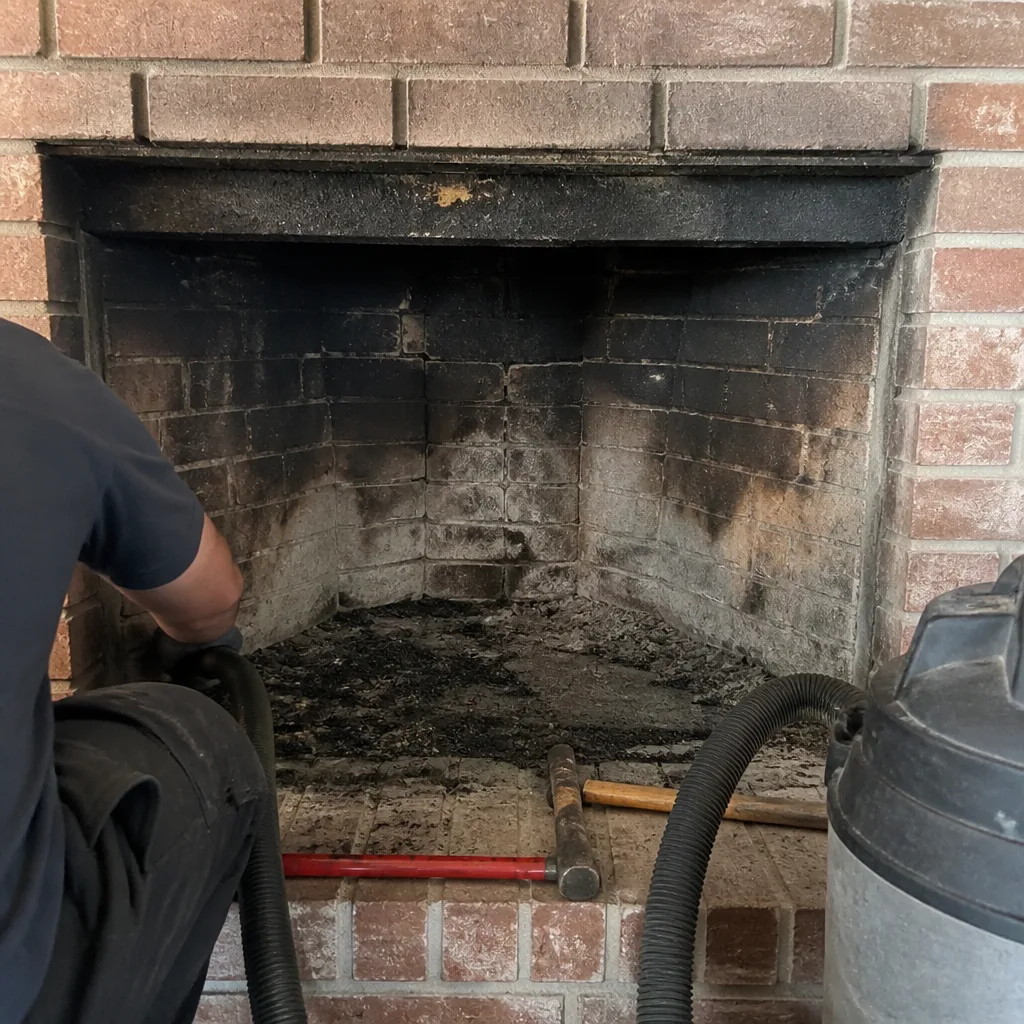 Before
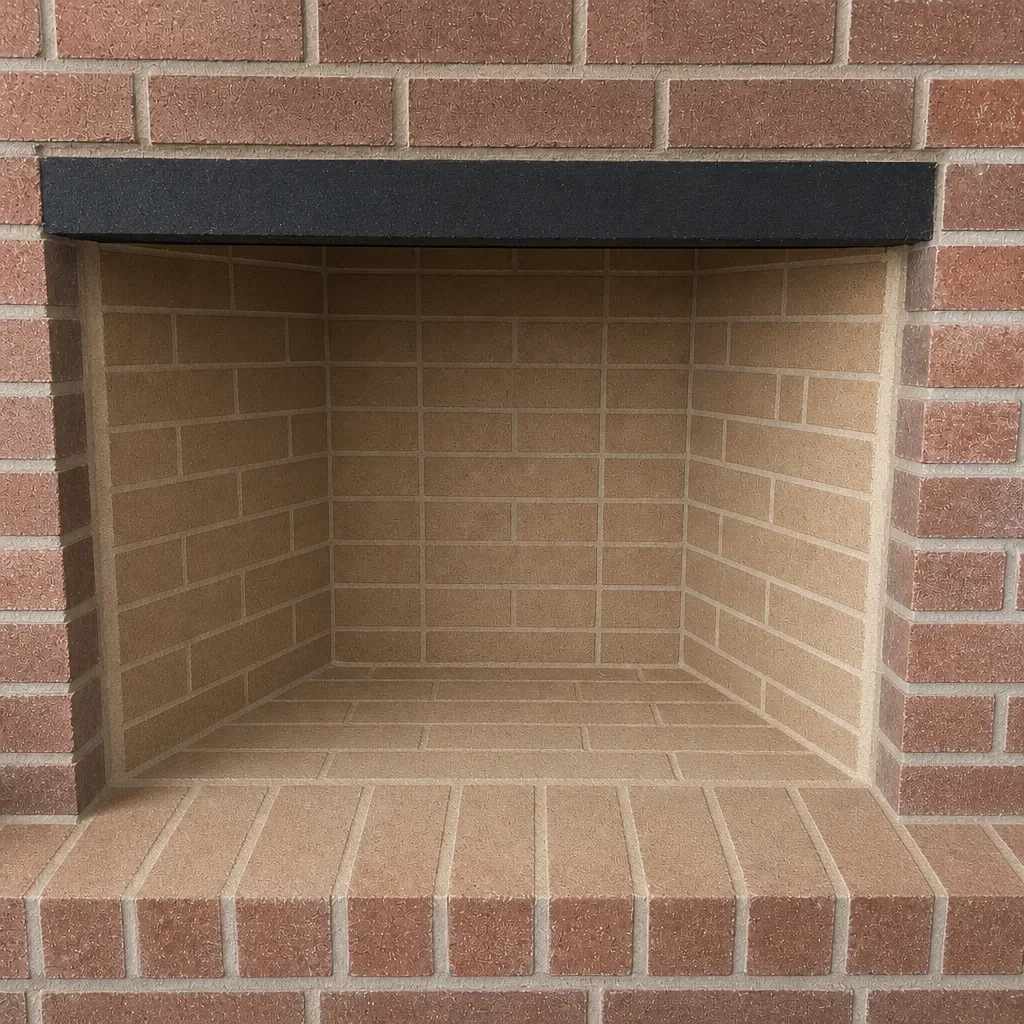 After
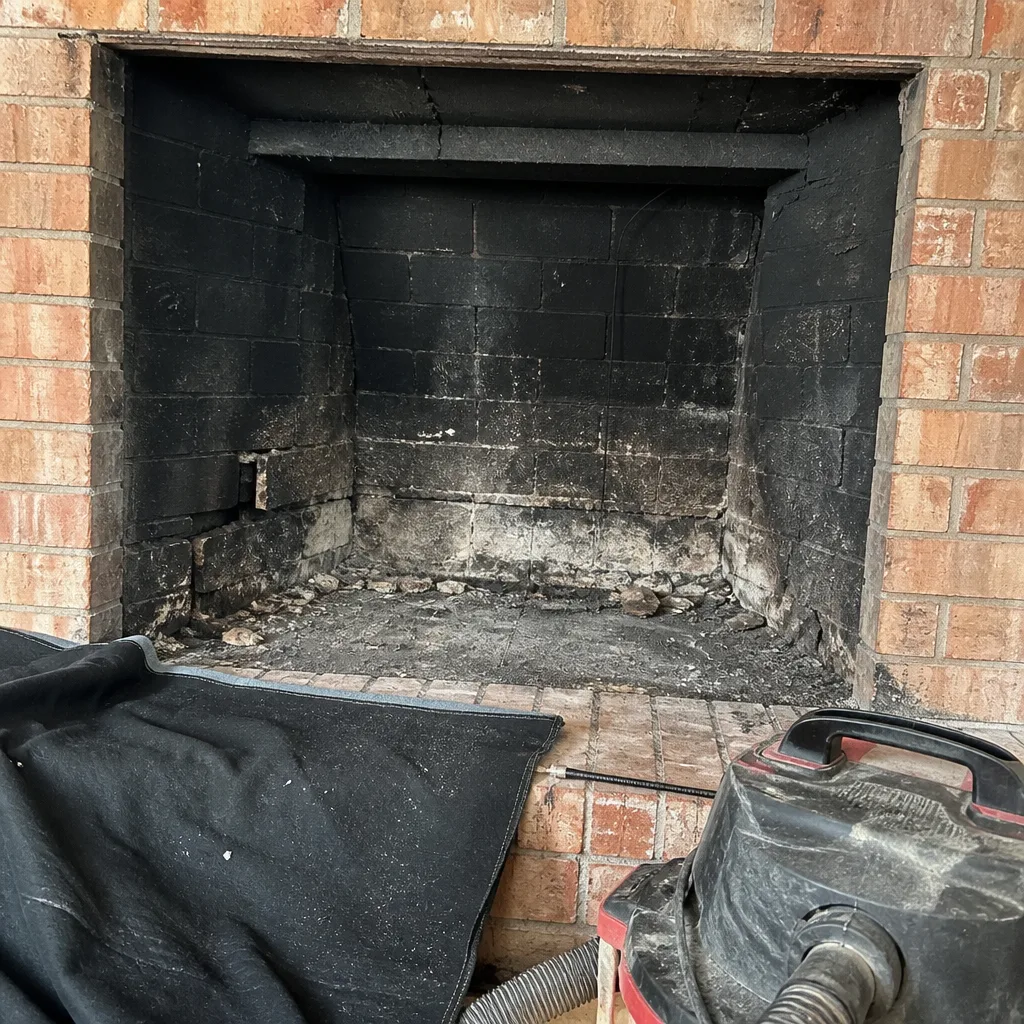 Before
 After
 Before
 After