
Last updated November 15, 2026
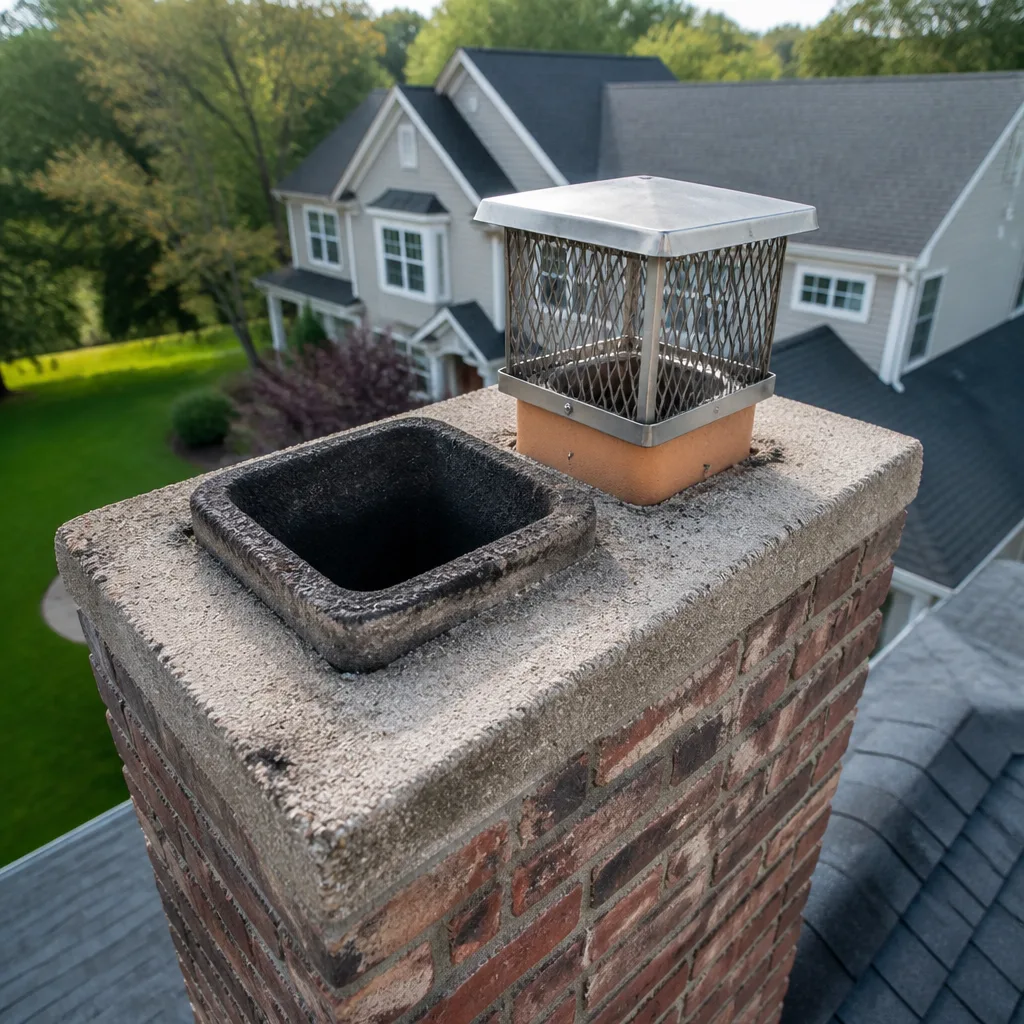 Sweep & inspection
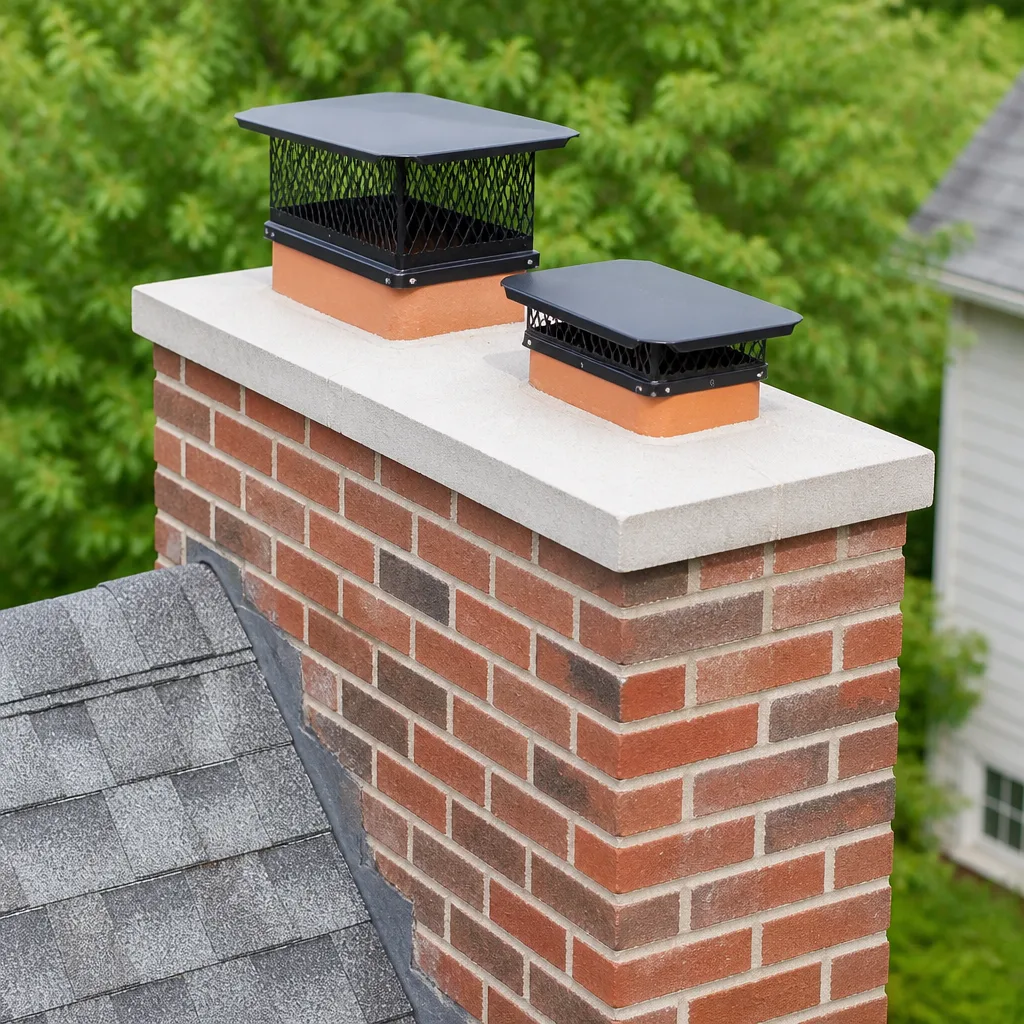 Caps & crowns
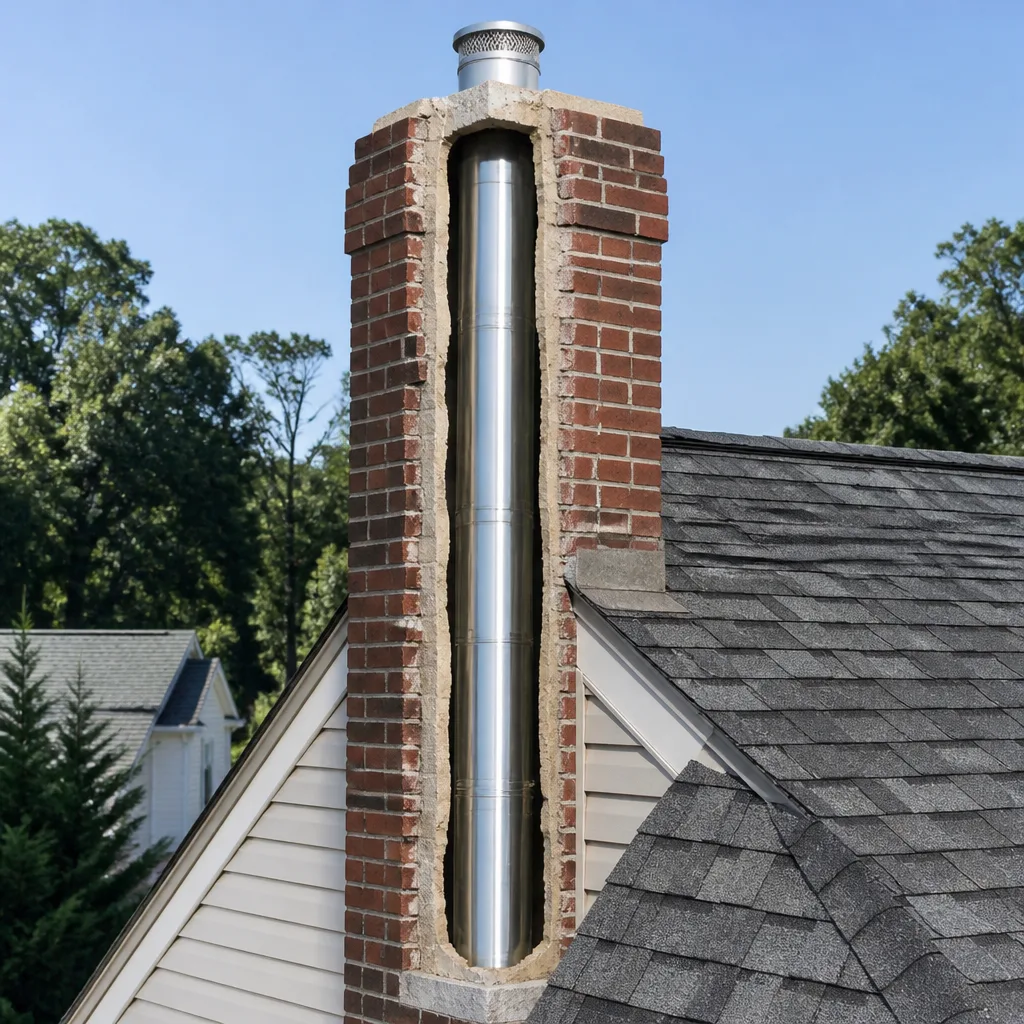 Flue relining
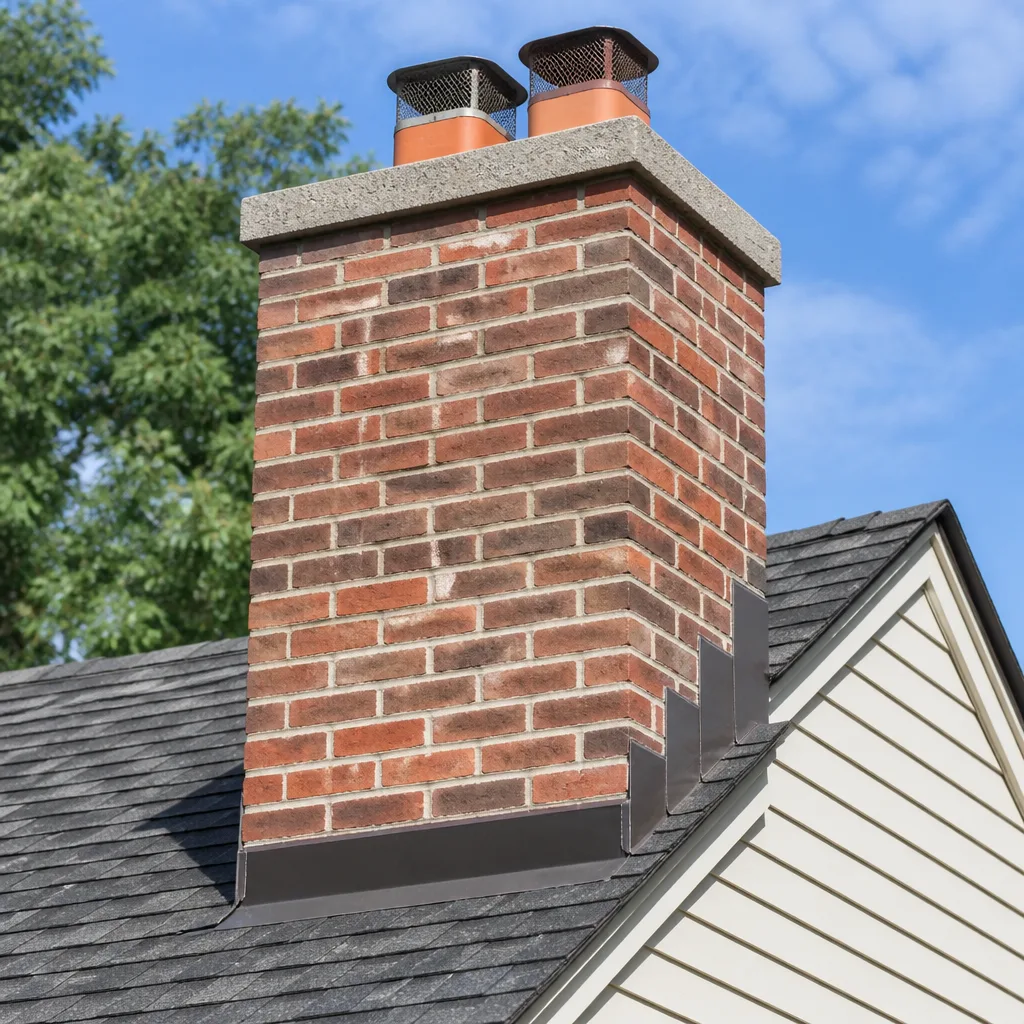 Masonry repair
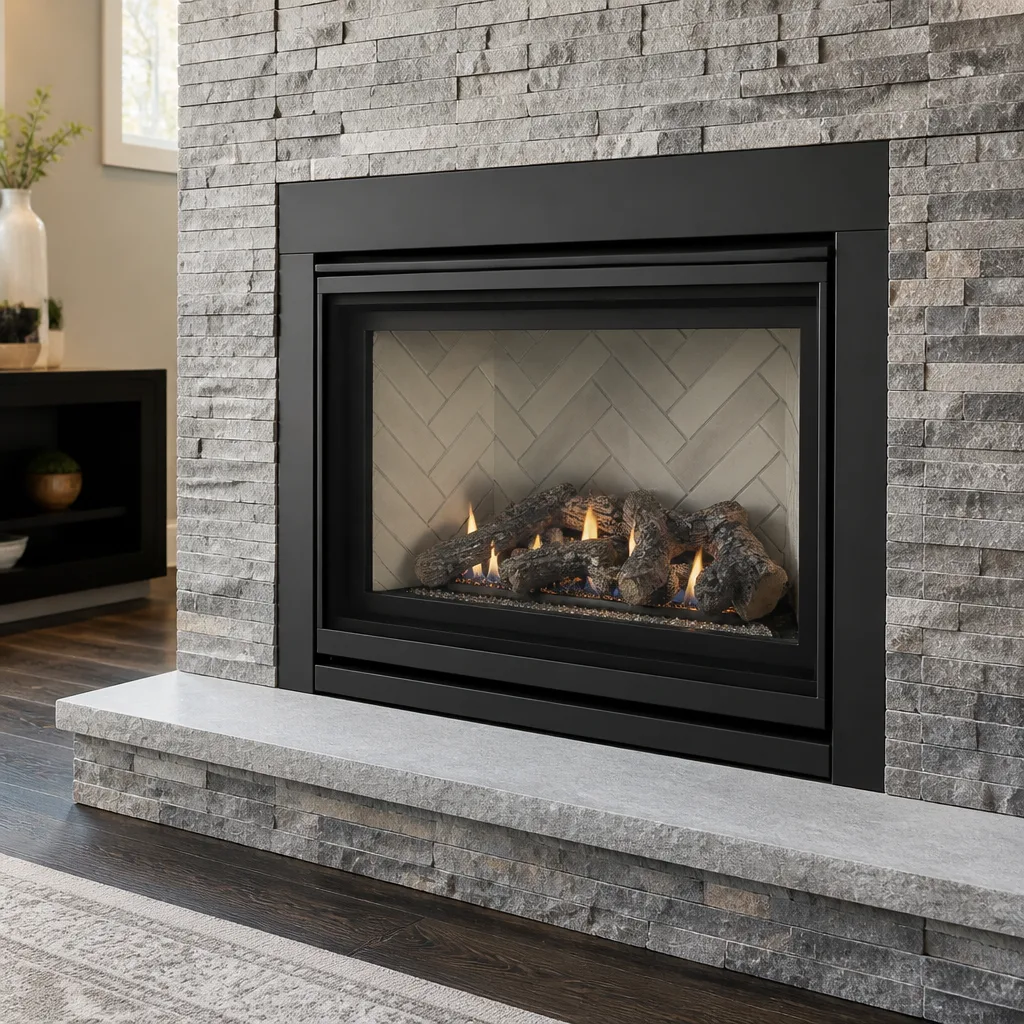 Gas fireplace service
Level 1 sweep and inspection to the NFPA 211 annual standard - flue, crown, cap, and flashing checked and photographed
Chimney sweep logs do not sweep chimneys. They loosen some creosote - which then falls where a brush and vacuum still have to collect it.
Chimney Sweep Maintenance Schedule: What to Do and When
Annual chimney cleaning is the minimum, not the plan. Homeowners who treat it as a single yearly checkbox tend to be the ones calling for emergency service in January, because a sweep only clears what has already built up. It doesn’t tell you whether the crown is cracked, whether the cap is rusted through, or whether a firebox joint has started to open. Those problems announce themselves at the worst possible moment, and they announce themselves loudly. This guide lays out a real maintenance calendar for a wood-burning home in Grand Prairie: what to do before the burn season, what to watch mid-season, and why the smartest inspection of the year happens in spring, not fall.
Quick Answer
A proper chimney maintenance schedule has three fixed checkpoints: a pre-season sweep and inspection in late September, a mid-season visual check of your own, and a post-season inspection in March or April to catch winter wear before the humid summer sets in. Occasional wood-burners in Grand Prairie can often go longer between full sweeps, but regular burners should clean yearly. The tasks that prevent expensive repairs, like cap condition and crown sealing, belong to the spring inspection, not the fall one.
Styles & brands we work with
- Sweep & inspection
- Caps & crowns
- Flue relining
- Masonry repair
- Gas fireplace service
Table of Contents
- Why a Schedule Beats a Single Annual Cleaning
- Before the Burn Season: Late September
- Mid-Season: The Checks You Can Do Yourself
- After the Last Fire: Why March or April Is the Smart Inspection Window
- How Often You Actually Need a Sweep in Grand Prairie
- What’s Homeowner-Appropriate and What Isn’t
- The Three Most-Skipped Items That Cause the Costliest Repairs
- Understanding Chimney Inspection Levels
Why a Schedule Beats a Single Annual Cleaning
Most homeowners know the general rule: sweep once a year. What they miss is that “once a year” is a frequency, not a plan. The timing of each task matters as much as the task itself, and the sequencing is the part that catches people out.
Think about what a chimney actually goes through over twelve months. It burns wood for a few months, sits dormant through a warm and humid stretch, and then gets fired up again. Creosote that builds up during the burn season sits in the flue all summer. Masonry that took on a little water in winter dries out and cracks in the heat. A cap that lost a screw in a spring storm leaves the flue open to rain and nesting birds for months before anyone notices.
A single autumn cleaning catches the creosote. It doesn’t catch the summer damage, because by late September the problem has been quietly developing since April. That’s why we treat the calendar as two inspections and one cleaning, not one visit.
Here in Grand Prairie, with its mild winters and long humid summers, the gap between “last fire” and “next fire” is where most slow damage happens. A schedule that puts eyes on the chimney in spring and hands on it in fall catches both the buildup and the wear. The homeowners who keep calling back about the same stubborn draft or smoke issue are usually the ones who’ve only ever had the autumn visit.
- Fall visit: sweep away the creosote and clear the flue before you start burning.
- Spring visit: inspect the exterior and interior for wear after the burn season.
- Your own checks: simple visual observations between the two professional visits.
Before the Burn Season: Late September
Late September is when a chimney should be swept and inspected, before the first fire, not after. If you burn regularly, that means a full cleaning plus a Level 1 inspection. Waiting until you’ve had your first cold night and then discovering a blocked flue is the wrong order of operations.
Here’s how the pre-season visit typically goes:
- Book the sweep. Get it scheduled in September so you’re not competing with everyone else the week the weather turns.
- Have the flue cleaned. A proper chimney sweep removes creosote and soot buildup and confirms the flue is clear of nests, debris, or a dropped liner section.
- Get a Level 1 inspection. This covers the readily accessible parts of the system: firebox, damper, flue, and the exterior you can see from the ground.
- Confirm the cap and screen. A missing or damaged cap is an open invitation to rain and wildlife all winter.
- Test the damper. It should open and close smoothly by hand. Stiff or stuck dampers are easier to fix now than mid-winter.
- Check your wood supply. Seasoned wood burns cleaner and produces less creosote. If you can, get your cords stacked and drying weeks ahead.
If the sweep turns up a problem, the late-September window gives you time to schedule a chimney repair before you need the fireplace. Booked in November, that same repair might mean missing the start of the season.
Mid-Season: The Checks You Can Do Yourself
Mid-season checks are about noticing changes, not fixing anything. Once or twice during the burn season, take a few minutes to look at the parts of the system you can safely see. This is not the time to climb a ladder or reach into the firebox with tools.
What’s reasonable for a homeowner to observe:
- Smoke behavior. Does smoke drift back into the room when you light a fire, or does it draw up cleanly? A sudden change in draft is worth noting.
- Creosote visible near the damper. A quick look up through an open damper with a flashlight shows whether heavy soot or glaze is accumulating. You don’t need to reach in; just look.
- The cap, from the ground. Binoculars work fine. Check that the cap is still seated and the screen intact, especially after a windy spell.
- Damper operation. Open and close it by hand to make sure it still moves freely.
- Staining or odor. Any new brown staining on the exterior masonry, or a persistent smoky smell in the room, is a signal to call a professional.
- Burn quality. If a fire that used to burn well now smolders or produces more smoke, that’s a draft clue worth mentioning to your sweep.
None of this replaces a professional inspection. But a homeowner who notices a change in mid-January can call us and get it looked at, rather than waiting until the season ends and letting a small issue sit for months. We answer 24/7, and fast dispatch from 7am to 7pm gets a technician out to assess it.
After the Last Fire: Why March or April Is the Smart Inspection Window
The post-season inspection in March or April is the most underused part of the schedule, and in our experience it’s the one that saves the most money. Here’s the reasoning: winter is when the chimney takes the most stress, and spring is when the evidence of that stress is still fresh and visible. By fall, some of it has sat through months of Texas heat and humidity.
Look at what happens to a masonry chimney across a Grand Prairie year. The burn season delivers heat and creosote. The masonry absorbs a little moisture from rain and from the humid summer air. The crown, the cap, and the mortar joints are all vulnerable to slow deterioration, and that deterioration is easiest to catch and treat in spring, when the materials are still stable and before the wet season does its work on them.
A spring inspection uses the same Level 1 framework as the fall visit, but the purpose is different: we’re looking for what winter did. That means checking the crown for cracks, the cap for rust or looseness, the firebox joints for separating mortar, and the liner for any signs of damage. Catching a hairline crown crack in April is a small repair. Ignoring it until October, after a summer of rain has worked into it, is a bigger one.
The other advantage: a spring inspection gives you a working to-do list with months to spare. If something needs repair, you can get it scheduled well before the season starts. That’s the opposite of the fall scramble, when everyone remembers their fireplace at once. “Inspect first, recommend second” is the principle here, and spring inspection is where that principle pays off most.
How Often You Actually Need a Sweep in Grand Prairie
How often you need a sweep depends on how much you burn, not on a fixed calendar. Grand Prairie’s mild winters mean a lot of fireplaces see only a handful of fires a season, while others see near-daily use through the cold months. Those two homes need very different intervals.
- Occasional user (a fire a week or less in winter): a yearly sweep is still the sensible baseline, but the buildup is slower, so the cleaning is often light. Don’t skip the inspection just because the flue looks clean on the surface.
- Regular wood-burner (several fires a week): clean the flue every year without fail, and it’s worth having the sweep look at the creosote pattern to decide whether a mid-season check is needed.
- Heavy burner (a fire most days through winter): yearly cleaning at minimum, and a professional look-partway through the season if you’re producing visible glaze.
- Gas insert or gas log set: gas produces far less of the soot and creosote that wood does, but the venting still needs periodic inspection, and gas appliances need their own safety checks. Don’t assume “no wood, no maintenance.”
In Grand Prairie, the mild winters mean many homes fall into the occasional-user category, and those homeowners often get a false sense that their chimney doesn’t need attention. It does; it just needs a different schedule. The point of the burn-frequency conversation is to match the interval to the actual use, so you’re not over-cleaning a barely-used fireplace or under-maintaining a heavily-used one.
What’s Homeowner-Appropriate and What Isn’t
Some chimney tasks are safe for a careful homeowner to handle. Others are genuinely dangerous and should be left to a trained professional. Knowing the line is part of a good maintenance schedule.
Homeowner-appropriate tasks:
- Visual checks of the firebox and damper. Look, don’t touch beyond operating the damper handle.
- Cap inspection from the ground. Use binoculars to confirm the cap is seated and the screen is intact. Don’t climb on the roof to check it.
- Damper operation. Open and close it regularly to keep it from seizing.
- Clearing combustible clutter away from the hearth. Keep furniture, rugs, and decorations clear of the fireplace opening.
- Ash and grate cleanup. Removing ash from the firebox as part of routine care is reasonable, following the fireplace manufacturer’s guidance.
- Fire management. Burning seasoned wood and avoiding excessive paper or trash is a routine habit that reduces creosote.
Leave these to a professional:
- Anything on the roof. Roof access is a genuine fall hazard, and steep or wet roofs make it worse. This is a job for a trained technician.
- Cleaning the flue itself. Proper flue cleaning requires the right brushes and knowledge of the lining material, and a wrong brush can damage a liner.
- Inspecting the interior of the flue, liner, and crown. These need the right tools and a trained eye, and small defects are easy to misread.
- Opening up or repointing masonry. Firebox joints and crown repairs are skilled masonry work, not a DIY patch job.
- Anything involving gas piping or venting. Gas work has real safety implications and belongs to a qualified professional.
Where safety is concerned, a trained technician belongs in the loop. An obstructed flue or a compromised liner can let smoke and carbon monoxide back into the home, which is a serious hazard. Our team is trained specifically in flue, liner, cap, and masonry systems, which is the level of attention those parts deserve.
The Three Most-Skipped Items That Cause the Costliest Repairs
We see the same three maintenance items get put off again and again, and it’s these, not dirty flues, that produce the largest repair bills. Keep them on the calendar.
1. Cap Condition
The cap sits on top of the stack and keeps rain, snow, and animals out of the flue. When it rusts, comes loose, or loses its screen, water gets in and wildlife moves in. Water in the flue is a slow problem: it damages the lining and the masonry over a season and often isn’t visible until significant harm is done. A cap that’s checked each spring and kept in place is one of the cheapest forms of protection there is. When a cap does need replacing, we work with brands like Copperfield, which specialty technicians use for exactly this kind of component.
2. Crown Sealing
The crown is the concrete slab at the very top of a masonry chimney. Its job is to shed water away from the masonry below. Hairline cracks in the crown let water seep into the chimney structure, where it can cause spalling and mortar deterioration that’s expensive to correct. Catching and sealing a crown crack early is straightforward; catching it late is a masonry restoration. This is exactly the kind of wear a spring inspection is designed to find.
3. Firebox Joint Repointing
The firebox takes the direct heat, and its mortar joints slowly wear. When joints open up, combustion gases can find paths they shouldn’t, and the firebox itself weakens. Repointing those joints is a skilled job, and it’s one homeowners frequently don’t think about because it’s inside and easy to overlook. Inspected in spring, it’s a routine maintenance item; ignored for years, it’s a firebox rebuild.
For the more involved repairs, we specify trade-grade materials rather than hardware-store fixes. DuraFlex liner systems for venting upgrades and HeatShield ceramic resurfacing for flue restoration are products chimney professionals specify because they hold up. Our approach is to use them where they’re the right answer, not as a first resort.
Understanding Chimney Inspection Levels
When your sweep recommends an inspection, it helps to know what the levels mean, so you understand what you’re getting and why it was suggested.
- Level 1: The standard inspection for a chimney with no known problems, covering all readily accessible parts of the system: firebox, damper, flue, and the visible exterior. This is the right inspection for both your fall and spring visits when nothing has changed.
- Level 2: A more thorough inspection, typically recommended after a chimney fire, a change in the appliance or fuel type, a property sale, or when a Level 1 inspection turns up a concern. It looks more closely at the flue’s interior and condition.
- Level 3: The most detailed inspection, which can involve opening parts of the structure to access concealed areas. It’s reserved for specific problems that can’t be assessed otherwise.
At Banner Chimney Sweep, our inspection services are designed to meet or to inform compliance with NFPA 211 chimney inspection standards, which is the framework most chimney professionals work to. The important part for a homeowner is the recommendation that follows: because we inspect first and recommend second, anything we suggest is based on what the inspection actually found, not on a set of assumed repairs. If a problem can safely wait, we’ll say so, and put it on the schedule for a later visit.
Common Mistakes to Avoid
- Skipping the spring inspection entirely. A fall sweep doesn’t catch the wear a full burn season caused, and by the next fall the damage has had months to worsen through the humid Grand Prairie summer. Make the March or April inspection as routine as the fall cleaning.
- Cleaning the flue yourself. The wrong brush can damage a liner, and roof access is a real fall hazard. A trained sweep will catch lining damage you can’t see. Leave the flue cleaning to a specialty company.
- Ignoring the cap until it falls off. A loose or rusted cap lets water and animals into the flue. Check it from the ground, and have it looked at if anything seems off. It’s far cheaper to maintain a cap than to repair the damage a missing one causes.
- Putting off crown sealing. A hairline crown crack in spring becomes a masonry problem by fall. Sealing it early is routine; let it go and it becomes restoration work.
- Assuming gas means no maintenance. A gas insert produces less soot than wood, but the venting still needs periodic inspection and the appliance needs its own safety checks. “No wood, no problem” is the wrong assumption.
- Waiting until the first cold night to book. Everyone in Grand Prairie calls once the temperature drops, which crowds the schedule. Booking in late September gets you on the calendar before the rush.
- Venting a problem to a generalist. A multi-trade handyman with chimney work as an add-on doesn’t have the focused training in liners, caps, and masonry that a chimney specialty company does. Use someone whose only job this is.
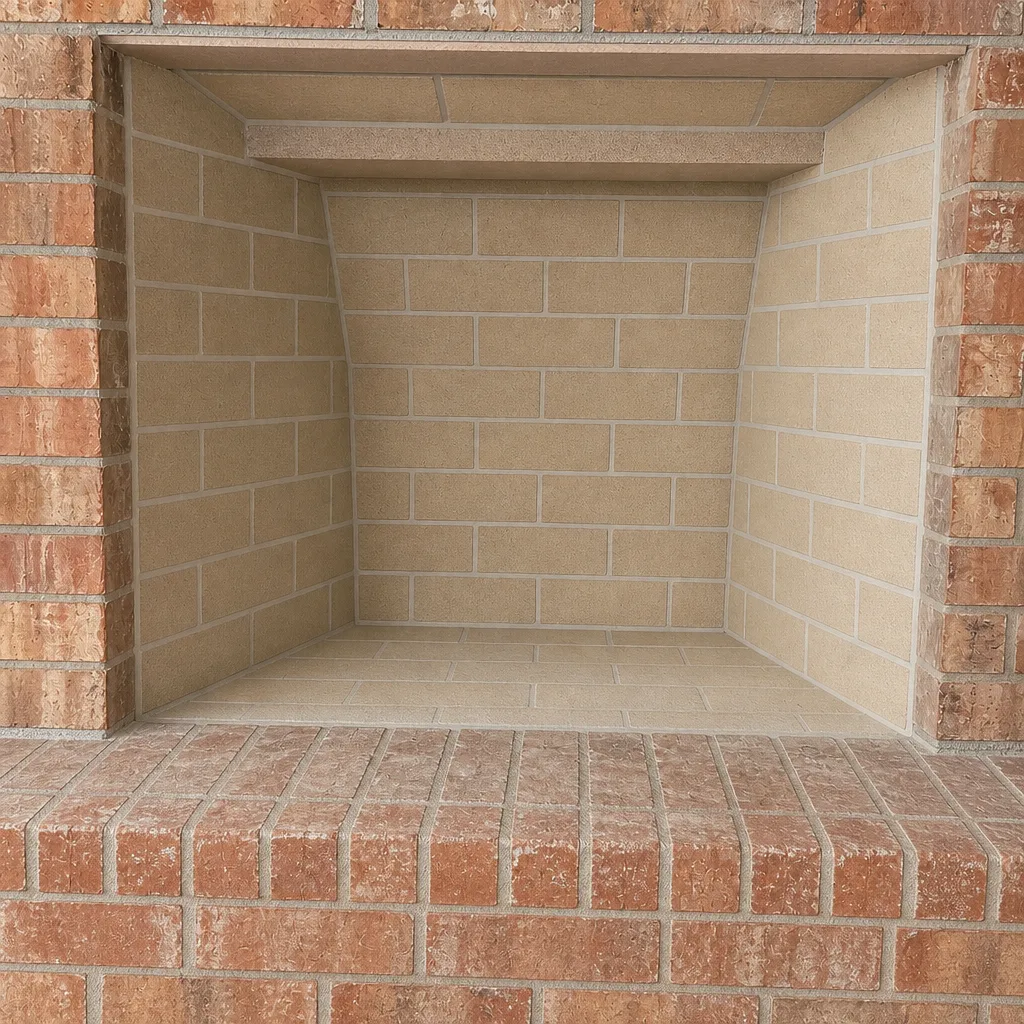
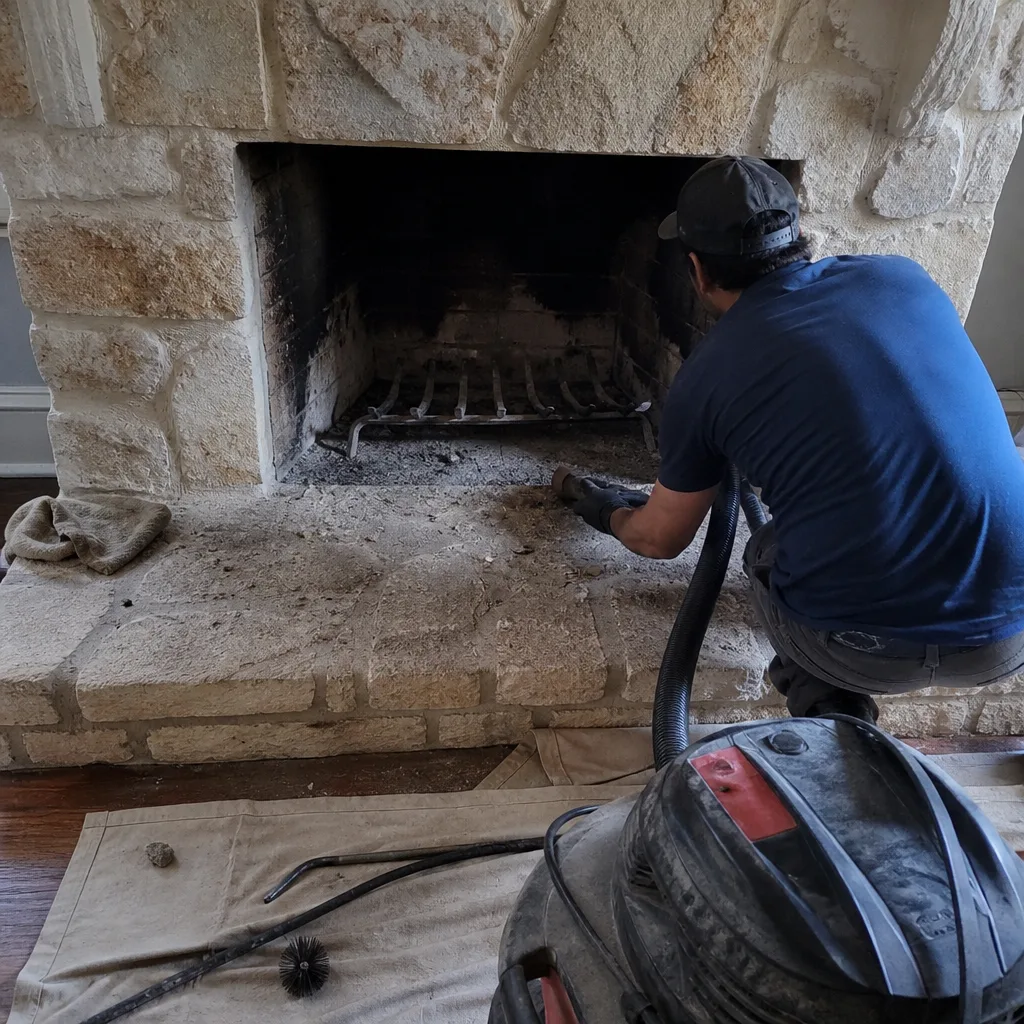
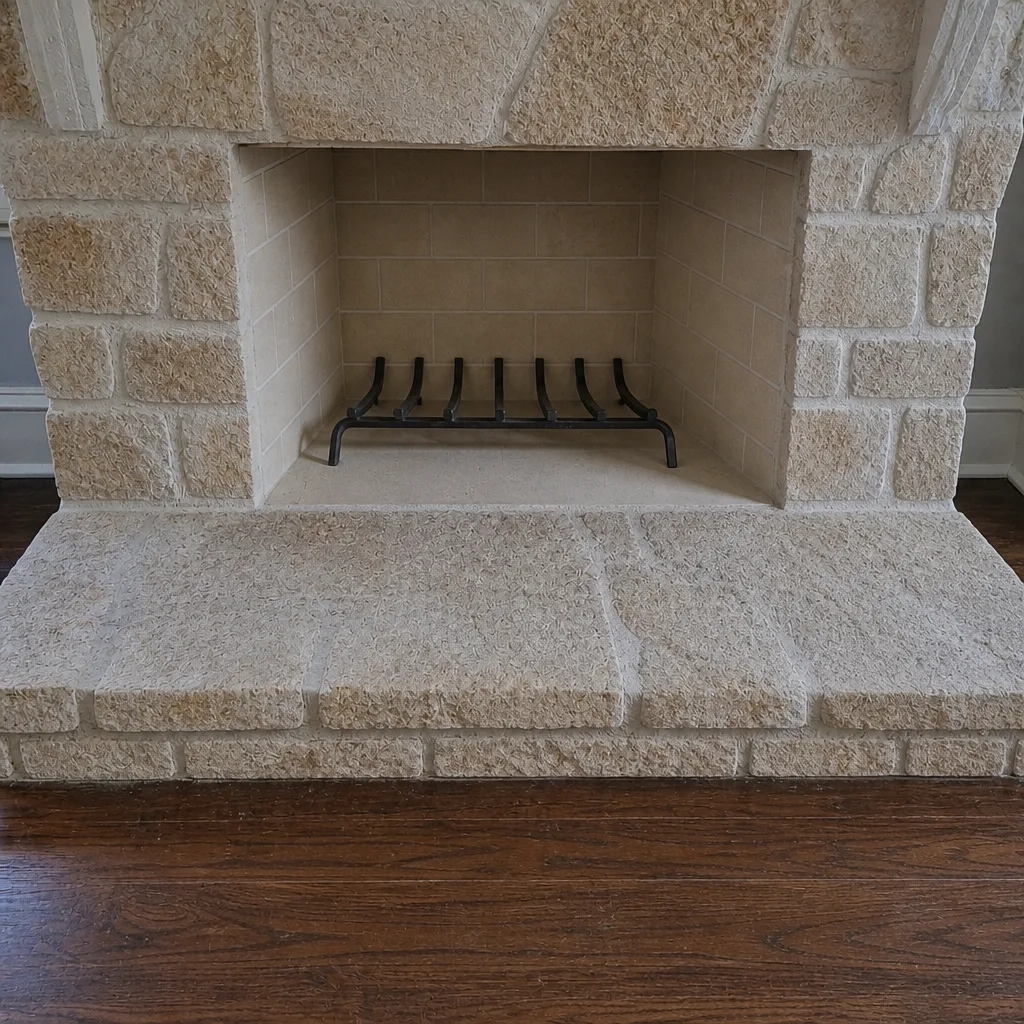
See the difference
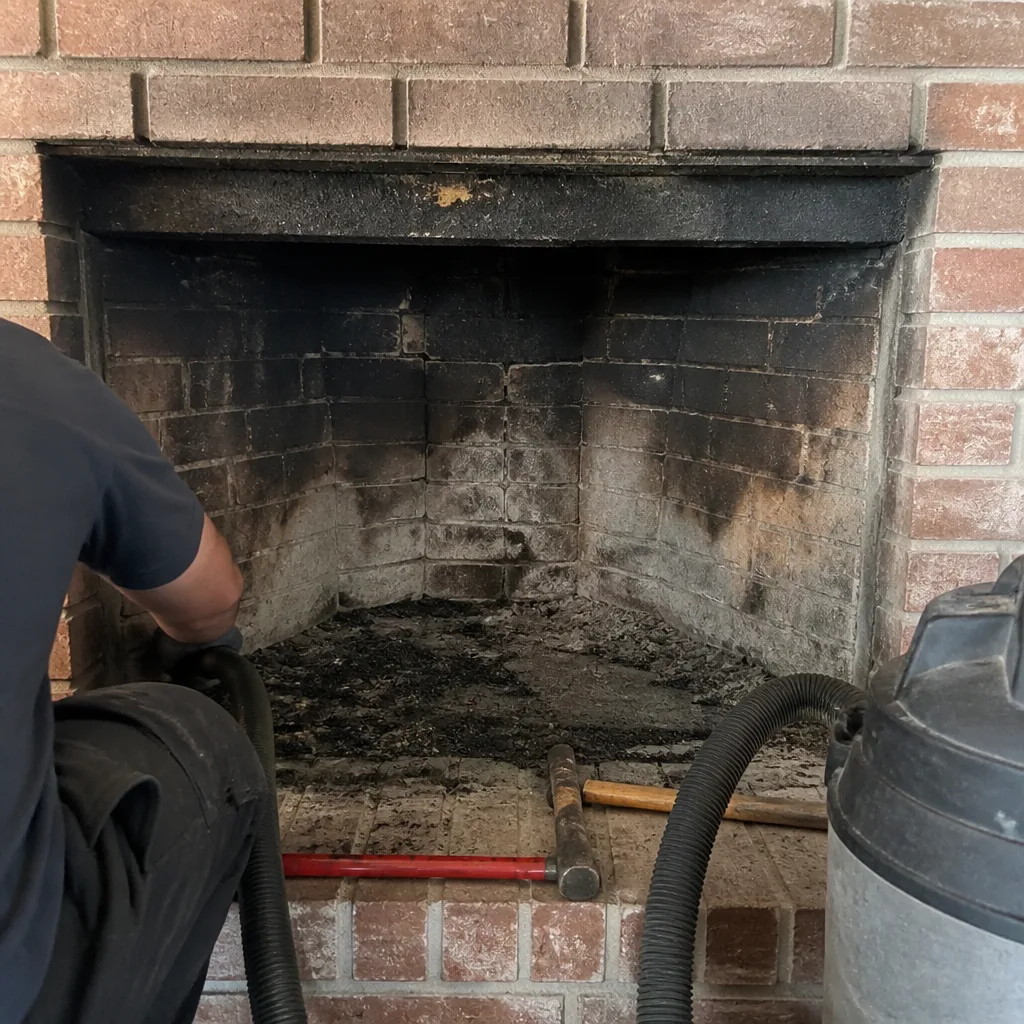 Before
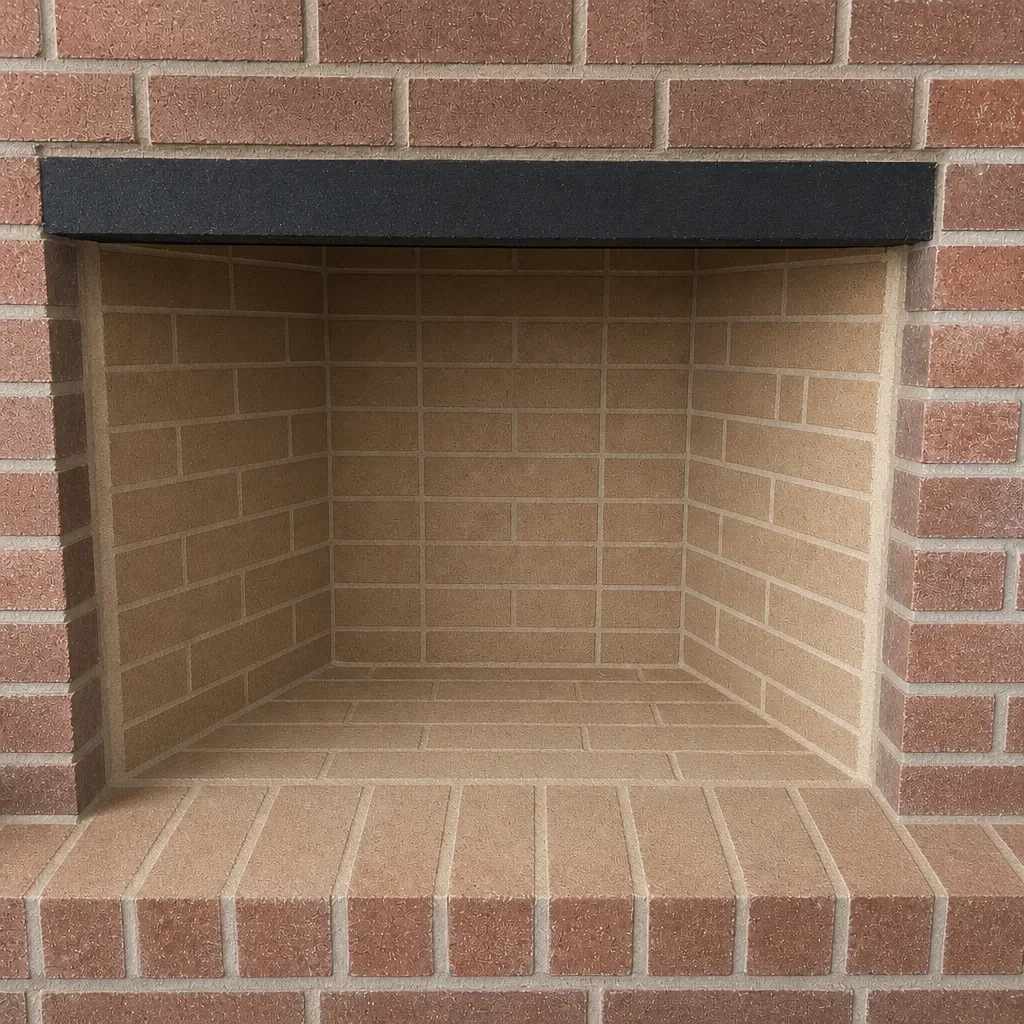 After
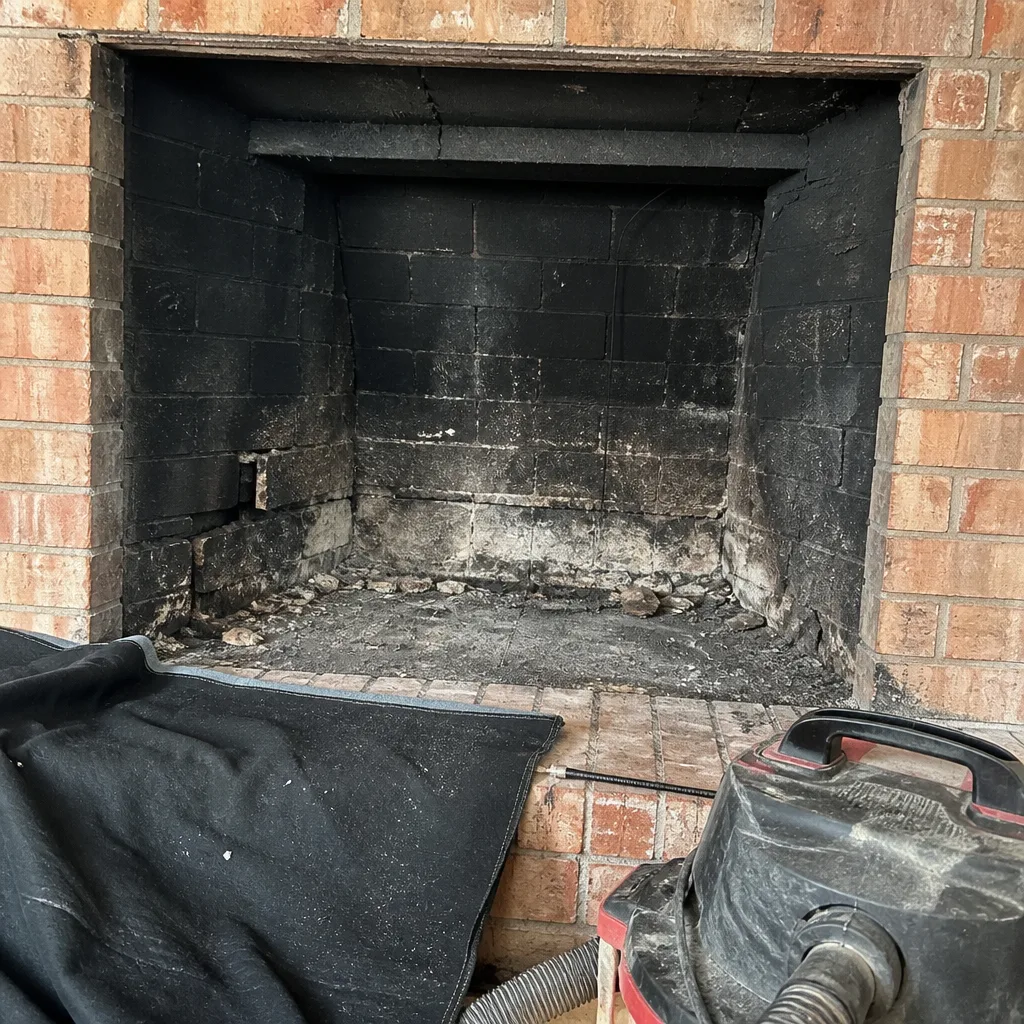 Before
 After
 Before
 After
When to Call a Professional
Call us when your fireplace is part of your regular winter routine and it’s been more than a year since the last sweep. Call if you notice smoke backing into the room, a persistent smoky smell, brown staining on the exterior masonry, or a damper that suddenly won’t close. Call after any chimney fire, even a small one, so the system gets inspected before you use it again. Call if the cap looks loose or the screen is missing, and call in spring if you want the post-season inspection that catches winter wear before it worsens. Banner Chimney Sweep offers free estimates in Grand Prairie. Call (833) 633-6933. We answer 24/7. Fast dispatch from 7am to 7pm, Sunday through Friday, and we’re closed on Saturday.
Frequently Asked Questions
A chimney should be swept at least once a year if you burn wood regularly, and more often if you’re a heavy user producing visible creosote glaze. Occasional users in Grand Prairie can often go a bit longer, but the inspection should still happen yearly. Call (833) 633-6933 to book a sweep and get an exact interval recommendation for your fireplace.
Skipping maintenance lets creosote build up and lets small defects in the cap, crown, and firebox joints go unnoticed. Creosote is flammable, and a heavily fouled flue raises the risk of a chimney fire, while an obstructed flue can allow smoke and carbon monoxide back into the home. It’s a safety issue, not just a cleaning one. Call (833) 633-6933 for an inspection before the next burn season.
Do both: sweep and inspect in late September before the burn season, then inspect again in March or April to catch the wear winter caused. The spring inspection is the one most homeowners skip, and it’s the one that catches crown cracks and liner damage before the humid summer makes them worse. Call (833) 633-6933 to get the spring visit on the calendar.
Some chimney tasks are safe for a homeowner, like operating the damper and checking the cap from the ground, but cleaning the flue and inspecting the liner and crown should be left to a trained professional. Roof access and the risk of damaging a liner make DIY sweeping a poor trade-off. Call (833) 633-6933 for a professional sweep.
Yes. A gas insert makes far less creosote than a wood fire, but the venting still needs periodic inspection and the appliance needs its own safety checks. “No wood, no maintenance” is a common but mistaken assumption. Call (833) 633-6933 to have your gas venting inspected.
A Level 1 inspection is the standard for routine fall and spring visits when nothing has changed. A Level 2 is typically recommended after a chimney fire, a fuel or appliance change, a property sale, or when a Level 1 turns up a concern, and a Level 3 is reserved for concealed problems. Call (833) 633-6933 and we’ll help you figure out which one fits your situation.
The Bottom Line
A chimney maintenance schedule is two inspections and one cleaning, not a single annual sweep. Sweep in late September before the burn season, do simple visual checks through the winter, and inspect in March or April to catch the wear winter caused before the humid Grand Prairie summer sets in. Keep the cap in place, seal crown cracks early, and stay on top of firebox joints. And use a chimney specialty company rather than a generalist. Banner Chimney Sweep handles sweeping, inspection, and repair, and specifies trade-grade materials from brands like Gelco, HeatShield, and DuraFlex. Call (833) 633-6933 for a free estimate. We answer 24/7, with fast dispatch from 7am to 7pm, Sunday through Friday.
Written by the team at Banner Chimney Sweep.