
Last updated November 15, 2026
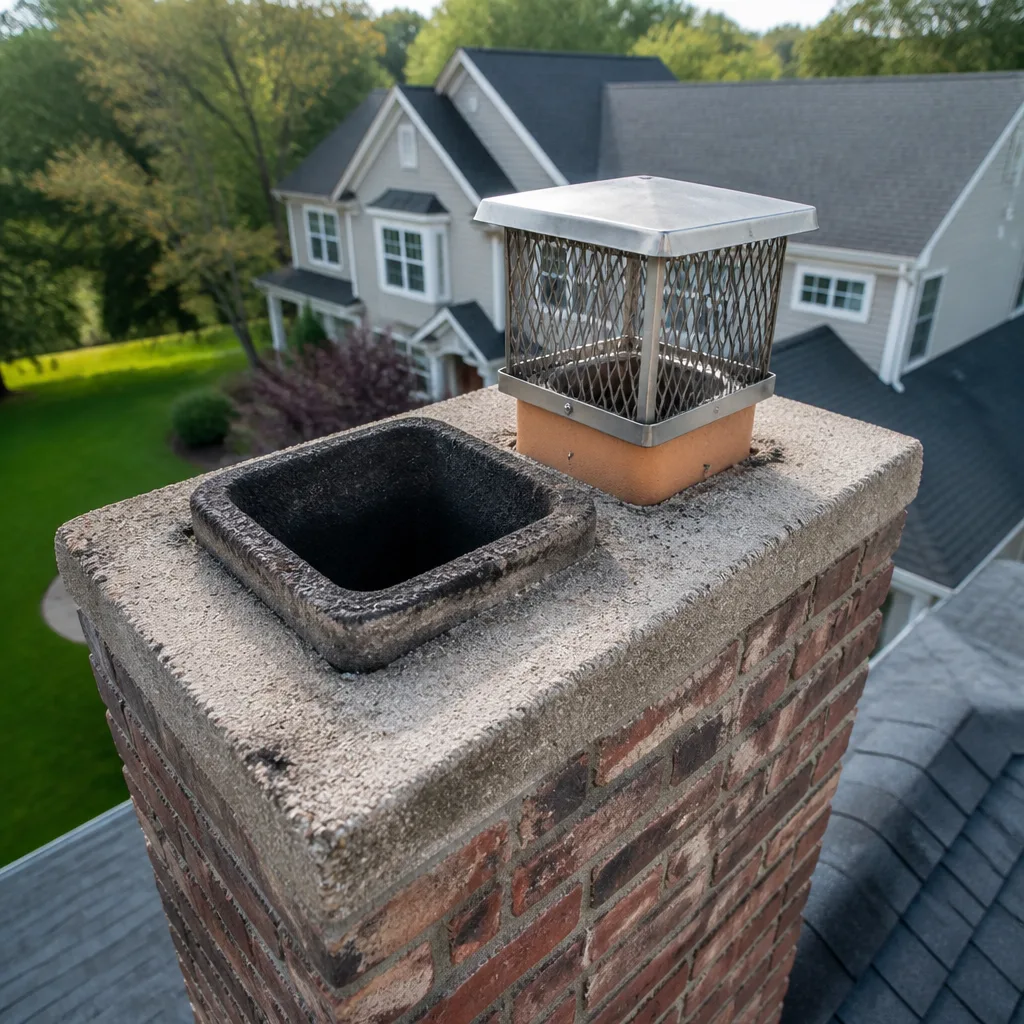 Sweep & inspection
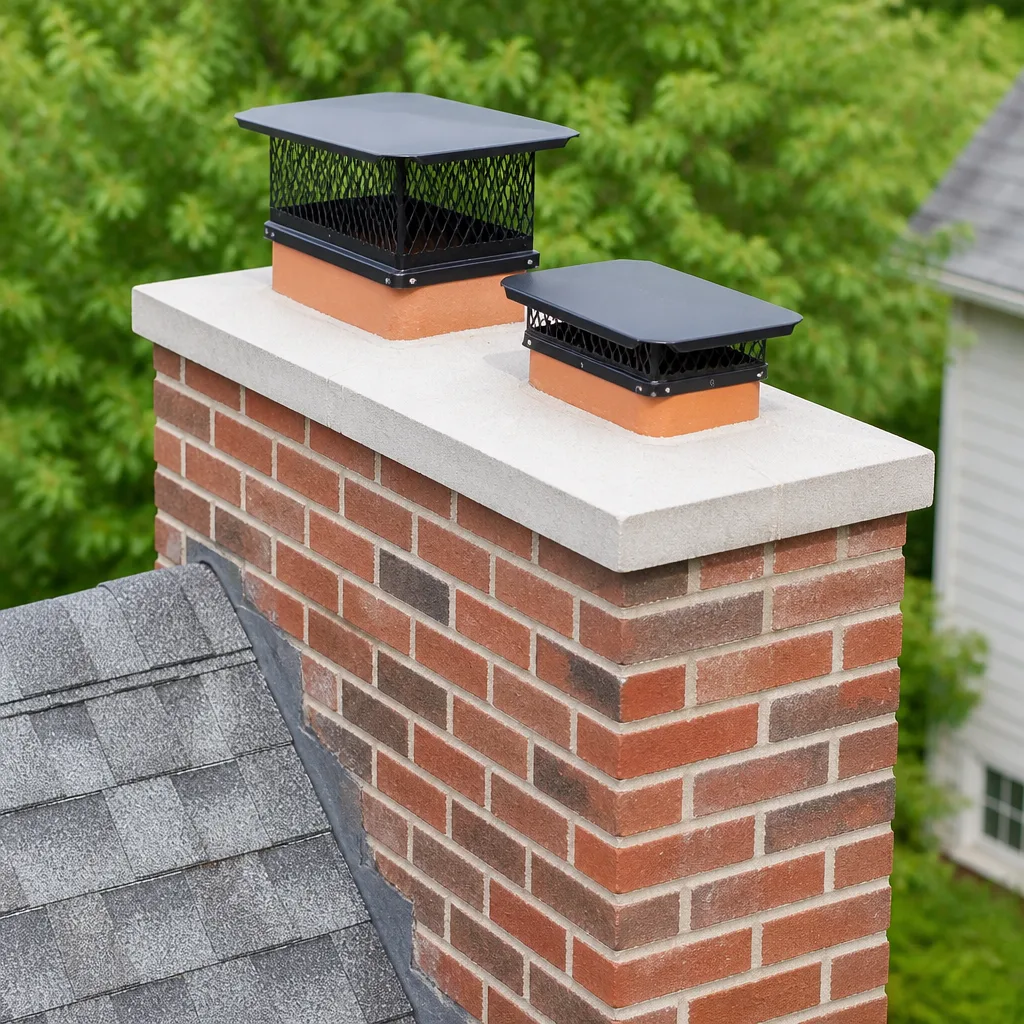 Caps & crowns
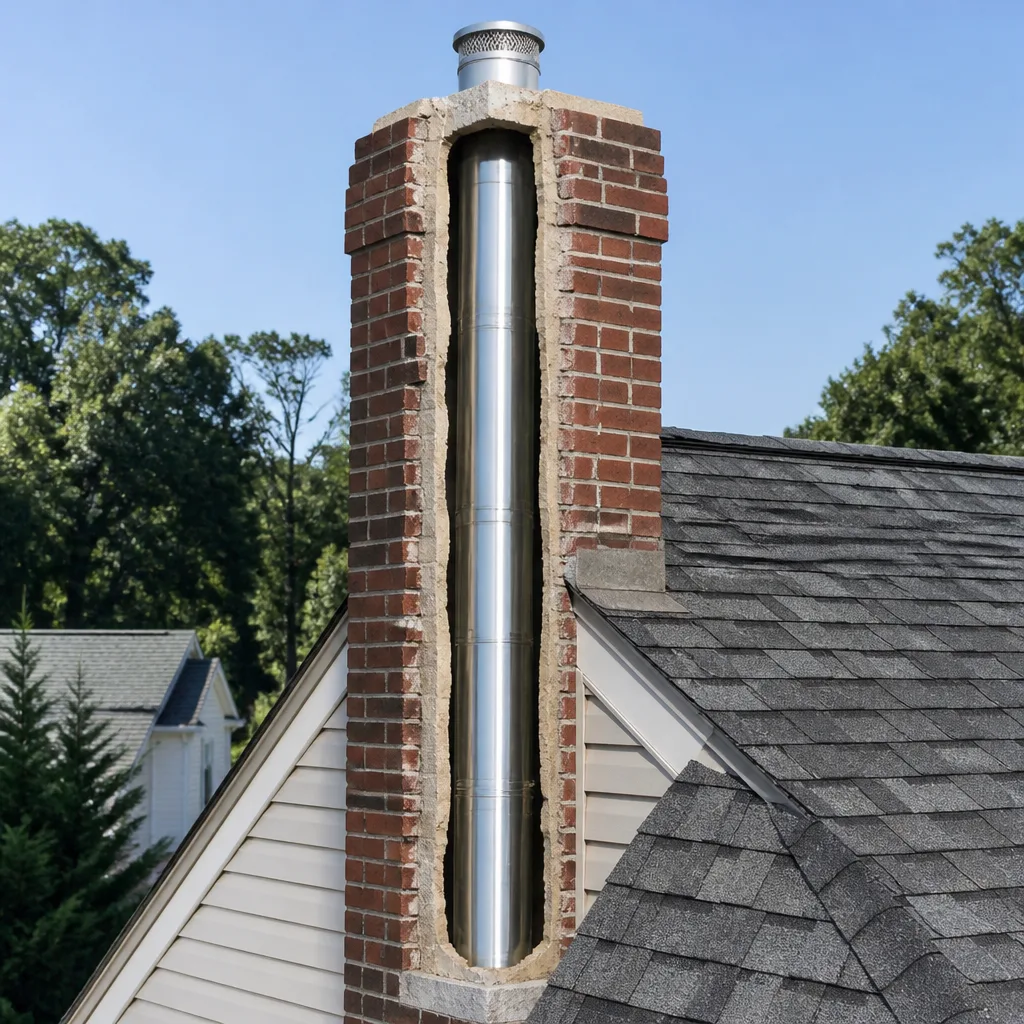 Flue relining
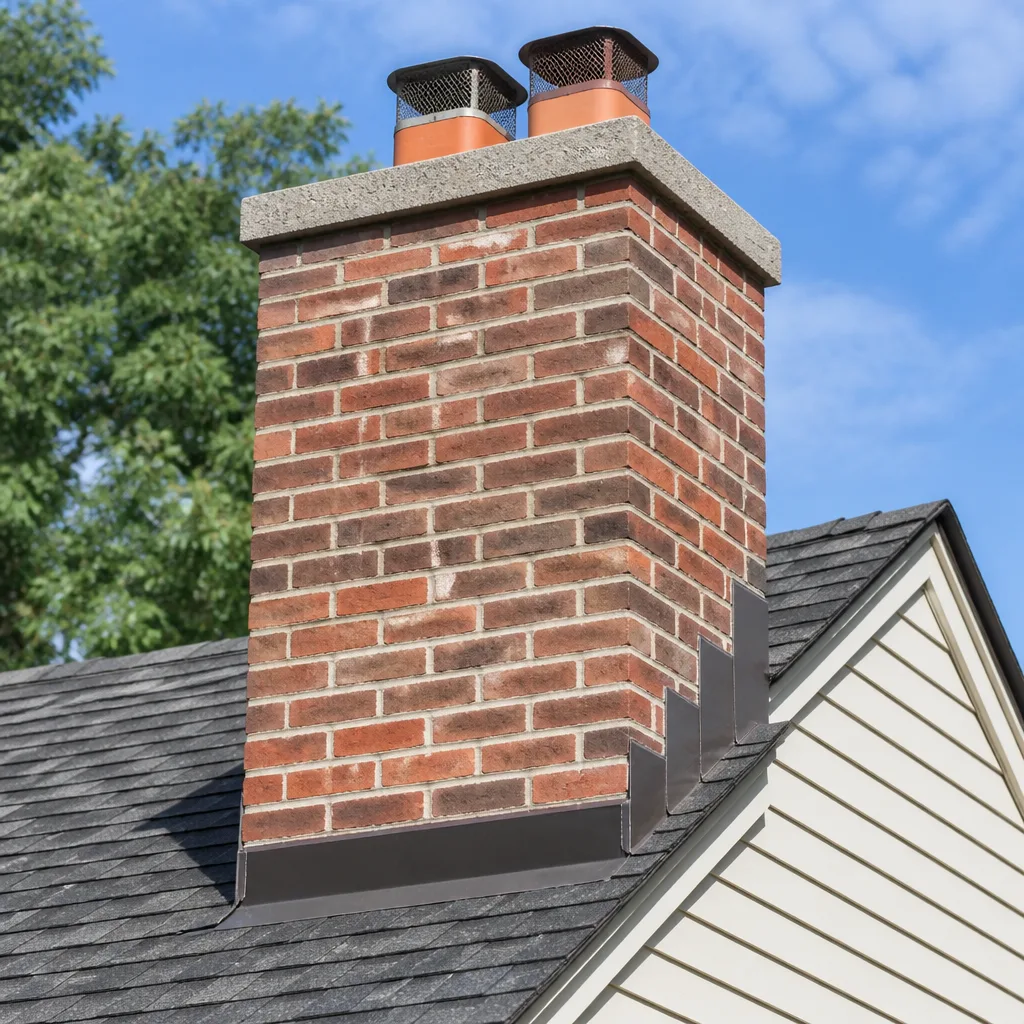 Masonry repair
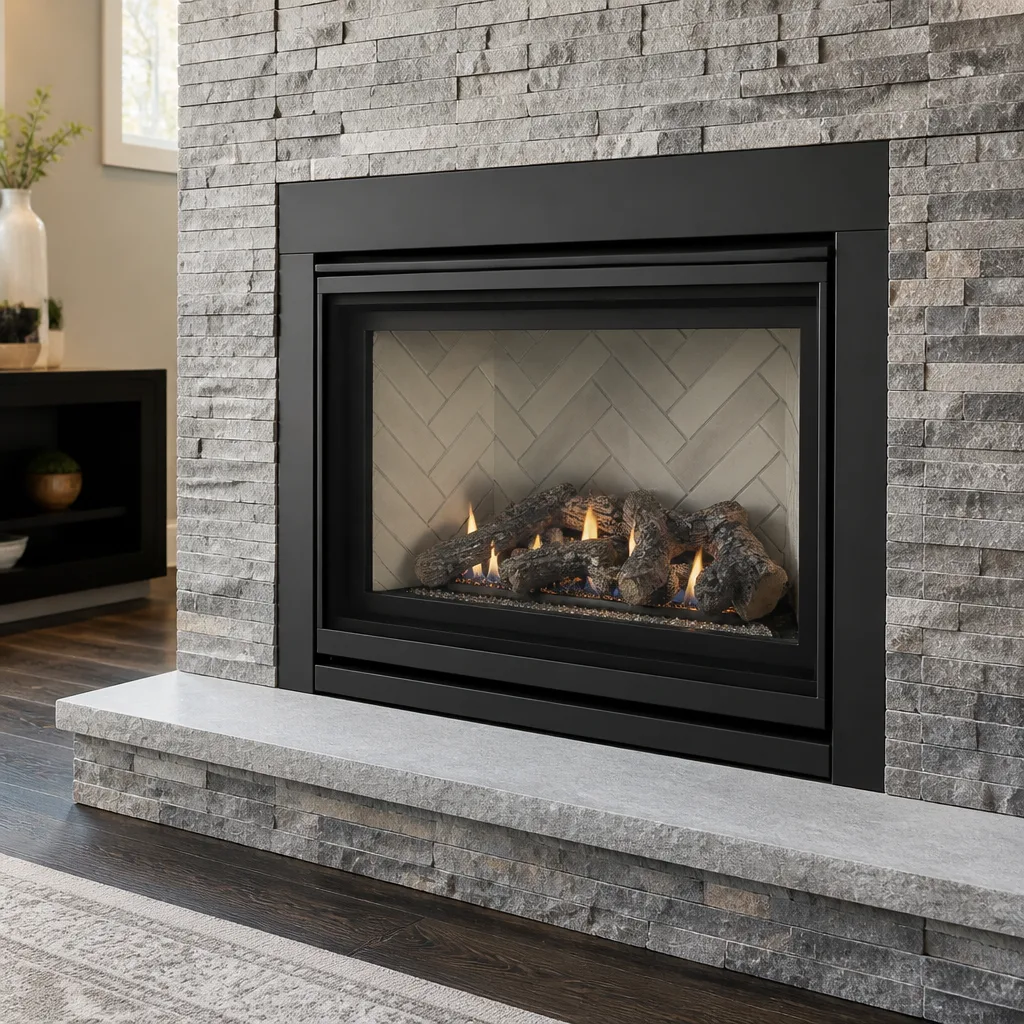 Gas fireplace service
Level 1 sweep and inspection to the NFPA 211 annual standard - flue, crown, cap, and flashing checked and photographed
Chimney sweep logs do not sweep chimneys. They loosen some creosote - which then falls where a brush and vacuum still have to collect it.
How to Hire a Chimney Cleaning Contractor in Grand Prairie: A Step-by-Step Guide
There’s no licensing requirement in Texas specifically for chimney sweeps. That means the person quoting your job might have six months of experience or twenty years, and the business card in their hand won’t tell you which. Grand Prairie sits in a part of North Texas where wood-burning fireplaces are common in older neighborhoods and gas inserts are common in newer builds, and homeowners here face the same question every fall: who do I actually let on my roof? This guide walks you through what to verify, what to ask, and what a legitimate estimate process looks like, so you can tell a dedicated chimney specialist from a generalist with a brush and a vacuum.
Styles & brands we work with
- Sweep & inspection
- Caps & crowns
- Flue relining
- Masonry repair
- Gas fireplace service
Quick Answer
To hire a chimney cleaning contractor in Grand Prairie, verify that the company is chimney-focused rather than a general handyman service, confirm CSIA certification where claimed, and refuse any quote given before someone has actually looked at your system. A legitimate contractor will inspect first, give you a written report with photos or camera evidence, and price the job in writing before work begins. If a company quotes a flat number over the phone without asking about your flue, your liner, or your appliance type, keep looking.
Table of Contents
- Why Grand Prairie Homeowners Need to Vet Chimney Contractors Carefully
- How Do You Tell a Chimney Specialist From a Generalist?
- What Does CSIA Certification Actually Mean and How Do You Verify It?
- What Questions Reveal Whether a Company Is Chimney-Focused?
- What Does a Legitimate Estimate Process Look Like?
- What Red Flags Should You Watch for in Quotes, Contracts, and Invoices?
- How Do You Compare Quotes When Contractors Scope the Job Differently?
- Common Mistakes to Avoid
- When to Call a Professional
- Frequently Asked Questions
Why Grand Prairie Homeowners Need to Vet Chimney Contractors Carefully
Texas doesn’t license chimney sweeps. Unlike electricians, plumbers, or HVAC contractors, there’s no state board, no exam, and no formal apprenticeship requirement to hang a shingle and start sweeping chimneys in Grand Prairie. That’s the whole reason this guide exists. It’s also why the burden of vetting falls on you, the homeowner, and why the differences between one contractor and another aren’t visible on a business card.
Grand Prairie adds its own wrinkles to that. The housing stock is spread across a wide range of decades and construction styles, from older masonry fireplaces in established neighborhoods to newer construction with factory-built systems and gas inserts. Those aren’t the same job. A masonry fireplace with a clay tile flue needs different tools and different inspection attention than a factory-built unit with a metal liner. A contractor who works on both every week will ask you which one you have before they quote anything. A generalist won’t.
There’s also the issue of what happens after the sweep. Chimney work isn’t just cleaning. It’s inspecting the flue, checking the cap, looking at the crown, evaluating the firebox, and knowing when a liner needs replacement versus when it doesn’t. That’s a skill set built on repetition, not a box you check on a weekend. Grand Prairie homeowners deserve a contractor who finds those issues before they become emergencies, and that means hiring someone whose entire trade is chimneys.
How Do You Tell a Chimney Specialist From a Generalist?
Ask one question and listen for whether the answer is specific: “What kinds of chimney systems do you work on?” A chimney specialist will name the categories, like masonry fireplaces with clay tile flues, factory-built fireplaces with metal liners, wood stoves, and gas inserts, and they’ll ask which one you have before going further. A generalist will give you a broad answer and pivot to scheduling.
Here’s what actually separates the two in practice:
- Tools and equipment. A dedicated sweep arrives with chimney-specific rods, brushes sized to your flue dimensions, a camera for inspection, and drop cloths for the interior. A handyman often arrives with a shop vacuum and a generic brush, which may be too small for your flue, which means it doesn’t actually clean the walls.
- Inspection capability. Chimney specialists can run a camera down the flue and show you what they see. Generalists often can’t.
- Repair scope. A specialty company can handle chimney repair, crown work, cap replacement, and liner work because that’s what they do every day. A generalist has to subcontract or improvise.
- Vocabulary. Listen for terms like “flue,” “crown,” “cap,” “smoke chamber,” and “liner.” If they’re using those naturally and correctly, they know the trade.
At Banner Chimney Sweep, our business is chimneys, full stop. We handle sweeping, inspection, and repair through a single provider so you’re not coordinating three contractors and hoping they agree with each other. When we come out for a chimney sweep, the inspection comes with it, and any repair recommendation is based on what the camera shows rather than what looks like a sales opportunity.
What Does CSIA Certification Actually Mean and How Do You Verify It?
CSIA stands for the Chimney Safety Institute of America, and it’s the closest thing this trade has to a recognized credential. A CSIA-certified sweep has passed a written exam and committed to a code of ethics, and in most cases must complete continuing education to stay certified. That’s meaningful. It’s not a state license, and it doesn’t replace local permitting where permits apply, but it’s a real signal that the person on your roof has demonstrated baseline competence.
Verification is simple. The CSIA maintains a searchable directory of certified sweeps on its website, and you can look up a company or an individual technician by name. If a contractor claims CSIA certification, check it. The lookup takes about two minutes.
Now the harder part. Some contractors list credentials that sound impressive but mean very little. Watch for these:
- Generic “certified technician” language with no issuing organization named. Certified by whom? If the answer isn’t specific, move on.
- Trade association memberships presented as certifications. A membership dues payment isn’t a credential.
- Online course certificates from unaccredited programs. These may indicate some training but carry no industry recognition.
- Unverifiable claims like “master chimney technician” with no organization behind it.
None of these are disqualifying on their own. A skilled sweep without formal certification can still do good work. But if a company is using vague credentials to signal authority, that’s worth noticing. Ask directly: “Who issued that certification, and how do I verify it?” A reputable contractor will give you a straight answer, usually within one sentence.
What Questions Reveal Whether a Company Is Chimney-Focused?
The right questions don’t just screen for competence. They screen for whether the company actually thinks about chimneys all day, because that’s the difference between a sweep who catches a deteriorating flue liner and one who just clears the creosote and leaves. Here’s what to ask before you book:
- “What percentage of your business is chimney work?” A dedicated specialist will give you a high number without hesitation. A generalist will hedge.
- “Do you inspect the flue with a camera?” Yes is the only acceptable answer for a system you can’t see into.
- “Will I get a written report with photos?” A legitimate company documents what it finds. No verbal-only findings.
- “What’s your process if you find a problem?” The answer should be: show you, explain it, tell you if it can wait, then price it in writing.
- “What brands do you install?” Chimney specialists work with professional-grade industry brands because the materials have to hold up inside a flue. Naming DuraFlex liner systems, HeatShield resurfacing products, Gelco, or Olympia Chimney signals trade-level procurement rather than a hardware-store improvised fix.
- “Who does the repair work?” If the answer involves a subcontractor or “we partner with someone,” that’s a different service model than a specialty company handling everything in-house.
- “Do you install liners to code?” A chimney specialist should be able to speak to venting code compliance without hesitation.
Ask all seven. The company that answers them clearly and specifically is the one you want. When we talk with a Grand Prairie homeowner, those questions aren’t a test we dread. They’re the ones we’d ask too.
What Does a Legitimate Estimate Process Look Like?
A reputable contractor will not quote a price over the phone before asking about your system. That’s the single most useful filter in this entire guide. Chimney cleaning and repair costs real money to do correctly, and the scope depends on things nobody can see from a phone call: the flue dimensions, the condition of the lining, the appliance type, whether the cap is intact, and how much buildup is in the firebox.
Here’s what the process looks like step by step:
- Initial call screening. The company asks about your appliance type, the last time it was swept, and any known issues. If they skip this and quote a number, that’s a red flag.
- On-site assessment. Someone comes out, inspects the system, and typically runs a camera down the flue. This is not optional on an older masonry chimney.
- Written report. You receive documentation of what was found, including photos or camera images you can look at yourself.
- Itemized estimate. Each recommended repair has a line, with the scope and material identified. “Chimney repair” as a single generic line item isn’t enough.
- Signed agreement before work. Nothing happens until you approve the written estimate. The written estimate is the final price, not an opening number that grows later.
That’s the process we use for Grand Prairie homeowners. It’s slower than a phone quote. It’s also the only way to know what you’re actually paying for, because the estimate reflects your system rather than a standard rate card.
What Red Flags Should You Watch for in Quotes, Contracts, and Invoices?
Most chimney contractor problems don’t happen on the roof. They happen on paper. A vague invoice, a contract that leaves scope undefined, or an in-person upsell that wasn’t on the original estimate can cost you far more than the sweep itself. Here’s what to watch for:
- Vague line items. “Chimney repair” with no scope isn’t an item. The invoice should say what was done: crown repair, cap replacement, relining, tuckpointing, sealing.
- Pressure upsells during the visit. “We found a crack, and it needs to be done today.” Reputable contractors show you the crack on camera and tell you whether it can wait. If the recommendation changes the moment you’re on the roof looking at the invoice, slow down.
- No written report. If the evaluation was verbal-only, you have no record of what the system looked like before the work. That’s the baseline you need for future reference.
- Handwritten estimates with no company letterhead. Not automatically fraud, but unprofessional and hard to enforce.
- Claims that your entire chimney needs replacement when a relining is the appropriate repair. Ask what specifically failed and what the evidence is.
- Quote-by-sight over the phone. Covered earlier, worth repeating. No quote without assessment.
- No mention of inspection. If the sweep just cleans and doesn’t inspect, you’re paying for half the job.
In Grand Prairie, the pattern we hear about most often from homeowners is the pressure upsell. Someone gets a lowball cleaning quote, and during the visit the price changes dramatically because of “urgent” findings. When we recommend a chimney repair, we show you the evidence and we tell you plainly when work can safely wait.
How Do You Compare Quotes When Contractors Scope the Job Differently?
Comparing chimney quotes side by side is harder than it looks because contractors rarely describe the job the same way. One quote might be for a standard sweep, another might include an inspection, a third might bundle a cap replacement, and a fourth might not mention inspection at all. Comparing the bottom-line dollar amounts isn’t useful unless you know what those numbers include.
Here’s how to normalize them:
- Break each quote into three categories. What’s included in the sweep, what’s included in the inspection, and what repairs (if any) are part of the job. Now you can compare like with like.
- Check whether inspection is included or separate. Some companies charge separately. Some include a basic visual inspection with every sweep. Some include camera inspection. Those are three different scopes.
- Look at the materials named for repairs. A quote that says “reliner” isn’t the same as a quote naming the liner system. DuraFlex liner systems, HeatShield ceramic resurfacing, and other professional-grade products have different cost and lifespan profiles. The estimate should specify what’s going in the flue.
- Compare what’s written down. If a contractor’s estimate was verbal and the other’s was written, the written one is the only one you can hold them to.
- Ask each contractor what they’d recommend if the price were identical. The answers should line up on the substance of the work, even if the prices don’t.
The strongest comparison isn’t the lowest number. It’s the one where you understand exactly what’s being done and why. When quotes don’t agree on scope, ask each contractor to walk you through their reasoning. If one can’t, you now know more about them than any review site could tell you.
Common Mistakes to Avoid
- Hiring on price alone. A Grand Prairie homeowner who chooses the cheapest quote often gets a sweep without an inspection, which means the flue never actually gets checked. Real chimney work has real material and labor costs, and a price far below the market usually reflects a scope far below the standard.
- Accepting a quote without a camera inspection. You can’t see the inside of a flue from the roofline. Without a camera, you’re paying for a service whose findings you can’t verify yourself.
- Not asking about licensing. Texas doesn’t license chimney sweeps, so homeowners assume the trade is regulated. It isn’t. Ask about CSIA certification and verify it, because that’s the closest thing to a credential in the state.
- Skipping the written report. The report is your record of what the system looked like on that date. Without it, you have nothing to compare against next time.
- Assuming a general handyman can do chimney work. Patching a flue, replacing a cap, or setting a crown takes chimney-specific knowledge. Generalists make mistakes that cost more to fix later.
- Assuming you can wait if the flue looks fine from outside. Most deterioration in a chimney happens inside the flue, where you can’t see it. Sweeping and inspection catch those issues before they turn into structural or safety problems.
- Not asking when work can safely wait. A good contractor tells you which recommendations are urgent and which can be scheduled for later. If everything is “urgent,” you’re being sold to, not advised.
When to Call a Professional
Call a chimney professional if your fireplace or wood stove has been used for a season without a sweep, if you’re noticing smoke backup or a stronger-than-usual smell from the firebox, or if you’ve moved into a Grand Prairie home and don’t know the last time the chimney was serviced. If your gas insert hasn’t been inspected, that’s a call too. If you’re seeing visible damage to the crown or cap, or if bits of masonry are landing in the firebox, don’t use the fireplace again until someone has looked at it. Nothing we recommend is done without camera evidence you can review yourself, and we’ll tell you plainly when a repair can safely wait. Banner Chimney Sweep offers free estimates in Grand Prairie. Call (833) 633-6933. We answer 24/7. Fast dispatch from 7am to 7pm, Sunday through Friday.
Frequently Asked Questions
Most chimney sweeps in the Grand Prairie area fall within a typical range for basic cleaning, and the written estimate after on-site inspection sets the final price. Repair work like relining or crown replacement is priced separately because it depends on what the camera inspection finds. Call (833) 633-6933 for an exact quote. Estimates are free.
Not always. A flue liner needs replacement when it’s cracked, deteriorated, or no longer capable of containing the gases your appliance produces, and that’s something a camera inspection can confirm. Of all the recommendations you’ll hear from any chimney contractor, the liner call is the one to be most skeptical of. Ask to see the evidence. When we recommend a liner, we name the system going in, like a DuraFlex liner, and we show you what failed in the existing flue before you commit. Call (833) 633-6933. Estimates are free.
For a wood-burning fireplace, the widely used rule of thumb is a sweep when there’s about a quarter inch of creosote buildup in the flue, or once a year, whichever comes first. Gas inserts and factory-built systems have their own intervals, which the manufacturer specifies. A sweep plus inspection once a year keeps you current on both the cleaning and the condition of the system. Call (833) 633-6933 to book a Grand Prairie sweep and inspection.
Creosote builds on the flue walls, and at certain concentrations it can ignite, which is how chimney fires start. Separately, a blocked or damaged flue can let carbon monoxide back into the living space instead of venting it outside. Both risks are real, and both are found by inspection rather than by looking at the outside of the chimney. Call (833) 633-6933 if it’s been more than a year.
Ask three questions: what percentage of their work is chimney-related, whether they run a camera down the flue, and what brands they install when a repair is needed. A chimney specialist answers all three without hesitation, and names professional-grade products like DuraFlex, HeatShield, Gelco, or Olympia Chimney. A generalist shifts the conversation back to scheduling. Call (833) 633-6933 if you want those questions answered directly.
Some repairs can be completed the same day, and others require a return visit for parts or materials. It depends entirely on what the inspection finds and what the repair requires. What we can do is get out to inspect quickly and tell you honestly whether the repair is urgent, same-day, or something that can wait for a scheduled visit. Call (833) 633-6933. We answer 24/7, with fast dispatch from 7am to 7pm Sunday through Friday.
The Bottom Line
Hiring a chimney contractor in Grand Prairie comes down to verifying what the business card can’t tell you: whether the company is chimney-focused, whether inspection comes before recommendation, and whether every repair is backed by evidence you can see. Texas doesn’t license the trade, so CSIA certification (verified on the CSIA directory) is the closest thing to a credential you can check. Demand a camera inspection and a written report. Refuse a phone quote without an on-site assessment. Ask what brands go in the flue when repair is on the table. And if a contractor tells you a repair is urgent, ask for the evidence, and then ask plainly whether it can safely wait. A dedicated specialist answers all of that without flinching.
Banner Chimney Sweep handles sweeping, inspection, and repair through one company, using professional-grade products from brands like DuraFlex and HeatShield when a repair calls for them. To book a Grand Prairie Banner Chimney Sweep visit or to see how we handle Grand Prairie, call (833) 633-6933 for a free estimate. We answer 24/7. Fast dispatch from 7am to 7pm, Sunday through Friday.
Written by the team at Banner Chimney Sweep.
See the difference
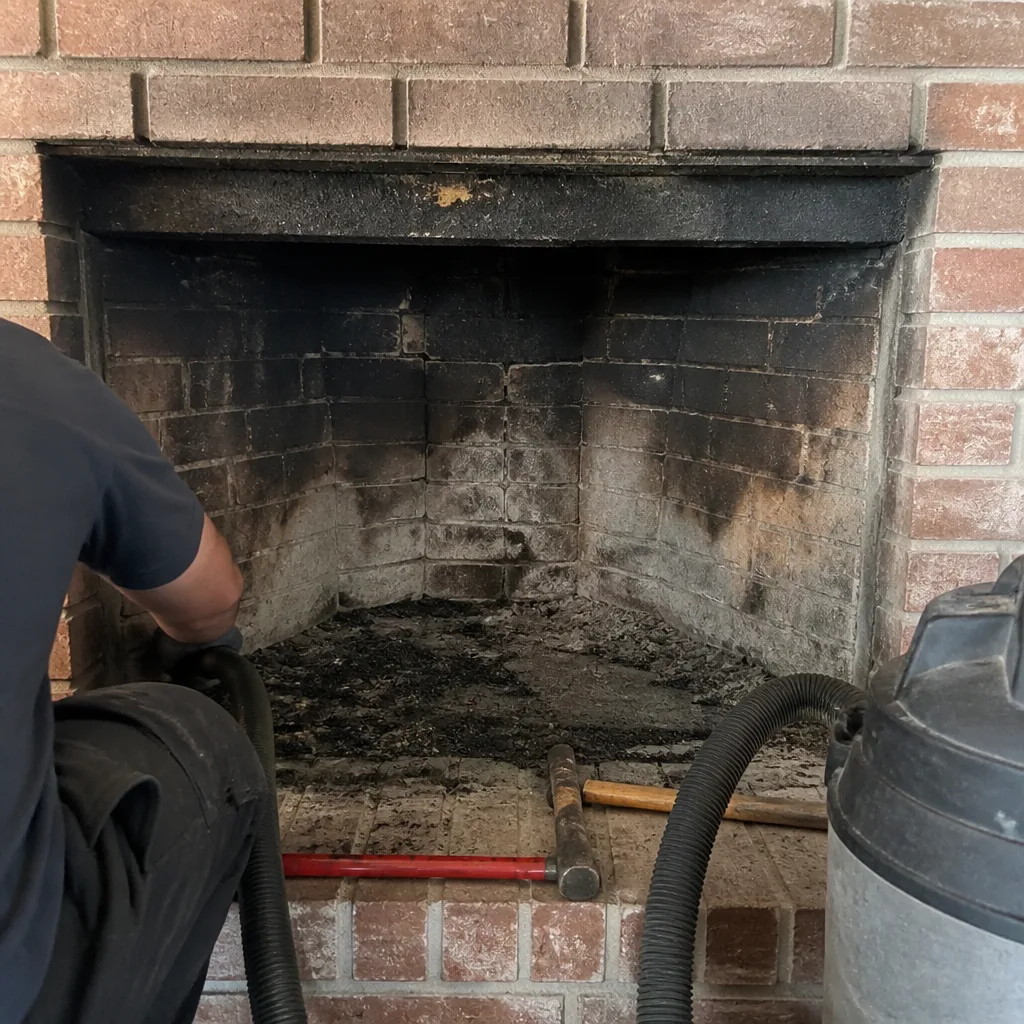 Before
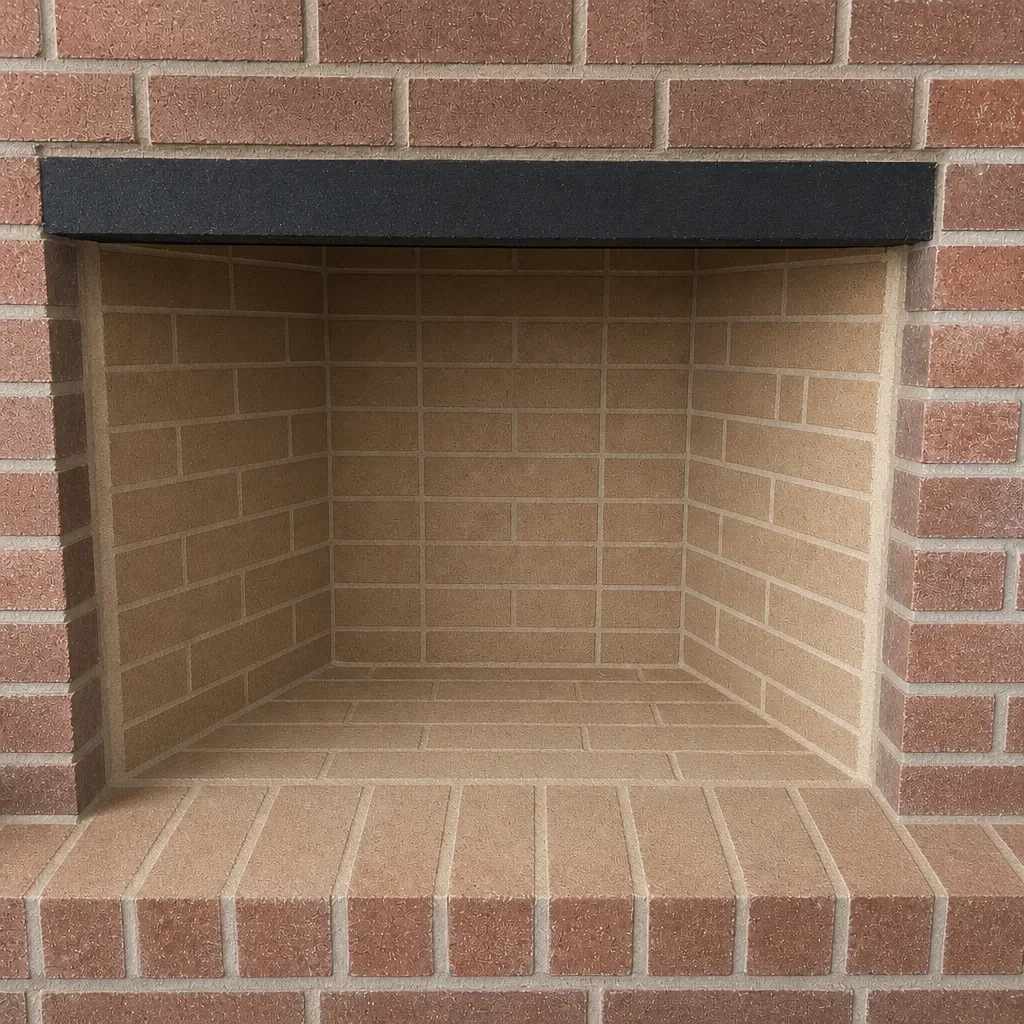 After
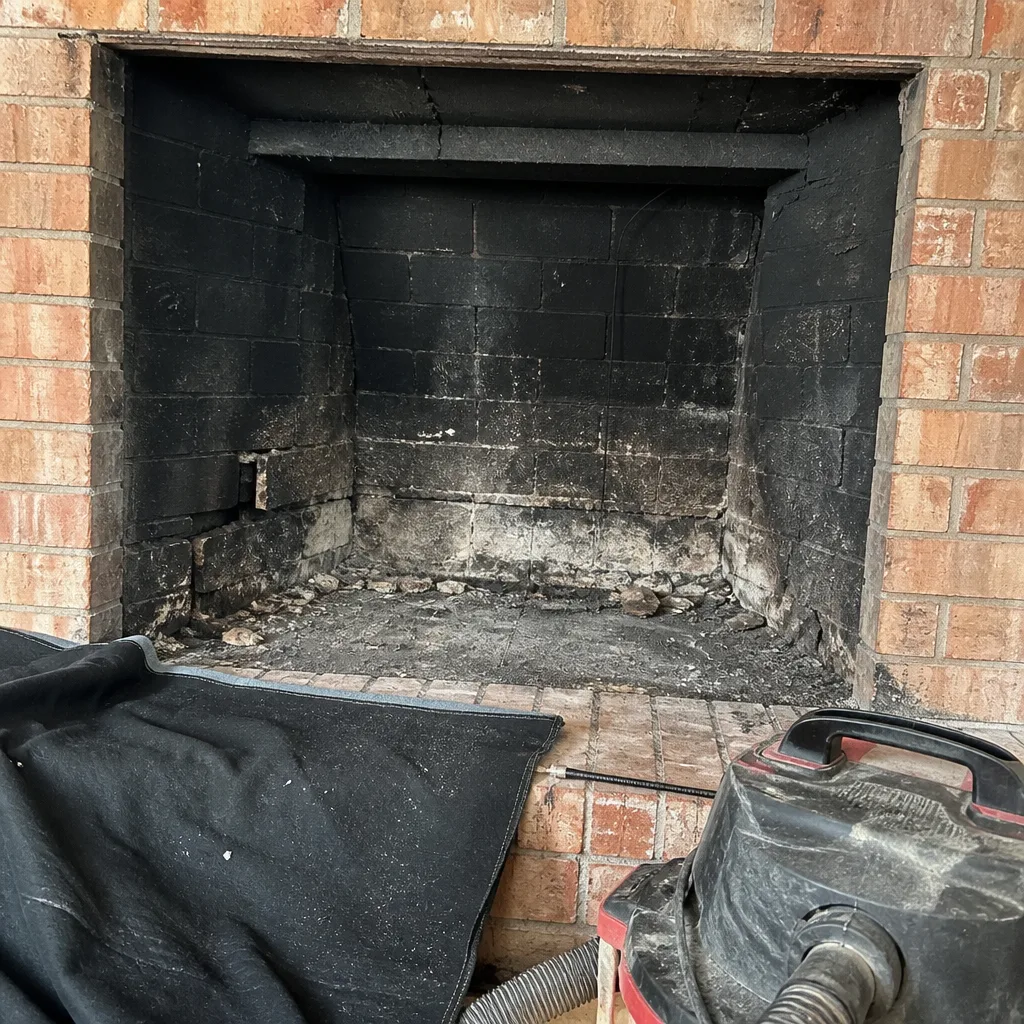 Before
 After
 Before
 After