
Last updated November 15, 2026
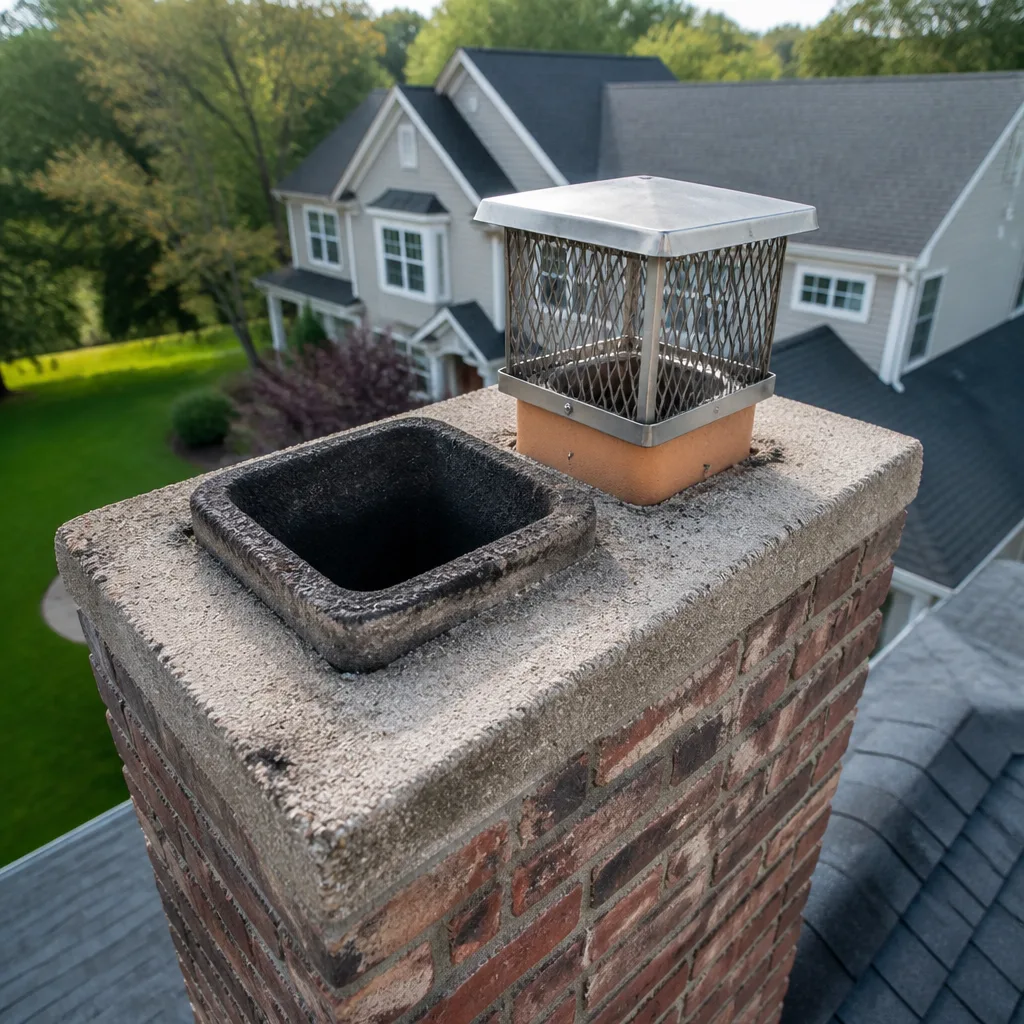 Sweep & inspection
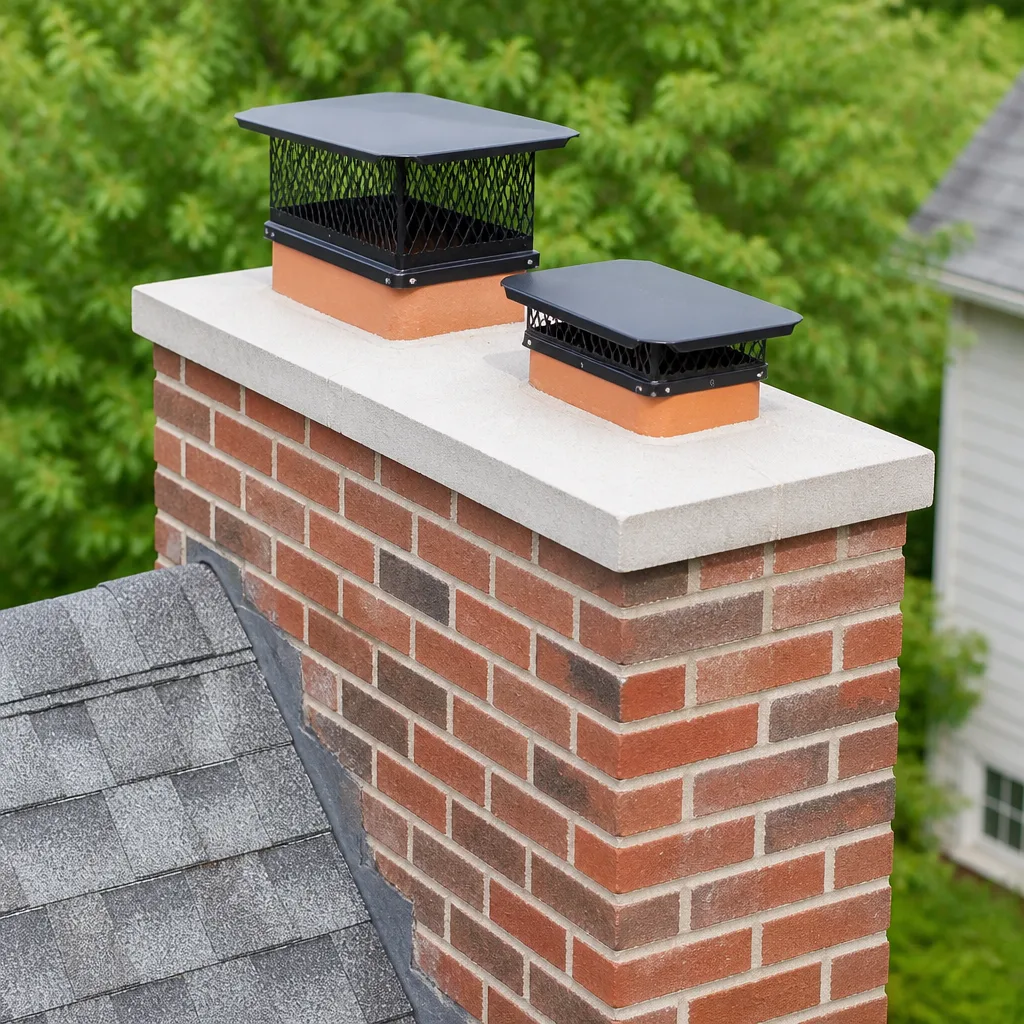 Caps & crowns
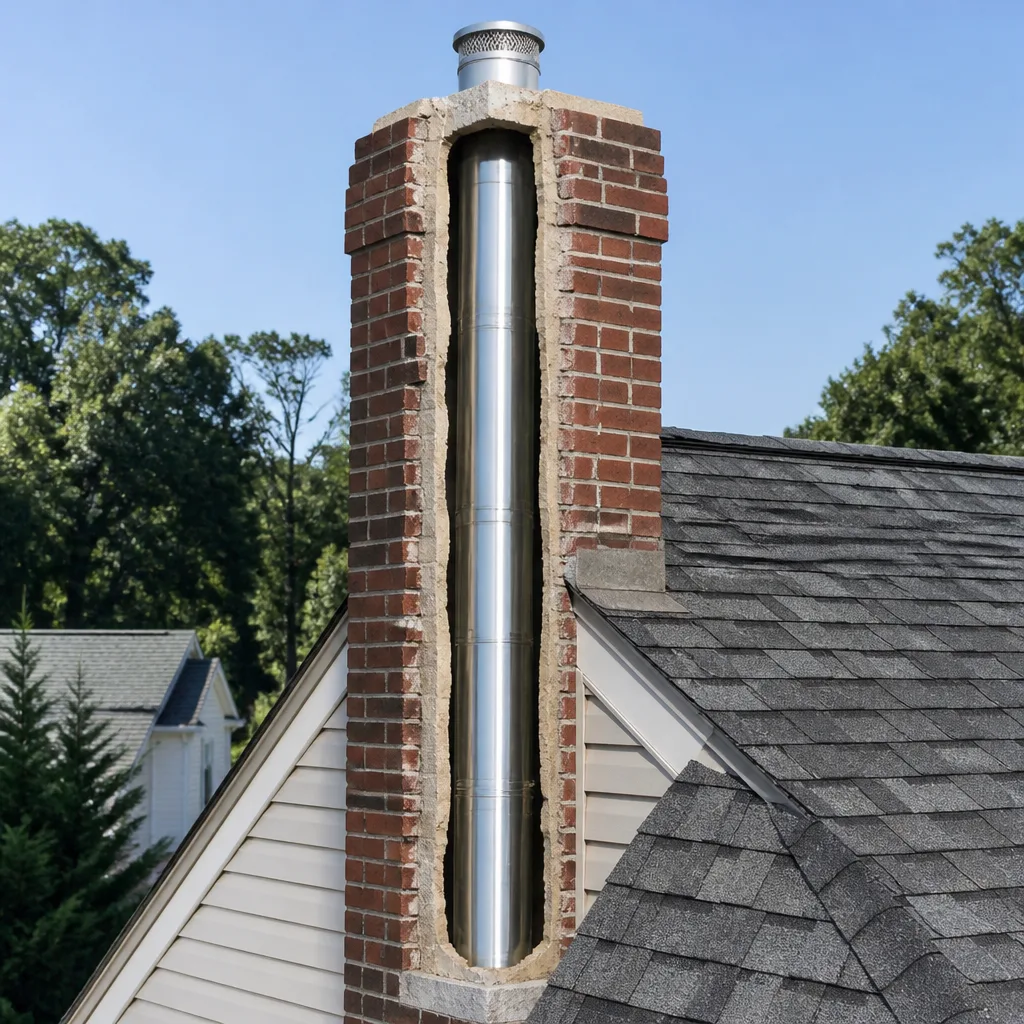 Flue relining
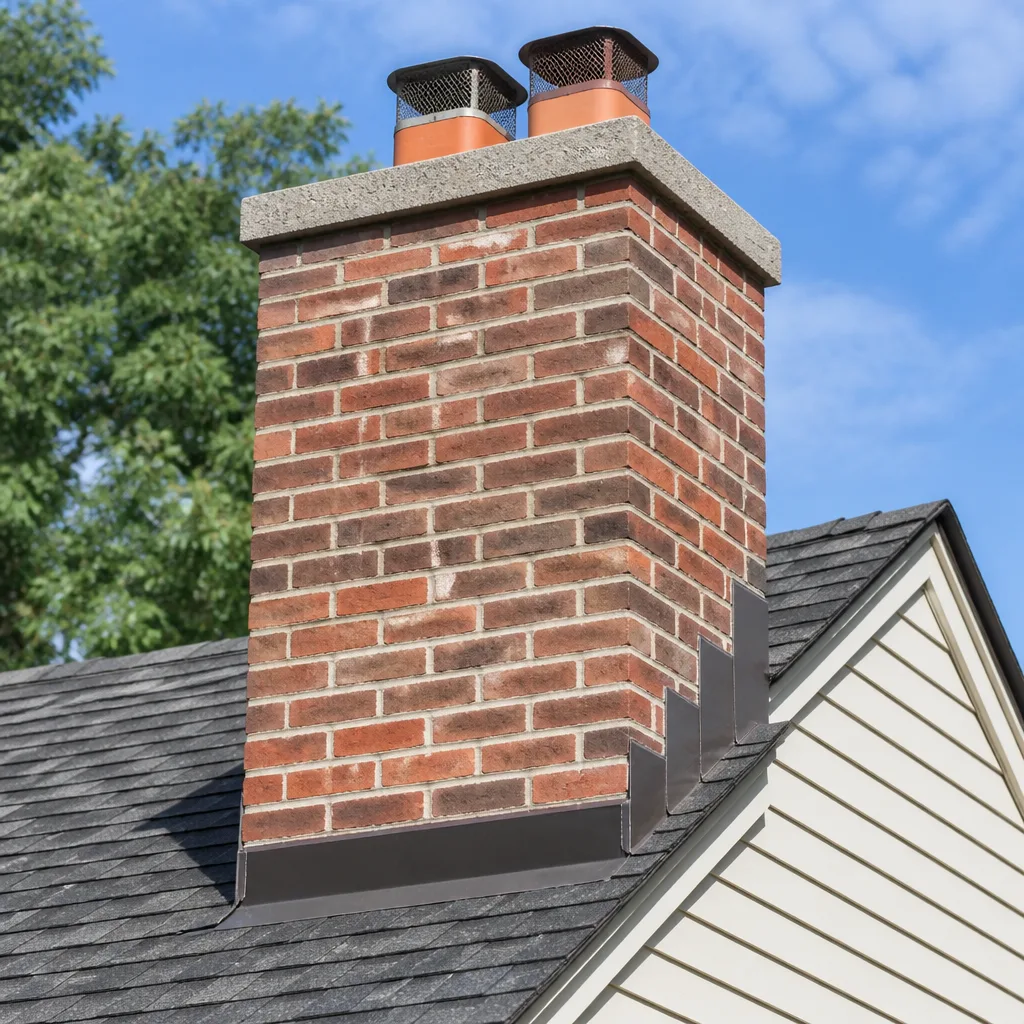 Masonry repair
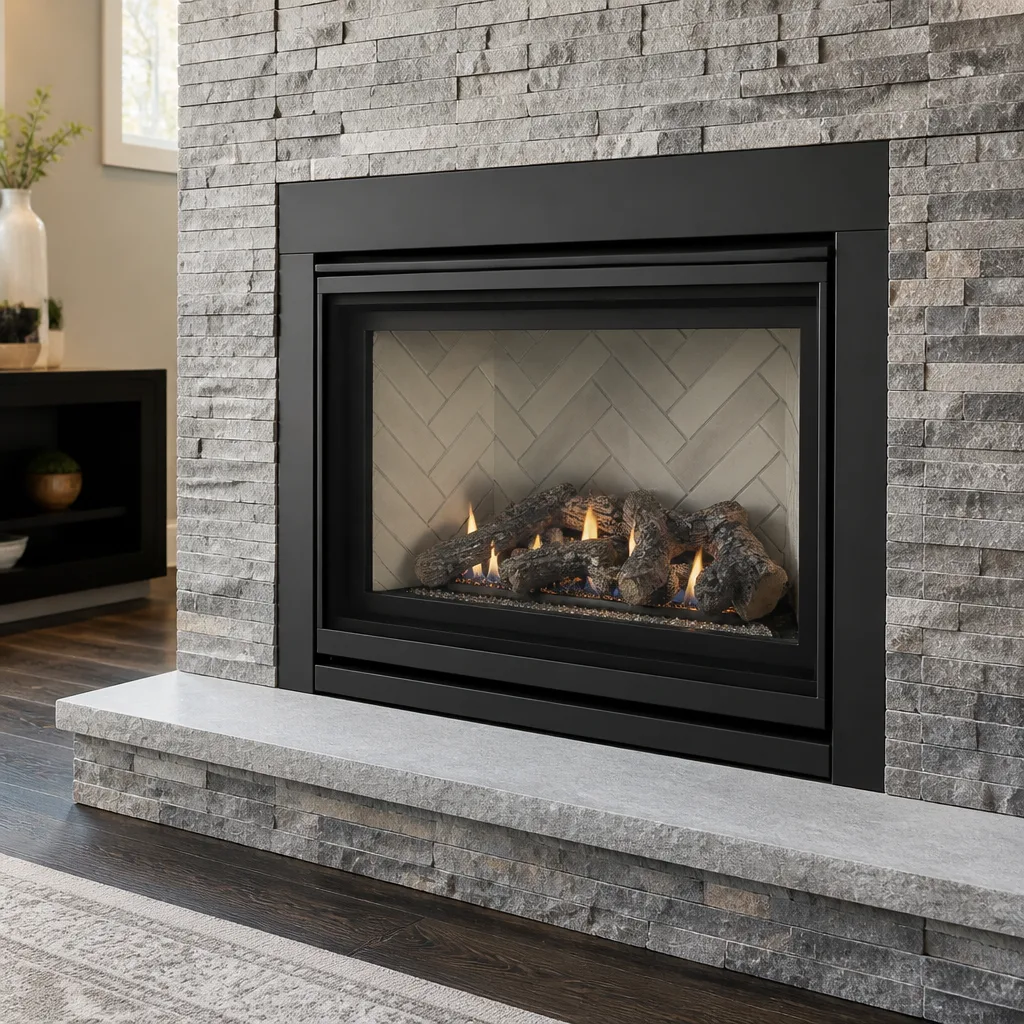 Gas fireplace service
Level 1 sweep and inspection to the NFPA 211 annual standard - flue, crown, cap, and flashing checked and photographed
Chimney sweep logs do not sweep chimneys. They loosen some creosote - which then falls where a brush and vacuum still have to collect it.
Chimney Cleaning Emergency Preparedness Guide for Grand Prairie Homes
The chimney emergency most Grand Prairie homeowners actually face is quieter than the one they picture. It isn’t a roaring chimney fire on a cold December night. It’s the February ice storm that knocks out power for two days, the fireplace that hasn’t been touched since the last cold snap two winters ago, and a family that suddenly needs it to work. That’s the scenario we prepare people for. This guide covers what to check before you light a fire in a dormant chimney, how to manage one during an outage when you have no inspection on record, what a chimney fire really sounds like, how to shut things down if something feels wrong, and who to call in Grand Prairie when you need help now.
Styles & brands we work with
- Sweep & inspection
- Caps & crowns
- Flue relining
- Masonry repair
- Gas fireplace service
Quick Answer
Before you use a fireplace that’s sat dormant, get it inspected and swept, because a blocked or heavily creosoted flue can send smoke and carbon monoxide into the room instead of up the chimney. During a power outage, never run a wood fire in a chimney with no recent inspection on record, and never use charcoal or a gas grill indoors. If you hear roaring, popping or a low rumble that sounds like a train, get everyone out and call 911 first, then call a chimney professional. If you need help fast in Grand Prairie, call (833) 633-6933. We answer 24/7. Fast dispatch from 7am to 7pm, Sunday through Friday.
Table of Contents
- Why a Dormant Chimney Is the Real Grand Prairie Emergency
- What to Check Before Lighting a Fireplace That’s Been Dormant
- Managing a Fireplace During a Power Outage Without a Prior Inspection
- What a Chimney Fire Actually Sounds Like and What to Do
- How to Shut Down a Fireplace Safely Mid-Use
- Who to Call in Grand Prairie and What to Have Ready
- Building a Chimney Emergency Kit for Your Home
- Common Mistakes to Avoid
- When to Call a Professional
- Frequently Asked Questions
Why a Dormant Chimney Is the Real Grand Prairie Emergency
Grand Prairie summers are long, hot and dry, and most fireplaces here sit unused from roughly April through October. That’s six or seven months of nothing moving through the flue. Add a mild fall where the fireplace stays off a little longer, and you get the situation we see most: a chimney that hasn’t had air moving through it or eyes on it in two years, suddenly called into service because the power is out and the house is cold.
A dormant chimney accumulates problems quietly. Creosote from the last few fires hardens and builds. Birds, squirrels and wasps move in over the warm months. Leaves and debris fall down the flue. A cap that loosened in a spring storm lets water in, and water plus soot plus masonry equals spalling brick and a deteriorating liner. None of that announces itself. You find out when you light the first fire and smoke rolls into the living room, or worse, when it doesn’t.
The reason this is an emergency in Grand Prairie specifically comes down to timing. Ice storms here tend to arrive fast and knock out power across wide areas. When that happens, the fireplace stops being decorative and becomes the backup heat source. That’s exactly the moment when people discover their chimney is not ready, and there’s no time to schedule a routine appointment.
The seasonal pattern we see
- Spring through fall: fireplace off, flue idle, pests and moisture move in.
- First cold snap: people light a test fire, sometimes without thinking about the last time the chimney was cleaned.
- Ice storm or hard freeze: power fails, fireplace gets pressed into full duty, and any problem that was there all along shows up now.
- After the storm: calls come in for chimney repair that could have been routine maintenance three months earlier.
The fix is simple and it doesn’t involve guessing. Get the chimney inspected before the season turns. That one step moves you from “hope it works” to “I know it works.” Our chimney sweep service includes the inspection that tells you where you stand.
What to Check Before Lighting a Fireplace That’s Been Dormant
A fireplace that’s been dormant needs a specific set of checks before you put a match to it. Some of these you can do yourself in five minutes. Others require a trained eye looking up the flue with a camera. Here’s the order we recommend for Grand Prairie homes, from quick visual checks to the things best left to a professional.
Quick checks you can do yourself
- Look up the flue from the firebox with a flashlight. You’re looking for daylight, and for anything blocking the way: a bird’s nest, a wasp nest, leaves, or a collapsed chunk of liner. If you don’t see light at the top, don’t light a fire.
- Check the damper. Open and close it a few times. It should move freely and sit flat when closed. A damper stuck open wastes heat; one stuck closed sends smoke into the room.
- Inspect the firebox for loose brick or crumbling mortar. Run your hand along the joints. If mortar crumbles or bricks rock, stop and schedule a repair.
- Look at the cap and screen from the ground. The cap should be intact and sitting straight. A missing or damaged cap is an open door for rain, animals and debris.
- Smell the firebox. A strong creosote smell, a sour smokey odor, or a musty damp smell all point to problems worth an inspection.
- Clear the area around the hearth. Nothing combustible within three feet. No firewood stacked against the fireplace, no rug creeping toward the opening.
Checks that need a professional
The inside of the flue is where the real answers live, and you can’t see them without a camera. A proper inspection looks at the liner for cracks and gaps, measures the creosote buildup, checks the smoke chamber and damper assembly, and confirms the flue is sized correctly for the fireplace. We run a camera down the flue and show you what we find. Nothing gets recommended that you can’t see for yourself on the screen.
If it’s been more than a year since the last cleaning, or if you can’t remember the last time it happened, treat a pre-season inspection as the first step. Our technicians have up to experience reading exactly this kind of situation, and the inspection is where we start every job. Inspect first, recommend second.
Managing a Fireplace During a Power Outage Without a Prior Inspection
No power, no heat, and no inspection on record: that’s a real bind, and it happens in Grand Prairie more often than people expect. Here’s how to think about it without panicking and without taking risks you can’t undo.
First, understand what a fireplace needs to work safely. It needs a clear flue, an intact liner, a working damper, and enough draft to pull smoke and combustion gases up and out. If any one of those is compromised, the fire doesn’t just perform poorly. It can push carbon monoxide into the living space, and a wood fire in a blocked flue is a genuine carbon monoxide hazard, not a theoretical one. That’s why an uninspected chimney is a bad bet for a long outage fire.
What you can safely do without an inspection
- Do the flashlight check. If you see daylight up the flue and nothing blocking it, at least the flue is open.
- Light a small test fire first. A few split pieces of dry, seasoned wood. Watch the smoke. It should go up and out cleanly. If smoke rolls back into the room, put the fire out and don’t relight.
- Keep the fire modest. Small hot fires burn cleaner than big smoldering ones and are easier to control if something goes wrong.
- Crack a window slightly. A fire needs make-up air. In a tight modern house during an outage, opening a window a crack helps draft and prevents backdraft.
- Keep a carbon monoxide alarm on and working. Battery-powered alarms keep working when the power is out. If it goes off, get out and call 911.
What you should never do during an outage
- Never burn charcoal indoors. Not in the fireplace, not in a grill, not in a pan. It produces carbon monoxide in lethal quantities.
- Never bring a gas grill or propane heater inside. Same reason, plus fire risk.
- Never burn treated or painted wood. It releases toxic fumes into the room or the neighborhood.
- Never block the flue with a “heat-saving” insert or homemade modification. Improvised fixes during an outage are how house fires start.
If anything during the test fire gives you doubt, err on the side of not using the fireplace. Bundle up, use the car to charge phones, and call a professional the moment dispatch is available. A cold night is far better than a carbon monoxide incident. That’s not fear-mongering, it’s just how the math works.
What a Chimney Fire Actually Sounds Like and What to Do
Most people expect a chimney fire to look dramatic. In reality, many of them happen quietly, and the sound is often the first clue. You might hear a low rumble, a roar that sounds a bit like a distant train, or a series of pops and cracks coming from up the flue. Some people describe a humming or vibrating sound. You may see thick smoke or flames or sparks from the top of the chimney, but you may not. A slow, hot chimney fire can burn almost invisibly from inside the house.
If you suspect a chimney fire, act in this order.
- Get everyone out of the house. Including pets. This isn’t negotiable. Get to a safe distance.
- Call 911. Tell them you believe you have a chimney fire. Even if the fire seems small or seems to have stopped, the fire department needs to check the attic, the roof and the flue for hidden spread.
- If and only if the fire is small, contained, and everyone is already out, and you can do it safely, close the firebox doors and shut the damper. Cutting the air supply starves the fire. Never do this if there’s any chance it traps you or blocks your exit.
- Don’t spray water into the chimney. Water on a hot flue can crack masonry and cause a steam explosion. Leave it to the fire department.
- After the fire department clears the scene, do not use the fireplace again until a professional inspects it. Chimney fires can damage the liner and mortar in ways you cannot see. A hidden crack in the liner is exactly how a chimney fire turns into a house fire on the next burn.
After a suspected chimney fire, the next step is an inspection, not guessing. That’s the point where we look at the liner, the smoke chamber and the masonry and tell you honestly whether you’re dealing with a cleaning issue or a repair. We stock and install liner systems from brands like DuraFlex and Olympia Chimney, so if the liner needs replacement, it gets done with trade-grade material in one process rather than weeks of back-and-forth.
How to Shut Down a Fireplace Safely Mid-Use
Sometimes something just feels off mid-fire. Extra smoke, a strange smell, a crackle that shouldn’t be there, a sudden draft change. You want the fire out, and you want it out without making things worse. Here’s the sequence.
- Open the damper fully if it isn’t already. If the fire is producing more smoke than it should, the first move is making sure the exhaust path is as open as it can be.
- Stop adding wood. Whatever’s in there is what you’re working with. Don’t add more fuel to a fire you’re trying to control.
- Separate the burning pieces if you can do it safely. Use a fireplace tool, spreading the logs out reduces the heat they radiate at each other and slows the fire. Never use your hands.
- Close the firebox doors. This limits oxygen and contains any sparks or smoke.
- Let it burn down. This is the patient option and usually the right one. Fires go out faster with less fuel and less oxygen.
- If you must actively extinguish, use a small amount of water or a chimney fire extinguisher from below or above, not both. A little water sprinkled on the fire is safe. Dumping a bucket in is not. If you don’t have a chimney fire extinguisher, don’t improvise with a garden hose into the firebox.
- Once it’s out, leave the damper open until the firebox is cold. This lets remaining smoke and carbon monoxide clear instead of lingering in the room.
- Don’t relight it. Whatever caused the concern is still there. Book an inspection.
If at any point during shutdown you see flames or sparks outside the firebox, hear that rumbling sound, or smell burning that isn’t wood smoke, treat it as a chimney fire. Get out and call 911. Safety first, and that means the fire department, not a phone consultation with us.
Who to Call in Grand Prairie and What to Have Ready
For a chimney emergency in Grand Prairie, the first call is 911 if there’s an active fire or carbon monoxide alarm. Once the fire department has cleared the scene, or if you’re dealing with a non-emergency problem like heavy smoke, a blocked flue, or a chimney that won’t draft, the next call is to a chimney specialist who can get out and look at it. That’s our line: (833) 633-6933. We answer 24/7. Fast dispatch from 7am to 7pm, Sunday through Friday.
Having the right information ready when you call gets you a faster, more useful answer. Have these on hand:
- Your address and the nearest cross street. Grand Prairie is a long city, and knowing whether you’re near I-20, I-30 or the George Bush Turnpike helps us give accurate arrival information.
- What the fireplace is doing. Smoke in the room, no draft, smell, sounds from the flue, visible damage, water coming in. Specifics matter.
- When the chimney was last cleaned or inspected. If you don’t know, say so. “I don’t know” is useful information.
- What kind of fireplace you have. Masonry wood-burning, factory-built, gas insert, gas log set. If you’re not sure, describe it.
- Whether anyone has symptoms. Headache, dizziness, nausea, confusion during or after a fire. If yes, get everyone out and call 911 first.
- Whether the fire department has already been out. If so, have their incident number or notes ready if you have them.
We start every job with an inspection, because that’s how you solve the real problem instead of guessing at it. If the answer is a cleaning, we clean. If the answer is a repair, we tell you what needs repairing and why, and we show you the camera footage to back it up. Nothing gets recommended without evidence you can see. That’s the whole approach.
Building a Chimney Emergency Kit for Your Home
The time to prepare for a fireplace emergency is before the season starts, not during the ice storm. A small, inexpensive kit and a routine do most of the work. Here’s what we recommend for Grand Prairie homes that rely on a wood-burning fireplace or have a gas insert and want a fallback.
- A working carbon monoxide alarm on every level and near sleeping areas. Test the batteries twice a year.
- A flashlight with fresh batteries kept near the fireplace, for the flue check and for outages.
- A fireplace tool set with a poker, brush and shovel. This is basic fire management, not decoration.
- A chimney fire extinguisher rated for chimney fires. These are designed for the purpose. Store it near the fireplace.
- A fire extinguisher rated for wood fires, mounted in the kitchen or near the fireplace.
- A spark screen and closed firebox doors to contain embers.
- Dry, seasoned firewood stored away from the house. Not stacked against the exterior wall, not on the hearth. Seasoned wood burns cleaner and produces less creosote.
- An inspection record. A simple folder or note on your phone with the date of the last sweep and inspection. When the technician asks, you’ll have the answer.
The most important piece of preparedness isn’t in the kit at all. It’s the annual inspection. A chimney that’s been looked at is a chimney you can trust during the ice storm. A chimney that hasn’t is a question mark. If you’d like a professional assessment in Grand Prairie, we can schedule a sweep and inspection that gives you that answer long before you need it.
Common Mistakes to Avoid
Some of these come up on nearly every call we run in Grand Prairie. Others are specific to the North Texas climate and the ice-storm pattern. All of them are worth avoiding.
- Going years between cleanings. “It’s only a few fires a year” is how a small creosote buildup becomes a real fire hazard. The creosote that causes chimney fires is usually the hardened glazed kind that builds up over multiple seasons of light use, not heavy use.
- Burning unseasoned or green wood. Green wood produces more smoke and more creosote and less heat. Seasoned wood is a chimney’s best friend and costs no more if you buy it right.
- Burning paper, cardboard or trash in the fireplace. This is a common habit that produces flying embers and unpredictable flue temperatures, and it can ignite creosote that a wood-only fire wouldn’t touch.
- Assuming a gas fireplace needs no attention. Gas inserts and gas log sets still have a flue, a vent, and a chimney. They still need periodic inspection. Gas systems can develop venting problems that wood systems don’t, and they can also hide damage behind the log set.
- Using the fireplace after a suspected chimney fire without an inspection. This is the single most dangerous mistake on the list. The fire is out, so people assume the problem is solved. The liner may be cracked, and the next fire sends carbon monoxide and heat straight into the structure.
- Relying on a general handyman for chimney work. Chimney liners, caps, smoke chambers and masonry require chimney-specific training. A generalist can patch what’s visible, but the reasons a chimney fails are usually inside the flue. Chimney specialists, not generalists.
- Ignoring the cap. A missing or damaged cap is a five-dollar problem that becomes a five-hundred-dollar problem once the rain and the wildlife get in. Check it every fall, from the ground.
When to Call a Professional
Some chimney problems are obvious and urgent. Others are quiet and need a trained eye. Call a professional immediately if you smell gas near a gas fireplace or insert, if smoke enters the room from a fire that looks otherwise normal, if you see water staining or crumbling brick around the fireplace, if you hear sounds from the flue when there’s no fire, or if a chimney fire has occurred. Call us for anything that would benefit from an inspection: a fireplace you haven’t used in over a year, a home you just bought with an unknown chimney history, or a sweep that’s overdue.
Banner Chimney Sweep offers free estimates in Grand Prairie. Call (833) 633-6933. We answer 24/7, with fast dispatch from 7am to 7pm, Sunday through Friday. We start with an inspection, show you what we find, and only recommend what the evidence supports.
Frequently Asked Questions
Chimney inspections are quoted per job based on what the inspection involves, and the price is set in writing before any work begins. Estimates are free, so the simplest way to get an exact number for your chimney is to call. Our technicians have up to experience and can usually tell you what level of inspection your situation needs based on a few questions. Call (833) 633-6933 for an exact quote. Estimates are free.
You can do the visual checks and light a small test fire, but a fireplace with no inspection on record is a risk, especially during a long outage when it becomes your only heat source. A blocked flue or damaged liner can send carbon monoxide into the house, which is why a professional inspection before the season starts is the right move for Grand Prairie homeowners. If the fireplace is your backup heat, get it inspected first. Call (833) 633-6933 to schedule. Estimates are free.
Once a year is the standard for a chimney that’s used regularly, and our recommendation for most Grand Prairie homes. If you only burn a handful of fires a season, an annual inspection rather than a full sweep may be enough, but you still need eyes on the flue. If you skip a year, don’t skip two. Call (833) 633-6933 for an exact quote. Estimates are free.
A chimney fire often sounds like a low rumble, a roar, a series of pops, or a humming sound coming from the flue. Some people describe it as a distant train. You may see thick smoke or sparks from the chimney top, but a slow fire can burn almost invisibly. If you hear any of these sounds, get everyone out, call 911, and do not use the fireplace again until a professional inspects it. Call (833) 633-6933 after the fire department clears the scene. Estimates are free.
It’s a legitimate question, and we answer it with camera footage. A liner needs replacement when the camera shows cracks, gaps or deterioration that would let heat, smoke or gases reach the structure. If the liner is intact, we say so. If it’s not, we show you the footage and explain what you’re looking at before you decide. Nothing gets recommended without evidence you can see. Call (833) 633-6933 to schedule an inspection. Estimates are free.
We answer 24/7. A call outside dispatch hours is booked into the next opening, Sunday through Friday, 7am to 7pm. For an active fire or carbon monoxide alarm, call 911 first. For a non-emergency like a blocked flue or a fireplace that won’t draft, call (833) 633-6933 and we’ll get you on the schedule. Estimates are free.
The Bottom Line
Chimney emergencies in Grand Prairie are usually the quiet kind: a fireplace that sat through the summer, a liner nobody has looked at, an ice storm that turns it into the only heat in the house. The preparedness that matters is simple. Do the visual checks, know what sounds wrong, know how to shut a fire down safely, and get an inspection before the season, not during the outage. When you need a sweep, an inspection or a repair in Grand Prairie, we handle all three, and we start with the evidence. Call (833) 633-6933 for a free estimate. We answer 24/7, with fast dispatch from 7am to 7pm, Sunday through Friday.
If you’ve read this far and you’re realizing your own chimney hasn’t been looked at in a while, that’s the signal. Get on the schedule now, while the calendar is open and nothing is burning. Learn more about how we work on our Banner Chimney Sweep page, or call and we’ll walk through your situation together.
Written by the team at Banner Chimney Sweep.
See the difference
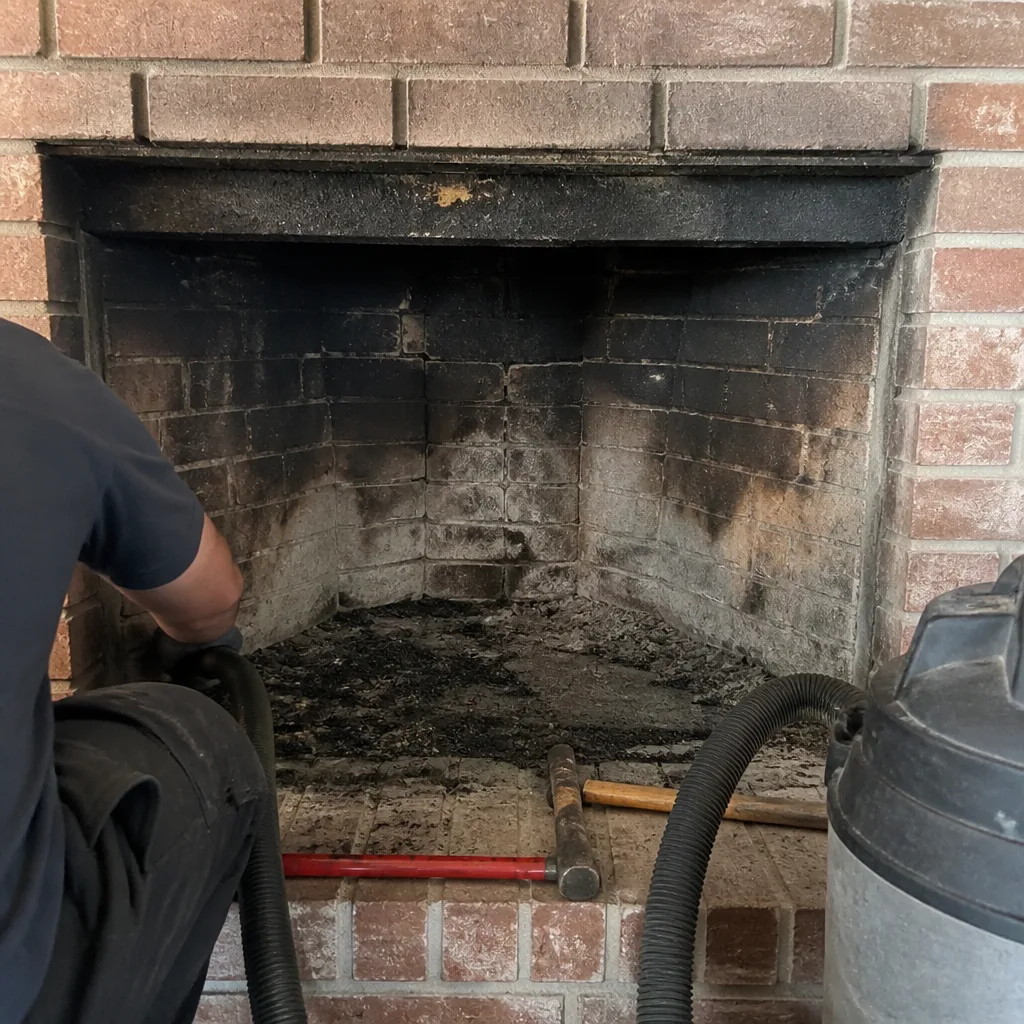 Before
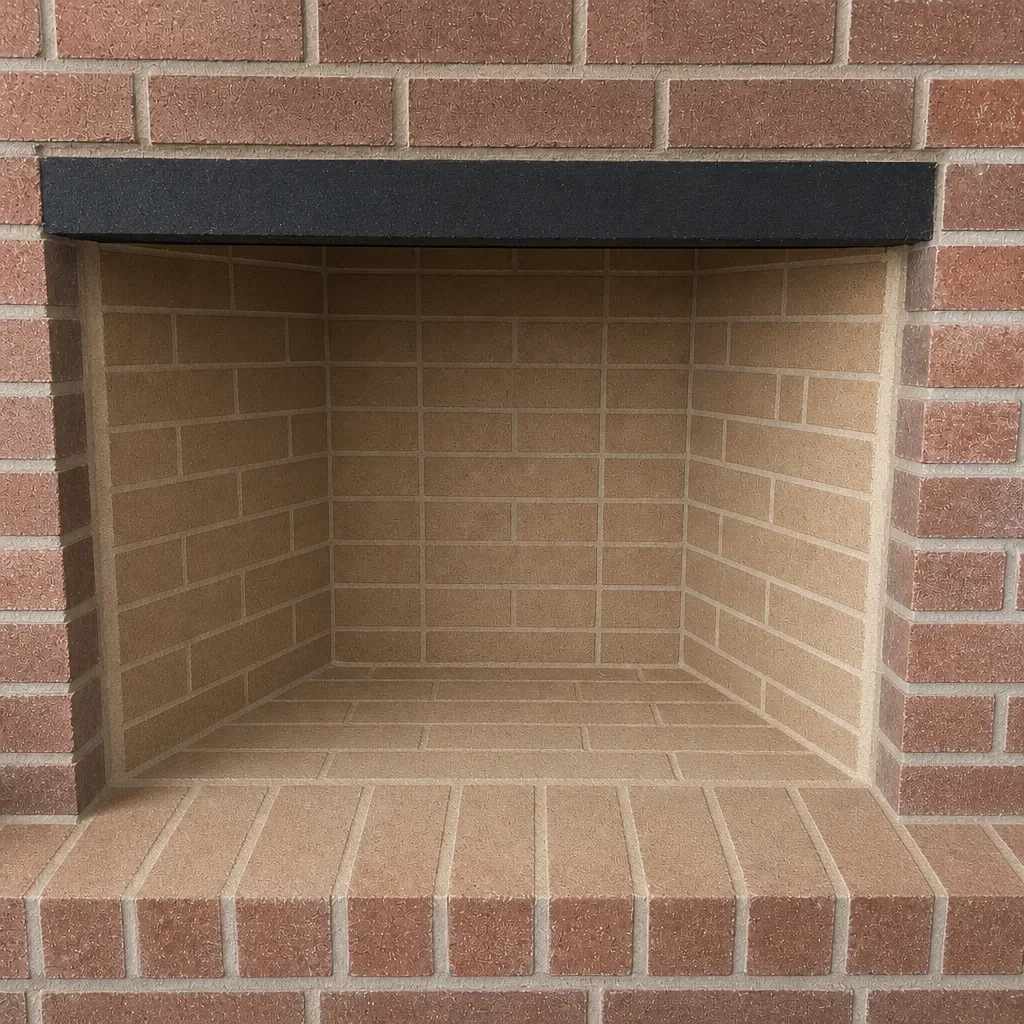 After
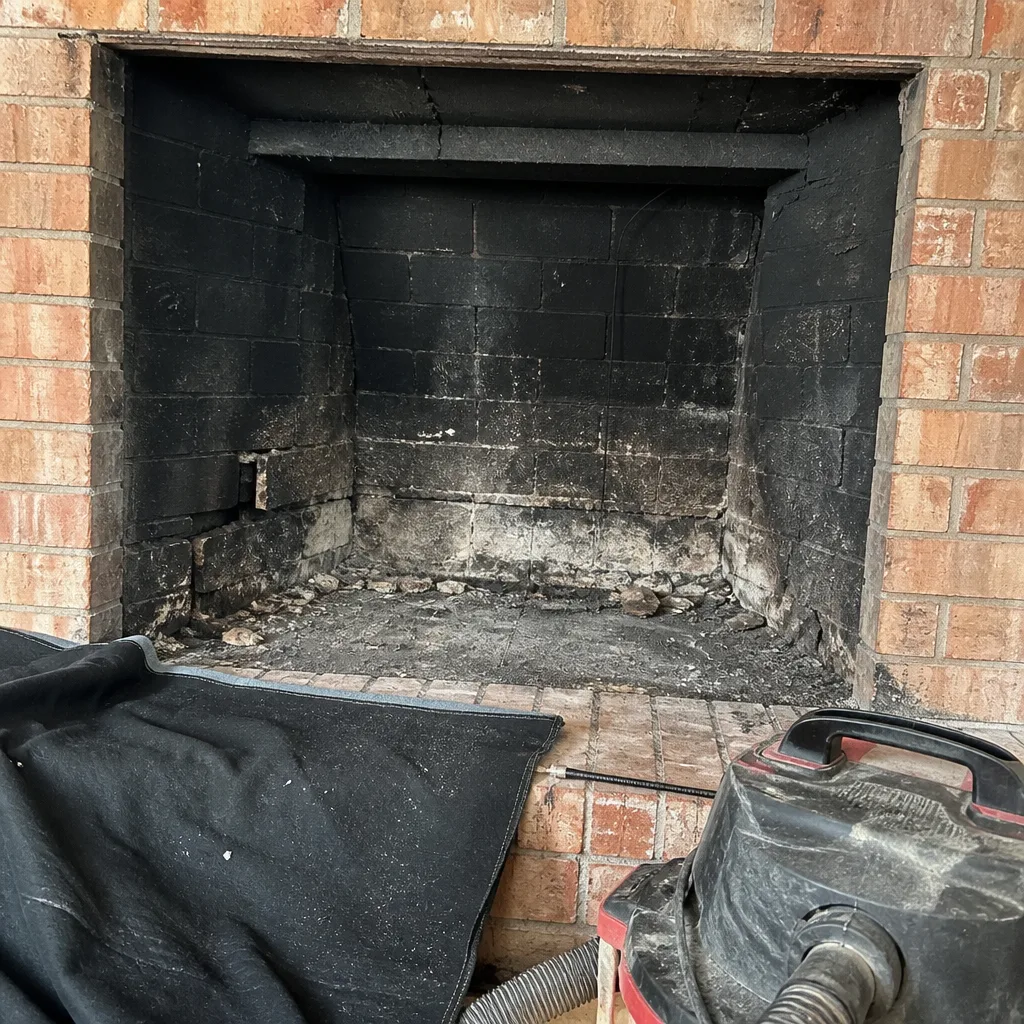 Before
 After
 Before
 After