
Last updated November 15, 2026
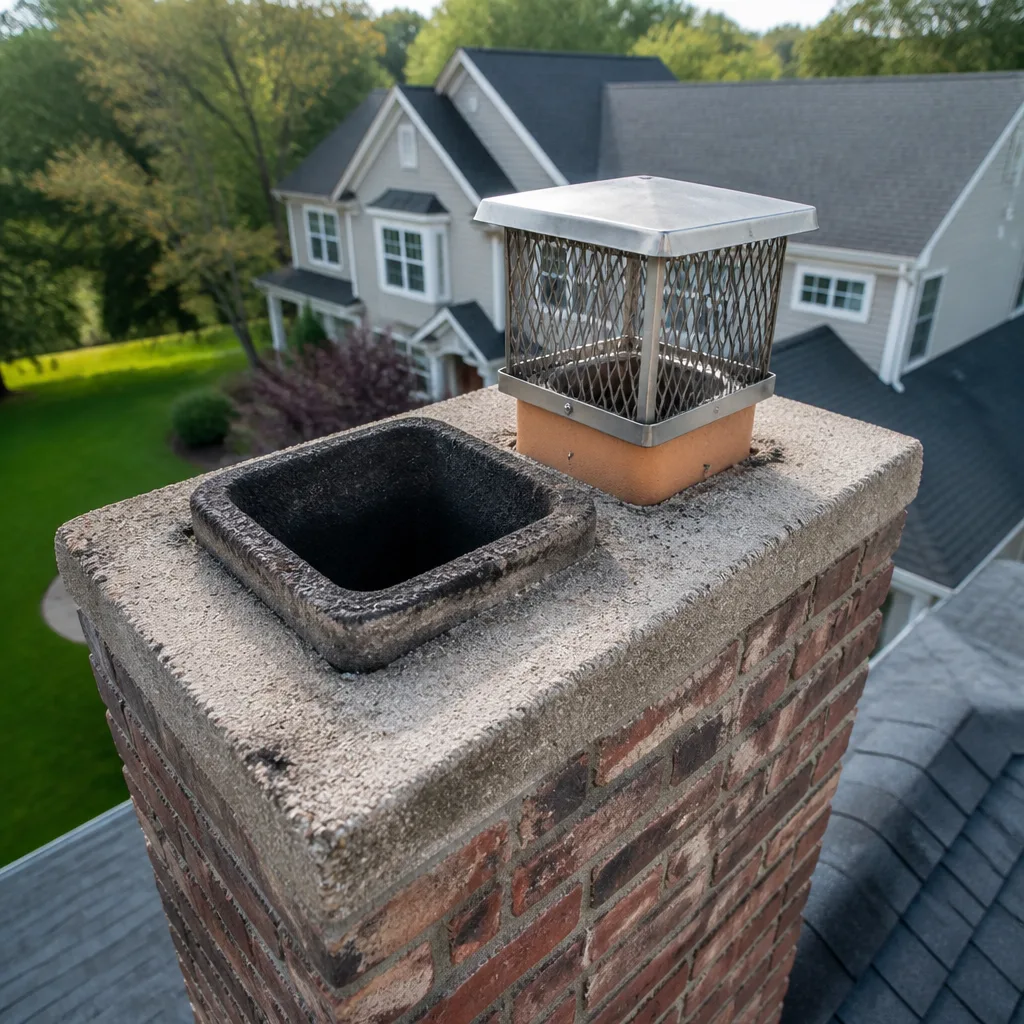 Sweep & inspection
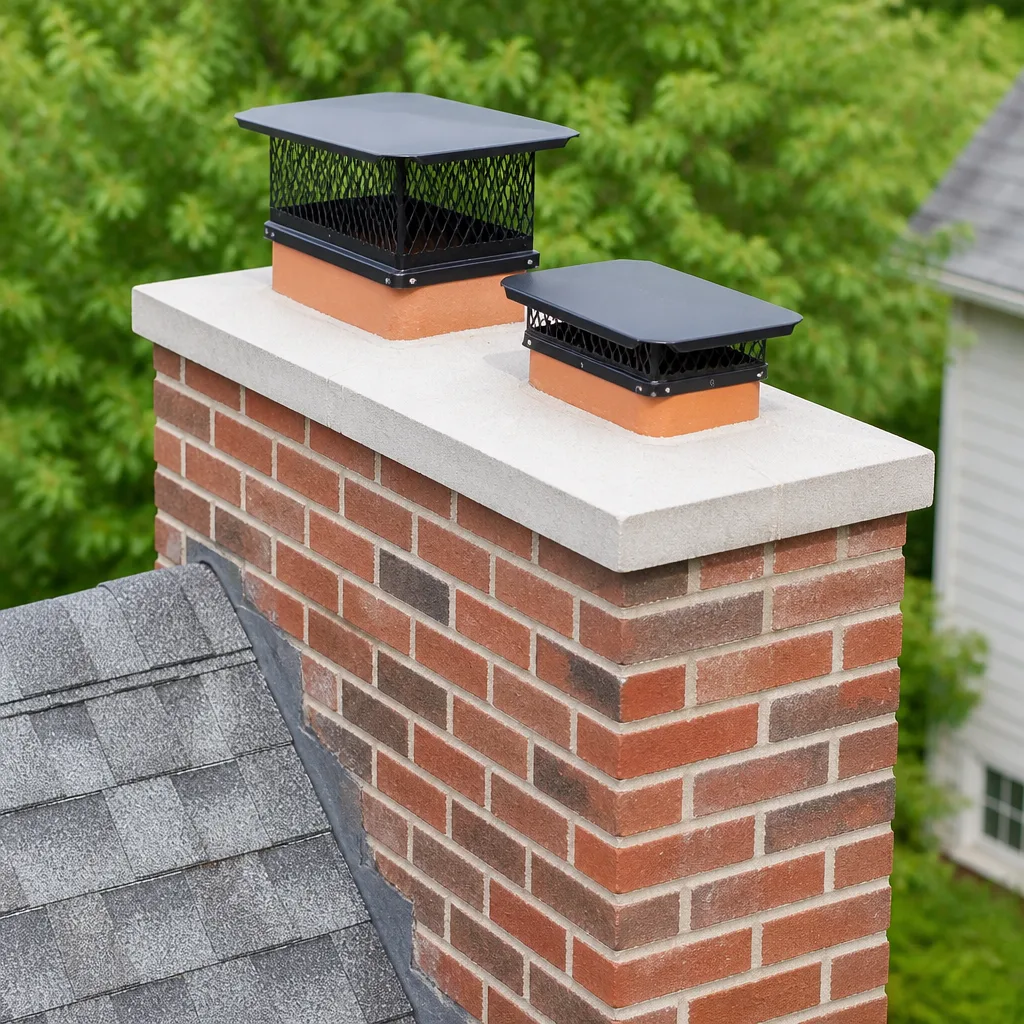 Caps & crowns
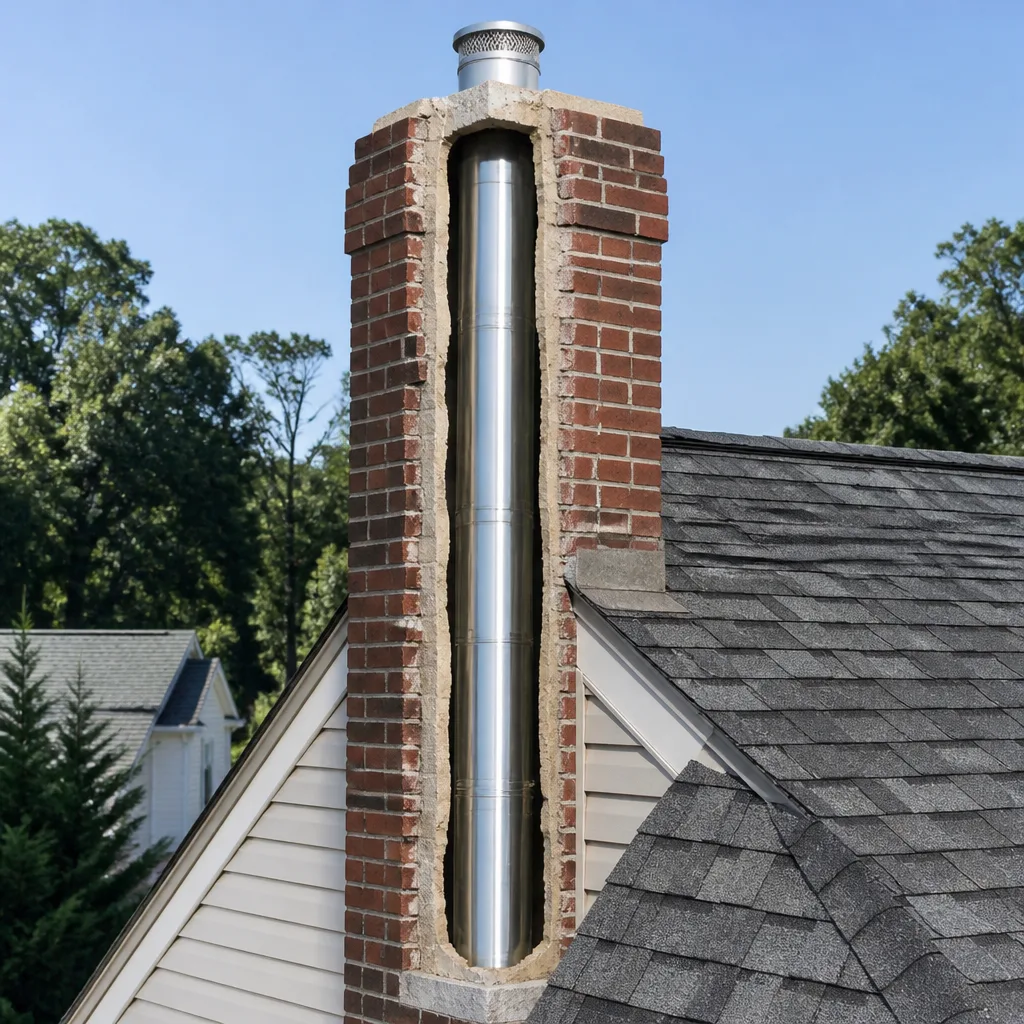 Flue relining
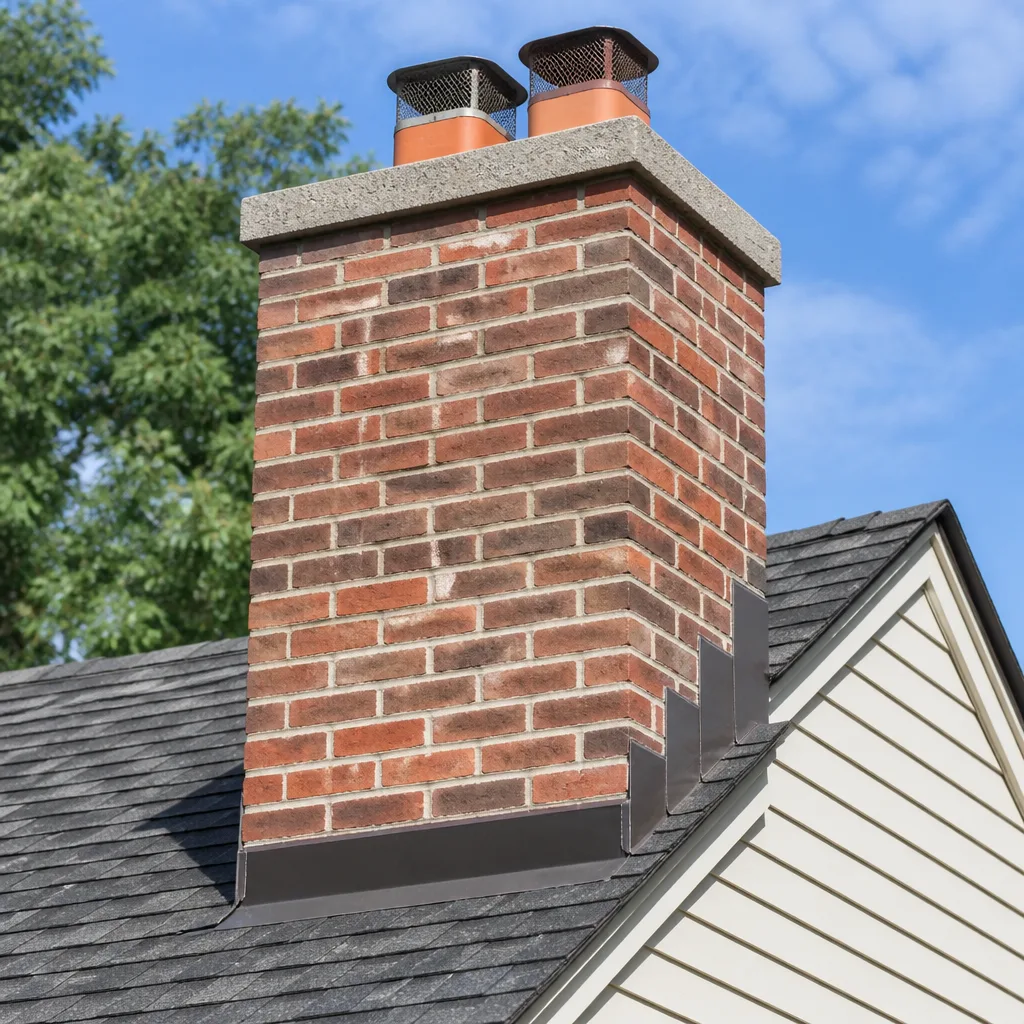 Masonry repair
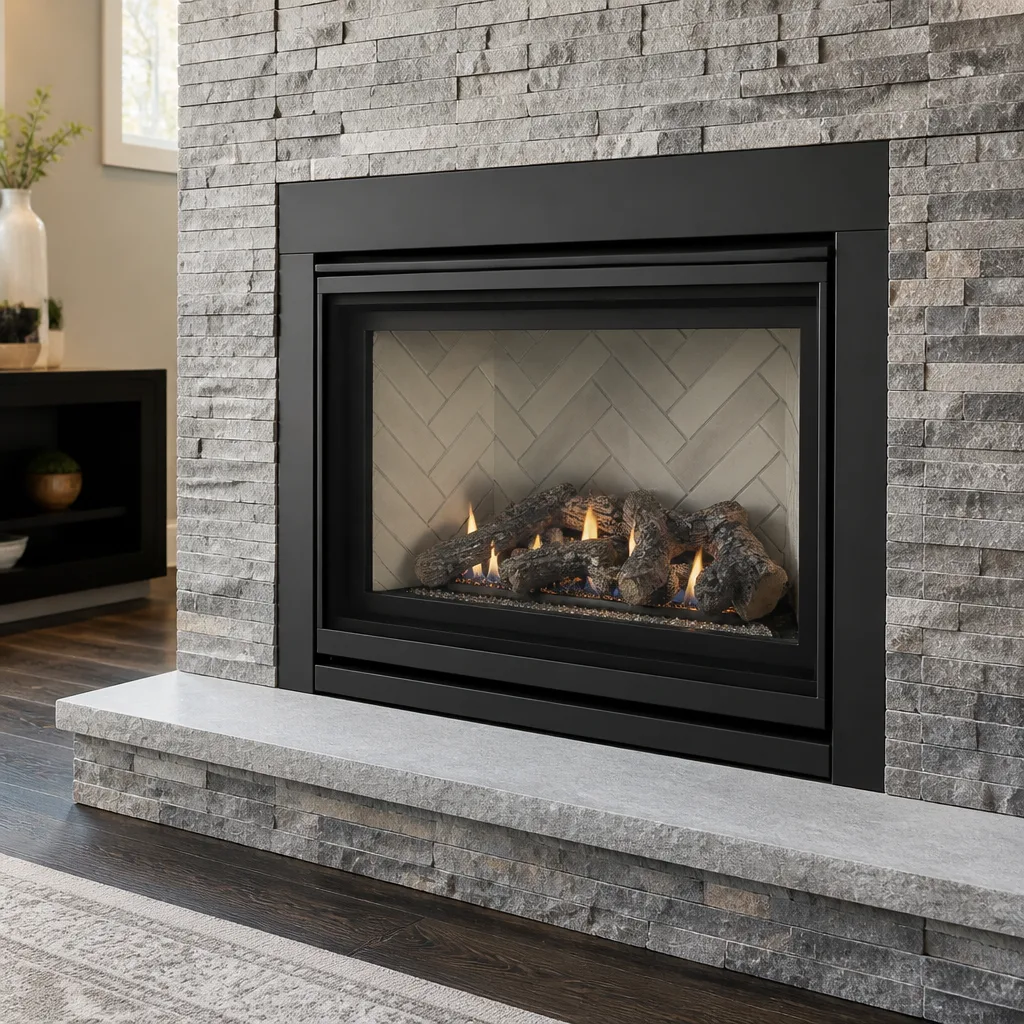 Gas fireplace service
Level 1 sweep and inspection to the NFPA 211 annual standard - flue, crown, cap, and flashing checked and photographed
Chimney sweep logs do not sweep chimneys. They loosen some creosote - which then falls where a brush and vacuum still have to collect it.
Seasonal Chimney Cleaning Care for Grand Prairie: Year-Round Homeowner’s Guide
“Schedule your sweep before winter” is advice written for cold climates. In Grand Prairie, it fits badly. Temperatures here can swing forty degrees in a week, the fireplace may sit untouched until a January cold snap, and the season that actually stresses a chimney is the long hot stretch when nobody’s thinking about it. That dormant flue is where the real problems build. This guide lays out a maintenance calendar that matches Grand Prairie weather rather than a Minnesota one: when to sweep, what a summer does to an idle chimney, how to close out fire season in spring, what to do when an ice storm knocks the power out, and how to tie cap and crown checks to storm season instead of the thermometer.
Quick Answer
The best time to schedule chimney cleaning in Grand Prairie is late spring or early summer, right after fire season ends, not in the fall. That timing clears winter creosote before the humid months, gives you a full season to handle any repair a camera inspection turns up, and has the system ready before the first cold snap, which here can arrive with little warning. A yearly inspection and a sweep whenever creosote reaches about a quarter inch of buildup keeps a wood-burning chimney in safe working order.
Styles & brands we work with
- Sweep & inspection
- Caps & crowns
- Flue relining
- Masonry repair
- Gas fireplace service
Table of Contents
- The Grand Prairie Chimney Care Calendar at a Glance
- When Fire Season Actually Runs in Grand Prairie
- What Happens Inside an Unused Flue During a Texas Summer
- Spring Tasks: Closing Out Fire Season the Right Way
- Ice Storms, Power Outages, and an Unprepared Chimney
- Cap and Crown Care Tied to Storm Season
- What a Proper Inspection Covers
- What You Can Check Yourself and What You Can’t
The Grand Prairie Chimney Care Calendar at a Glance
A workable year for a Grand Prairie chimney breaks into four periods, and none of them line up with the standard fall-sweep advice. Here’s how we think about the schedule.
- Late spring (after the last fire): Book the annual sweep and inspection. This is the single most useful appointment of the year.
- Summer (dormant season): Keep the damper closed, watch the cap after storms, and get any liner or masonry repair from the inspection completed while there’s no rush.
- Early fall (before the first cold snap): A quick visual check of the cap, crown, and firebox, and a test burn to confirm draft before you depend on the fireplace.
- Winter (fire season, plus ice-storm season): Burn dry wood, manage ash, and know what to do if the power fails and the fireplace becomes your heat source.
The logic is simple once you stop assuming a hard winter. Grand Prairie’s cold arrives in bursts, so the fireplace gets used episodically rather than continuously. That pattern produces creosote in stops and starts, and it means a chimney can look fine in October and be genuinely dirty by February. Sweeping once, at the end of the burn period, captures the whole season’s deposits in one visit instead of guessing at a fall cleaning that may come too early.
One more reason to favor spring: repair timing. If an inspection finds a cracked crown or a failing liner joint, you want months of mild weather to schedule the fix, not a cold week when the fireplace is the only warm room in the house. Inspect first, recommend second, and the calendar gives you room to act on what turns up.
When Fire Season Actually Runs in Grand Prairie
Fire season in Grand Prairie is not a fixed block on the calendar. It’s driven by cold snaps, and cold snaps here are irregular. A typical year might see the first real fire in late November or December, steady use through January and February, and a tapering off by March, but a mild winter can push meaningful burning into a few weeks scattered across the season.
That irregularity matters for two reasons.
- Creosote builds by burn-hours, not by date. A household that burns most nights through a cold January accumulates deposits faster than one that lights the fireplace a dozen times all winter. The calendar sets a reminder; the inspection sets the actual cleaning schedule.
- Wood moisture drives creosote more than anything else. In a climate where you might buy a cord in November and burn it in December, wood is often not seasoned. Wet wood smolders, smolders cooler, and cooler smoke deposits more creosote on the flue walls. If you can, buy wood a season ahead and stack it covered, off the ground, where air moves through it.
For gas inserts and gas log sets, the season looks different. A gas appliance doesn’t make creosote the way wood does, but it still needs an annual inspection of the venting, the firebox, and the connections, and it still benefits from the same late-spring timing. In our experience, gas fireplaces get neglected precisely because they seem maintenance-free. The venting and the logs still collect dust, debris, and insect activity over a dormant summer, and the annual look-over catches those before the first cold night when you want the fireplace to work.
If you’re not sure how much you actually burn, keep it simple: one sweep and inspection a year, timed to the end of your personal fire season. For most Grand Prairie homeowners, that lands in spring. A professional chimney sweep can tell you whether the buildup justifies cleaning or just a check.
What Happens Inside an Unused Flue During a Texas Summer
An idle chimney is not a sealed system, and a Grand Prairie summer puts real stress on it. Understanding what happens in those quiet months explains why a fall sweep alone can miss the problem.
Here’s the sequence, generally:
- Heat and humidity move through the flue. Masonry and metal both expand and contract across hot days and cooler nights. Tiny cracks that were invisible in March can open slightly by August.
- Moisture finds those cracks. Humid summer air, plus any rain that gets past a worn cap or a damaged crown, sits against masonry and metal. Moisture plus the acidic residue left from last season’s smoke is a slow corrosion combination.
- Wildlife and insects move in. An open or damaged cap is an invitation. Birds, squirrels, and wasps nest in flues across the region every summer, and a nest is both a blockage and a fire risk the first time you light a fire in the fall.
- Odors develop. Creosote and soot left in the flue from last season absorb summer humidity and release that smoky smell back into the house, especially on still, hot days when the stack effect reverses.
By the time fall arrives, the chimney has spent months in the worst possible state for it: dirty from last season and exposed to heat, humidity, and wildlife. A fall sweep cleans the flue, but it can’t undo a summer of moisture sitting against a cracked crown. That’s the case for the spring appointment and a summer repair window. Get the flue clean in late spring, fix what the inspection found over the summer, and the fall is a formality rather than a scramble.
If your fireplace smells smoky in July or August with no fire burning, that’s a signal worth acting on. Call us and we’ll take a look rather than wait for the fall rush.
Spring Tasks: Closing Out Fire Season the Right Way
Spring is when the useful work gets done in Grand Prairie. Fire season has ended, the weather is mild, and every task below is easier and cheaper to handle now than in a cold-weather emergency. Here’s how to close out the season.
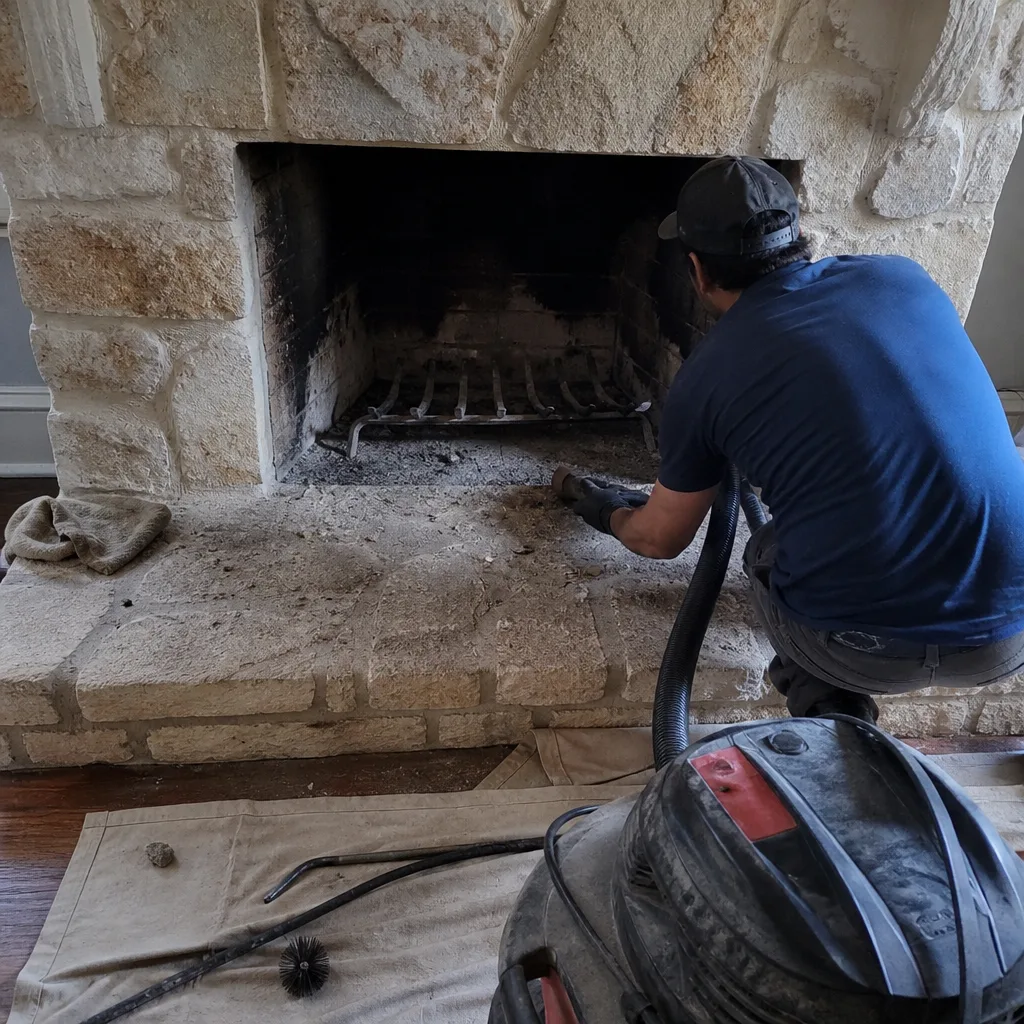
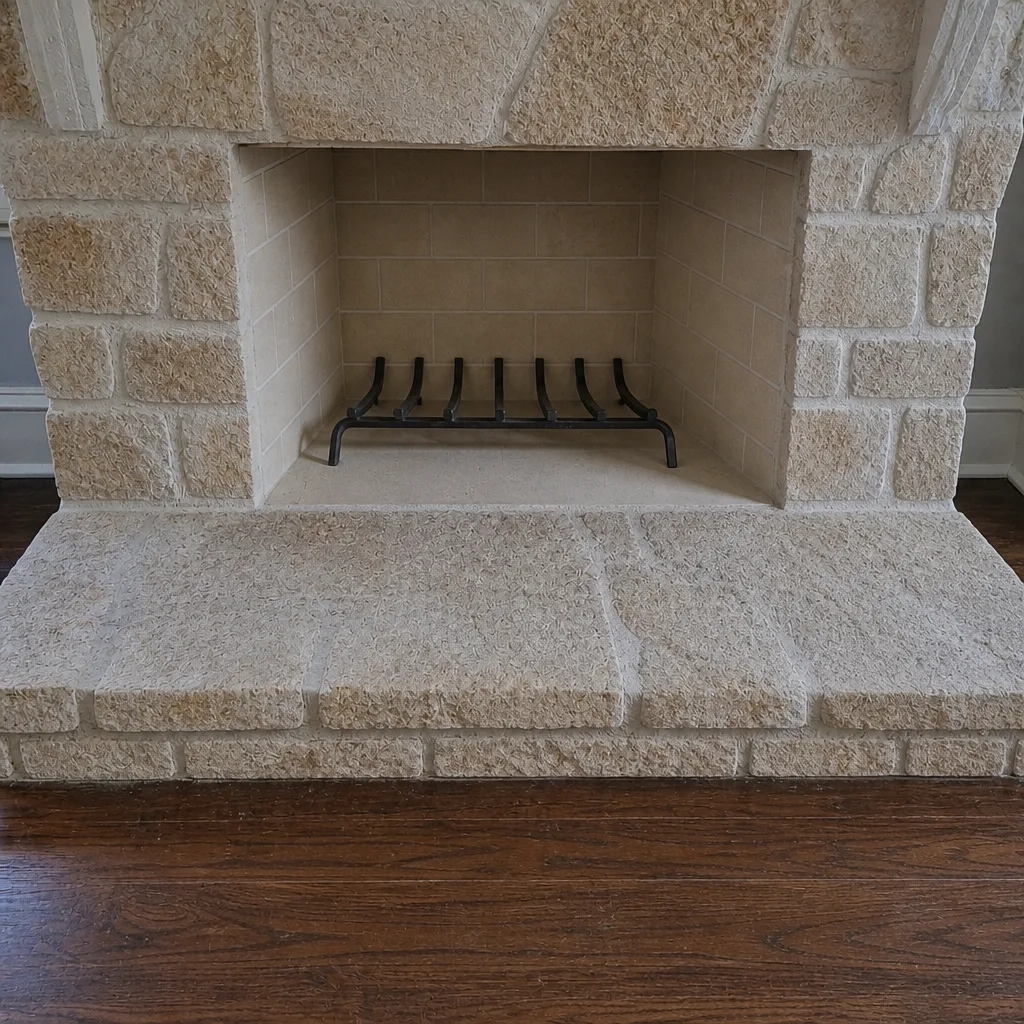
- Book the sweep and inspection. Late spring is the ideal window. The sweep clears the season’s creosote, and the inspection documents the condition of the flue, liner, cap, crown, and firebox with a camera and photo record you can see for yourself.
- Clear the firebox and ash pit. Remove ash and any leftover wood. Ash holds moisture against the firebox floor, and an empty firebox dries out over the summer instead of corroding.
- Check the cap and crown. Winter storms and spring winds are the usual suspects for a loose cap or a hairline crown crack. Catching them now means a summer repair, not a fall surprise.
- Look for winter damage. Inspect the firebox for loose brick or crumbling mortar, and the exterior for spalling brick or a white, chalky bloom that signals moisture getting into the masonry.
- Seal for the off-season. A closed damper and a properly fitted cap keep rain, humidity, and wildlife out. If you have no cap, that’s the first thing to fix.
- Stack next season’s wood now. Wood split and stacked in spring has a full summer to dry. That single habit reduces creosote more than any other choice a wood-burner makes.
Do those six things and the fall becomes a quick check rather than a rescue. Skip them and the summer does what summers do to an exposed, dirty flue. The chimney repair work that follows a neglected summer is always more involved than the maintenance that would have prevented it.
Ice Storms, Power Outages, and an Unprepared Chimney
Grand Prairie occasionally gets an ice storm, and when the power goes out, the fireplace becomes the heat source for the house. That’s exactly the moment an unprepared chimney fails you. An ice storm is not the time to discover the flue is blocked by a summer nest or the damper won’t open.
Before you light a fire during an outage, verify four things:
- The damper opens fully. A stuck damper is the most common reason a cold-weather fire smokes into the room.
- The flue is clear. If it hasn’t been swept or inspected since last season, you’re lighting a fire into an unknown flue. A nest, a collapsed liner tile, or heavy creosote all turn a heat source into a hazard.
- The cap is intact. Ice and wind can dislodge a cap. A missing cap means rain, ice, and debris have direct access to the flue.
- Your carbon monoxide alarm works. This is a general safety rule, not a Grand Prairie one: a working CO alarm near the sleeping area is the single most important backup for any home with a fuel-burning appliance.
If the chimney wasn’t prepped and the power is out, you have a choice. You can light a small, hot fire with dry wood and the damper wide open, watching for smoke backing into the room, or you can wait it out with blankets and a safe alternative heat source. What you should not do is light a fire into a flue you know nothing about. And if the storm hit and you now realize the chimney was never checked, that’s the exact reason to book a spring inspection so the next outage isn’t a gamble.
For homes with gas inserts, an outage is a different scenario. Many gas inserts won’t run without power for the blower or the ignition, and a gas fireplace that’s vented properly is only safe if the venting is intact. Don’t improvise with a gas appliance during an outage. If the power is out and you’re unsure, call us. We answer 24/7. A call outside dispatch hours is booked into the next opening, Sunday through Friday, 7am to 7pm.
Cap and Crown Care Tied to Storm Season
Most chimney guides tell you to check the cap and crown in the fall. In Grand Prairie, the calendar should follow storm season, not the thermometer. The cap and crown are the two components most exposed to weather, and the storms that damage them don’t care what month it is.
Here’s a practical schedule:
- After any significant storm: A visual check from the ground. Look for a tilted, missing, or displaced cap, and for new cracks or missing pieces on the crown, the concrete top that sheds water away from the flue.
- Late spring, as part of the annual inspection: A close look at the cap, crown, and flashing. This is the check that catches the slow stuff, like a hairline crown crack that lets water into the masonry every time it rains.
- Early fall, before fire season: A second ground-level check to confirm nothing moved over the summer.
- After any ice event: Ice can crack a crown or dislodge a cap, so a post-storm look is worth the two minutes.
The crown deserves special attention because it does the quiet work of keeping water out of your chimney’s masonry. A cracked crown is a slow problem. Water gets in, masonry spalls, and eventually the repair goes from a crown resurfacing to a rebuild. A properly fitted cap does similar quiet work: it keeps rain, birds, and squirrels out of the flue, and it’s the simplest preventive part on the whole chimney.
When a crown or cap needs replacement, the products matter. We work with a defined set of professional-grade chimney brands, including Olympia Chimney for caps and venting components, so the part that goes on top is specified for the job and installed to hold up. Trade-grade materials, properly installed, is the standard we hold to on every repair.
What a Proper Inspection Covers
An inspection is the diagnostic step, and it’s where a good chimney company earns its keep. Here’s what a thorough inspection should cover, and what you should expect to receive afterward.
- The firebox and damper: Condition of the brick, mortar joints, and the damper mechanism.
- The flue and liner: A camera inspection of the flue to look for cracks, gaps, deteriorated mortar, and heavy creosote. For a masonry chimney, that means the clay tile liner. For a metal system, it means the liner joints.
- The smoke chamber and smoke shelf: Areas where creosote collects and where a poorly shaped chamber can cause draft problems.
- The cap, crown, and flashing: The weather-exposed top of the system, checked for damage and proper fit.
- The exterior masonry: Brick, mortar joints, and any signs of moisture intrusion or spalling.
- Venting for gas appliances: If you have a gas insert or gas logs, the venting and connections get checked as well.
What you should get back is a written report with photos or video from the camera inspection. That matters because the real question every homeowner has is whether they’re being told they need thousands of dollars of liner or masonry work they have no way to verify. You shouldn’t have to take that on faith. Nothing gets recommended without camera evidence you can see for yourself, and we’ll tell you plainly when work can safely wait until next season. Inspection-first means the recommendation follows the evidence, not the other way around.
The inspection is designed to meet or inform compliance with NFPA 211, the national chimney inspection standard, and we confirm current applicability with each customer. If you’re buying a home in Grand Prairie, a pre-purchase inspection of the chimney is worth scheduling before you close. The Grand Prairie market moves quickly, and a chimney issue found before closing is far easier to resolve than one found after.
What You Can Check Yourself and What You Can’t
Some chimney care is genuinely homeowner work, and some of it is not. Being honest about the line is part of doing this well.
What you can and should check yourself:
- A visual look at the cap, crown, and exterior from the ground, after storms and again in early fall.
- That the damper opens and closes freely.
- That wood is dry: split a piece and check that it’s dry inside, not just on the surface.
- That a carbon monoxide alarm is present and working.
- That the firebox is clear of ash and debris before the season.
What you should not do yourself:
- Climb onto the roof to inspect the crown or cap close up. Roof work is a genuine fall hazard and is best left to someone trained and equipped for it.
- Open the flue or firebox to clean beyond a basic surface sweep. The flue interior is where the creosote and the hazards are.
- Attempt any repair to a liner, crown, or masonry. These are structural and venting components, and a poor repair is worse than no repair.
The reason is straightforward. The dangerous parts of a chimney service are the parts you can’t see from the firebox: a cracked liner tile, a failed joint, a crown that’s letting water in, a flue blocked by a nest. A camera inspection finds those. A homeowner with a flashlight and good intentions does not. Our technicians have up to experience, and they’re trained specifically on flues, liners, caps, and masonry, not across unrelated trades. That focus is the point. Chimney specialists, not generalists.
Common Mistakes to Avoid
- Sweeping in fall because that’s when everyone says to. In Grand Prairie, that timing often comes too early for a fireplace that won’t see real use until December or January, and it leaves the summer moisture problem unaddressed. Sweep in late spring and you catch the whole season’s creosote at once.
- Burning unseasoned wood. Wood bought in November is often too wet. It smolders, and smoldering smoke deposits more creosote. Buy in spring and stack it covered for the season.
- Skipping the inspection because the sweep “looked fine.” A clean flue can still have a cracked liner, a failing crown, or a loose cap. Cleaning and inspecting are two different jobs, and both matter.
- Ignoring the cap after storm season. A storm knocks a cap loose or cracks a crown, and the next rain goes straight into the masonry. A post-storm ground check is the cheapest maintenance there is.
- Lighting a fire during an outage without checking the flue. An ice-storm outage is the worst time to discover a summer nest or a stuck damper. Verify before you light.
- Assuming a gas insert needs no annual service. Gas appliances still need venting checked and the firebox cleaned. Neglect them because they seem maintenance-free, and the first cold night becomes the test.
- Letting a “handyman sweep” handle liner or crown work. A generalist with a brush can clean a flue. Liner systems, crown resurfacing, and masonry repair are a different job, and the materials matter. We use HeatShield for flue resurfacing and DuraFlex liner systems, and we source from a defined roster of professional brands including Gelco and Famco, because those products are specified for the job rather than improvised.
When to Call a Professional
Call a professional chimney company when any of the following is true. First, if it’s been a year or more since your last sweep and inspection, regardless of how much you burned. Second, if you see or smell any of the signs of trouble: a smoky smell in the house on still days, smoke backing into the room when a fire is lit, a visible crack or missing piece on the cap or crown, or staining on the exterior masonry. Third, if you’ve had a storm or ice event and haven’t checked the top of the system since. Fourth, before you buy a home in Grand Prairie with a wood-burning fireplace. Fifth, if you’re converting to a gas insert or upgrading venting, so the work is specified and installed correctly from the start.
Banner Chimney Sweep offers free estimates in Grand Prairie. Call (833) 633-6933. We answer 24/7. Fast dispatch from 7am to 7pm, Sunday through Friday. One company handles every stage of chimney care, from sweep to inspection to repair, so you’re not coordinating multiple contractors. The estimate is free and the final price is set per job by the written estimate.
Frequently Asked Questions
Chimney cleaning in Grand Prairie is priced per job by a written estimate, not by a flat national rate. The estimate accounts for the type of chimney, the amount of buildup, and whether repair work is also needed, and it’s free. Call (833) 633-6933 for an exact quote. Estimates are free.
Late spring or early summer is the best time, right after fire season ends. That clears the winter’s creosote before the humid months, leaves time to handle any repair from the inspection, and has the system ready before the first cold snap. Fall works too, but it’s a tighter window in this climate.
Only if the camera inspection shows evidence it’s needed, such as cracks, gaps, or a failed joint. You shouldn’t accept a liner recommendation without seeing the camera evidence yourself. When a liner is needed, DuraFlex liner systems are the kind we install for code-compliant venting, and we’ll show you why the repair can’t wait before recommending it. Call (833) 633-6933 to schedule an inspection.
Once a year is the standard for most wood-burning chimneys, plus any time creosote reaches about a quarter inch of buildup. Homes that burn frequently may need more. Gas fireplaces need an annual inspection of the venting even though they don’t produce wood creosote.
Creosote builds up and becomes a fire risk in the flue, the crown and cap can degrade and let water into the masonry, and wildlife can nest in an open flue over the summer. None of those announces itself until a fire is lit. A yearly sweep and inspection catches them before they become a repair. Call (833) 633-6933 for an exact quote; estimates are free.
We answer 24/7. A call outside dispatch hours is booked into the next opening, Sunday through Friday, 7am to 7pm. If the power is out and your chimney wasn’t prepped, the safest approach is to verify the flue and damper before lighting a fire, or to wait it out with a safe alternative heat source. Call us and we’ll walk you through what’s safe.
The Bottom Line
Grand Prairie’s seasons don’t behave like the textbook those generic chimney guides are built on, and the maintenance calendar should follow the local pattern: sweep in late spring after fire season ends, watch the flue and cap through the humid summer, repair anything the inspection found while the weather is mild, do a quick visual check in early fall, and keep the cap, crown, and CO alarm in order through ice-storm season. That schedule beats the fall-sweep shortcut on every count. Chimney care here is a year-round rhythm, not a single appointment. One company can handle every stage of it, from sweep to inspection to repair. Call (833) 633-6933. We answer 24/7. Fast dispatch from 7am to 7pm, Sunday through Friday. The estimate is free, and the price is set per job by the written estimate.
See our Banner Chimney Sweep services for the full picture of what we handle, and call us when you’re ready to book the spring sweep.
Written by the team at Banner Chimney Sweep.
See the difference
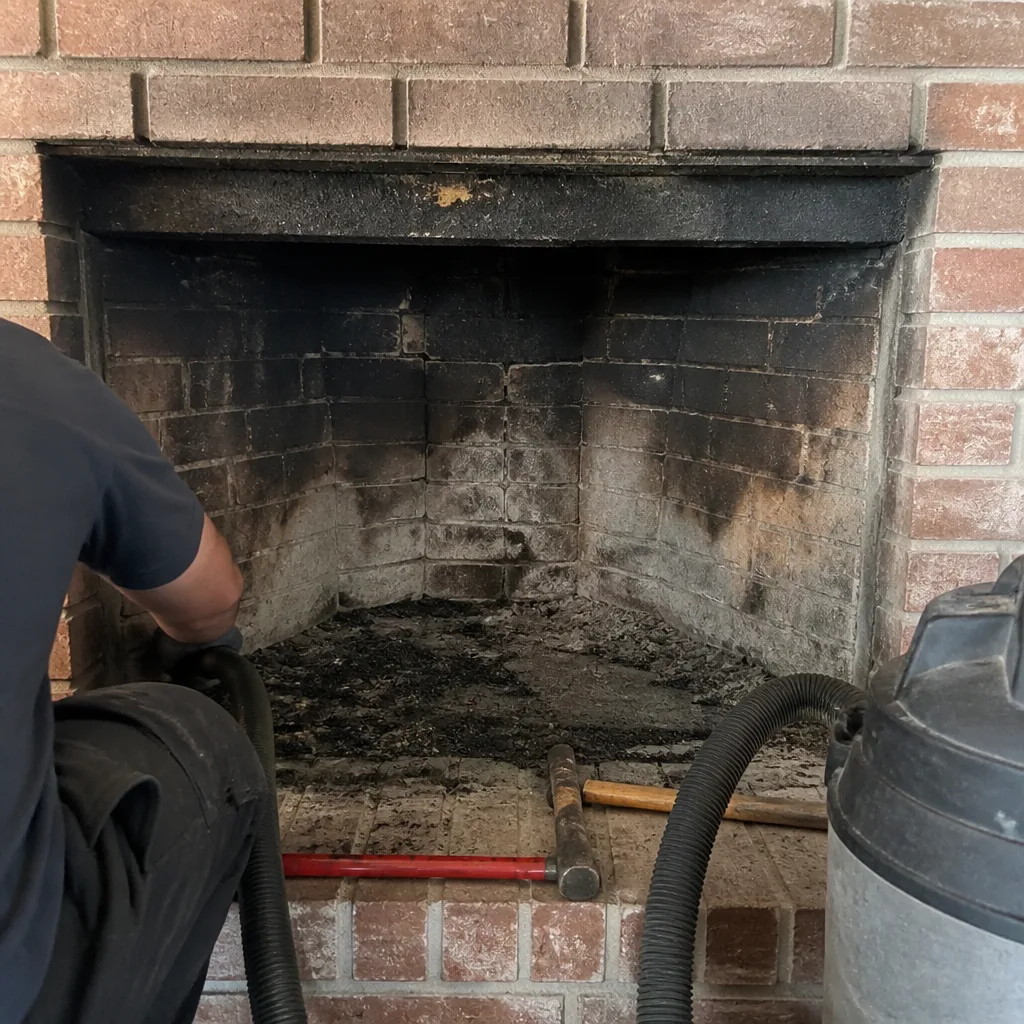 Before
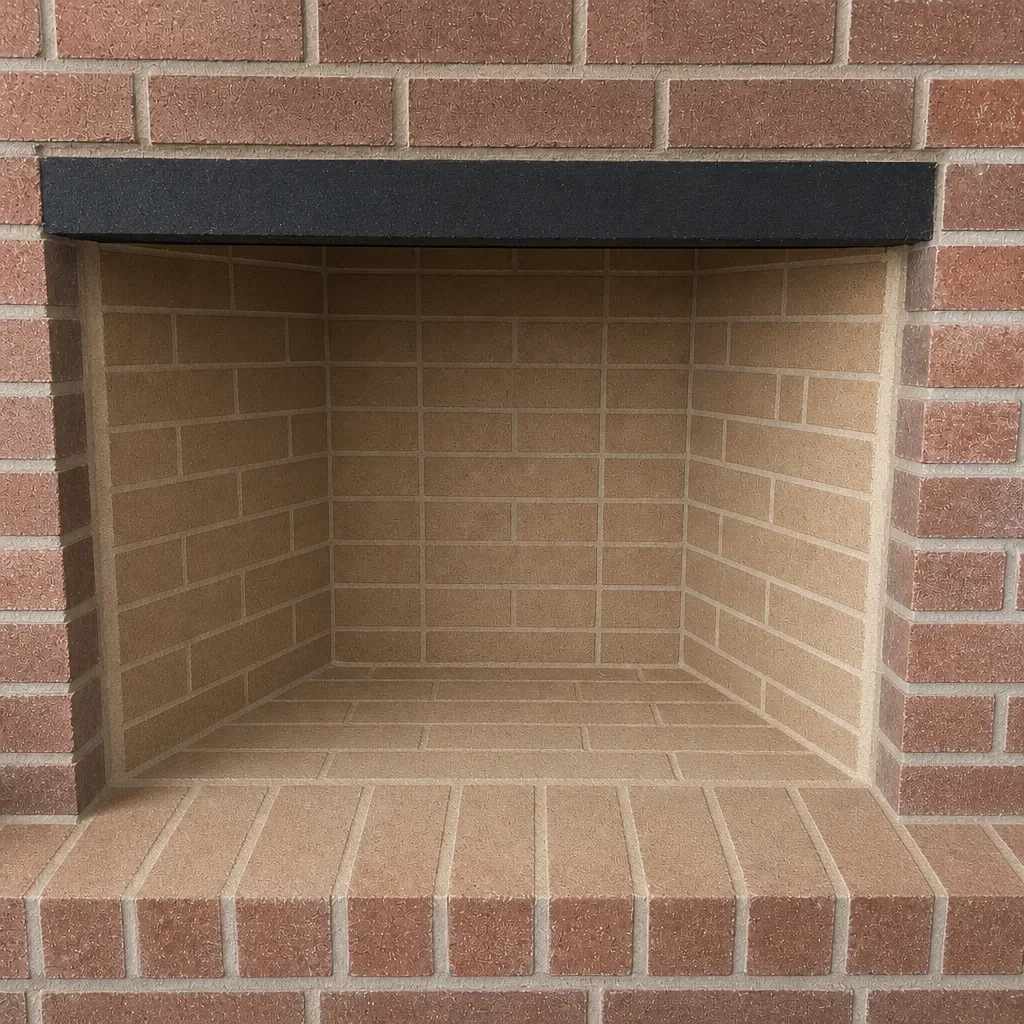 After
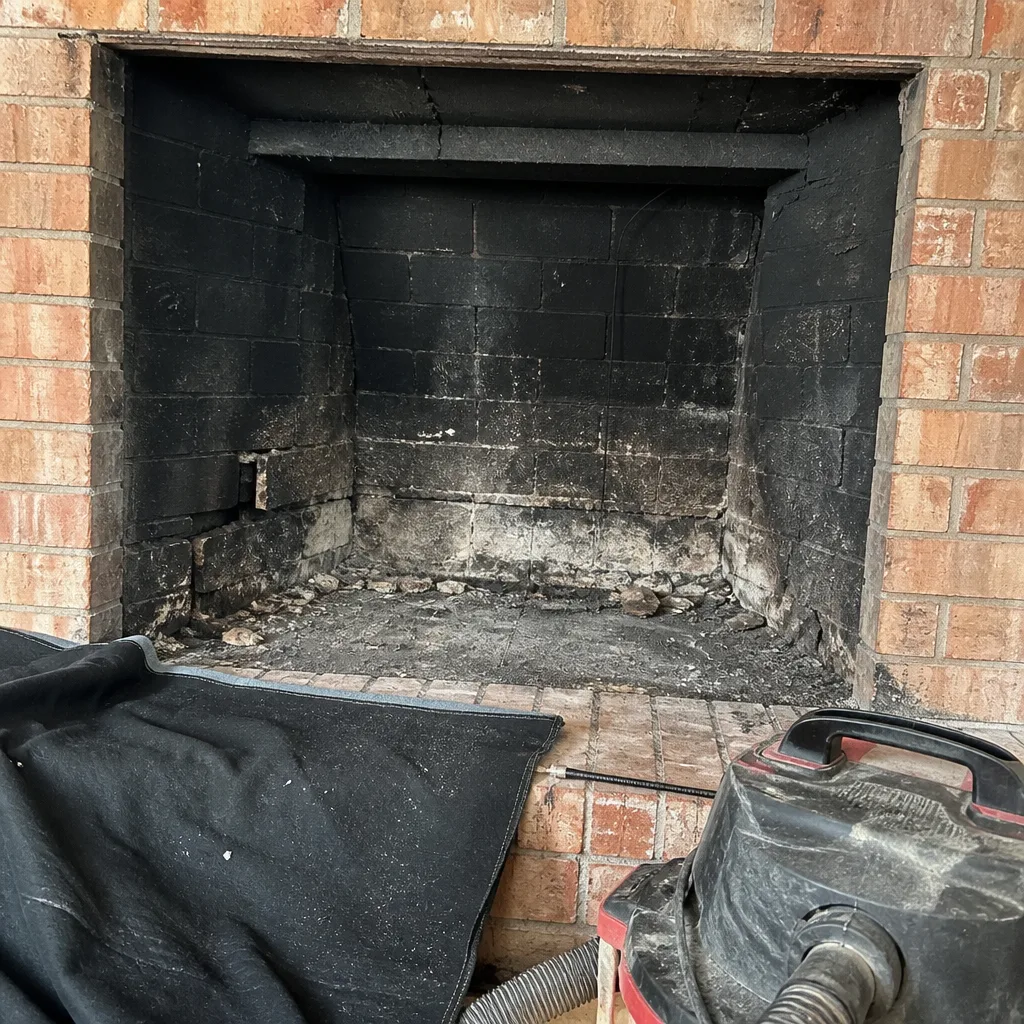 Before
 After
 Before
 After