
Last updated November 15, 2026
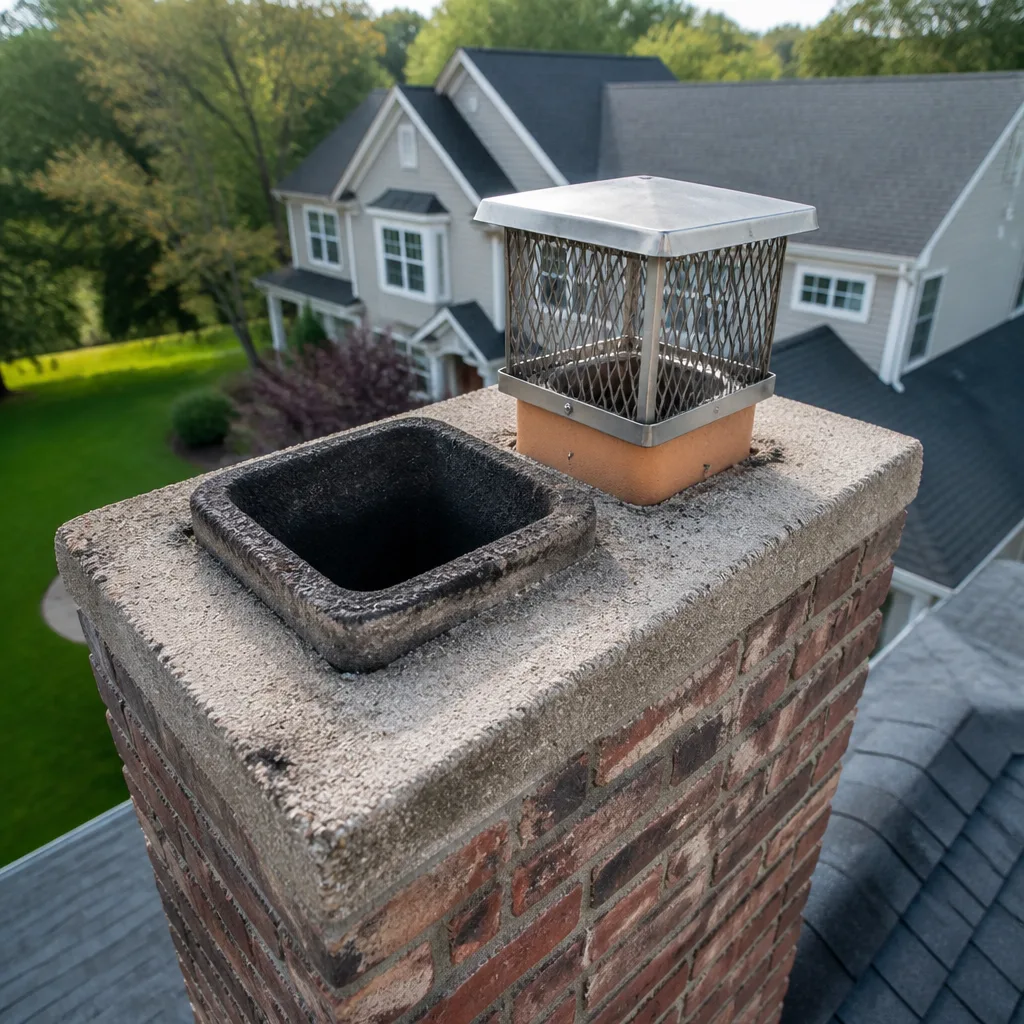 Sweep & inspection
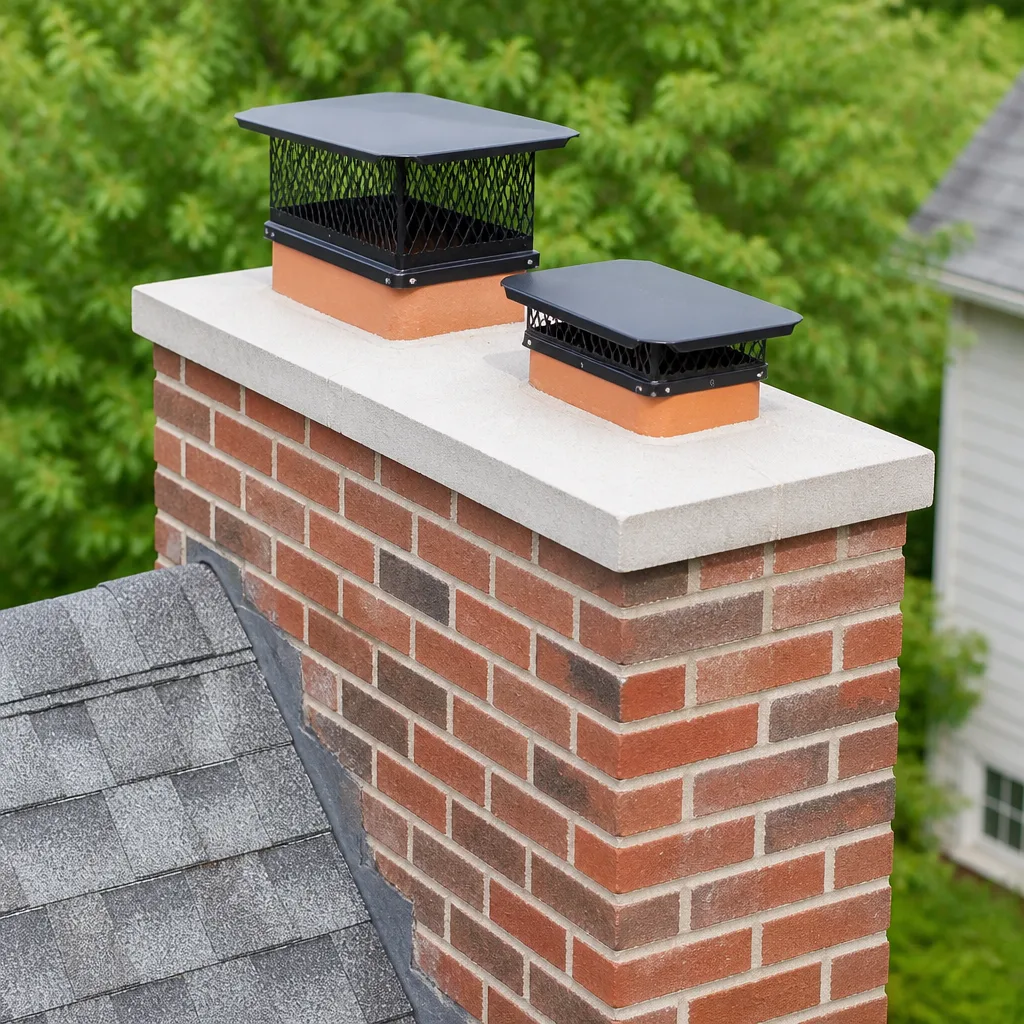 Caps & crowns
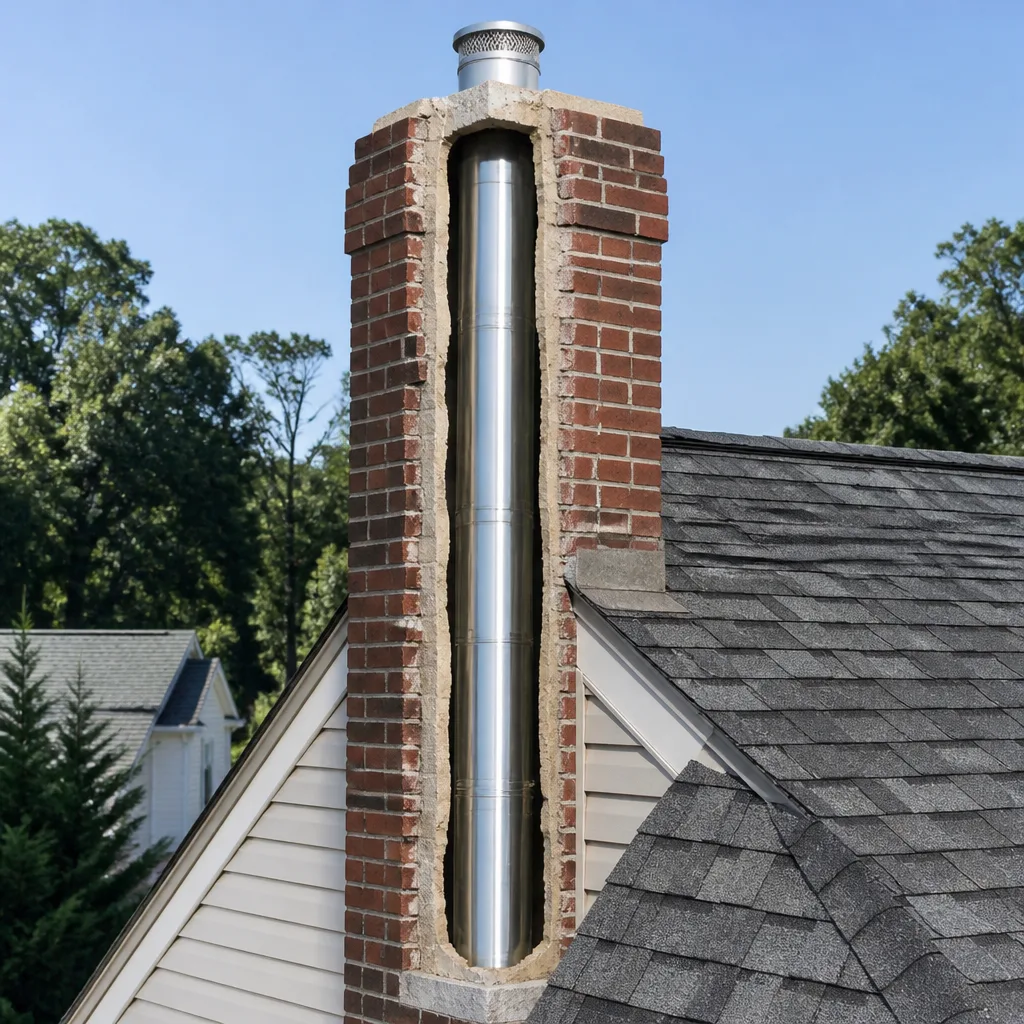 Flue relining
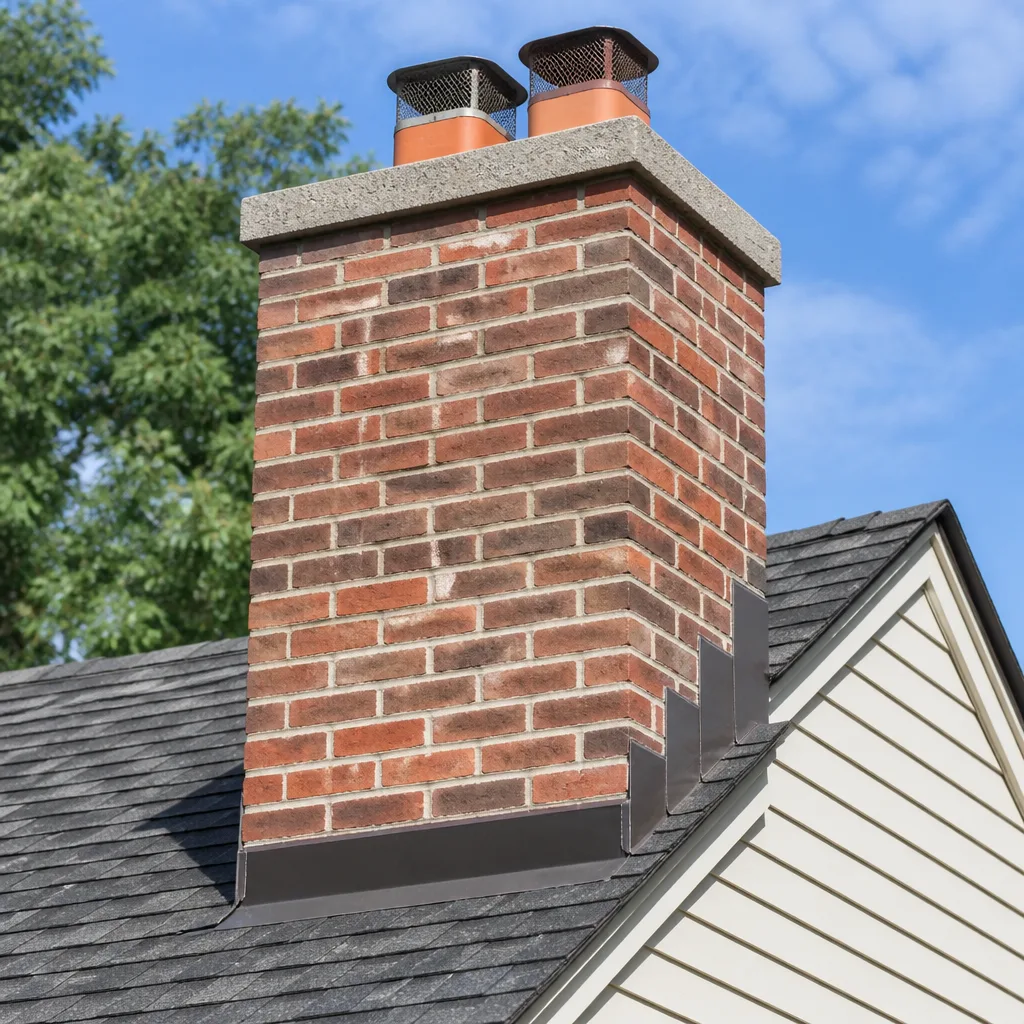 Masonry repair
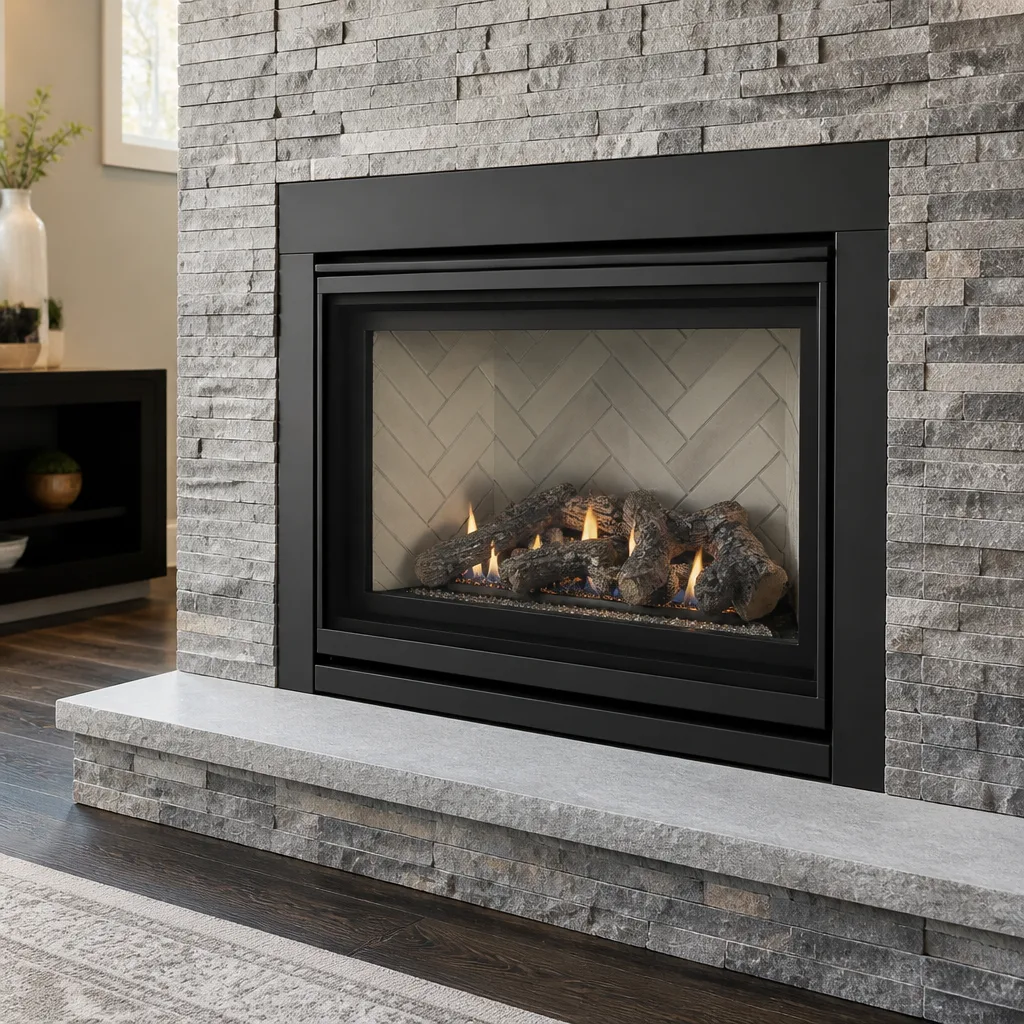 Gas fireplace service
Level 1 sweep and inspection to the NFPA 211 annual standard - flue, crown, cap, and flashing checked and photographed
Chimney sweep logs do not sweep chimneys. They loosen some creosote - which then falls where a brush and vacuum still have to collect it.
Chimney Cleaning Warning Signs: A Grand Prairie Homeowner’s Reference Guide
Most warning sign guides repeat the same five symptoms no matter where you live. That’s a problem in a city where fireplaces sit dormant for eight or nine months of the year. A campfire smell in August, with a firebox that hasn’t held a log since February, is one of the clearest signals a Grand Prairie homeowner can get, and it has almost nothing to do with the wood you burned last winter. We wrote this guide around what chimneys in this climate actually do between burns: how a long dormant season lets moisture, animals, and creosote behave in ways cold-weather guides never mention. You’ll learn which indoor and outdoor signs are cosmetic, which are active problems, and which ones genuinely warrant a sweep and inspection.
Quick Answer
The main warning signs that a chimney needs cleaning or inspection are: a smoky odor in the firebox even when the fireplace is idle, dark stains or white mineral crusting on exterior masonry, creosote visible more than a thickness past the flue wall, smoke that rolls into the room on the first fire of the season, and animal or wind sounds from the chimney between burns. Any one of these is reason enough for a professional sweep and inspection. Two or more together usually means the flue has been neglected through a dormant season and should be checked before you light the next fire.
Styles & brands we work with
- Sweep & inspection
- Caps & crowns
- Flue relining
- Masonry repair
- Gas fireplace service
Table of Contents
- How a Dormant Season Changes What Warning Signs Mean
- What Odors at Different Times of Year Tell You About the Flue
- Exterior Masonry Signs You Can See From the Ground
- Why Smoke on the First Fire of the Season Warrants an Inspection
- Sounds From the Chimney: Popping, Scratching, and Wind Noise
- Telling Cosmetic Staining From Active Moisture Intrusion
- Creosote Stages and What Each One Requires
- What a Professional Inspection Actually Checks
How a Dormant Season Changes What Warning Signs Mean
In colder parts of the country, a chimney gets burned hard through winter, and problems surface quickly because the system is under constant load. Here in the Dallas-Fort Worth area, the equation runs the other way. A chimney might see a dozen fires in January and then nothing until the following December. That dormant stretch is when the trouble quietly develops: organic material builds up, moisture works its way into mortar joints, and small birds or squirrels find an open flue cap to be exactly what they were looking for. None of it announces itself with a fire in the box.
This is why Grand Prairie homeowners tend to catch chimney problems later than people in colder cities. The symptom doesn’t show up while you’re using the fireplace. It shows up the next time you try to. The smell that greets you in July, the stain you notice while mowing the lawn in May, the odd noise in the chimney on a windy night in October – these are the actual signal window for a low-use system in this climate.
Two seasons in particular matter:
- Late spring into summer: The firebox is cooling off and residual creosote is releasing odor. Moisture from spring rain has had months to find weak mortar. Animals that nested in spring are active in the flue.
- Late fall, before the first fire: Creosote has dried and hardened through the summer. Any animal nests are now dry and combustible. This is the last practical window to inspect before the burn season begins.
If you’ve noticed anything in the chimney over a dormant stretch, treat it as a real data point rather than a quirk. A Banner Chimney Sweep inspection is designed to confirm or rule out exactly the kinds of issues a long off-season creates.
What Odors at Different Times of Year Tell You About the Flue
A smoky, campfire-like smell from an idle fireplace is the chimney telling you that creosote or soot deposits in the flue are off-gassing. On a hot day, warm air rising through the house carries those odors straight into the living space. On a cold day, the light haze of a smoldering fire can push it too. Either way, the source is material on the flue walls that shouldn’t be there in that volume.
Different odors point to different problems. In our experience with Grand Prairie homes, the pattern breaks down roughly like this:
- Sharp, acrid smoke smell in summer: Creosote buildup on flue walls, especially glazed creosote that softens in the heat. It’s the most common dormant-season complaint.
- Damp, musty, or “old basement” smell: Moisture in the flue or firebox, often trickling in from a failing crown, cap, or masonry joint after spring and early summer rain.
- Animal odor, urine, or nesting material: Birds, squirrels, or raccoons have gotten into the flue. This happens more often in warmer months when the chimney sits unused and unguarded.
- Chemical or burning-plastic smell: Debris in the flue, sometimes a bird’s nest, sometimes material that fell in through a missing cap. Not something to ignore.
- Odor only on windy days: A downdraft problem, often from a flue that’s the wrong height, missing a proper cap, or shares a chase with something else. Different fix than a dirty flue.
Here’s the part most guides gloss over: a smell that appears in summer and disappears in winter is not a sign the problem went away. It’s a sign the flue was dirty, the off-season let the deposit dry, and the first cold snap simply masked the symptom with new smoke. The deposit is still there. The next burn adds to it.
If you can smell the firebox with the damper closed and no fire going, the chimney has something to tell you. It’s worth booking a chimney sweep before the fall rush so you go into burn season with a clean flue and a clear answer.
Exterior Masonry Signs You Can See From the Ground
You don’t need to climb anything to spot most exterior chimney problems. Stand back from the house, ideally on a bright day, and look at the chimney the way you’d look at any other exterior feature. Grand Prairie homes are spread across a lot of different build eras and masonry styles, from older brick on established streets to newer construction with manufactured stone veneer and stucco. The warning signs show up on all of them, they just look a little different.
What to scan for from ground level:
- White mineral crusting on brick. Called efflorescence. It’s salts left behind by moisture moving through the masonry. A light dusting after one wet spring isn’t alarming, but crusting that returns or spreads usually means water is entering the structure and drying outward.
- Dark or rust-colored staining. Vertical streaks below the cap or crown often point to water running down the face of the chimney. Rust stains can indicate a metal cap or flashing that’s reached the end of its life.
- Crumbling mortar joints. If the mortar between bricks looks sandy, recessed, or like it’s missing in spots, the joints are failing. A soft probe with a screwdriver from the ground, if you can reach safely at head height, will often show you how soft it’s gotten.
- Spalling brick faces. Brick that has broken away in flakes or chunks on the surface is a sign of water freezing (where it applies) or salts cycling through the brick. Either way, the brick itself is failing.
- A tilted or damaged crown. The concrete cap at the very top of the chimney should slope away from the flue. If it’s cracked, level, or leaning, water has a direct path in.
- Missing or damaged cap and spark arrestor. If the cap is gone or knocked aside, the flue is open to weather, animals, and debris. This is one of the most common Grand Prairie chimney issues, especially after a storm.
- Rust on the chase cover or vent pipe. On factory-built systems common in newer Grand Prairie neighborhoods, rust on the chase cover is often the first visible sign of an aging vent system.
Any one of these is worth a conversation. Two or three together usually means the chimney needs repair, not just a cleaning. That’s the kind of call we make on evidence, after inspection, not from the driveway.
Why Smoke on the First Fire of the Season Warrants an Inspection
Every fall, someone in Grand Prairie lights the first fire of the year, and smoke rolls straight into the room instead of going up the flue. The internet’s answer is almost always the same: warm the flue and try again. Sometimes that works. Sometimes the smoke coming back is a symptom of something that warming the flue won’t fix.
Here’s what’s actually happening on that first fire:
- The chimney has been cold for months, and cold air sitting in the flue has to be displaced before draft can establish. A pre-warm with rolled newspaper can handle this.
- Creosote buildup reduced the flue’s usable diameter over the previous season. Draft drops in proportion. Warming the flue does nothing about the restriction.
- An animal nest or a partial cap collapse is now blocking the flue. Warm air still can’t push past a blockage.
- The cap has been damaged or is missing, and wind is dropping down into the flue instead of venting out.
- Negative pressure in the house (from a kitchen fan, bath fan, or a newer, tighter house envelope) is pulling smoke from the firebox even when the flue is clear.
The pre-warm test is worth trying. If the smoke clears and the fire burns well for an hour, you may just have had a cold flue. If it keeps rolling back, if the fire burns sullen and lazy, if it smells stronger than it should, or if you notice any of the other signs on this page, treat the first fire as a signal rather than a nuisance. A proper inspection sorts out which of the five possibilities above is in play. An experienced technician with up to 13 years on the job can tell within a few minutes whether a warm-up would have fixed it.
The other thing to know about first fires: this is also the point in the season when a missing cap from summer lets debris fall directly onto the smoke shelf. What looks like a draft problem is sometimes just a pile of leaves, twigs, or nesting material sitting where the fire can’t reach it. The inspection finds it. The first cold night of the year doesn’t.
Sounds From the Chimney: Popping, Scratching, and Wind Noise
Chimneys make noise when they shouldn’t, and the kind of noise is a diagnostic clue. Grand Prairie homeowners call us about three categories, and each one points to a different underlying issue.
Popping, crackling, or ticking
Outside of an active fire, popping and ticking from the chimney usually means one of two things: thermal expansion and contraction of metal components (common on factory-built systems on hot days), or small debris falling in the flue and hitting the smoke shelf. Rarely, it can indicate a flue tile that’s beginning to crack and shift. If the sound appears when there’s no fire, in a chimney you’ve never heard before, it’s worth an inspection.
Scratching, fluttering, or chirping
This is almost always an animal. Birds, squirrels, and raccoons take advantage of uncapped flues, especially in warmer months when the chimney is dormant. The Grand Prairie climate lets nesting seasons run longer than in colder areas, so a chimney that goes unused from March to November has a long window as a wildlife residence. Sounds in the flue can mean an active nest, or a chimney that was used as one last season and never got cleaned out. Either is a reason to have the chimney checked before the next fire, since dry nesting material is a fire risk.
Howling, whistling, or a deep moan on windy days
Wind noise usually points to an issue with the cap, the flue height, or the top of the chimney. A damaged or improperly sized cap can whistle in the wind. A flue that’s too short relative to the roofline will catch wind in an unpredictable way. Occasionally wind noise is normal, but if it’s new, if it’s louder than it used to be, or if it comes with smoke backing up into the room, the top of the chimney needs a look. That inspection is the reason we work the way we do at chimney repair calls: we want to hear what changed, because what a homeowner hears is often the first clue.
Telling Cosmetic Staining From Active Moisture Intrusion
Not all stains are equal. This is where a lot of well-meaning homeowner worry goes sideways, in both directions. Some staining is old, harmless, and left over from a repair that happened years ago. Some staining is the visible edge of an ongoing water problem that’s working its way into the house structure. Learning to tell them apart means you don’t panic over the harmless kind or ignore the serious kind.
A simple way to think about it, from a ground-level view:
- Cosmetic staining: Looks uniform, faded, and hasn’t grown or changed in years. Often related to old soot wash, original masonry color variance, or a repaired leak that was properly corrected. The masonry around the stain is sound: firm mortar, intact brick faces, no crusting.
- Active moisture intrusion: Looks dark, fresh, or spreading. Returns after rain. Sits below the crown, around the flashing at the roofline, or at the point where the chimney face meets the roof. The mortar nearby is soft, sandy, or missing. Brick faces may be spalling.
- Salt efflorescence: The white, powdery bloom. A single light bloom after a wet spring is not necessarily a problem. Repeated blooms, crusting, or a bloom that keeps coming back in the same spot after you’ve brushed it off is the masonry trying to dry out from the inside.
- Interior stains: Any water stain on a ceiling or wall near the chimney, any bubbling paint, or any soft drywall near the fireplace is a strong sign of an active leak on the outside that’s found a path in. Those warrant an inspection promptly.
Inside the firebox, look for cracked firebrick, crumbling mortar joints between the firebrick, and any rusted metal components on a prefab unit. Those aren’t cosmetic. A crack in the firebox refractory material lets heat out into places the system wasn’t designed for, and it’s one of the specific things a professional inspection checks.
Grand Prairie’s climate keeps the exterior wetter through spring than through summer, so moisture intrusion tends to develop slowly across a rainy season and show itself in early summer. That timing catches a lot of people by surprise because the chimney hasn’t been used in months. If you see a stain that wasn’t there last year, have it looked at. The Grand Prairie area has enough masonry variety that there’s no single “normal” for exterior staining across the whole city, which is exactly why we inspect before recommending.
Creosote Stages and What Each One Requires
Creosote is the residue left behind when wood smoke cools on the flue wall. It starts as a thin, dusty deposit and can progress through three recognizable stages. Each stage requires a different response. Knowing which stage you’re looking at helps you understand why one chimney needs a standard sweep and another needs the flue resurfaced.
- Stage 1 (soot and light flaky creosote): The first deposit, usually a thin coating that looks like grey-black soot. It brushes off. A standard sweep handles it. This is the stage you want to stay at, which is what regular sweeping is designed to do.
- Stage 2 (hard, shiny black creosote): The creosote has condensed and hardened into a layered, brittle deposit. It clings to the flue wall and resists brushing. Removing it takes specific tools and technique, sometimes chemical treatment to soften it before extraction.
- Stage 3 (glazed creosote): The most advanced stage. It’s dense, dark, and glassy, and it clings to the flue tile almost like a fused coating. Standard sweeping tools won’t touch it. This stage not only reduces draft, it’s the stage most closely tied to the risk a chimney fire can develop, because glazed creosote can ignite and burn hot enough to damage the flue itself.
Warning signs that you’ve moved past Stage 1:
- A flue that looks glossy or shiny when viewed with a camera or light rather than dusty.
- Reduced draft, smoke that lingers, or a fire that seems harder to establish than it used to be.
- Popping or rumbling during a fire beyond normal wood sound.
- Sweeping intervals that stretch past the recommended annual check and the flue has been burned hard.
Rough measure: if creosote is visible more than a thickness past the flue wall, or if you can’t see the flue tile through the deposit, it’s past the point where a standard brush-off is enough. Removal, and potentially resurfacing with a product like the HeatShield ceramic system, becomes the conversation. That’s a repair conversation, not a cleaning conversation, and it’s made on camera evidence, not guesses.
What a Professional Inspection Actually Checks
An inspection is not just someone shining a light up the flue. A proper inspection walks the whole system and gives you a written picture of what’s working, what’s failing, and what can safely wait. We structure our inspections to inform compliance with NFPA 211, the industry standard most references point to for chimney inspection levels and scope. Here’s the sequence, roughly, as we run it:
- Exterior walk-around. Ground-level scan of the chimney face, cap, crown, flashing, and vent pipes. Photos are taken of anything questionable.
- Firebox and smoke chamber. Check firebrick condition, mortar joints, damper operation, and the smoke chamber for buildup.
- Flue camera inspection. A camera run through the flue shows the creosote stage, tile condition, and any obstruction. This is where the actual recommendation comes from, rather than an estimate based on the smell.
- Appliance connections. For wood stoves and inserts, the connection point and vent pipe are checked for secure joints and adequate clearance.
- Written report. Findings with photos, and an explanation of what needs to happen now, what needs to happen within a season, and what can wait.
The point of writing it down and photographing it is that you don’t have to take anyone’s word for it. You can see the flue yourself. If a recommendation can wait a season, we say so. If something needs to be addressed before the next fire, we say that too, with the evidence attached.
On any repair recommendation that calls for resurfacing, we typically reach for the HeatShield ceramic system, and for a liner replacement we install DuraFlex liner systems. Both are products used by chimney professionals specifically, not generic hardware-store alternatives, and they’re part of why the repairs we do tend to hold up rather than fail within a few seasons. One company handles the sweep, the inspection, and the repair under one roof, so the person who found the problem is also the one who plans the fix.
Common Mistakes to Avoid
- Treating the summer smell as a warm-weather quirk. It’s not. A smoky odor in a dormant firebox is a specific signal, and ignoring it usually means meeting the same deposit under colder conditions later, when it’s harder to remove.
- Assuming smoke on the first fire is normal. One slow start is fine. A persistent issue across several attempts is not. Treat repeated smoke on first-light as a signal to inspect, not a lesson to re-learn every December.
- Judging the chimney from a photo alone. Stains and masonry issues look different in person from ground level than they do on a phone screen. If there’s any question, call for an inspection. A photo is not a diagnosis.
- Waiting for a chimney fire before acting. Chimney fires can be small enough that homeowners don’t know they happened. Waiting for a dramatic event is waiting too long.
- Skipping the annual inspection because the fireplace wasn’t used much. Low use in Grand Prairie doesn’t make a chimney safe. It often makes it the target of nesting and moisture that a well-used chimney wouldn’t have seen.
- Letting a general handyman sweep the chimney as part of a bigger job. Chimney work needs specific tools, specific camera equipment, and specific knowledge of flue systems. It’s not a side-task for another trade.
- Assuming a missing cap will be caught at the next inspection. By the time an inspection catches it, an entire nesting season may have passed. If you can see the flue opening from the ground, the cap is worth checking yearly.
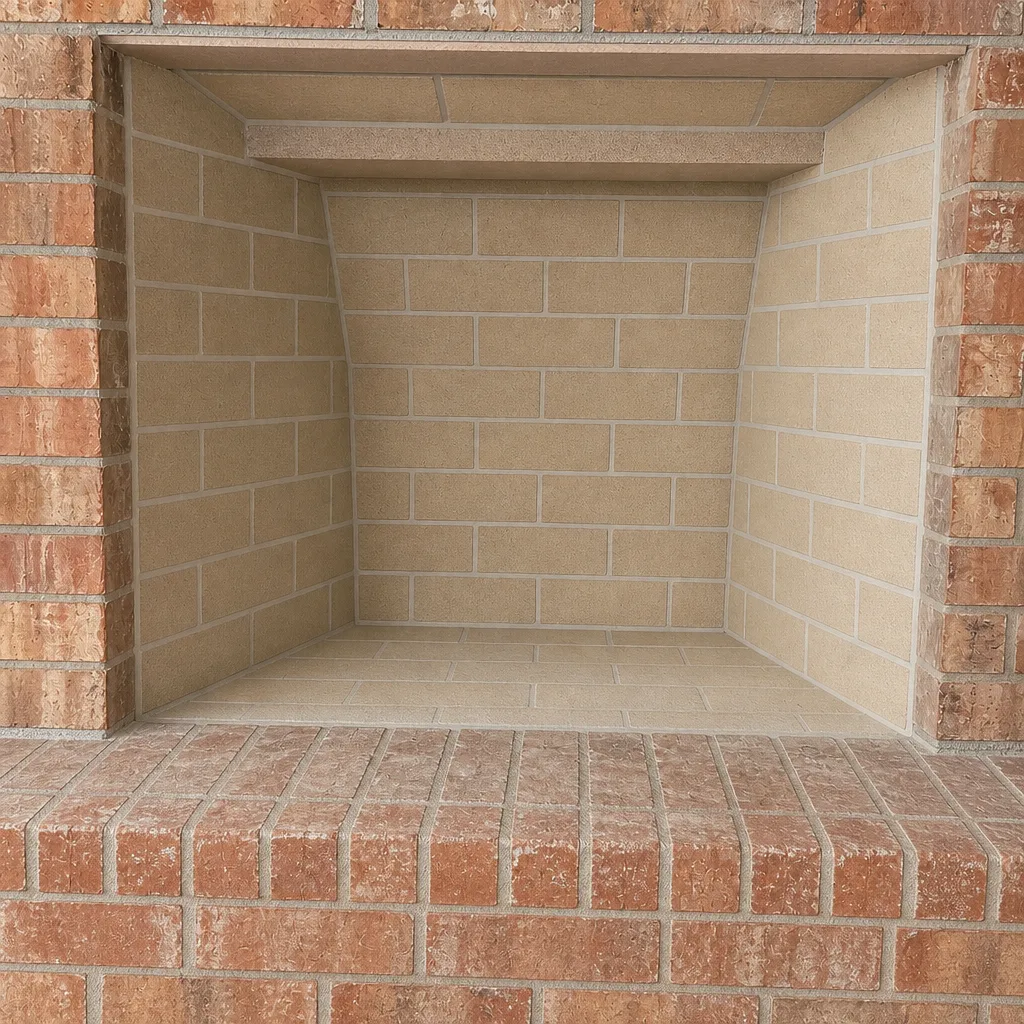
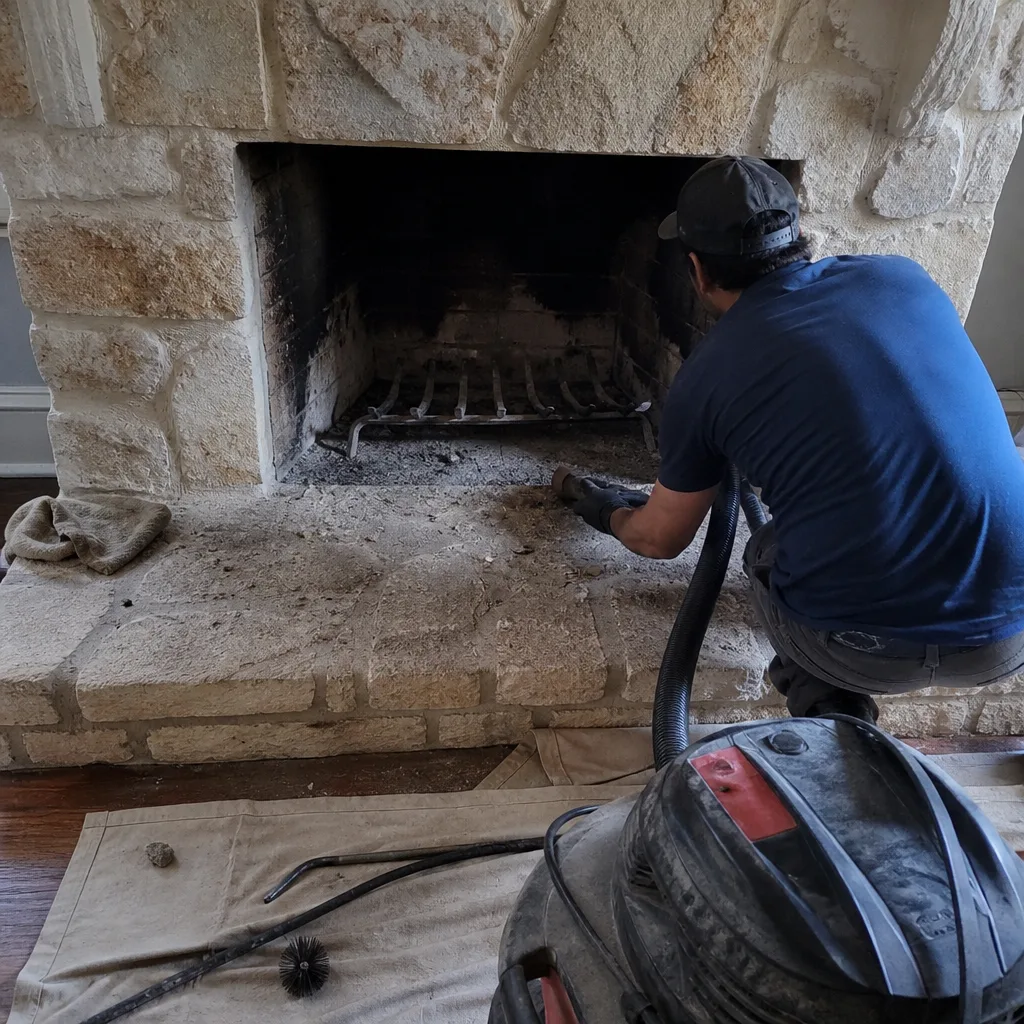
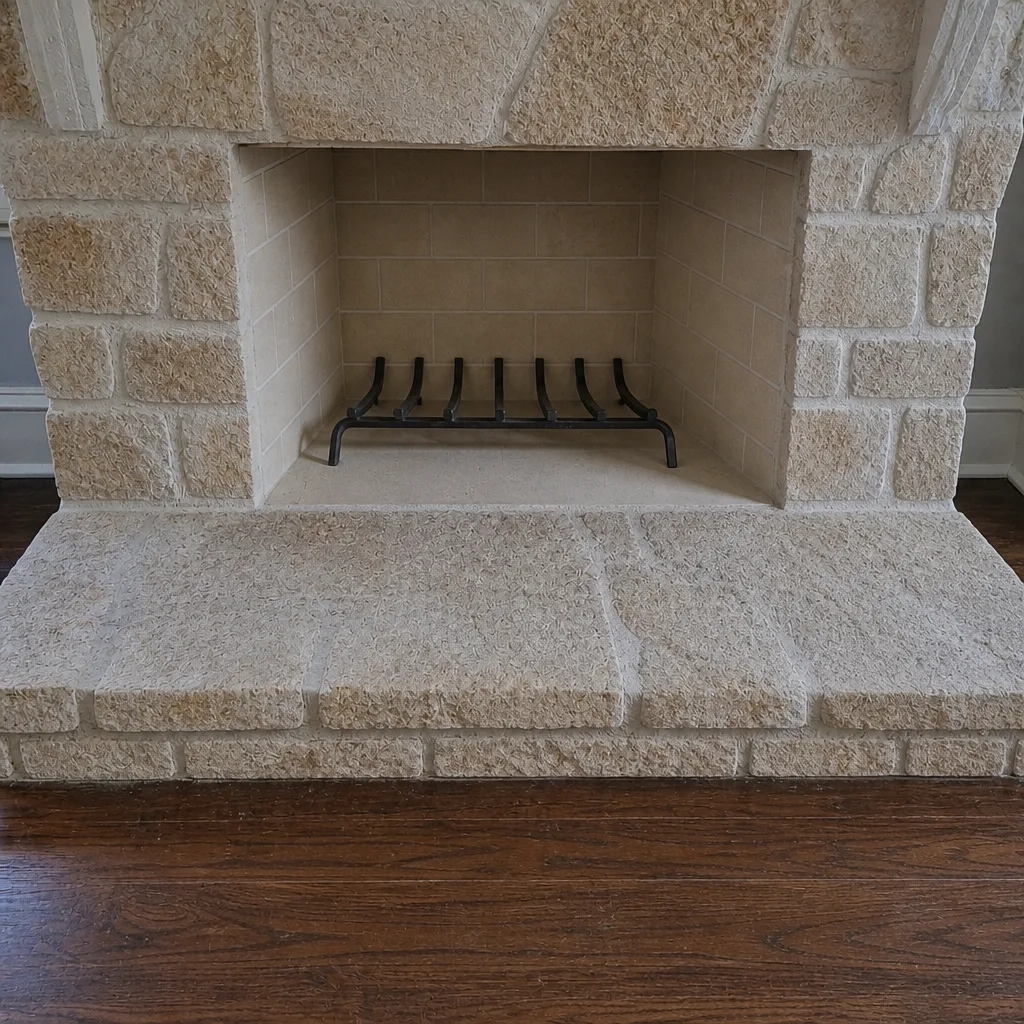
See the difference
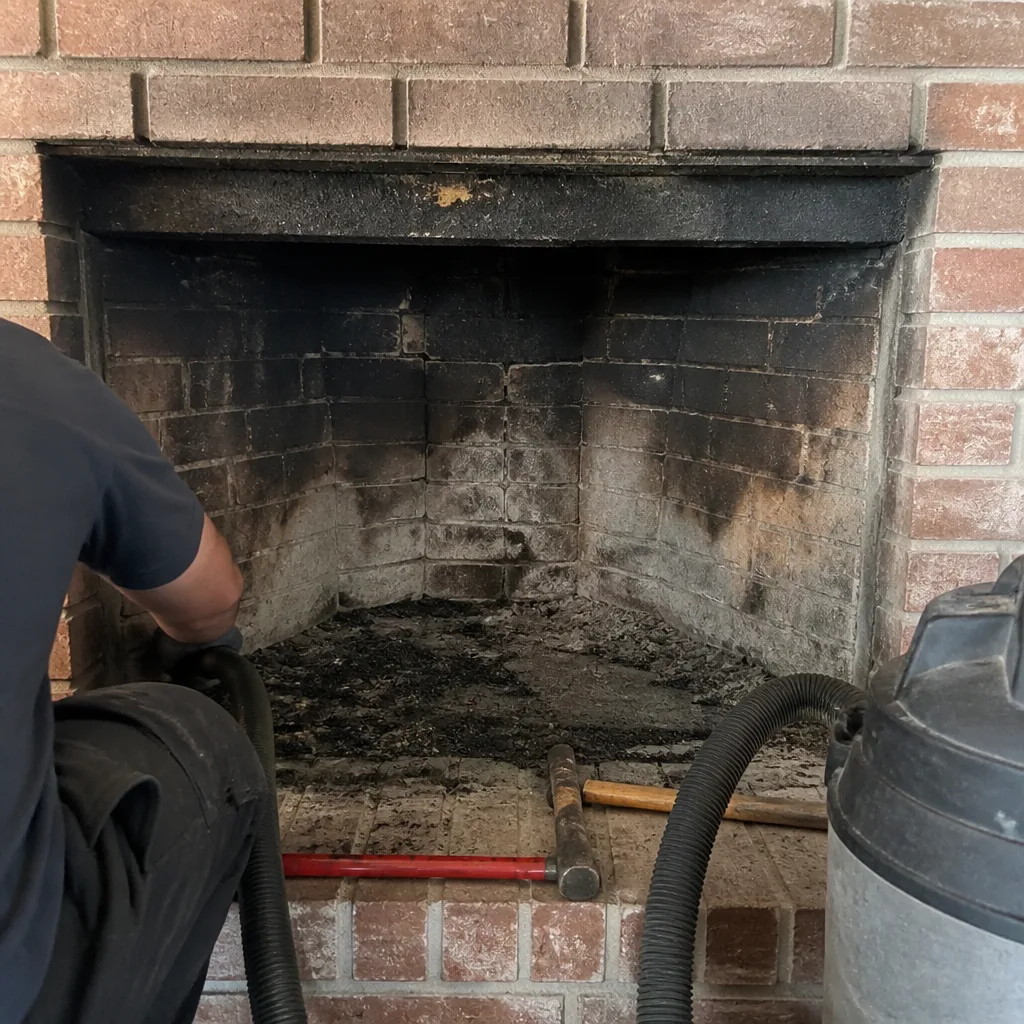 Before
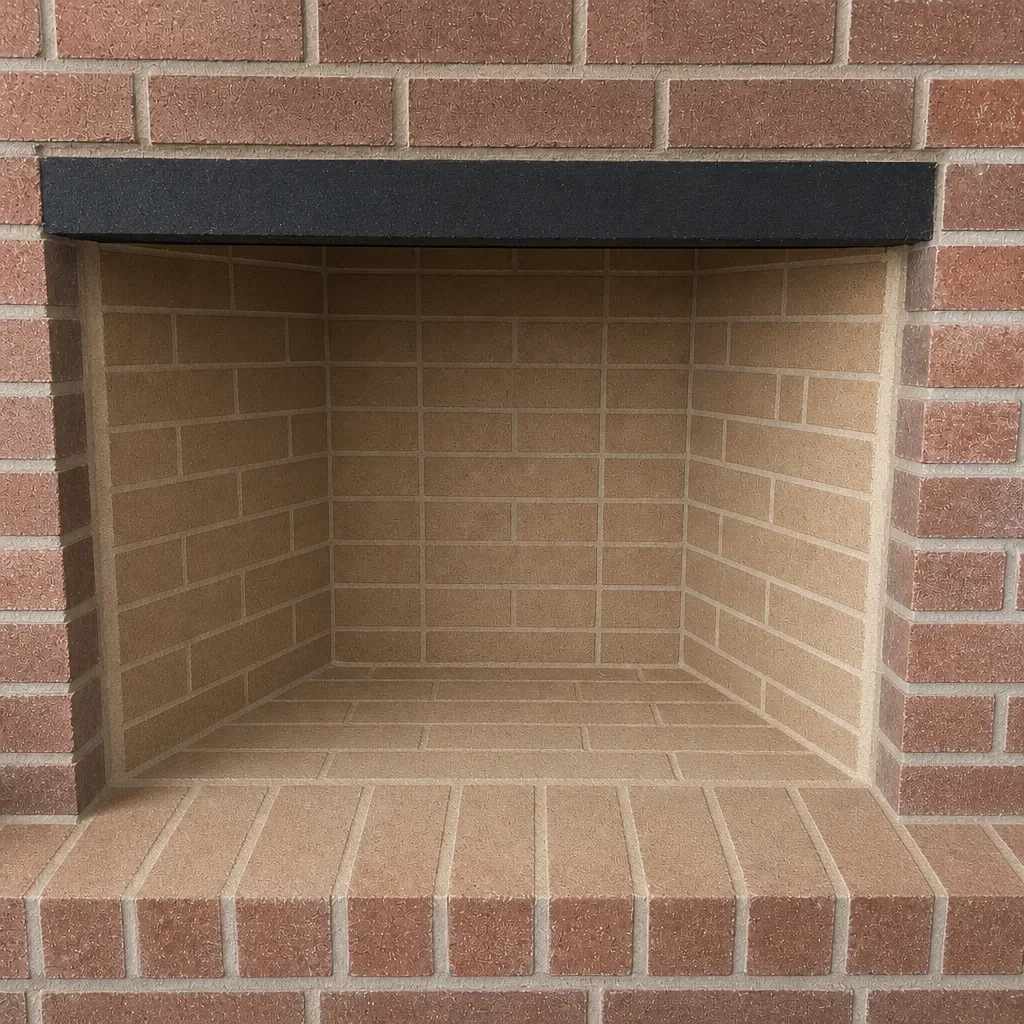 After
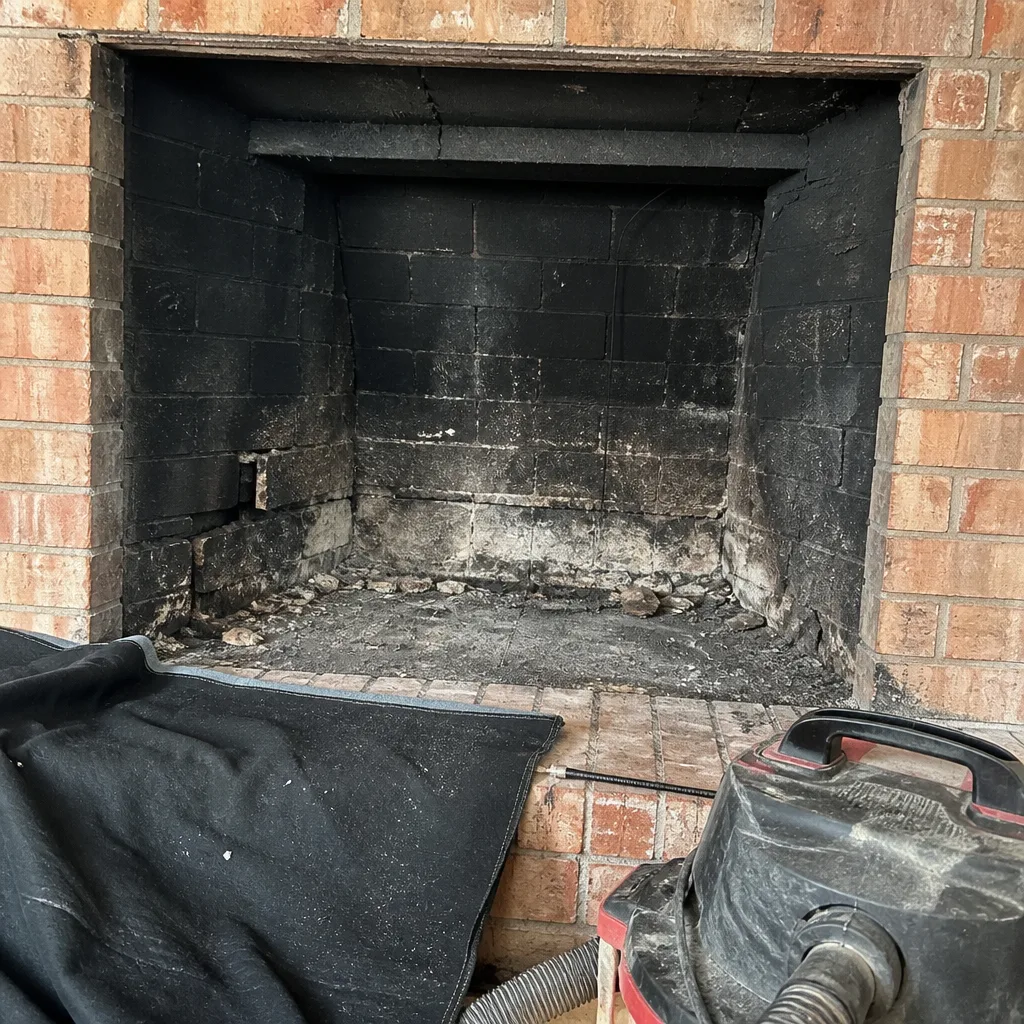 Before
 After
 Before
 After
When to Call a Professional
Call for a professional inspection when you notice any of the following: an ongoing smoky smell from an unused fireplace, visible staining or mortar damage on the exterior masonry, creosote that’s hardened or glazed rather than dusty, smoke entering the room on a first fire of the season, animal or wind sounds from the flue, or any water stain on interior walls or ceilings near the chimney. Also call if it’s simply been more than a year since the last sweep and inspection. The cost of a look is small compared to the cost of a liner repair or a masonry rebuild nobody budgeted for. Banner Chimney Sweep offers free estimates in Grand Prairie and you can see the camera inspection for yourself before anything is recommended. Call (833) 633-6933. We answer 24/7. Fast dispatch from 7am to 7pm, Sunday through Friday.
Frequently Asked Questions
Once a year is the standard recommendation for a wood-burning chimney, and we inspect the full system on that same annual visit. In Grand Prairie, a low-use fireplace that only burns a few times each winter may not need more than that, but it does need the annual inspection. The inspection is what catches animal nesting, moisture intrusion, and cap damage that built up during the dormant season. Skipping the annual visit doesn’t save much and tends to trade a cleaning for a repair later.
A smoky smell from an unused fireplace in summer means creosote or soot deposits in the flue are off-gassing into the house. Warm exterior air and rising interior air push the smell through the living space, and the damper being closed only slows it, it doesn’t stop it. This is one of the most reliable early signs in a Grand Prairie home that the flue needs sweeping. Call (833) 633-6933 for an exact quote on a sweep, the estimate is free.
Stage 2 creosote is hard, shiny black, and brittle, and it clings to the flue wall but can usually be removed with proper tools and technique. Stage 3 creosote is glazed, dense, and glassy, and standard sweeping tools won’t touch it. Stage 3 is the stage most associated with the risk a chimney fire can ignite and burn hot enough to damage the flue, which is why it usually calls for a resurfacing repair like the HeatShield ceramic system rather than a standard cleaning. A camera inspection is the way to know which stage you’re looking at.
You can spot a surprising amount from the ground: white mineral crusting on the brick, dark staining below the crown, crumbling mortar, spalling brick faces, a tilted crown, missing or damaged cap, and rust on chase covers. What you can’t see from the ground is the inside of the flue, the stage of the creosote, or whether the flue tile itself is cracked. Use the ground-level signs to decide whether it’s worth an inspection, and use the inspection to decide what the chimney actually needs.
Yes. Inspecting before the first fire of the season is the better move than inspecting after, because it gives you time to schedule any repair without rushing it in cold weather. Late summer and early fall are when we see the widest range of issues in Grand Prairie homes: nests from the dormant season, moisture from spring rain, and hardened creosote from last winter. Book the inspection so you go into the season with answers rather than questions.
If the inspection shows cracked, spalled, or missing flue tile, a liner is usually the correct fix, because the flue’s containment is what keeps heat and combustion gases inside the chimney. A liner isn’t recommended because it’s the more expensive option; it’s recommended because the alternative is running a fire through a flue that’s already lost integrity. We install DuraFlex liner systems for code-compliant venting upgrades when that’s what the camera shows. Ask to see the footage. Call (833) 633-6933 for an exact quote, the estimate is free.
The Bottom Line
Warning signs on a Grand Prairie chimney look different from warning signs in a cold-climate city, because the dormancy here is long and the problems develop quietly between burns. The summer smell matters. The first-fire smoke matters. The stain on the exterior brick that wasn’t there before matters. None of them require panic, but all of them warrant a look, and all of them are easier to answer in late summer than after a chimney has a problem on top of a problem. Our technicians have up to experience with flue, liner, cap, and masonry systems, we work across a curated set of industry brands, and we inspect before we recommend anything. Call (833) 633-6933. We answer 24/7. Fast dispatch from 7am to 7pm, Sunday through Friday.
Written by the team at Banner Chimney Sweep.