
Last updated November 15, 2026
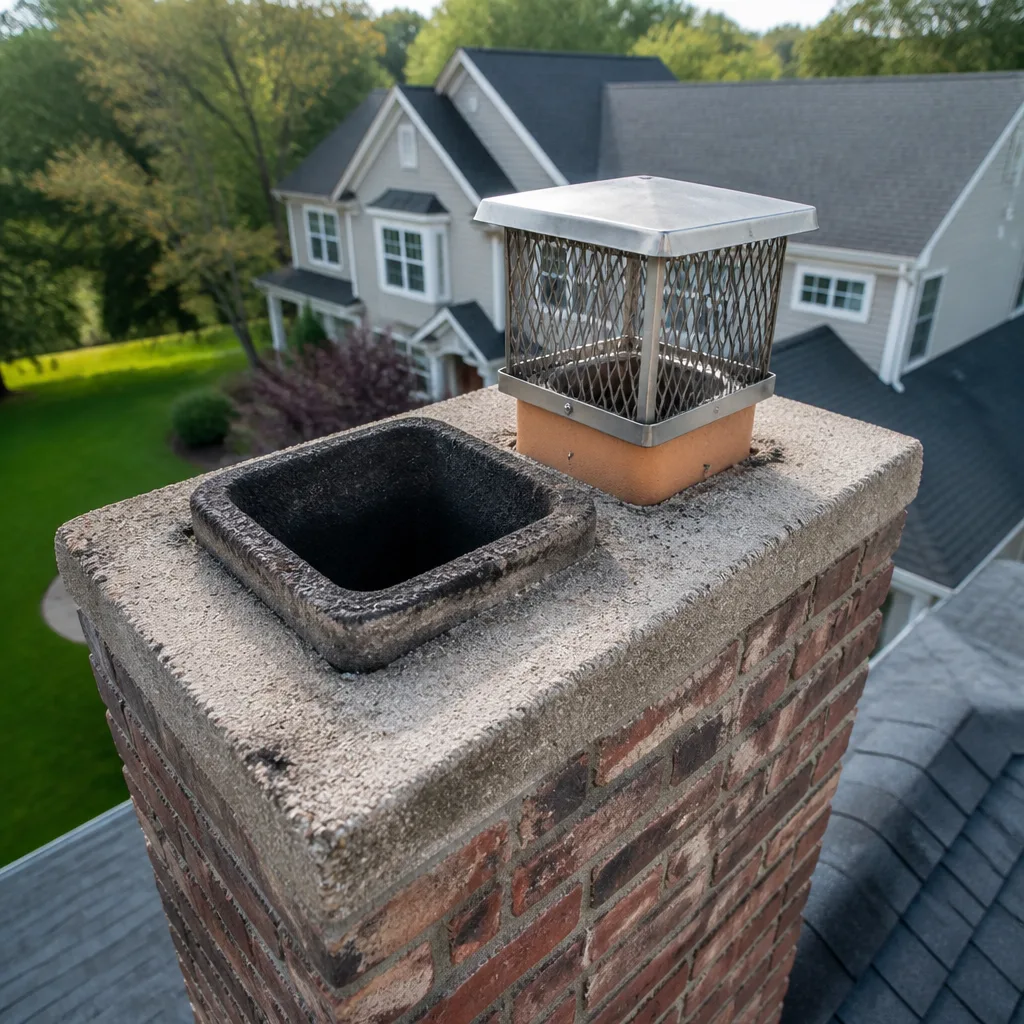 Sweep & inspection
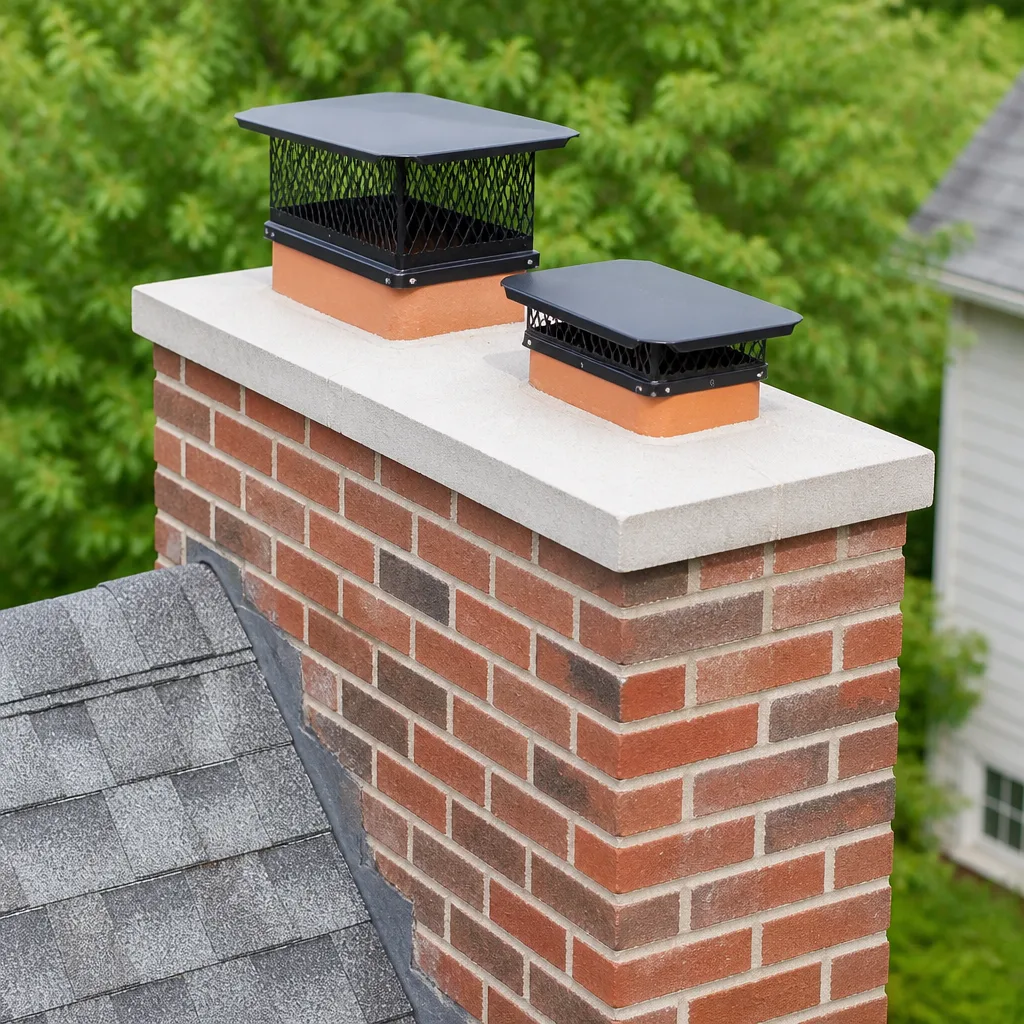 Caps & crowns
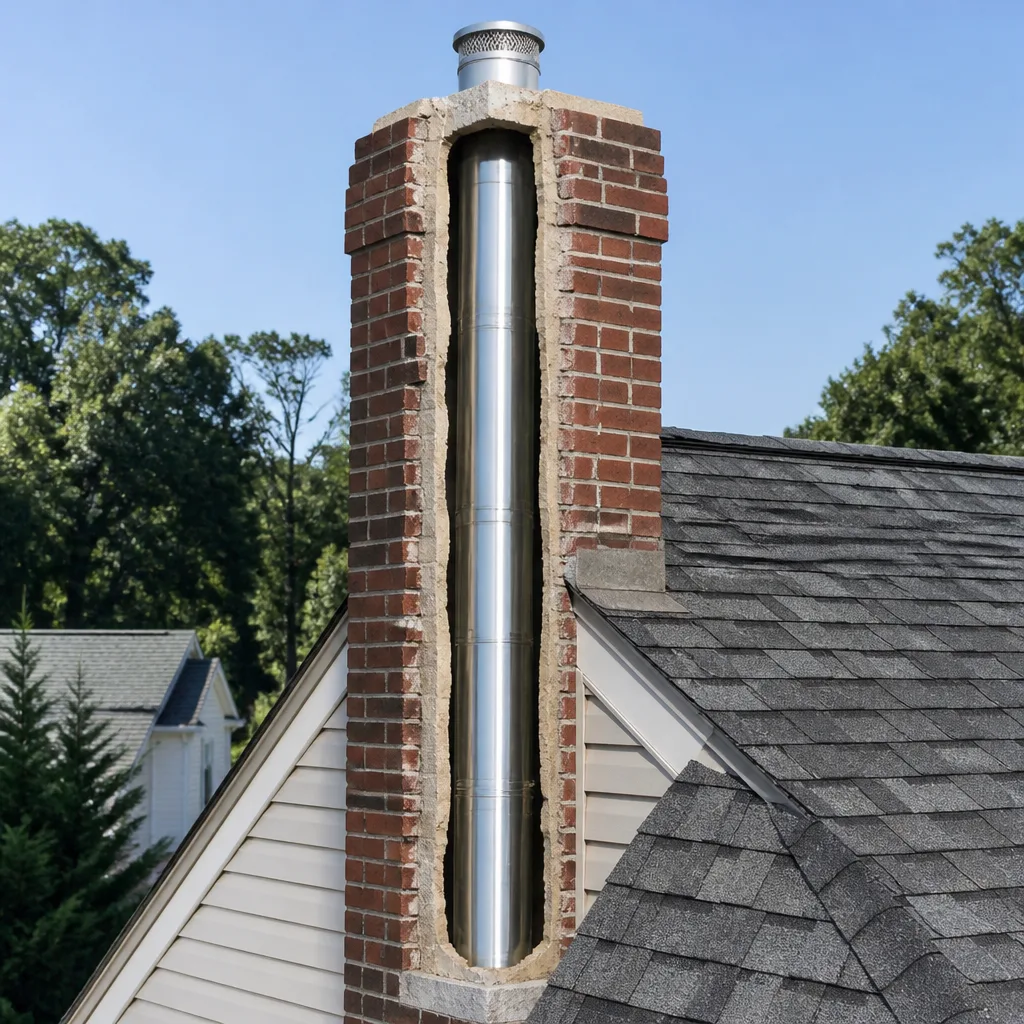 Flue relining
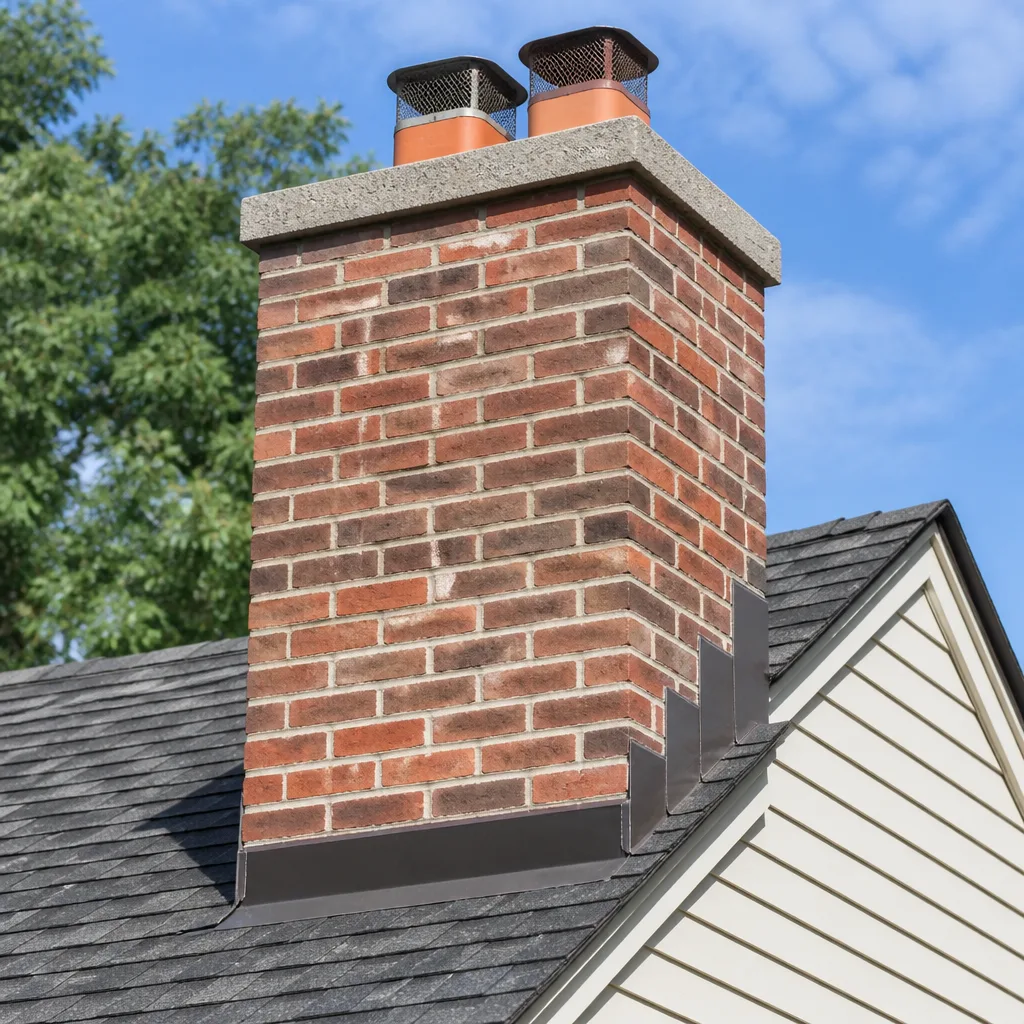 Masonry repair
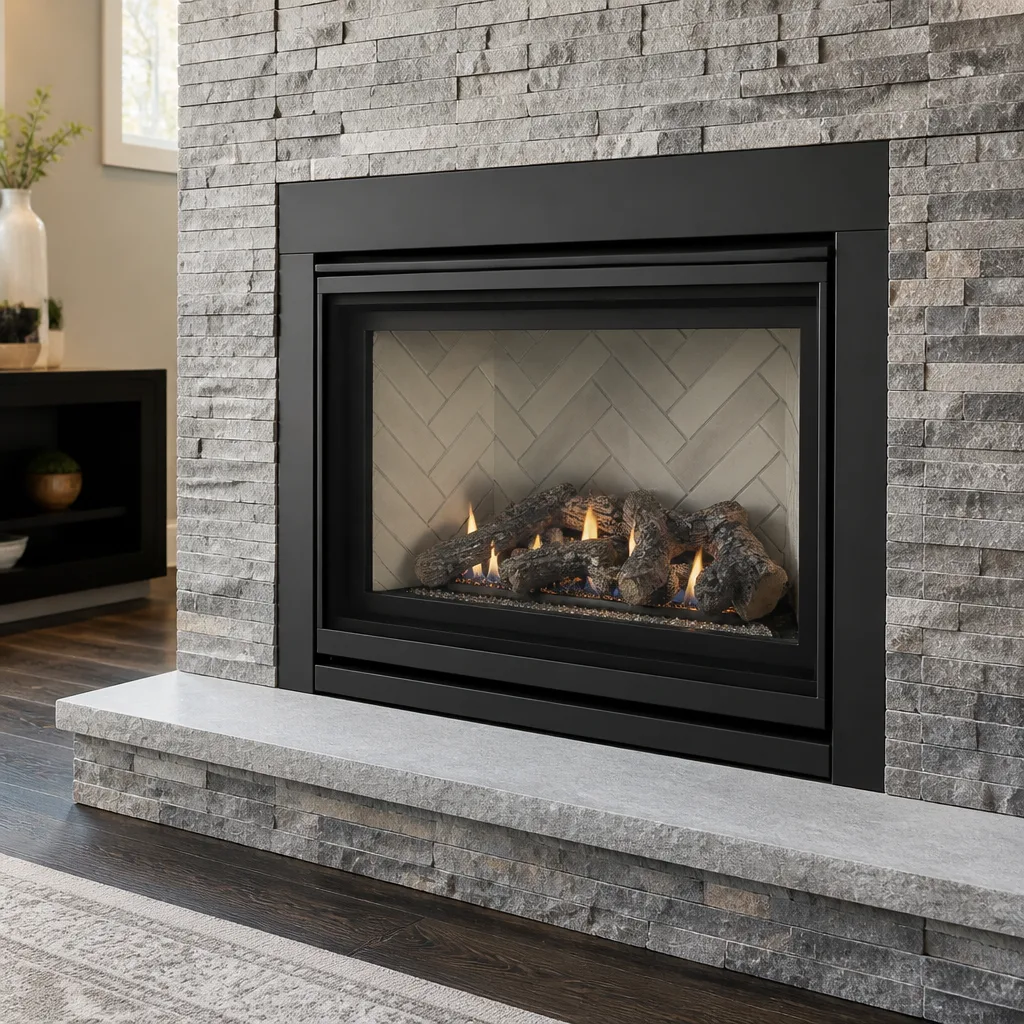 Gas fireplace service
Level 1 sweep and inspection to the NFPA 211 annual standard - flue, crown, cap, and flashing checked and photographed
Chimney sweep logs do not sweep chimneys. They loosen some creosote - which then falls where a brush and vacuum still have to collect it.
Chimney Cleaning Permits, Codes & Inspections in Grand Prairie, TX: What You Need to Know
Chimney cleaning is straightforward. What’s not straightforward is knowing which follow-up repairs require a City of Grand Prairie permit and which don’t, and the distinction matters when a buyer’s inspector shows up. Here’s the part most homeowners get wrong: the cleaning itself almost never needs a permit. The repair it uncovers often does. In this guide, we’ll walk through where the permit line actually sits for Grand Prairie homeowners, how the International Residential Code applies to chimney work in Texas, what a proper inspection report should document, and why unpermitted repairs can quietly follow you into a real estate closing or an insurance claim.
Quick Answer
In Grand Prairie, routine chimney cleaning (sweeping) generally does not require a building permit. Structural or system-level repairs, such as liner replacement, firebox rebuilding, cap installation on certain systems, or masonry reconstruction, typically do require permits under the City of Grand Prairie’s adopted building codes. When in doubt, confirm directly with the City of Grand Prairie Building Division before you authorize any repair work, and get the answer in writing.
Styles & brands we work with
- Sweep & inspection
- Caps & crowns
- Flue relining
- Masonry repair
- Gas fireplace service
Table of Contents
- Where the Permit Line Actually Sits for Chimney Work in Grand Prairie
- How IRC Chapter 10 Applies to Texas Chimney Work
- What a Code-Compliant Inspection Report Should Document
- How Unpermitted Chimney Repairs Affect a Texas Real Estate Transaction
- Chimney Repair and Your Homeowner’s Insurance Claim
- Who to Contact at the City of Grand Prairie
- How to Choose a Chimney Contractor in Grand Prairie
- When Chimney Repair Can Safely Wait, and When It Can’t
Where the Permit Line Actually Sits for Chimney Work in Grand Prairie
Most homeowners in Grand Prairie are surprised to learn that chimney cleaning and chimney repair sit on opposite sides of the permit line. Cleaning is maintenance. Repair is construction. The city treats them differently, and rightly so: a sweep removes creosote and soot from a flue, while a repair changes or restores part of the chimney system itself, and that’s what regulated building codes are there to oversee.
So where does the line fall in practice? These are the general categories of work we see most often, organized by permit status under typical adopted building codes.
Generally no permit required (routine maintenance)
- Chimney sweeping and flue cleaning to remove creosote, soot, and debris
- Visual level-1 inspection, including from the roof and firebox
- Replacing a spark arrestor or a damaged cap screen on an existing cap frame
- Minor mortar touch-up on the crown where the structure itself is unchanged
- Removal of bird or squirrel nests from the flue
Generally permit-required (structural or system changes)
- Installation or replacement of a chimney liner system
- Firebox rebuilds or significant firebox repair
- Chimney cap replacement where the cap functions as a structural component
- Masonry reconstruction of the chimney stack, crown, or shoulders
- Converting a wood-burning fireplace to a gas insert with new venting
- Adding or relocating a chimney flue or connecting a new appliance
Grand Prairie’s building rules, like most Texas municipalities, derive from adopted model codes with local amendments layered on top. Because amendments change and inspection practices evolve, we always recommend confirming specific repair categories directly with the City of Grand Prairie Building Division before booking work. It takes one phone call, and it’s worth the certainty.
If you’re planning any repair work, our chimney repair team can tell you, from the inspection, whether the specific fix on your chimney typically falls into a permit category.
How IRC Chapter 10 Applies to Texas Chimney Work
The International Residential Code (IRC) Chapter 10 covers chimneys and fireplaces, and it’s the backbone of almost every local chimney code in Texas, including Grand Prairie’s. If your contractor can’t talk fluently about Chapter 10, that’s a warning sign. The code isn’t obscure trivia; it sets the actual requirements for how your chimney should be constructed, maintained, and repaired.
Chapter 10 covers the physical requirements for your chimney and venting systems, including:
- Clearances to combustibles – how close wood framing, insulation, and other materials may sit to the chimney and flue, based on the appliance and vent type
- Flue sizing – the relationship between the appliance and the flue it vents into, which determines proper draft
- Chimney height above the roof – the rule-of-thumb that the stack must terminate a certain distance above the roofline and nearby structures so smoke clears the roof
- Liner requirements – the requirement that flues be lined with an approved material to contain heat and combustion products
- Spark arrestor and cap requirements – what must cover the top of the flue
- Hearth and hearth extension dimensions – how far the noncombustible hearth must extend in front of and beside the firebox opening
Texas municipalities adopt the IRC with local amendments, and Grand Prairie is no exception. The amendments typically address inspection procedures, contractor licensing, and the specific documentation the city wants to see on a permit application. The core technical requirements of Chapter 10 usually remain close to the model code, but the process of getting a repair approved locally is where the amendments matter.
A good contractor will reference Chapter 10 requirements by name when explaining why a liner needs replacing or a hearth extension is too short. That’s not sales talk; that’s the code language that actually determines what you need. For more on how compliance work fits into the full chimney system, our Banner Chimney Sweep overview covers the sweep, inspection, and repair sequence.
What a Code-Compliant Inspection Report Should Document
A chimney inspection isn’t a formality. Done properly, it produces a documented record of the chimney’s condition that supports both code compliance and your homeowner’s insurance. Most insurers and real estate buyers accept an inspection report only when it documents specific, verifiable findings, not a vague “chimney looks fine” line on a service ticket.
Inspection standards in the chimney trade trace to NFPA 211, which defines three levels of inspection. Each serves a different purpose.
- Level 1 inspection. A visual, readily accessible inspection of the chimney, firebox, and accessible flue. Performed during routine annual service or when the appliance or fuel type hasn’t changed.
- Level 2 inspection. Includes everything in Level 1 plus access to concealed areas of the chimney via video scanning, and inspection of attics, crawl spaces, and other accessible areas. Required after a chimney fire, after a change in appliance or fuel type, or during a real estate transaction.
- Level 3 inspection. Includes everything from Levels 1 and 2 plus access to concealed areas that require opening walls or removing parts of the chimney. Performed when a serious hazard is suspected and further access is warranted.
What a proper inspection report should contain
- The level of inspection performed and the reason for it
- The date, the address, and the identity of the inspecting company
- Photos or video of the flue, firebox, damper, crown, cap, and accessible exterior
- Noted deficiencies with location and severity (creosote levels, cracked tiles, missing mortar joints, damaged caps, insufficient clearances)
- Recommendations classified by urgency, including which findings warrant repair before the next burn season
- Space for any code-relevant observations the city inspector would want to see if a repair is later filed for permit
Video scanning matters in Grand Prairie because many homes here have masonry chimneys of varying ages. A hairline crack visible from the flue top is not the same as one you’d find halfway down. Video evidence is also the reason our recommendations don’t come from guesswork. Nothing goes on the report that we can’t show you, and we’re always willing to point out where in the video a specific finding sits.
How Unpermitted Chimney Repairs Affect a Texas Real Estate Transaction
Unpermitted chimney repairs can derail a home sale in Texas, and they frequently surface at the worst possible moment: during the buyer’s inspection, after contracts are signed, with a closing date already locked in. A buyer’s inspector will flag unpermitted work, and the buyer’s lender or title company may require proof that the work was properly permitted and inspected before proceeding.
The Texas residential disclosure form requires sellers to disclose known defects and unpermitted work. If you’ve had a liner replaced or a firebox rebuilt without a permit, and you don’t disclose it, you can be exposed to claims after closing. If you do disclose it, the buyer has every right to demand documentation and may ask for a price reduction or a repair credit.
Here’s what tends to happen when a chimney repair was permitted and inspected properly:
- The permit record is searchable in the City of Grand Prairie system and can be provided directly
- The final inspection record confirms the work was reviewed by a code official
- The work becomes a documented plus in the property history rather than a liability
And here’s what tends to happen when it wasn’t:
- The buyer’s inspector flags the work as potentially unpermitted
- The seller has to prove the work was done correctly, often via a fresh inspection that may find deficiencies the original work introduced
- The sale is delayed while the seller pursues an after-the-fact permit, which isn’t always possible
If you know the chimney has had repair work done and you want an inspection-level assessment before you list the home, our chimney sweep and inspection service includes the level-2 documentation buyers ask for.
Chimney Repair and Your Homeowner’s Insurance Claim
Insurance claims on chimney damage get tricky fast, and the permit record is often the hinge. Most homeowner policies cover sudden damage (a fire, a lightning strike, a sudden collapse), but exclude wear and tear, gradual deterioration, and faulty workmanship. If a chimney fire damages your home and the insurer discovers the liner that failed was an unpermitted install with no documentation, the claim can get contested.
From a claims perspective, three records matter most.
- The permit record. Proves the work was reviewed by the city and met code at time of install.
- The inspection report. Documents the condition of the chimney before the loss and shows what was and wasn’t an existing issue.
- The invoice with materials specified. Shows what was installed and what product line was used, which supports the durability of the repair.
That third point matters more than most homeowners realize. If a liner was installed with a product line that has documented performance in the chimney industry, insurers and adjusters have an easier time accepting the repair. We install DuraFlex liners and use HeatShield for flue resurfacing specifically because those systems are recognized in the trade and hold up to scrutiny. Trade-grade materials, properly installed, make the claim conversation easier.
If you’re filing a claim and need an inspection report that clearly documents existing condition versus damage, call (833) 633-6933. We answer 24/7. Fast dispatch from 7am to 7pm, Sunday through Friday.
Who to Contact at the City of Grand Prairie
The City of Grand Prairie Building Division, within the city’s Development Services department, is the office that handles building permits and inspections for residential chimney work. They’re the ones who’ll tell you definitively whether your specific repair requires a permit, and they’re the only authoritative source on the local amendments in force today.
How to walk through the permit question with the city
- Gather the specific scope. “Chimney repair” is too vague. Note whether you’re replacing a liner, rebuilding a firebox, replacing a cap, or reconstructing masonry.
- Call the Building Division during their business hours. Their number and business hours are published on the City of Grand Prairie website; permits are typically handled during regular city business hours.
- Ask about permit category. Confirm whether the work falls under a residential building permit, a mechanical permit, or no permit at all.
- Ask about inspection sign-off. Most permit work requires an inspection after the repair is complete; confirm what that looks like for chimney work.
- Get the answer in writing. If you’re the homeowner, ask the contractor to email the scope and the permit type to you before work begins so you have a record.
We’ve seen homeowners in Grand Prairie skip this step and end up having to explain to a buyer, or an insurer, why a recent repair has no permit record. That’s an avoidable situation. The call takes five minutes; the fallout from skipping it takes much longer to resolve.
How to Choose a Chimney Contractor in Grand Prairie
The permit question is one of several things to look at when you hire a chimney contractor, and they’re all related. A contractor who plans properly, knows the codes, and documents the work is the one you want doing the repair. A contractor who treats the chimney as one more thing in a handyman’s truck is the one who’s likely to skip the permit conversation entirely.
Here’s what we’d suggest checking before you hire anyone in Grand Prairie:
- Specialization. Do they do chimney work exclusively, or is chimney cleaning one item on a long service list? A chimney-only focus means every technician is trained in flue, liner, cap, and masonry systems.
- Inspection-first approach. Will they inspect and document before recommending? Or does the recommendation come before the diagnosis?
- Product lines. Ask what materials they install. Recognized industry brands signal trade-level procurement. We install HeatShield, DuraFlex, Gelco, Olympia Chimney, Famco, and Copperfield systems.
- Permit awareness. Ask directly: “Does this repair require a City of Grand Prairie permit?” A contractor who can answer that outright, or who knows how to find out, is the one to hire.
- Written scope and estimate. The estimate should say exactly what’s being done, what product is being installed, and how the price is set.
- Photo and video documentation. You should see what the contractor sees, especially when a liner or firebox repair is on the table.
A note on the pricing conversation: chimney repair in Grand Prairie, like most of the Dallas-Fort Worth area, is priced per job based on the written estimate after the inspection. Chimney work isn’t the kind of thing where you compare three prices without knowing what’s being done to the same chimney. Get the inspection first, then compare quotes on the same scope.
For a startup sweep and inspection, the Grand Prairie service page covers what’s included. Our technicians have up to experience in chimney systems.
When Chimney Repair Can Safely Wait, and When It Can’t
The most important question in chimney repair isn’t usually “how much will it cost,” it’s “do I need to do this now?” A cracked crown on a chimney isn’t the same urgency as a compromised liner, and a wise contractor will tell you the difference. Here’s how we’d think about timing based on what an inspection typically uncovers in the Grand Prairie area.
Can reasonably wait until the next burn season
- Minor mortar joint deterioration on the crown that hasn’t reached the flue
- Loose but intact cap screen
- Cosmetic spalling on the chimney exterior without structural impact
- Slight creosote accumulation just above annual-sweep levels
- Small animal intrusion with no damaged components
Should be scheduled within a few weeks
- Moderate creosote buildup (glazed or level-3 accumulation)
- Cracked or missing flue tiles without an active hazard
- Damaged cap creating water-entry risk to the flue
- Missing or degraded damper
Should be repaired before the next fire
- Failed or missing liner
- Any firebox damage that changes how the fire burns
- Visible gaps between flue tiles with no liner containment
- Chimney fire damage to the flue
Winter in North Texas is mild enough that most homeowners schedule chimney work in the fall ahead of the burning season. But the urgency driver isn’t the weather; it’s creosote accumulation plus any drop in draft efficiency. Both compound as the burn season continues. The right time to know what your chimney needs is before the first fire, not after. If you haven’t had the chimney swept since last season, call (833) 633-6933. We answer 24/7 and dispatch 7am to 7pm, Sunday through Friday.
Common Mistakes to Avoid
- Assuming cleaning needs a permit. It usually doesn’t, and the call to the city to confirm takes minutes. But asking also gets you the correct answer on the repair you may need next.
- Assuming the repair doesn’t need a permit. This is the more common and more costly mistake. A new liner installed without a permit can trip up a real estate closing years later.
- Skipping the inspection report and going straight to the repair quote. The report is the record. Without it, you have no documentation for insurance, resale, or follow-up work.
- Letting the contractor handle the permit but not confirming it was actually filed. The city record should be in the homeowner’s name and address, not just the contractor’s. Ask for the permit number once work is filed.
- Not asking what product is being installed. A liner is a long-life component; what brand and product line is used matters for durability and future documentation.
- Treating a Level 2 inspection as optional at resale. Standard practice and most insurers expect Level 2 when a property changes hands, and skipping it can push closing back.
- Hiring a chimney sweep who also does roofs, gutters, and tree work. Chimney work is specific. A generalist may sweep the flue competently and then miss structural issues that a chimney-only contractor would catch.
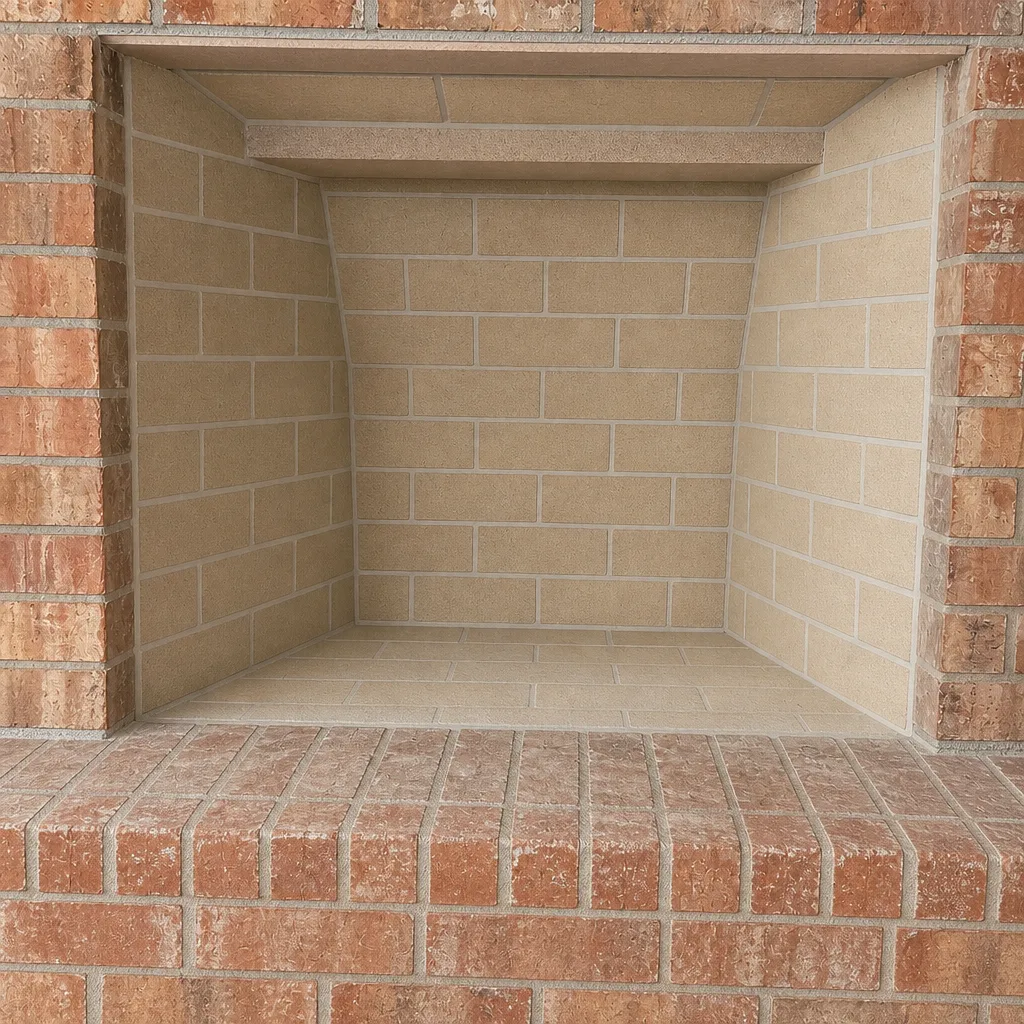
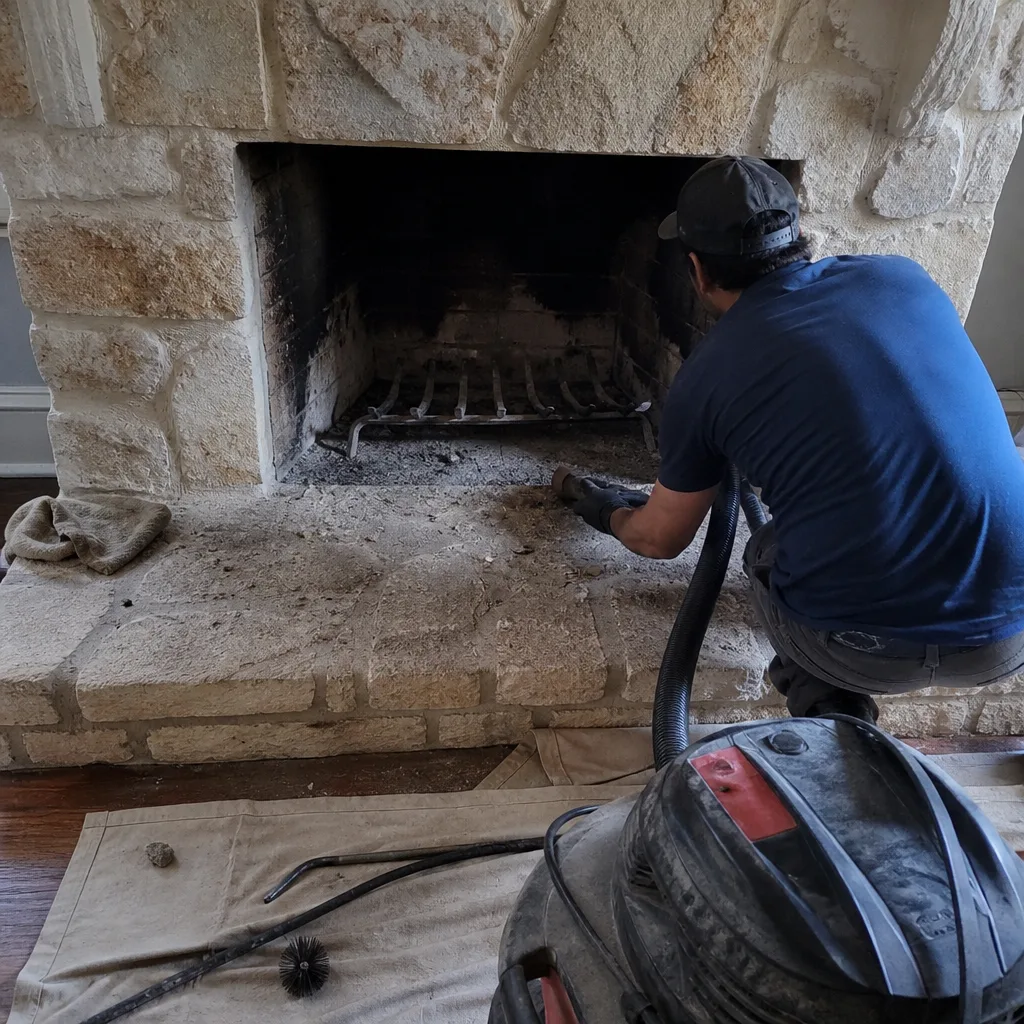
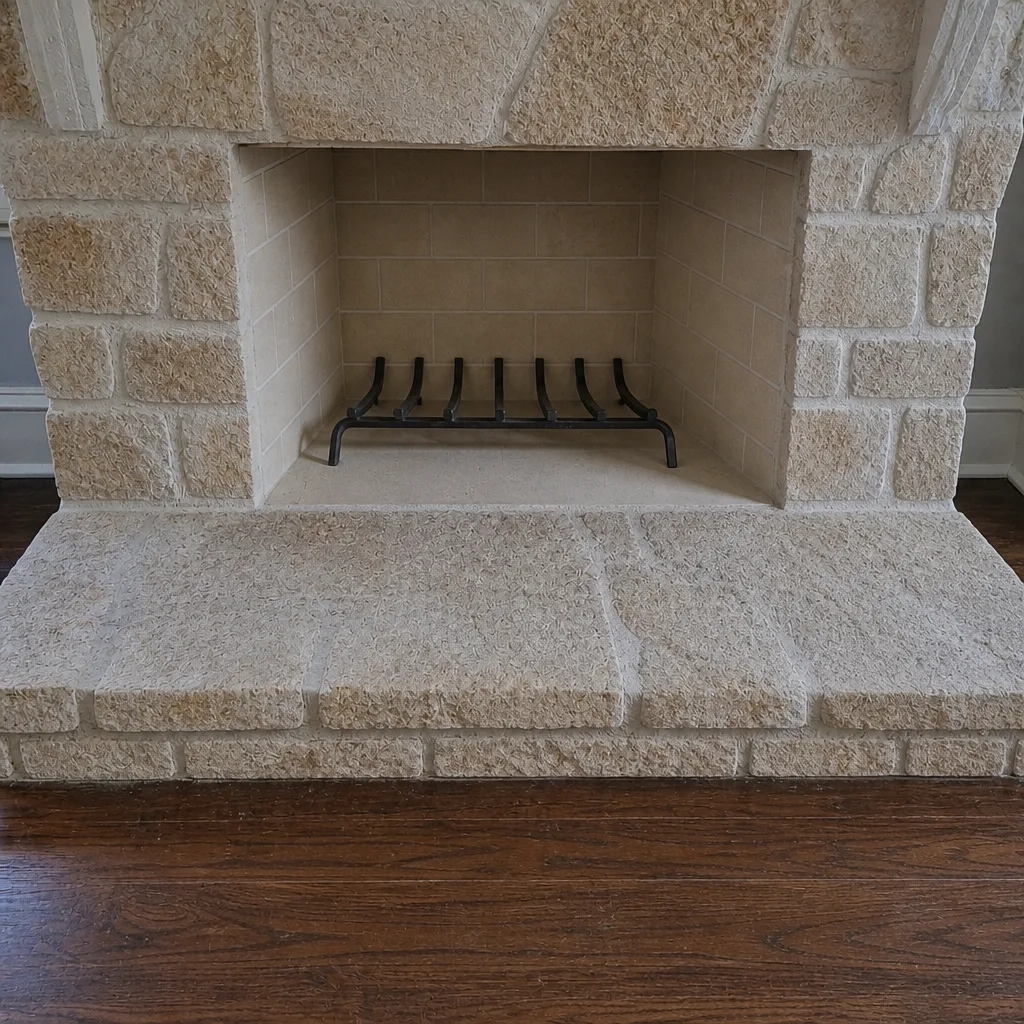
See the difference
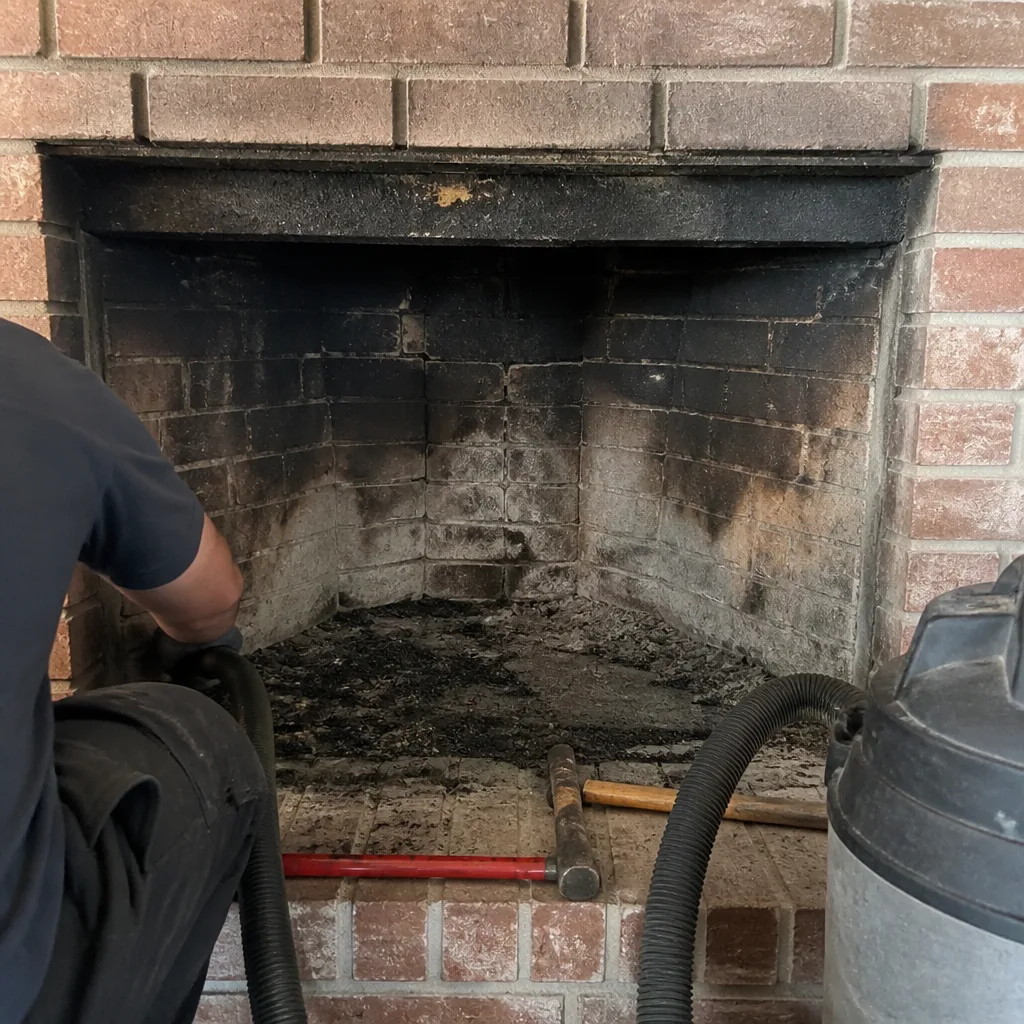 Before
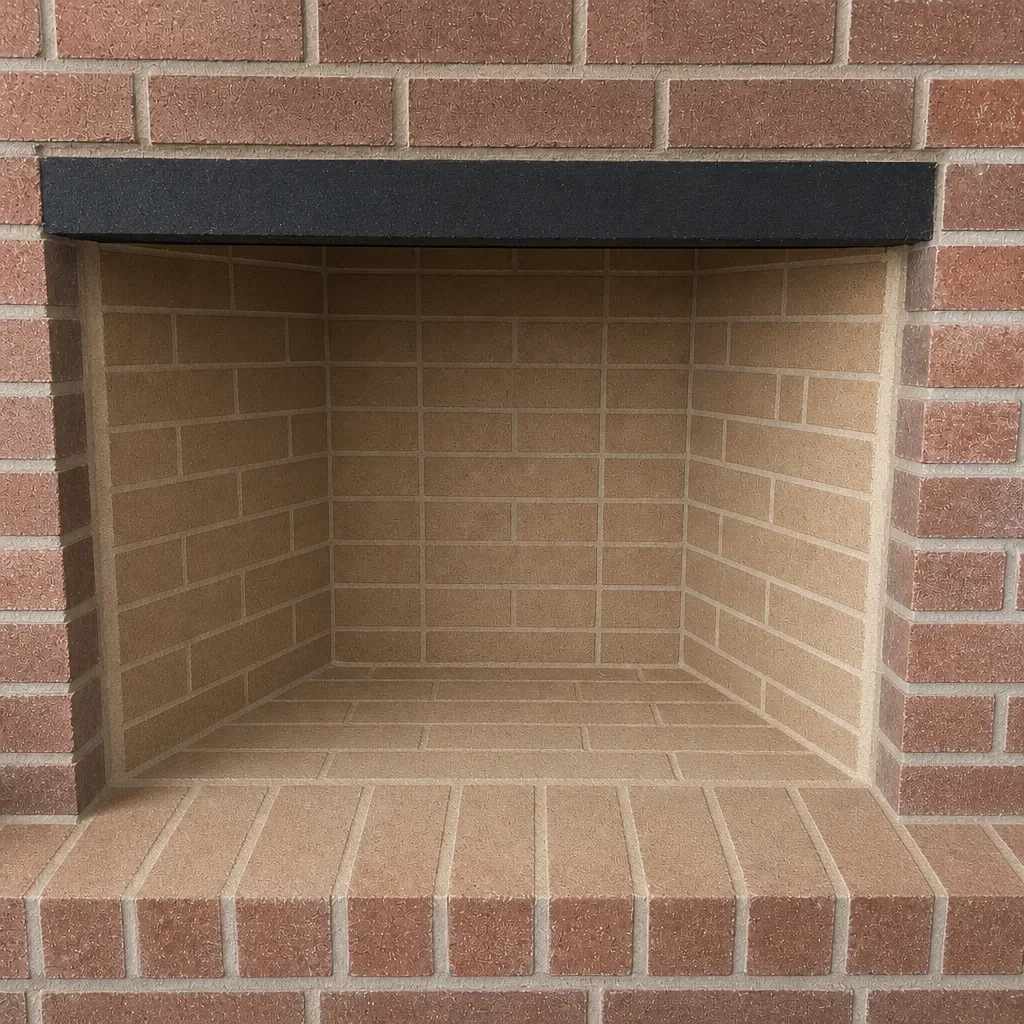 After
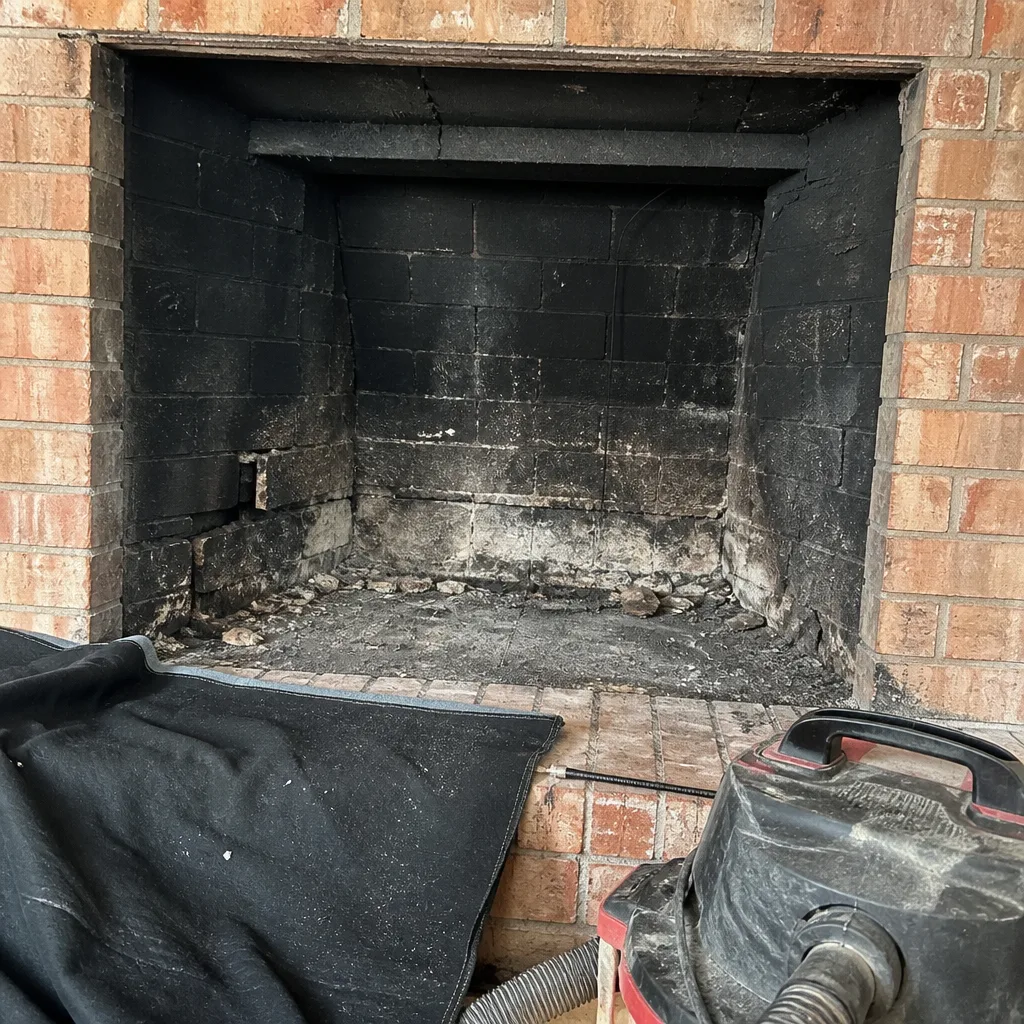 Before
 After
 Before
 After
When to Call a Professional
Some chimney tasks are routine homeowner awareness; others need a trained professional in person. Call a chimney professional for a Level 1 inspection at least once a year if you use the fireplace regularly, for a Level 2 inspection after any suspected chimney fire or before a real estate transaction, and for any repair that involves the liner, firebox, crown, or masonry stack. Chimney systems work with combustion byproducts and creosote accumulation, and diagnosing them from the ground isn’t reliable. A trained technician uses a camera and knows what to look for. Banner Chimney Sweep offers free estimates in Grand Prairie. Call (833) 633-6933. We answer 24/7. Fast dispatch from 7am to 7pm, Sunday through Friday. Closed Saturday. One company handles the sweep, the inspection, and the repair, so nothing falls between contractors.
Frequently Asked Questions
No. Routine chimney cleaning in Grand Prairie generally does not require a building permit because it’s maintenance of an existing system, not a structural change. The follow-up repairs that cleaning sometimes reveals, however, may require a permit from the City of Grand Prairie Building Division. Call (833) 633-6933 for an inspection that will tell you which category your situation falls into. Estimates are free.
You need a new liner when the existing flue lining is cracked, missing, or otherwise unable to contain heat and combustion products, and that is something you should be able to see on the inspection video before you agree to anything. If a contractor recommends a liner without a video scan showing the deficiency, ask for one. Our inspections include the photo and video documentation that lets you verify. Call (833) 633-6933 for a free estimate after inspection.
Liner replacement, firebox rebuilds, certain chimney cap installations, masonry reconstruction, and gas insert conversions with new venting generally require permits. Minor maintenance like sweep, crown touch-up, and spark arrestor replacement typically doesn’t. Confirm the specific scope with the City of Grand Prairie Building Division before work starts. Call (833) 633-6933 if you want us to review the scope with you first.
A code-compliant inspection report should document the level of inspection performed, the date, the inspecting company, photo or video evidence of the flue, firebox, damper, crown, and cap, noted deficiencies with severity, and recommendations by urgency. NFPA 211 defines the three levels and is the standard insurers and buyers reference. Call (833) 633-6933 for a documented inspection matched to your situation.
Most homes with regular fireplace use should be swept once per year, before the burning season. A chimney with heavy use or wood that’s not well seasoned may need it more often; a chimney used rarely may go a bit longer. The only reliable way to know is the inspection. Call (833) 633-6933 for a free estimate on an annual sweep and inspection.
Creosote continues to build up on the flue walls, draft efficiency drops, and the chimney becomes harder to inspect for existing damage. Skipping a sweep doesn’t automatically cause a fire, but the combination of a lining deficiency plus a heavy creosote load is where real fire risk lives. Call (833) 633-6933 to book a sweep before the season starts. Estimates are free.
The Bottom Line
Routine chimney cleaning itself rarely needs a permit in Grand Prairie, but the repairs cleaning often reveals do. Getting that distinction right comes down to three habits: inspect before recommending (with video evidence you can see), confirm permit requirements with the City of Grand Prairie Building Division before authorizing repair work, and keep the inspection report and the permit record on file for the next buyer or insurer who asks. If a contractor can’t tell you which side of the permit line a repair sits on, that’s the sign to choose a chimney specialist instead. Our technicians have up to experience, and we sweep, inspect, and repair through a single company so nothing falls between contractors.
Call (833) 633-6933 for a free estimate. We answer 24/7. Fast dispatch from 7am to 7pm, Sunday through Friday. Closed Saturday. If you need to schedule around work or family obligations, early mornings or Sundays are often the practical options, and we’ll book the next open slot. Whether you’re facing a real estate closing, an insurance claim, or a chimney you haven’t had inspected in years, an inspection tells you where you stand before anything is authorized.
Written by the team at Banner Chimney Sweep.